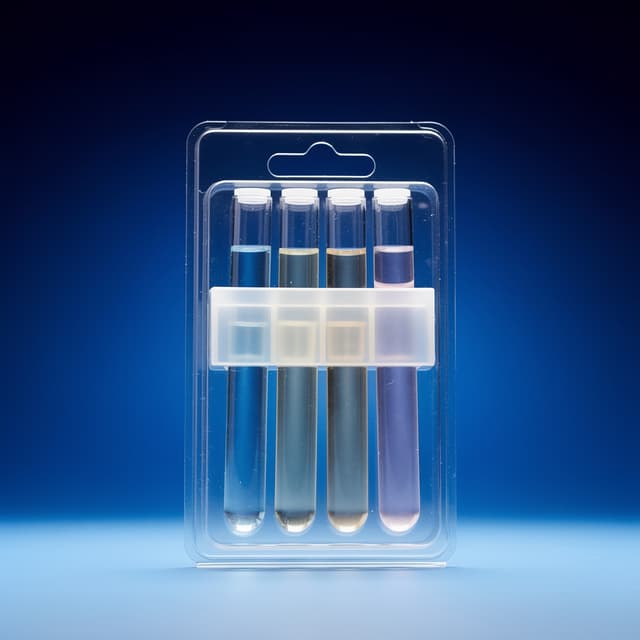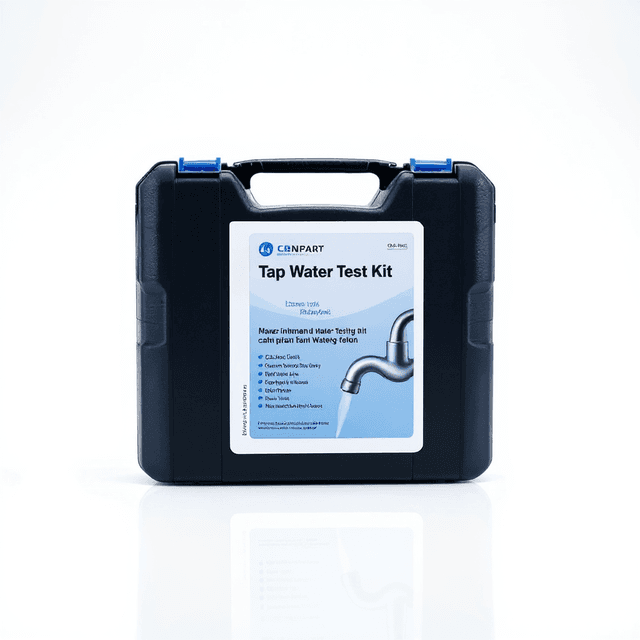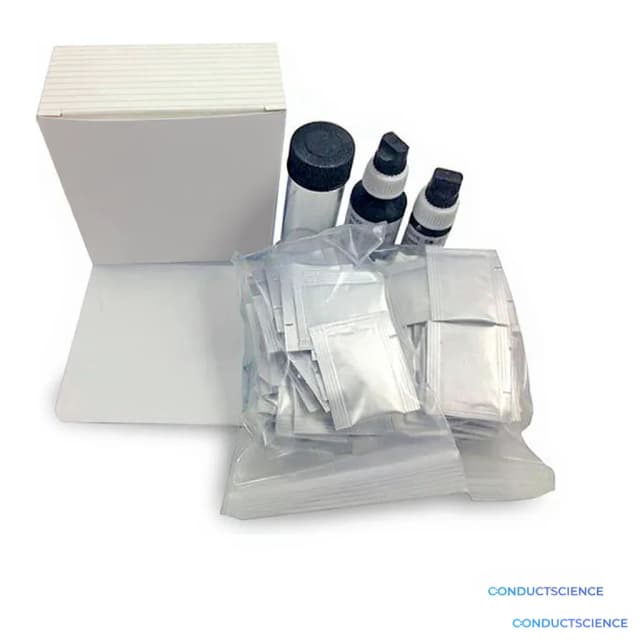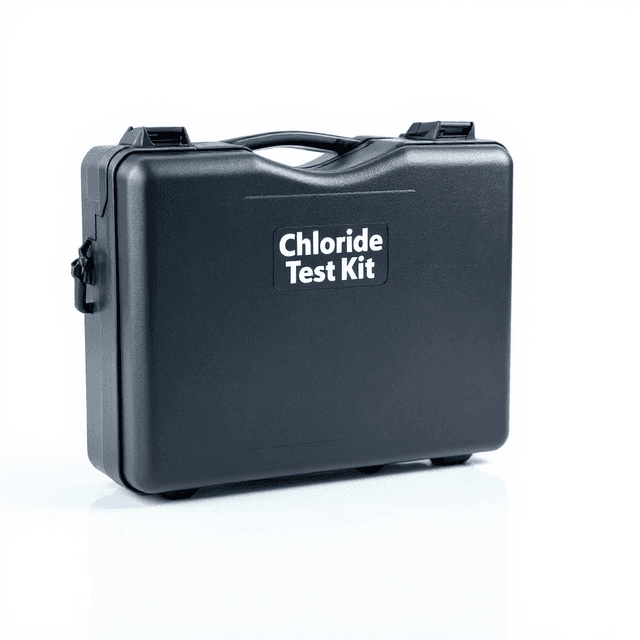
Chromium Or Cr Vi Tube Test
Ready-to-use colorimetric test tube for rapid field detection of hexavalent chromium in water samples, providing results in 3-5 minutes without laboratory equipment.

Louise Corscadden, PhD
Director of Science · ConductScience
Ask Louise about Chromium Or Cr Vi Tube Test fit, setup, configuration, or quote prep.
Already working with us? Sign in to connect this with My Scientist.
Key Specifications
Full details →- Model fit
- 1 selectable configurations
- SKU family
- CS-LH-LAB003
- Shipping box
- 8.8 x 7.3 x 5.9 cm
- Ordering
- Online checkout and quote request available
- Category
- Water Test Kits
- Build notes
- Confirm accessories, station layout, and support needs before purchase
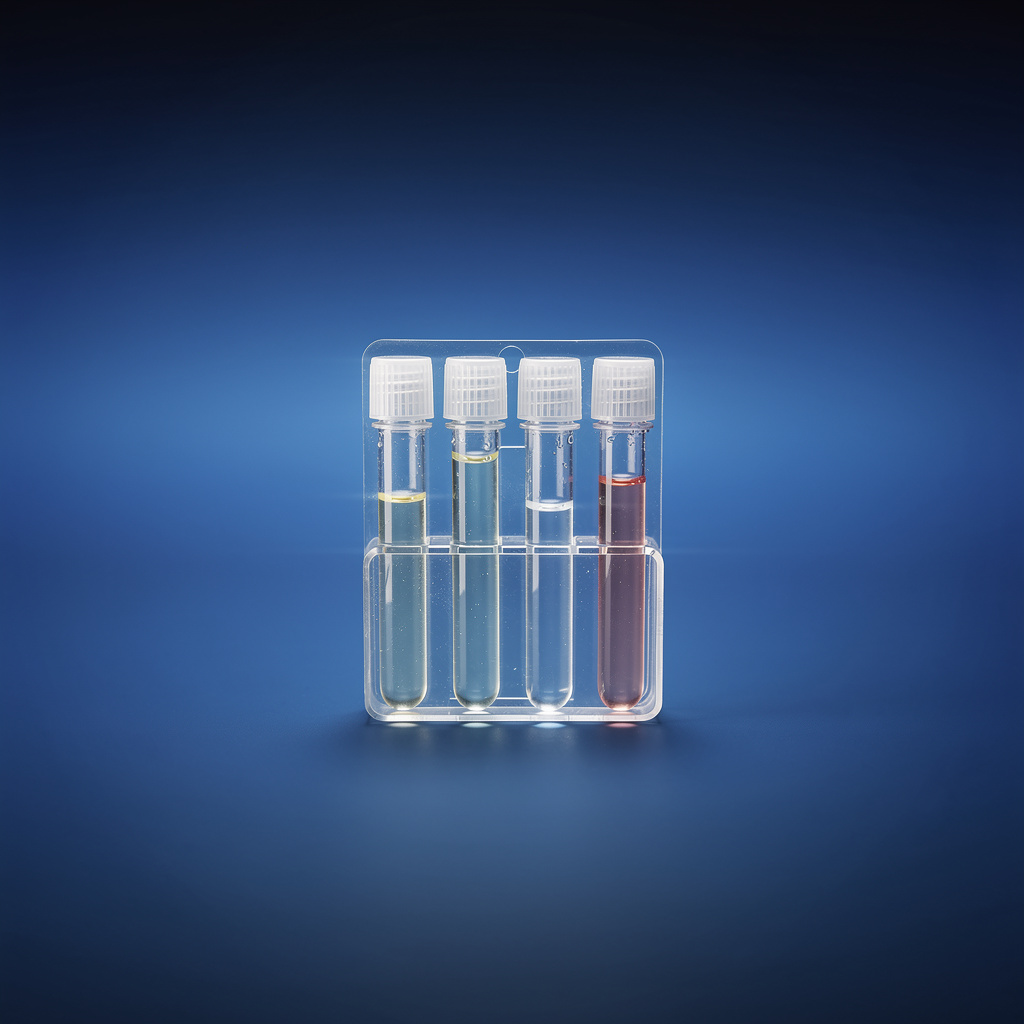
The Chromium Or Cr VI Tube Test is a ready-to-use colorimetric test tube designed for rapid detection and quantification of hexavalent chromium in water samples. This portable analytical tool utilizes established colorimetric chemistry to provide field-deployable chromium analysis without requiring laboratory infrastructure or specialized personnel.
The test tube contains pre-measured reagents that react specifically with Cr(VI) to produce a measurable color change, enabling semi-quantitative determination of chromium concentrations. The sealed aluminum foil packaging ensures reagent stability for 18 months under normal storage conditions, making it suitable for both routine monitoring and emergency response applications.
How It Works
The test utilizes the specific oxidation-reduction chemistry of hexavalent chromium to generate a measurable color change. Cr(VI) in the sample reacts with chromogenic reagents pre-loaded in the test tube, forming colored complexes whose intensity correlates with chromium concentration. The reaction mechanism typically involves the reduction of Cr(VI) to Cr(III) while simultaneously oxidizing an organic chromophore to produce the visual signal.
Sample preparation involves removing the tube filament and introducing the water sample directly into the reaction chamber. The sealed tube design ensures proper stoichiometry and prevents contamination during the 3-5 minute reaction period. Results are interpreted by comparing the developed color intensity against a standardized color chart or through photometric measurement for quantitative analysis.
Features & Benefits
Shipping weight
- 0.26 lb
Shipping box
- L: 8.8 cm
- W: 7.3 cm
- H: 5.9 cm
| Feature | This Product | Typical Alternative | Advantage |
|---|---|---|---|
| Analysis Time | 3-5 minute reaction completion | Laboratory methods require 24-48 hours including transport | Enables immediate decision-making for emergency response and field screening applications. |
| Equipment Requirements | No external equipment needed | Electronic analyzers require power and calibration | Allows deployment in remote locations without infrastructure or technical support. |
| Storage Stability | 18-month shelf life at normal temperature | Liquid reagents often require refrigeration | Supports long-term stockpiling for emergency response without cold storage requirements. |
| Operator Training | Minimal training required for color comparison | Instrumental methods require specialized training | Enables use by field personnel without extensive analytical chemistry background. |
| Sample Volume | Small sample volume required | Varies by method | Conserves sample when collection volume is limited or costly. |
This test tube system prioritizes speed and simplicity for field applications, offering immediate chromium screening without laboratory infrastructure. The pre-loaded reagent design eliminates preparation errors while maintaining analytical traceability to international standards.
Practical Tips
Verify color chart accuracy by testing known chromium standards periodically to ensure consistent interpretation.
Why: Color chart degradation from light exposure can affect result accuracy over time.
Store unused tubes in original packaging away from direct sunlight and extreme temperatures.
Why: Proper storage maintains reagent stability and extends shelf life to the full 18-month period.
Conduct testing under consistent lighting conditions and compare colors within 10 minutes of reaction completion.
Why: Color perception varies with lighting, and continued reactions may alter color intensity.
If no color develops, verify sample pH is neutral and test tube seal was properly broken.
Why: Extreme pH can inhibit the colorimetric reaction, while incomplete seal removal prevents sample contact with reagents.
Document environmental conditions and run duplicate tests for critical samples requiring regulatory reporting.
Why: Field conditions can affect reaction kinetics, and duplicate analysis improves confidence in semi-quantitative results.
Wear gloves when handling test tubes and dispose according to local regulations for chromium-containing waste.
Why: Prevents contamination of samples and ensures proper handling of potentially hazardous materials.
Use this method for initial screening and prioritize samples exceeding action levels for confirmatory laboratory analysis.
Why: Field tests provide rapid triage but lack the precision needed for final regulatory determinations.
Setup Guide
What’s in the Box
- Chromium test tube with pre-loaded reagents
- Color comparison chart (typical)
- Instruction sheet with interpretation guide (typical)
- Safety data sheet (typical)
Warranty
ConductScience provides a standard quality guarantee on analytical performance and reagent stability for unopened tubes stored under recommended conditions.
Compliance
What is the detection range and accuracy of this test method?
Consult product datasheet for specific detection limits and measurement range. Accuracy depends on proper sample handling and color chart interpretation under adequate lighting conditions.
Does sample pH or turbidity interfere with the colorimetric reaction?
Most colorimetric chromium tests are sensitive to extreme pH and high turbidity. Pre-filter turbid samples and verify pH is within 6-8 range for optimal performance.
Can this test distinguish between Cr(III) and Cr(VI)?
This test is specifically designed for hexavalent chromium (Cr(VI)) detection and does not respond to trivalent chromium, providing selective analysis for the more toxic oxidation state.
How should samples be preserved for delayed testing?
Test samples immediately when possible. If storage is required, refrigerate at 4°C and test within 24 hours to minimize chemical changes in chromium speciation.
What quality control measures are recommended for field testing?
Run blank tests with distilled water and known standards when available. Document environmental conditions and compare results with duplicate tests for critical samples.
How does this method compare to instrumental analysis?
This provides rapid screening data suitable for field assessment and sample prioritization, but lacks the precision and lower detection limits of laboratory ICP-MS or spectrophotometric methods.
Can the test tubes be used in extreme environmental conditions?
Store tubes at normal temperatures and protect from direct sunlight. Extreme temperatures may affect reaction kinetics and color development timing.
Have a question about this product?
Have a question? Just ask.
Send it over and we'll email you a personalized answer — no call, no scheduling.
Prefer to talk it through?