Conditioned Place Preference Bardo 1984
SKU CS-958304
$1,830.00
IncludesStandard care
Behavioral testing apparatus for studying associative learning and place conditioning through compartmentalized environments with distinct contextual cues.
CE MarkedBAA available
Scientist guidance

Louise Corscadden, PhD
Director of Science · ConductScience
Ask Louise about Conditioned Place Preference Bardo 1984 fit, setup, configuration, or quote prep.
Already working with us? Sign in to connect this with My Scientist.
Key Specifications
Full details →- Model fit
- Mouse, Rat
- SKU family
- CS-958304
- Shipping box
- 65.0 x 36.0 x 27.0 cm
- Ordering
- Online checkout and quote request available
- Category
- Behavioral Mazes
- Build notes
- Confirm accessories, station layout, and support needs before purchase
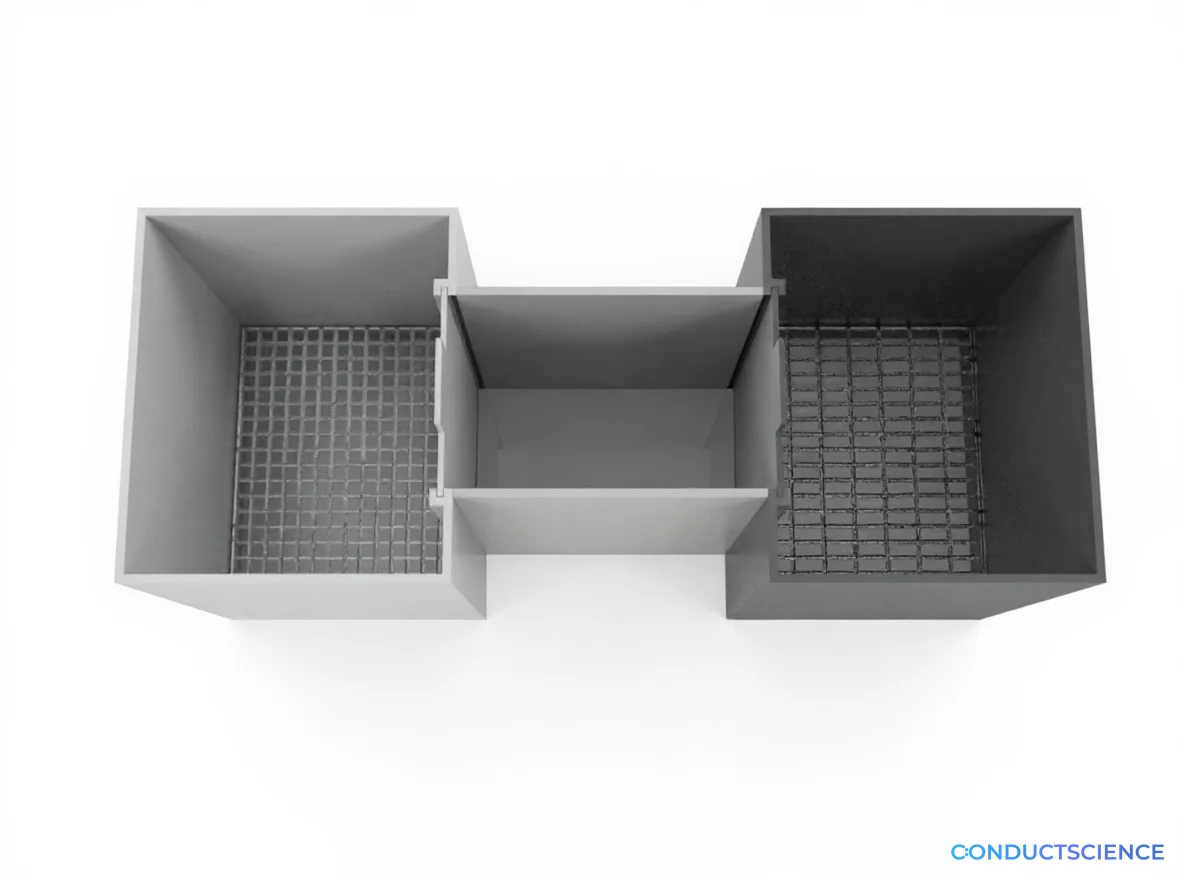
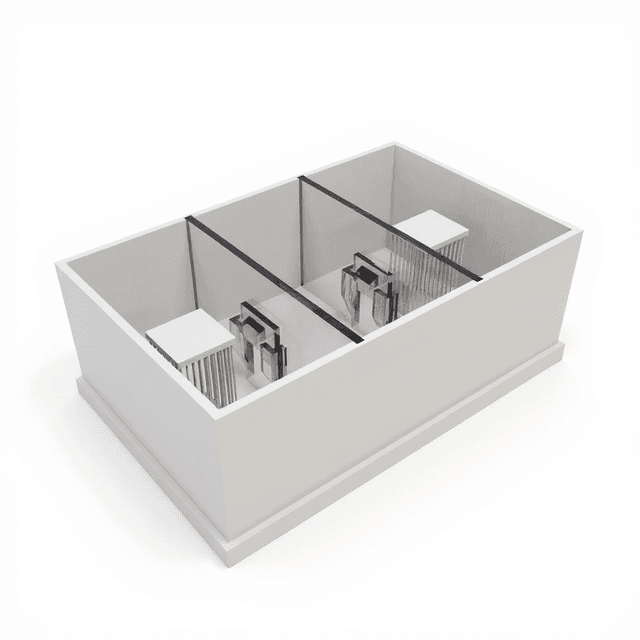
The Conditioned Place Preference Bardo 1984 is a behavioral testing apparatus designed for studying associative learning, reward processing, and place conditioning in laboratory animals. This system enables researchers to assess an animal's preference for environmental contexts that have been paired with rewarding or aversive stimuli, providing quantitative measures of motivational and affective states.
The apparatus consists of distinct compartments with different visual, tactile, or olfactory cues, allowing researchers to condition animals to associate specific environments with drug treatments, social interactions, or other experimental manipuli. Data collection typically involves measuring time spent in each compartment during test sessions, providing objective assessment of learned preferences and aversions.
How It Works
The Conditioned Place Preference paradigm operates on principles of classical conditioning, where environmental contexts serve as conditioned stimuli that become associated with unconditioned stimuli such as drug effects, social interactions, or other biologically relevant experiences. During conditioning sessions, animals are confined to specific compartments while receiving treatments, establishing associative memories between environmental cues and stimulus effects.
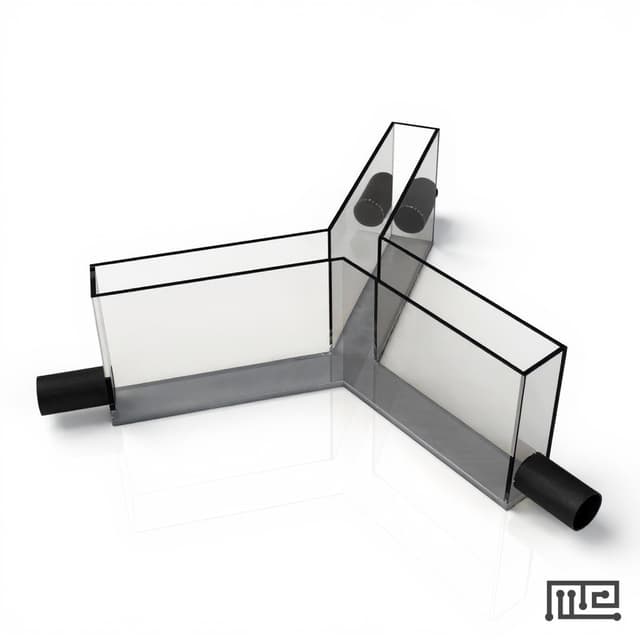
The apparatus typically features two or more distinct compartments differentiated by visual patterns, floor textures, lighting conditions, or other sensory modalities. These contextual differences ensure that animals can discriminate between environments and form specific place-stimulus associations. During test sessions, animals have free access to all compartments, and their spontaneous exploration patterns reflect the strength and valence of conditioned associations.
Data analysis focuses on time allocation across compartments, with increased time in treatment-paired environments indicating positive conditioning and decreased time suggesting aversive associations. The magnitude of preference shifts provides quantitative measures of conditioning strength and can be analyzed using preference scores or difference measures between pre- and post-conditioning sessions.
Features & Benefits
Multiple distinct compartments
Enables clear environmental discrimination and robust place conditioning through differentiated contextual cues
Removable compartment dividers
Allows flexible experimental design with controlled access during conditioning and free exploration during testing
Standardized dimensions
Provides consistent spatial parameters for reproducible behavioral measurements across studies and laboratories
Interchangeable environmental cues
Supports varied experimental designs by allowing modification of visual, tactile, or spatial conditioning stimuli
Transparent observation access
Facilitates behavioral monitoring and video recording without disturbing animal behavior during testing sessions
Easy cleaning protocols
Maintains consistent olfactory conditions between subjects and prevents cross-contamination of environmental cues
Behavioral Construct
- Place preference
- Associative learning
- Reward processing
- Conditioned behavior
- Environmental conditioning
Automation Level
- manual
Research Domain
- Addiction Research
- Anxiety and Depression
- Behavioral Pharmacology
- Learning and Memory
- Neuroscience
- Pain Research
Species
- Mouse
- Rat
Compatible Tracking Software
- ConductVision
Shipping weight
- 6.06 lb
Shipping box
- L: 65.0 cm
- W: 36.0 cm
- H: 27.0 cm
| Feature | This Product | Typical Alternative | Advantage |
|---|---|---|---|
| Compartment Configuration | Consult product datasheet for specific compartment arrangement | Basic systems often provide only two-compartment designs | Multiple compartments allow for more complex experimental designs and neutral zones for unbiased preference assessment |
| Environmental Cue Options | Consult product datasheet for available cue configurations | Entry-level models may offer limited cue modification options | Flexible cue arrangements support diverse conditioning protocols and experimental requirements |
| Construction Materials | Consult product datasheet for material specifications | Lower-cost alternatives may use less durable materials | Robust construction ensures consistent environmental conditions and long-term experimental reliability |
| Size Specifications | Consult product datasheet for exact dimensions | Varies by model and intended species | Appropriate sizing ensures natural exploration behaviors while maintaining effective spatial conditioning |
This apparatus provides the fundamental components required for conditioned place preference studies with established design principles from behavioral neuroscience research. Specific technical specifications should be confirmed from detailed product documentation.
Neuroscience
Investigating neural mechanisms of reward processing and memory formation by measuring place preferences following drug or stimulus conditioning.
Behavioral Pharmacology
Evaluating rewarding or aversive properties of pharmaceutical compounds by assessing conditioned place preferences in preclinical models.
Addiction Research
Studying drug-seeking behaviors and relapse vulnerability by measuring preference for environments previously associated with drug administration.
Learning and Memory
Examining associative learning mechanisms and memory consolidation through paradigms that pair environmental contexts with biologically significant stimuli.
Anxiety and Depression
Assessing anhedonic behaviors and motivational deficits by measuring preferences for environments associated with natural rewards.
Pain Research
Evaluating analgesic efficacy by measuring preference for environments associated with pain relief treatments.
Practical Tips
Calibration
Validate compartment discrimination by conducting pilot sessions with naive animals to confirm absence of inherent environmental preferences.
Why: Inherent preferences can confound conditioning effects and reduce experimental validity
Maintenance
Inspect compartment dividers and environmental cues regularly for wear or damage that could alter contextual discrimination.
Why: Consistent environmental cues are essential for reliable conditioning and reproducible results
Best Practices
Counterbalance treatment-compartment assignments across subjects to control for any residual environmental preferences.
Why: Counterbalancing eliminates systematic bias from subtle environmental differences between compartments
Data Quality
Record ambient conditions (temperature, humidity, lighting) during sessions as potential confounding variables.
Why: Environmental stability ensures that behavioral changes reflect conditioning rather than testing conditions
Troubleshooting
If animals show excessive freezing behavior, reduce environmental novelty and allow longer habituation periods.
Why: Stress-related behaviors can interfere with natural exploration and preference expression
Safety
Ensure all compartment edges are smooth and secure to prevent injury during active exploration behaviors.
Why: Animal welfare requires elimination of potential injury risks during extended behavioral sessions
Setup Guide
Unpack and Inspect
Remove apparatus from packaging and inspect all components for damage during shipping. Verify that all compartment dividers, doors, and measurement components are included.
Assembly and Positioning
Assemble compartments according to manufacturer instructions and position apparatus in a quiet testing room with consistent lighting and minimal external distractions.
Environmental Calibration
Configure distinct environmental cues for each compartment, ensuring adequate discrimination between contexts while maintaining consistent overall apparatus conditions.
Baseline Testing
Conduct pre-conditioning sessions to establish baseline preferences and identify any inherent bias toward specific compartments in naive animals.
Conditioning Protocol
Implement conditioning sessions by confining animals to designated compartments during treatment administration, following established protocols for session duration and frequency.
Test Session Execution
Allow free access to all compartments during test sessions while recording time allocation and movement patterns for subsequent preference analysis.
Data Collection
Document session parameters, environmental conditions, and behavioral observations to ensure reproducible experimental conditions across testing days.
What’s in the Box
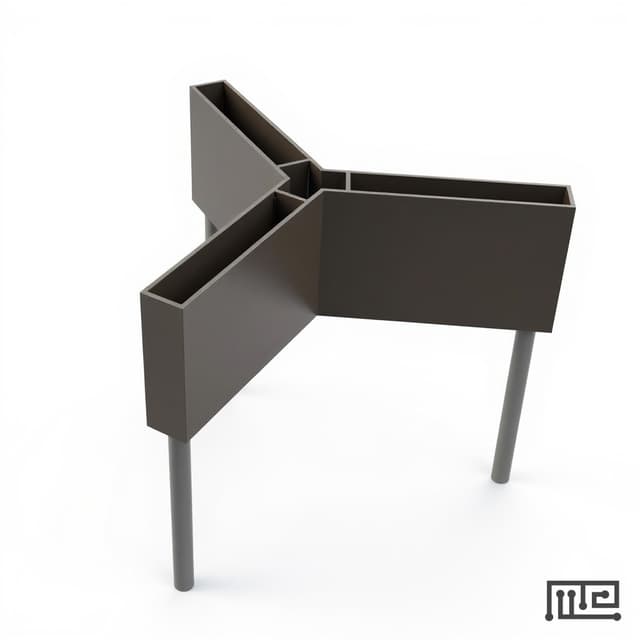
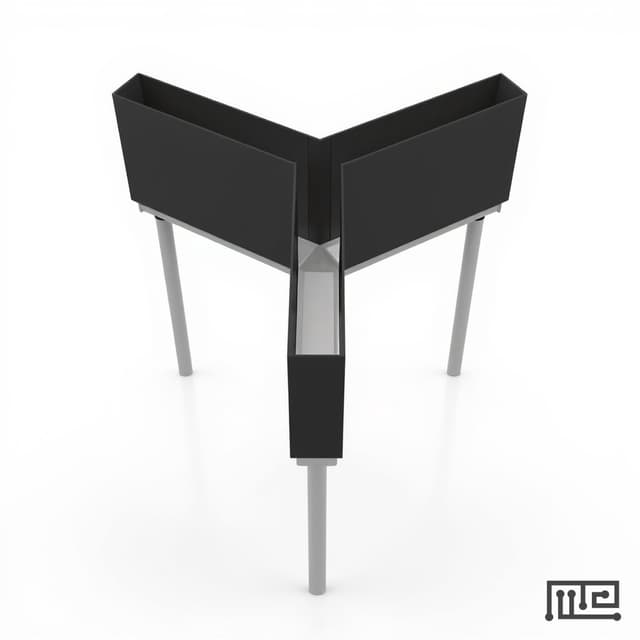
- Main apparatus with compartment assembly (typical)
- Removable divider panels (typical)
- Environmental cue inserts (typical)
- Assembly hardware (typical)
- User manual and protocol guidelines (typical)
- Cleaning and maintenance instructions (typical)
Warranty
ConductScience provides standard manufacturer warranty coverage with technical support for setup and operational guidance.
Compliance
IACUC GuidelinesSupports behavioral studies conducted under institutional animal care protocols requiring standardized testing environments
NIH Guidelines for Animal ResearchCommonly used in federally funded research programs requiring validated behavioral assessment methodologies
Q
What is the optimal conditioning session duration for establishing robust place preferences?
A
Conditioning session duration typically ranges from 15-45 minutes depending on the conditioning stimulus and species, with most protocols using 20-30 minute sessions to balance conditioning strength with animal welfare considerations.
Q
How many conditioning sessions are required for reliable preference establishment?
A
Most protocols employ 3-8 conditioning sessions alternating between compartments, with the specific number depending on stimulus strength, animal strain, and experimental requirements for conditioning robustness.
Q
What environmental cues provide optimal compartment discrimination?
A
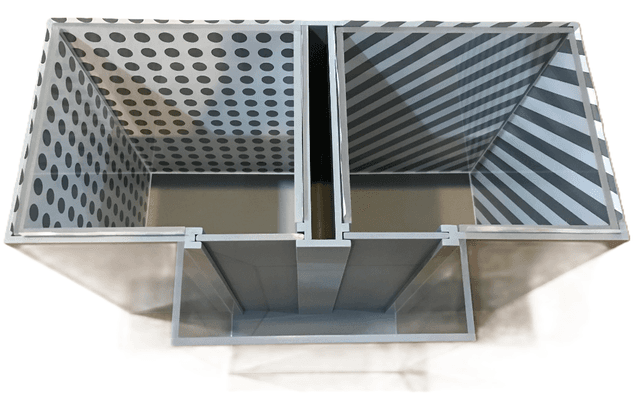
Effective discrimination typically combines visual patterns (stripes vs. dots), tactile cues (smooth vs. textured flooring), and spatial arrangements while avoiding overly aversive stimuli that could create inherent preferences.
Q
How should baseline preferences be assessed and controlled?
A
Pre-conditioning sessions should document initial time allocation across compartments, with animals showing strong inherent bias (>65% time in one compartment) typically excluded or counterbalanced in experimental design.
Q
What data collection parameters are most informative for preference analysis?
A
Primary measures include total time in each compartment, number of entries, and latency to first entry, with preference scores calculated as difference between post- and pre-conditioning time allocation.
Q
How can apparatus cleaning protocols prevent olfactory confounds?
A
Thorough cleaning between subjects using appropriate disinfectants removes scent marks, while allowing adequate ventilation time ensures consistent olfactory conditions across testing sessions.
Have a question about this product?
Track rodents with ConductVision
ConductVision is our video-tracking software. Record your sessions on video, and it scores standard rodent tests, such as those listed below.
Examples of tests it scores
To check whether ConductVision scores your protocol in this apparatus, ask in your quote request.
Ask a question
Have a question? Just ask.
Send it over and we'll email you a personalized answer — no call, no scheduling.
Personalized email reply
Usually within one business day
Helpful answers published here
Prefer to talk it through?
Accessories
Enhance your setup with compatible accessories
Total: $0.00
Frequently Bought Together
+
+
Total: $9,780.00

Conditioned Place Preference Bardo 1984
$1,830.00
Added to quoteView Quote