ConductScience Serological Pipettes 1mL, Sterile (Bulk 15-Pack)
$42.00 per unit | 15 units per pack Bulk pricing: Bulk 15-Pack at $630.00 ($42.00 per unit)

Louise Corscadden, PhD
Director of Science · ConductScience
Ask Louise about ConductScience Serological Pipettes 1mL, Sterile (Bulk 15-Pack) fit, setup, configuration, or quote prep.
Already working with us? Sign in to connect this with My Scientist.
Key Specifications
Full details →- Model fit
- Configured during quote
- SKU family
- CS-SP-1ML-200
- Shipping box
- 30.0 x 5.0 x 5.0 cm
- Ordering
- Online checkout and quote request available
- Category
- Cell Culture
- Build notes
- Confirm accessories, station layout, and support needs before purchase
ConductScience 1mL serological pipettes are precision-graduated polystyrene pipettes designed for accurate liquid handling in cell culture and laboratory applications. These sterile pipettes are individually wrapped and sterilized via electron beam irradiation, ensuring complete sterility without pyrogenic contamination. Each pipette is manufactured to be DNase and RNase-free, protecting sensitive biological samples from nuclease contamination that could compromise experimental results.
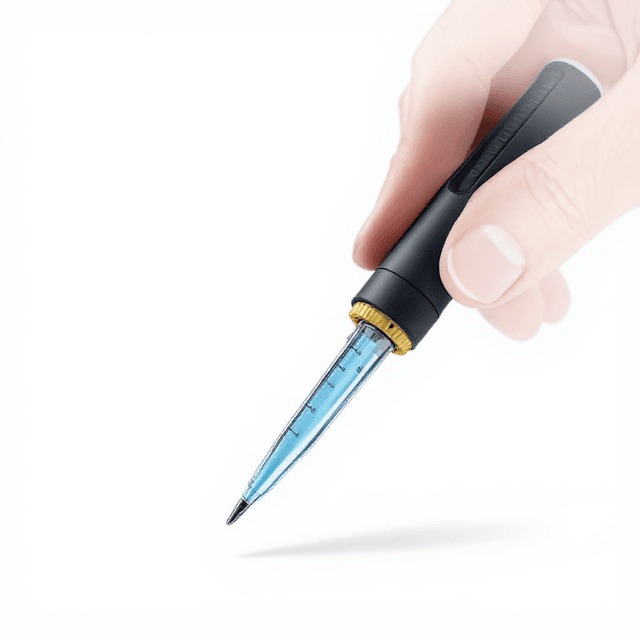
The yellow color-coded band provides immediate visual identification of the 1mL volume capacity, reducing selection errors in multi-pipette workflows. The graduated markings allow for precise volumetric measurements and dispensing, critical for protocols requiring accurate reagent additions, cell suspensions, and media transfers. These disposable pipettes eliminate cross-contamination risks between samples and reduce preparation time compared to glass pipettes requiring sterilization.
How It Works
Serological pipettes operate on the principle of precise volumetric measurement through graduated markings calibrated to deliver accurate liquid volumes. The polystyrene construction provides excellent optical clarity for meniscus reading while maintaining chemical compatibility with most aqueous solutions and biological media. The pipette's internal diameter and graduated scale are manufactured to tight tolerances, enabling accurate volume measurements when used with proper pipetting technique.
E-beam sterilization penetrates the polystyrene material to eliminate all viable microorganisms without chemical residues or heat damage that could affect the pipette's physical properties. This sterilization method ensures the pipettes remain DNase and RNase-free by inactivating these enzymes through radiation-induced molecular damage. The sterile barrier packaging maintains sterility until the moment of use, critical for aseptic cell culture procedures.
Features & Benefits
Automation Level
- manual
Research Domain
- Cancer Research
- Cell Biology
- Cell Culture
- Clinical Diagnostics
- Developmental Biology
- Immunology
- Microbiology
- Pharmaceutical QC
Shipping weight
- 0.66 lb
Shipping box
- L: 30.0 cm
- W: 5.0 cm
- H: 5.0 cm
| Feature | This Product | Typical Alternative | Advantage |
|---|---|---|---|
| Sterilization Method | E-beam sterilized | Gamma irradiation or ETO sterilization methods are common | E-beam sterilization provides complete sterility without chemical residues that could affect sensitive cell cultures. |
| Nuclease Contamination | DNase/RNase-free certified | Not all disposable pipettes guarantee nuclease-free status | Essential protection for molecular biology applications where nucleic acid integrity must be maintained. |
| Pyrogenic Status | Non-pyrogenic design | Standard pipettes may not specify pyrogenic status | Critical for cell culture applications where endotoxin contamination could trigger unwanted cellular responses. |
| Volume Identification | Yellow color-coded band | Many pipettes rely only on printed volume markings | Visual color coding reduces selection errors in laboratories using multiple pipette sizes simultaneously. |
| Packaging | Individually wrapped sterile packaging | Bulk packaging in sterile sleeves is common for economy lines | Individual packaging maintains sterility of unused pipettes and enables convenient single-pipette access. |
These pipettes combine E-beam sterilization with DNase/RNase-free and non-pyrogenic specifications, making them well-suited for sensitive cell culture and molecular biology applications. The yellow color-coding and individual sterile packaging add practical benefits for laboratory workflow efficiency and contamination control.
Practical Tips
Prime the pipette by drawing up and expelling a small volume of the solution before making your final measurement.
Why: Wetting the internal surfaces ensures consistent liquid delivery and improves measurement accuracy.
Hold the pipette vertically when reading the meniscus and position your eye at the same level as the liquid surface.
Why: Parallax errors from angled viewing can significantly affect volume measurement accuracy.
Never pipette by mouth and always use a mechanical pipette controller or bulb.
Why: Prevents exposure to potentially hazardous biological materials and maintains aseptic technique.
Allow adequate drainage time when dispensing viscous solutions or when working at the pipette's maximum capacity.
Why: Incomplete drainage leads to systematic volume errors that affect experimental reproducibility.
Inspect the pipette tip for damage before use and discard any pipettes with chips or cracks.
Why: Damaged tips can affect accuracy and may compromise sterility or sample integrity.
Minimize the time between opening sterile packaging and use, especially in non-sterile environments.
Why: Extended exposure to air can compromise sterility through airborne contamination.
If liquid consistently adheres to the pipette walls, check for static charge buildup or consider using anti-static measures.
Why: Static electricity can cause inaccurate delivery volumes and affect reproducibility between measurements.
Setup Guide
What’s in the Box
- 200 individually wrapped 1mL serological pipettes
- Sterile packaging maintaining individual pipette sterility (typical)
- Product documentation and certificates (typical)
Warranty
ConductScience provides standard manufacturer warranty coverage against defects in materials and workmanship, with technical support available for product performance questions and application guidance.
Compliance
References
Background reading relevant to this product:
What sterilization method is used and how does it affect the pipette material?
E-beam sterilization is used, which penetrates the polystyrene without leaving chemical residues or causing heat damage that could affect the pipette's physical properties or optical clarity.
Are these pipettes compatible with organic solvents commonly used in cell culture?
Polystyrene construction provides good compatibility with aqueous solutions and most biological media, but consult the chemical compatibility chart for specific organic solvents as polystyrene may be affected by certain compounds.
How should these pipettes be stored to maintain sterility?
Store in original packaging in a clean, dry environment away from direct sunlight. Individual sterile wrapping maintains sterility until the package is opened.
What accuracy can I expect from these graduated markings?
Accuracy specifications depend on proper technique and environmental conditions. Consult the product datasheet for specific accuracy tolerances and calibration information.
Can these pipettes be autoclaved for reuse?
These are single-use disposable pipettes designed for disposal after use. Polystyrene construction is not suitable for autoclave sterilization temperatures.
How do I ensure accurate volume measurement with serological pipettes?
Read the meniscus at eye level, ensure the pipette is held vertically, allow proper drainage time, and prime the pipette with the solution being measured for best accuracy.
What's the difference between these and volumetric pipettes?
Serological pipettes have graduations along their length for variable volume measurement, while volumetric pipettes are designed for a single, highly accurate volume measurement.
Have a question about this product?
Have a question? Just ask.
Send it over and we'll email you a personalized answer — no call, no scheduling.
Prefer to talk it through?
Upgrade Options
Related Products