ConductVision
$1,490 per yearA 5-year license is $3,990 in total.
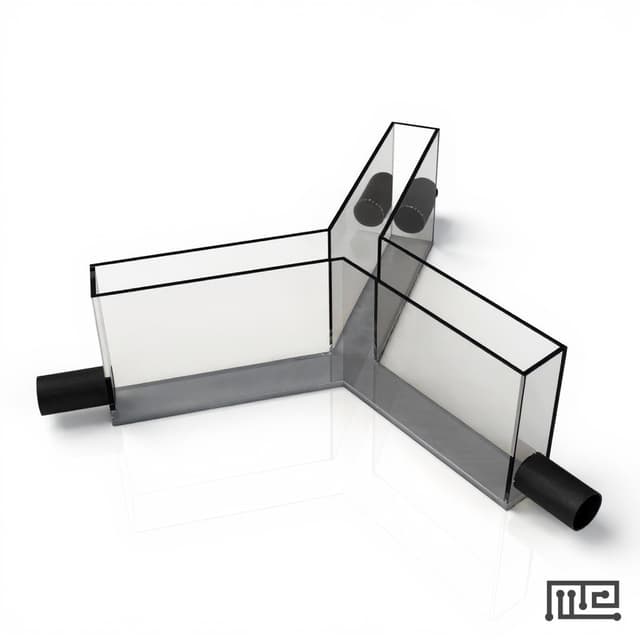
The same license also scores standard tests such as the open field, the elevated plus maze, the Y-maze and the Morris water maze. Results export as CSV files.

Wireless sensor-based running wheel for locomotor activity and circadian rhythm monitoring in IVC-housed laboratory mice.
Supports up to 16 wheels per module (64 per computer), 3 AAA batteries included, removable wheel surface for cleaning, compatible with ConductVision software.

Director of Science · ConductScience
Ask Louise about Low-Profile Wireless Running Wheel fit, setup, configuration, or quote prep.
Already working with us? Sign in to connect this with My Scientist.
The Low-Profile Wireless Running Wheel is a sensor-based locomotor activity monitoring system purpose-built for use in individually ventilated cages (IVCs). Engineered to fit most standard ventilated mouse rack cages without modification, the system transmits wheel revolution data wirelessly to a connected computer — eliminating cables and fully supporting freely moving, instrumented, or tethered subjects.
Each module tracks up to 16 wheels simultaneously, with four modules linkable to a single computer for colony-scale circadian rhythm and locomotion studies. The low-profile housing and detachable wheel surface minimize disruption to cage workflows and allow straightforward cleaning between subjects.
Voluntary exercise quantification, circadian rhythm profiling, locomotor activity monitoring, metabolic research, neuropharmacology, behavioral pharmacology, aging research, and motor function assessment in mice.
The system employs sensor-based technology to detect and quantify wheel revolutions through electromagnetic or optical sensing mechanisms. When a mouse runs on the wheel, each revolution triggers the sensor, which wirelessly transmits rotation data to the monitoring module. The sensor system provides precise temporal resolution of running activity, capturing both the frequency and duration of exercise bouts.
Data from up to 16 wheels per module are processed and transmitted to computer-based analysis software, which can differentiate between individual cages and compile comprehensive activity profiles. The wireless transmission eliminates mechanical connections that could interfere with natural behavior or complicate cage management in ventilated rack systems.
| Add-on | Price | Details |
|---|---|---|
| Low-Profile Wireless Running Wheel | $1,090 | - |
| Software | $1,290 | Data analysis, including running data: Wheel Revolutions: Each complete rotation of the wheel is recorded, providing a direct measure of activity levels. Time- |
Add any of these to your quote request.
| Feature | This Product | Typical Alternative | Advantage |
|---|---|---|---|
| Wheels per Module | 16 wheels per module | Entry-level systems often monitor fewer wheels per module | Enables efficient data collection from larger experimental groups without requiring multiple monitoring systems |
| Power Source | Battery-powered (3 AAA batteries) | Many systems require external power connections | Eliminates power cable management and maintains flexibility in cage rack positioning |
| Cage Integration | Compatible with standard ventilated mouse rack cages | Some systems require specialized cage configurations | Integrates with existing facility infrastructure without requiring cage system modifications |
| Maintenance Requirements | Nearly maintenance-free operation | Mechanical systems often require regular calibration and component replacement | Reduces operational overhead and minimizes experimental disruption during long-term studies |
| Cleaning Design | Detachable wheel surface from plastic support base | Fixed wheel assemblies complicate cleaning procedures | Facilitates rapid disinfection protocols between subjects and reduces cross-contamination risk |
This system offers high-capacity wireless monitoring with minimal maintenance requirements and standard cage compatibility. The battery-powered design and detachable components facilitate both large-scale studies and routine laboratory protocols.
Perform manual wheel rotation tests before introducing animals to verify sensor detection accuracy.
Why: Ensures proper data collection from the start of experimental protocols.
Monitor battery levels regularly and replace batteries during cage change procedures to minimize animal handling.
Why: Prevents data loss during critical experimental periods and reduces experimental disruption.
Allow animals 3-7 days of baseline recording before experimental manipulation to establish individual activity patterns.
Why: Provides proper controls for detecting treatment-induced changes in locomotor behavior.
Verify wheel rotation moves freely without binding or resistance before each experimental session.
Why: Mechanical resistance can artificially reduce activity measurements and affect behavioral interpretation.
If wheel activity appears abnormally low, check sensor alignment and battery status before concluding behavioral changes.
Why: Technical issues can mimic experimental effects and lead to incorrect data interpretation.
Inspect wheel surface regularly for wear or damage that could injure animals during running.
Why: Maintains animal welfare standards and prevents artifacts from discomfort-related behavioral changes.
Coordinate data collection schedules with facility light cycles to capture complete circadian activity patterns.
Why: Ensures comprehensive assessment of both diurnal and nocturnal activity components.
ConductScience provides standard one-year manufacturer warranty covering defects in materials and workmanship, with technical support for software installation and system configuration.
What is the temporal resolution for detecting wheel revolutions?
The sensor-based system provides real-time detection of individual wheel revolutions. Consult product datasheet for specific sampling rates and data logging intervals.
How long do the batteries typically last during continuous monitoring?
Battery life depends on data transmission frequency and sensor activity. The system is designed for extended operation periods, but consult product specifications for typical operational duration with standard AAA batteries.
Can the system distinguish between different types of wheel activity?
The system counts wheel revolutions but does not differentiate between running speeds or movement patterns. Data analysis software may provide options for interpreting activity bout characteristics.
What cage dimensions are required for proper wheel installation?
The low-profile design fits standard ventilated mouse rack cages. Consult product datasheet for specific dimensional requirements and clearance specifications.
How is data transmitted from multiple wheels to the computer system?
Each module wirelessly transmits data from up to 16 wheels to the computer system. The specific transmission protocol and range specifications should be verified in the technical documentation.
What sterilization methods are compatible with the plastic construction?
The plastic construction typically accommodates standard laboratory sterilization methods including autoclaving and chemical disinfection. Verify specific temperature and chemical compatibility in the product specifications.
Can the system be used with tethered or instrumented animals?
Yes, the wireless design eliminates cable connections that could interfere with tethering systems or instrumentation leads, making it suitable for animals with implanted devices or physiological monitoring equipment.
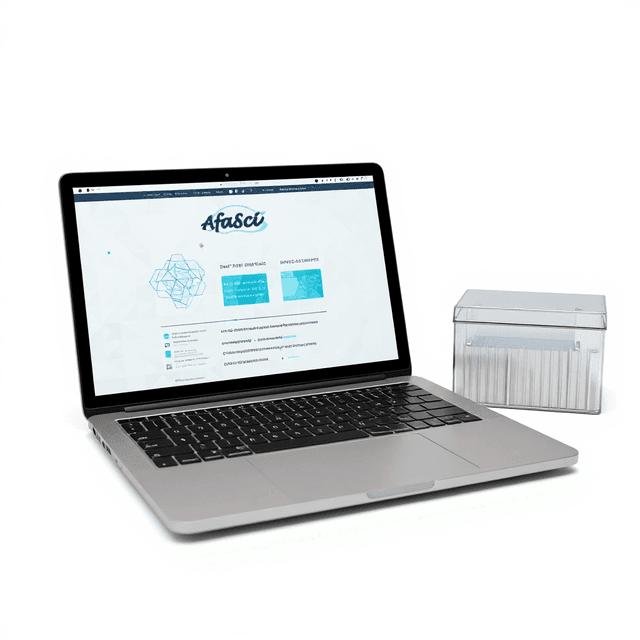
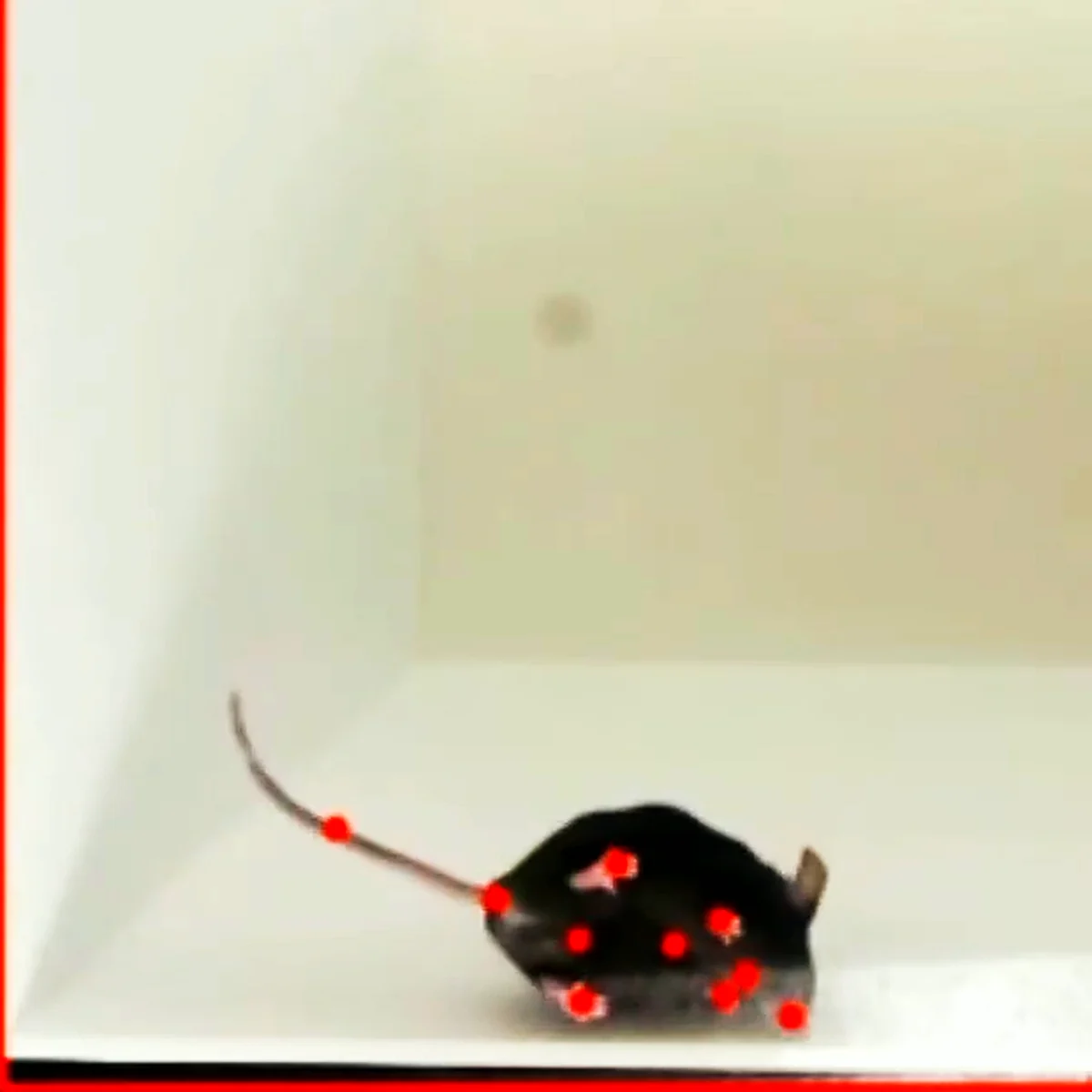
ConductVision is our video-tracking software. Record your sessions on video, and it reports the measures listed below.
A 5-year license is $3,990 in total.
The same license also scores standard tests such as the open field, the elevated plus maze, the Y-maze and the Morris water maze. Results export as CSV files.
Send it over and we'll email you a personalized answer — no call, no scheduling.
Prefer to talk it through?