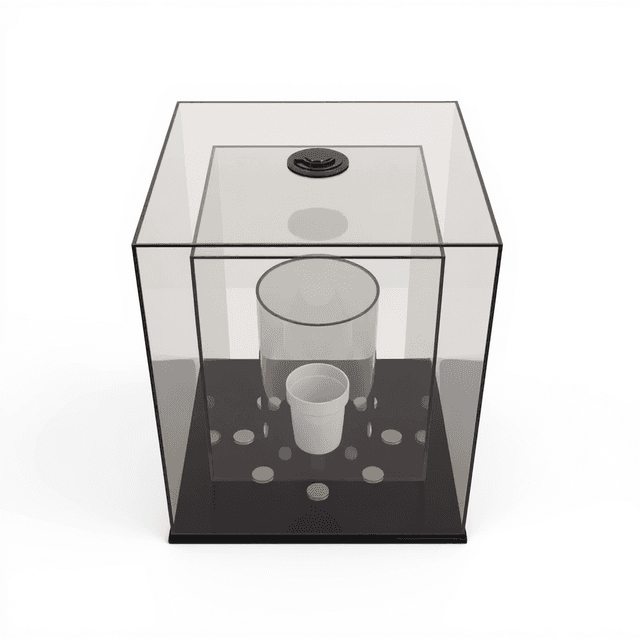
Mosquito Olfactory Apparatus
Specialized behavioral testing apparatus for evaluating olfactory responses and chemical preferences in mosquitoes and small arthropods under controlled laboratory conditions.

Louise Corscadden, PhD
Director of Science · ConductScience
Ask Louise about Mosquito Olfactory Apparatus fit, setup, configuration, or quote prep.
Already working with us? Sign in to connect this with My Scientist.
Key Specifications
Full details →- Model fit
- Configured during quote
- SKU family
- CS-958174
- Shipping box
- 65.0 x 36.0 x 27.0 cm
- Ordering
- Online checkout and quote request available
- Category
- Behavioral Mazes
- Build notes
- Confirm accessories, station layout, and support needs before purchase
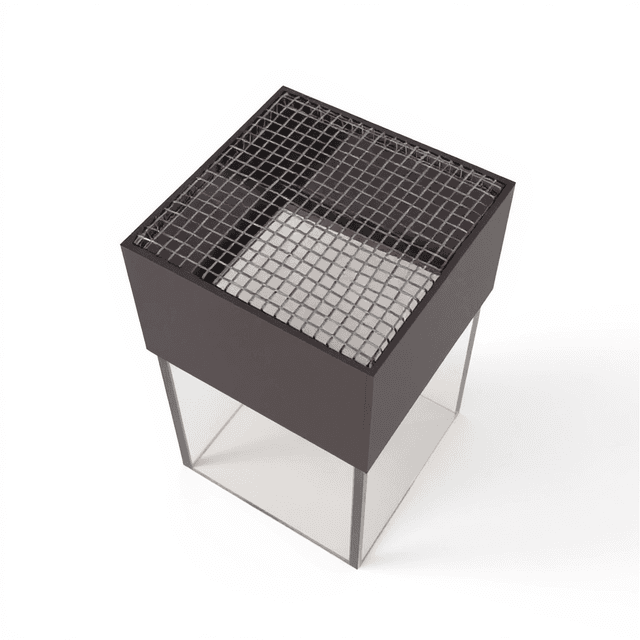
The Mosquito Olfactory Apparatus is a specialized behavioral testing system designed to assess olfactory responses and preferences in mosquitoes and other small arthropods. This apparatus enables controlled presentation of chemical stimuli to evaluate attraction, repulsion, and behavioral responses critical for vector biology research and chemical ecology studies.
The system provides a controlled environment for examining mosquito behavior in response to various odorants, including host-seeking cues, repellents, and pheromones. Researchers can quantify behavioral parameters such as flight patterns, landing frequency, and time spent in stimulus zones to characterize olfactory-mediated behaviors essential for understanding vector-host interactions and developing targeted control strategies.
How It Works
The Mosquito Olfactory Apparatus operates on principles of controlled chemical stimulus delivery and behavioral observation. The system creates distinct odor zones within a testing chamber, allowing mosquitoes to freely choose between different chemical environments while their movements and preferences are recorded.
Odorant compounds are delivered through controlled airflow systems that maintain consistent concentration gradients across the testing arena. Mosquito behavior is monitored through direct observation or video tracking, with researchers measuring parameters such as time spent in each zone, flight patterns, and contact frequency with stimulus sources. The controlled environment eliminates confounding factors while preserving natural behavioral responses.
Data collection focuses on quantifiable behavioral endpoints including preference indices, response latency, and duration of exposure to specific chemical stimuli. This approach enables statistical analysis of olfactory-mediated behaviors and supports dose-response characterization of test compounds.
Features & Benefits
Automation Level
- manual
Research Domain
- Environmental Monitoring
- Pharmaceutical QC
Compatible Tracking Software
- ConductVision
Shipping weight
- 6.06 lb
Shipping box
- L: 65.0 cm
- W: 36.0 cm
- H: 27.0 cm
| Feature | This Product | Typical Alternative | Advantage |
|---|---|---|---|
| Environmental Control | Integrated environmental monitoring and control capabilities | Basic chambers often lack integrated environmental control systems | Ensures consistent testing conditions critical for reproducible behavioral data |
| Chamber Design | Modular testing chamber with multiple stimulus zones | Simple two-choice chambers with limited configuration options | Enables complex experimental designs and comparative testing protocols |
| Airflow Management | Controlled airflow delivery system | Passive diffusion systems with limited control | Maintains consistent odorant gradients and prevents cross-contamination |
| Observation Access | Multiple observation access points | Limited viewing angles in basic chambers | Facilitates comprehensive behavioral monitoring without subject disturbance |
This apparatus provides enhanced environmental control and modular design capabilities compared to basic olfactory testing chambers. The integrated airflow management and multiple observation points support more sophisticated experimental protocols than simple choice chambers.
Practical Tips
Test airflow patterns with neutral tracers before introducing experimental odorants to verify proper circulation.
Why: Ensures even stimulus distribution and prevents dead zones that could bias behavioral responses.
Clean all surfaces with appropriate solvents between experiments and allow complete ventilation before next use.
Why: Prevents odorant carryover effects that could confound subsequent behavioral measurements.
Acclimate mosquitoes to the testing environment for 15-30 minutes before stimulus presentation.
Why: Reduces stress-related behaviors that could interfere with normal olfactory responses.
Record environmental conditions throughout each experiment and include in data analysis.
Why: Temperature and humidity variations can significantly affect mosquito activity and olfactory sensitivity.
Monitor mosquito activity levels using control experiments with known attractive stimuli.
Why: Verifies that test subjects are responsive and experimental conditions are appropriate.
Use appropriate containment measures when working with disease vector species.
Why: Prevents accidental release of potentially harmful mosquito species during behavioral testing.
Setup Guide
What’s in the Box
- Main testing chamber assembly (typical)
- Airflow delivery system components (typical)
- Stimulus reservoir holders (typical)
- Environmental monitoring sensors (typical)
- Assembly hardware and connectors (typical)
- User manual and setup guide (typical)
- Calibration reference materials (typical)
Warranty
ConductScience provides a one-year manufacturer warranty covering defects in materials and workmanship, with technical support available for setup and operational guidance.
Compliance
What mosquito species and life stages can be tested in this apparatus?
The apparatus accommodates adult mosquitoes of various species. Specific size constraints and recommendations for different species should be verified in the technical specifications.
How is stimulus concentration controlled and validated?
Stimulus delivery relies on controlled airflow systems with regulated odorant release. Concentration validation requires separate analytical methods such as gas chromatography.
What environmental parameters can be controlled during testing?
The system provides environmental control capabilities, with specific ranges for temperature, humidity, and airflow detailed in the product datasheet.
How many mosquitoes can be tested simultaneously?
Testing capacity depends on experimental design and chamber configuration. Consult product specifications for recommended numbers per test condition.
What data collection methods are supported?
The apparatus supports direct behavioral observation and video recording. Data analysis requires separate software for behavioral scoring and statistical analysis.
How is cross-contamination prevented between experiments?
The system includes features for easy cleaning and chamber ventilation. Proper cleaning protocols and equilibration periods are essential between different odorants.
What types of odorant delivery methods are compatible?
The apparatus accommodates various stimulus delivery approaches. Specific compatibility with different odorant formulations should be verified based on experimental requirements.
Have a question about this product?
Have a question? Just ask.
Send it over and we'll email you a personalized answer — no call, no scheduling.
Prefer to talk it through?
Accessories
Enhance your setup with compatible accessories

Frequently Bought Together