
1 / 3
Sociability Chamber Optogenetics Modification
SKU CS-958213
$18,999.99
IncludesStandard care
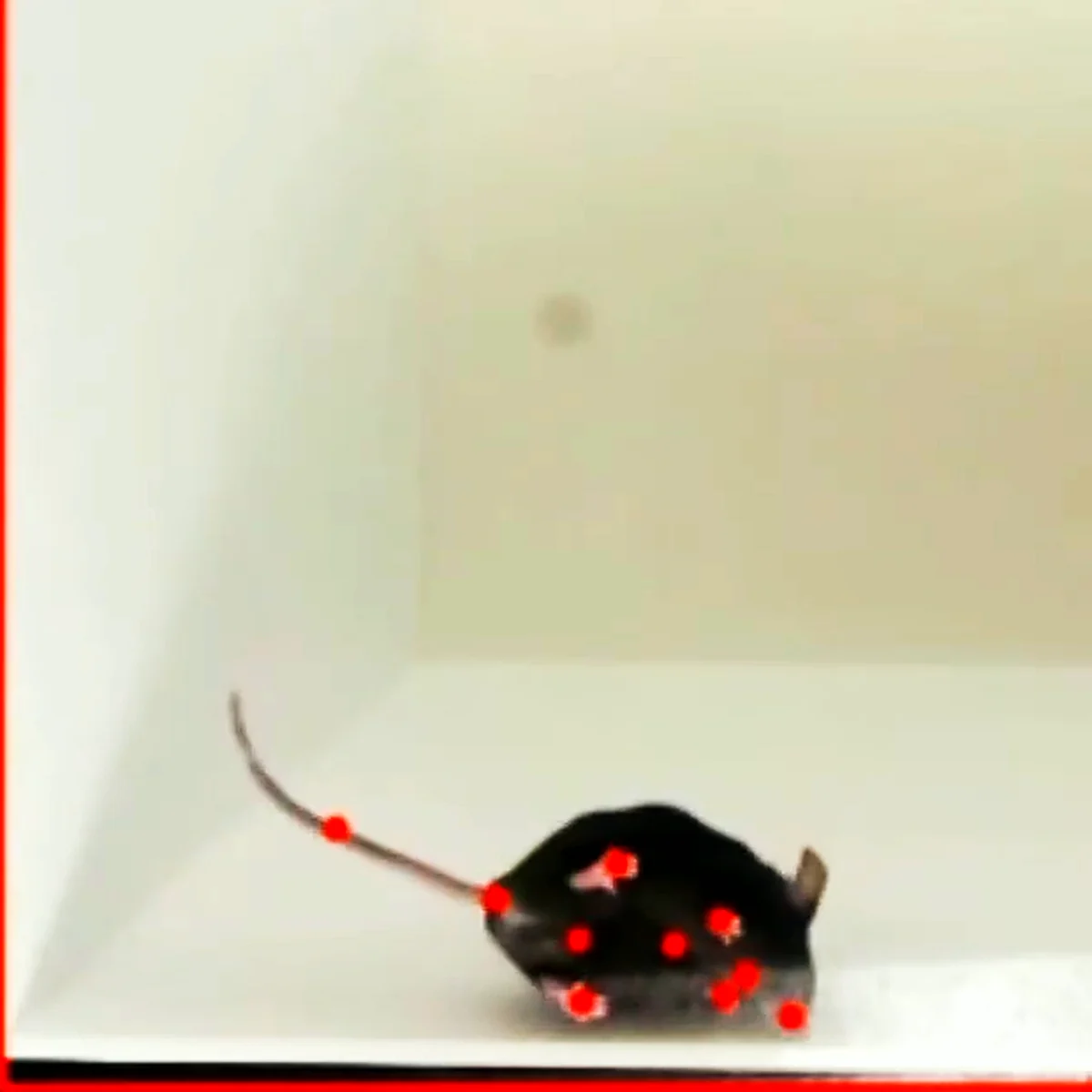
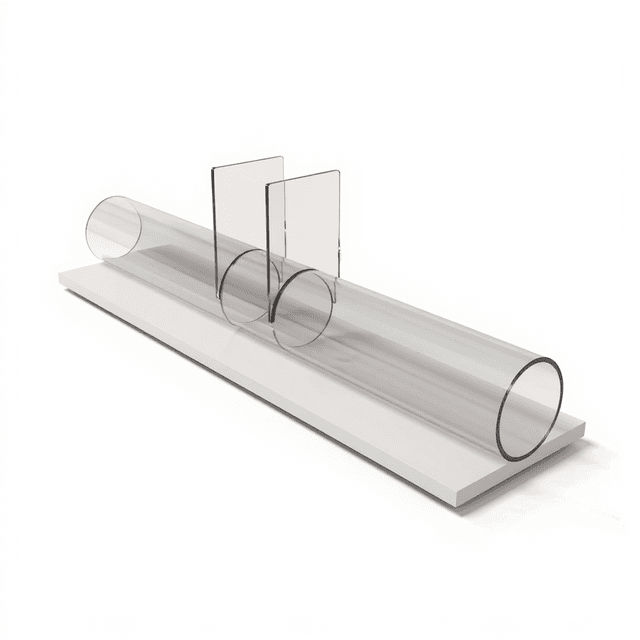
Specialized behavioral apparatus combining social behavior testing with optogenetic manipulation capabilities for investigating neural circuits underlying social interaction in laboratory animals.
Scientist guidance

Louise Corscadden, PhD
Director of Science · ConductScience
Ask Louise about Sociability Chamber Optogenetics Modification fit, setup, configuration, or quote prep.
Already working with us? Sign in to connect this with My Scientist.
Key Specifications
Full details →- Model fit
- Mouse, Rat
- SKU family
- CS-958213
- Shipping box
- 65.0 x 36.0 x 27.0 cm
- Ordering
- Online checkout and quote request available
- Category
- Behavioral Mazes
- Build notes
- Confirm accessories, station layout, and support needs before purchase
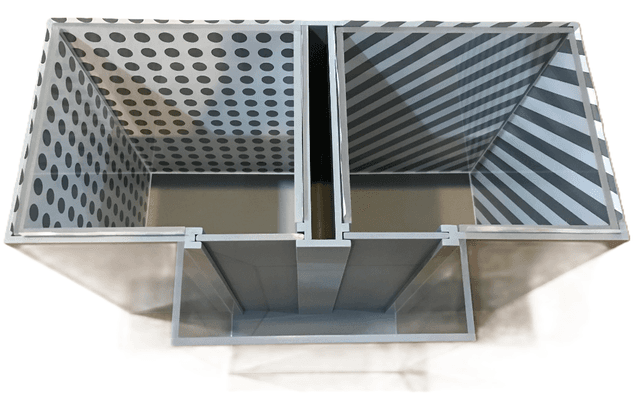
The Sociability Chamber Optogenetics Modification is a specialized apparatus designed for investigating social behavior in laboratory animals through precise optogenetic manipulation. This system enables researchers to examine the neural circuits underlying social interaction by delivering controlled light stimulation to genetically modified neurons during social behavior paradigms.
The apparatus provides a controlled environment for studying social preference, social recognition, and social approach behaviors while simultaneously allowing optogenetic activation or inhibition of specific neural populations. This integration of behavioral testing with optogenetic control offers researchers the ability to establish causal relationships between neural activity and social behaviors in real-time.
How It Works
The system operates by combining traditional sociability chamber methodology with optogenetic technology. The apparatus provides a controlled environment where test animals can interact with conspecifics or novel objects while receiving precise light delivery to genetically modified neurons expressing light-sensitive proteins such as channelrhodopsin or halorhodopsin.
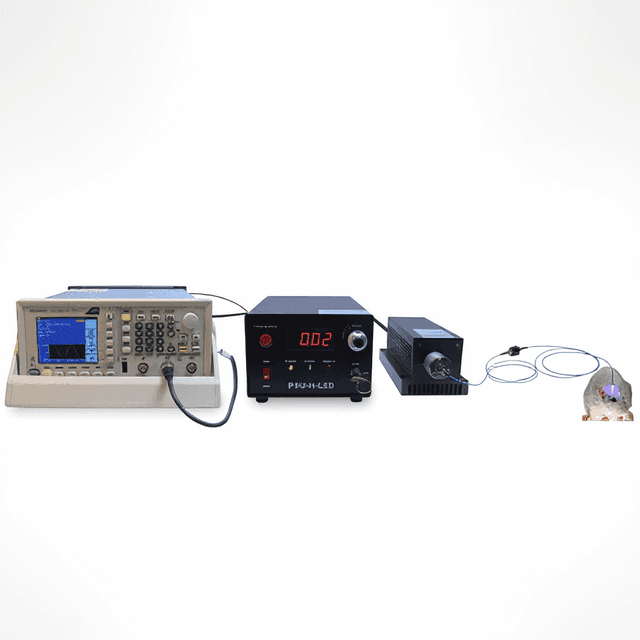
Light delivery is achieved through fiber optic systems that connect to implanted optical fibers in the animal's brain. When specific wavelengths of light are delivered, they activate or inhibit targeted neural populations expressing the appropriate opsins. This allows researchers to manipulate neural activity in real-time during social behavior paradigms, enabling the examination of causal relationships between neural circuit activity and behavioral outcomes.
The behavioral component follows established sociability testing protocols, measuring parameters such as time spent in social zones, interaction frequency, and approach behaviors, while the optogenetic component provides temporal precision in neural manipulation with millisecond accuracy.
Features & Benefits
Integrated optogenetic delivery system
Enables precise temporal control of neural activity during social behavior testing for establishing causal relationships between circuits and behavior
Standardized sociability chamber design
Provides consistent environmental conditions for reliable measurement of social preference and interaction behaviors
Real-time behavioral monitoring
Allows immediate assessment of behavioral changes in response to optogenetic manipulation during experiments
Multiple stimulation protocols
Supports various optogenetic paradigms including continuous, pulsed, and behaviorally-triggered light delivery
Synchronized data acquisition
Coordinates behavioral measurements with optogenetic stimulation timing for precise temporal analysis
Modular optical configuration
Accommodates different fiber optic setups and light sources for various experimental requirements
Standardized behavioral protocols
Ensures reproducible social behavior measurements compatible with established research methodologies
Behavioral Construct
- Social Preference
- Social Recognition
- Social Approach
- Social Interaction
- Social Memory
Automation Level
- semi-automated
Research Domain
- Anxiety and Depression
- Behavioral Pharmacology
- Learning and Memory
- Neuroscience
- Social Behavior
Species
- Mouse
- Rat
Compatible Tracking Software
- ConductVision
Shipping weight
- 6.06 lb
Shipping box
- L: 65.0 cm
- W: 36.0 cm
- H: 27.0 cm
| Feature | This Product | Typical Alternative | Advantage |
|---|---|---|---|
| Integration Level | Fully integrated optogenetic and behavioral systems | Separate behavioral chambers requiring custom optogenetic modifications | Eliminates synchronization issues and reduces setup complexity for combined experiments. |
| Behavioral Protocols | Standardized sociability testing protocols | Generic chambers requiring custom behavioral protocol development | Provides validated social behavior paradigms with established normative data. |
| Temporal Precision | Millisecond-accurate stimulation timing | Manual or less precise timing control systems | Enables investigation of rapid neural dynamics during social behavior with precise temporal control. |
| Data Synchronization | Automated behavioral and optogenetic data alignment | Manual post-hoc synchronization of separate data streams | Reduces analysis time and eliminates synchronization errors in temporal data analysis. |
The system provides integrated optogenetic and behavioral testing capabilities with precise temporal control and automated data synchronization. The standardized design offers validated social behavior protocols while supporting flexible optogenetic manipulation paradigms for investigating neural circuit function.
Neuroscience
Investigating the role of specific neural circuits in social behavior by optogenetically manipulating neuronal activity during social interaction tasks.
Behavioral Pharmacology
Examining how pharmacological interventions combined with optogenetic manipulation affect social behavior patterns and neural circuit function.
Social Behavior
Studying social preference, social recognition, and approach behaviors while controlling the activity of genetically identified neural populations.
Learning and Memory
Assessing the formation and retrieval of social memories through targeted optogenetic manipulation of memory-related neural circuits.
Anxiety and Depression
Evaluating the neural basis of social withdrawal and social anxiety by manipulating anxiety-related neural pathways during social behavior testing.
Autism Research
Modeling social communication deficits and testing the effects of circuit-specific interventions on social behavior phenotypes.
Practical Tips
Calibration
Calibrate light power output at fiber tips before each experimental session to ensure consistent optogenetic stimulation across animals.
Why: Light power can drift over time and varies with fiber coupling efficiency, affecting experimental reproducibility.
Maintenance
Clean fiber optic connectors with appropriate cleaning solutions and inspect for damage after each use.
Why: Contaminated or damaged fibers can reduce light transmission efficiency and compromise optogenetic effectiveness.
Best Practices
Allow animals to habituate to the chamber environment and tethering systems before beginning experimental protocols.
Why: Habituation reduces stress-related behavioral artifacts that could confound social behavior measurements.
Data Quality
Verify proper synchronization between behavioral tracking and optogenetic stimulation timing using test protocols.
Why: Temporal alignment errors can lead to incorrect conclusions about the relationship between neural manipulation and behavior.
Troubleshooting
Check fiber implant positioning and light transmission if optogenetic effects are inconsistent across animals.
Why: Improper fiber placement or damaged implants are common sources of variability in optogenetic experiments.
Safety
Use appropriate eye protection when working with LED light sources and verify power levels are within safe ranges for tissue.
Why: High-power light sources can cause eye damage and excessive tissue heating can damage neural tissue.
Setup Guide
Unpack and Inspect Components
Remove all components from packaging and verify chamber integrity, optical hardware, and behavioral testing accessories are included and undamaged.
Install Optical System
Mount the fiber optic delivery system and LED light sources according to the configuration requirements for your specific optogenetic protocol.
Chamber Assembly
Assemble the behavioral chamber components and ensure proper alignment of social interaction zones with optical delivery points.
Connect Control Systems
Connect the optogenetic control hardware to behavioral monitoring software and verify communication between systems.
Calibrate Light Output
Measure and calibrate light power output at fiber tips to ensure consistent optogenetic stimulation parameters across experiments.
Test Integration
Run a complete system test to verify synchronization between behavioral protocols and optogenetic stimulation timing.
Baseline Validation
Conduct control experiments to establish baseline social behaviors and verify system performance before beginning experimental protocols.
What’s in the Box
- Behavioral chamber assembly (typical)
- Optogenetic light delivery system (typical)
- Fiber optic components (typical)
- Control software (typical)
- Mounting hardware (typical)
- User manual (typical)
- Calibration tools (typical)
Warranty
ConductScience provides a standard one-year manufacturer warranty covering defects in materials and workmanship, with technical support available for setup and operational questions.
Compliance
IACUC GuidelinesSupports research protocols requiring approval for combined behavioral testing and optogenetic procedures in laboratory animals.
NIH Guidelines for Research Involving Recombinant DNAUsed in studies involving genetically modified animals expressing optogenetic constructs under federal oversight requirements.
Q
What wavelengths of light does the system support for optogenetic stimulation?
A
Consult the product datasheet for specific wavelength specifications and LED options compatible with common opsins like channelrhodopsin and halorhodopsin.
Q
How is light power calibrated and maintained across experiments?
A
The system includes calibration tools for measuring light output at fiber tips, ensuring consistent power delivery parameters throughout experimental sessions.
Q
Can the system accommodate bilateral optogenetic stimulation?
A
The modular optical configuration supports multiple fiber configurations including bilateral stimulation setups, depending on experimental requirements.
Q
What behavioral parameters are automatically measured?
A
The system monitors standard sociability metrics including time in social zones, interaction frequency, and approach behaviors, synchronized with optogenetic stimulation timing.
Q
Is the system compatible with existing optogenetic hardware?
A
The apparatus is designed to integrate with standard optogenetic equipment, though specific compatibility should be verified based on your existing setup.
Q
How precise is the temporal control of light delivery?
A
The system provides millisecond precision timing for optogenetic stimulation, suitable for investigating rapid neural circuit dynamics during behavior.
Q
What data formats are supported for behavioral analysis?
A
Consult the product datasheet for specific data output formats and compatibility with common behavioral analysis software packages.
Have a question about this product?
Track rodents with ConductVision
ConductVision is our video-tracking software. Record your sessions on video, and it scores standard rodent tests, such as those listed below.
Examples of tests it scores
To check whether ConductVision scores your protocol in this apparatus, ask in your quote request.
Ask a question
Have a question? Just ask.
Send it over and we'll email you a personalized answer — no call, no scheduling.
Personalized email reply
Usually within one business day
Helpful answers published here
Prefer to talk it through?
Accessories
Enhance your setup with compatible accessories

Total: $0.00
Frequently Bought Together
Total: $10,783.99

Sociability Chamber Optogenetics Modification
$18,999.99
Added to quoteView Quote
