1 / 3
Sociobox
SKU ME-31002
$1,990.00
IncludesStandard care
Compartmentalized circular arena system for evaluating social behavior, recognition, and preference in rodents through controlled interaction chambers.
CE MarkedBAA available
Scientist guidance

Louise Corscadden, PhD
Director of Science · ConductScience
Ask Louise about Sociobox fit, setup, configuration, or quote prep.
Already working with us? Sign in to connect this with My Scientist.
Key Specifications
Full details →- Model fit
- Mouse, Rat
- SKU family
- ME-31001/31002
- Sizing
- Mouse: Outer ring diameter 56 cm · Inner ring diameter 34 cm; Rat: Outer ring diameter 75 cm · Inner ring diameter 45 cm
- Ordering
- Online checkout and quote request available
- Category
- Behavioral Mazes
- Build notes
- white plastic
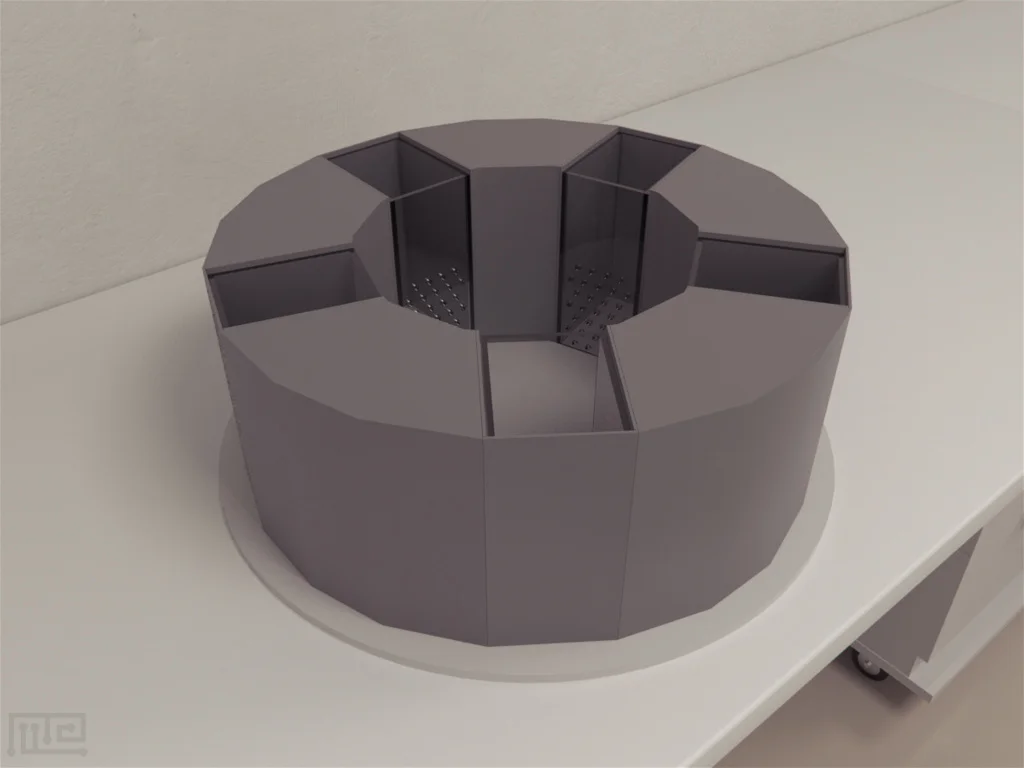
The SocioBox is a compartmentalized behavioral apparatus designed for evaluating social functioning and recognition in rodents. The system consists of a circular arena with removable insert chambers featuring multiple interaction holes, enabling controlled assessment of social behavior patterns. This apparatus provides researchers with a standardized platform for investigating social cognition, recognition memory, and preference behaviors in mouse and rat models.
The modular design incorporates five insert chambers positioned around a central arena, with species-specific dimensions optimized for natural exploration behaviors. Each insert features 31 precisely positioned holes (0.8-1.0 cm diameter) that permit controlled social interaction while maintaining spatial separation. The system includes a white circular partition for habituation phases and supports video tracking protocols for quantitative behavioral analysis.
How It Works
The SocioBox operates on the principle of spatial social choice, utilizing compartmentalized chambers to control stimulus presentation while allowing natural investigative behaviors. The circular design eliminates corner preferences and provides equal access to all interaction zones. Test subjects explore the central arena freely while stimulus animals are confined to perimeter chambers, creating controlled social gradients for behavioral assessment.
Social investigation is quantified through direct observation or video analysis of approach behaviors, chamber preference, and interaction duration. The multiple hole configuration in each insert allows for natural social behaviors including visual, olfactory, and limited tactile investigation while preventing direct physical contact. The white partition system enables staged protocols where initial habituation precedes social stimulus introduction.
Behavioral measures typically include total investigation time per chamber, first approach latency, and chamber preference indices. The standardized geometry ensures consistent stimulus presentation across trials while the modular chamber system allows for flexible experimental designs including novel-familiar discrimination and multi-choice preference paradigms.
Features & Benefits
Species-specific sizing with mouse (56 cm outer diameter) and rat (75 cm outer diameter) configurations
Accommodates natural exploration behaviors and locomotion patterns for both mouse and rat studies without compromising spatial preferences
Five removable insert chambers with 31 interaction holes each
Enables multiple stimulus presentation paradigms while providing standardized social interaction opportunities across all chambers
Central arena diameter of 34-46 cm with circular partition system
Eliminates corner preferences and provides controlled habituation phases for reduced stress responses during social testing
Gray acrylic construction with clear front panels on inserts
Provides visual stimulus presentation while maintaining neutral coloration that minimizes apparatus-induced behavioral artifacts
Standardized hole diameters (0.8-1.0 cm) optimized for species size
Permits natural investigation behaviors including whisker contact and partial body insertion while preventing escape or injury
Modular chamber design with removable components
Facilitates thorough cleaning between subjects and allows protocol flexibility for various social paradigm configurations
Compatible with overhead video tracking at 130 cm camera height
Supports automated behavioral analysis and quantitative measurement of social approach patterns and chamber preferences
Sizes by model
| Measurement | Mouse | Rat |
|---|---|---|
| Outer ring diameter | 56 cm | 75 cm |
| Inner ring diameter | 34 cm | 45 cm |
| Insert width | 8.5 cm | 11 cm |
| Insert length | 11.5 cm | 15 cm |
| Insert height | 20.5 cm | 27 cm |
| Diameter for social | 0.8 cm | 1 cm |
| Diameter | 19 cm | 25 cm |
| Height | 18 cm | 24 cm |
- Insert: Maze color, with front clear. 31 holes of interaction
- White circular partition for initiation stage
- Mouse: Height of the inserts: 20.5cm
- Rat: Height of the inserts: 27 cm
Central Arena Diameter
- 34 cm to 46 cm
Outer Ring Diameter
- 56 cm to 75 cm
Number of Inserts
- 5
Insert Dimensions Small
- 8.5 cm x 11.5 cm x 20.5 cm
Insert Dimensions Large
- 11 cm x 15 cm x 27 cm
Holes per Insert
- 31
Hole Diameter
- 0.8 cm to 1 cm
Circular Partition Diameter
- 19 cm to 25 cm
Circular Partition Height
- 18 cm to 24 cm
Circular Partition Material
- white plastic
Camera Height Recommendation
- 130 cm above apparatus
Lighting Conditions
- 10-15 lux
Test Session Duration
- 10 minutes
Habituation Duration
- 3 days prior to task
Behavioral Construct
- social recognition
- social preference
- social approach
- social investigation
- social memory
- sociability
Automation Level
- semi-automated
Material
- gray acrylic
Color
- gray
Research Domain
- Anxiety and Depression
- Behavioral Pharmacology
- Developmental Biology
- Learning and Memory
- Neuroscience
- Social Behavior
Compatible Tracking Software
- ConductVision
Shipping weight
- 21.0 lb
Shipping box
- L: 43.2 cm
- W: 38.0 cm
- H: 27.9 cm
| Feature | This Product | Typical Alternative | Advantage |
|---|---|---|---|
| Number of Interaction Chambers | Five removable insert chambers | Most social preference apparatus offer three chambers or simple two-choice designs | Enables more complex social choice paradigms and reduces position bias effects in behavioral measurements |
| Interaction Hole Configuration | 31 holes per chamber with species-specific diameters (0.8-1.0 cm) | Basic systems often feature fewer interaction points or simple wire mesh barriers | Provides multiple standardized interaction opportunities while maintaining precise stimulus control |
| Arena Geometry | Circular design with 34-46 cm central arena diameter | Rectangular chambers with corner effects and variable access patterns | Eliminates corner preferences and ensures equidistant access to all social stimuli |
| Species Accommodation | Dedicated mouse (56 cm) and rat (75 cm) configurations with appropriate chamber scaling | One-size-fits-all designs that may not optimize natural behaviors for different species | Accommodates species-appropriate locomotion and exploration patterns for both mice and rats |
| Habituation System | Integrated white circular partition for controlled stimulus introduction | Limited habituation options or manual stimulus placement procedures | Enables standardized habituation protocols that reduce stress artifacts in social behavior measurements |
| Construction Material | Gray acrylic with clear front panels for visual stimulus presentation | Varies by model, often opaque materials or inconsistent visual access | Provides optimal visual stimulus presentation while maintaining neutral coloration that minimizes behavioral artifacts |
The SocioBox distinguishes itself through its five-chamber circular design that eliminates spatial biases while providing multiple social choice options. The modular insert system with standardized interaction holes offers experimental flexibility while maintaining precise stimulus control across different social paradigms.
| Model | Size | SKU | Listed price | Status | Shipping box |
|---|---|---|---|---|---|
| Mouse | Outer ring diameter 56 cm · Inner ring diameter 34 cm · Insert width 8.5 cm · Insert length 11.5 cm | ME-31001 | $1,790.00 | Available | 43.2 x 38.0 x 27.9 cm |
| Rat | Outer ring diameter 75 cm · Inner ring diameter 45 cm · Insert width 11 cm · Insert length 15 cm | ME-31002 | $1,990.00 | Available | 43.2 x 38.0 x 27.9 cm |
Neuroscience
Assessing social recognition deficits in mouse models of autism spectrum disorders by measuring preference for familiar versus novel conspecifics in controlled chamber environments.
Behavioral Pharmacology
Evaluating the effects of anxiolytic or antipsychotic compounds on social approach behaviors by comparing interaction patterns before and after drug administration.
Learning and Memory
Measuring social recognition memory by testing subject preference for familiar versus unfamiliar conspecifics after defined delay intervals.
Social Behavior
Quantifying social preference behaviors in rodent models by analyzing time spent investigating different stimulus animals placed in separate chambers.
Anxiety and Depression
Evaluating social withdrawal behaviors characteristic of depression models by measuring reduced interaction time with novel conspecifics.
Developmental Biology
Tracking the ontogeny of social behaviors by assessing age-dependent changes in social investigation patterns across juvenile to adult stages.
Practical Tips
Calibration
Establish baseline exploration patterns during the 3-day habituation period by recording empty apparatus exploration to identify individual subject preferences.
Why: Individual exploration biases can be factored into social preference calculations for more accurate behavioral interpretation.
Maintenance
Clean all surfaces with ethanol solution between subjects and inspect interaction holes for debris that could obstruct natural investigation behaviors.
Why: Olfactory contamination between subjects can create false preference patterns and debris reduces stimulus accessibility.
Best Practices
Position stimulus animals in chambers 5-10 minutes before introducing test subjects to allow acclimation and reduce stress-related artifacts.
Why: Stressed stimulus animals exhibit altered behaviors that can confound social preference measurements and reduce experimental validity.
Data Quality
Record both approach frequency and duration measurements as some subjects show brief frequent approaches while others demonstrate sustained investigation patterns.
Why: Different investigation strategies can indicate distinct aspects of social motivation and recognition that single measures might miss.
Troubleshooting
If subjects show extreme neophobia, extend habituation to 5 days and consider using familiar bedding material in the central arena during initial sessions.
Why: Excessive anxiety can completely suppress social behaviors and prevent meaningful social preference assessment.
Best Practices
Maintain consistent ambient temperature (22-24°C) and minimize external noise during testing sessions to reduce environmental stress factors.
Why: Environmental stressors can suppress social behaviors and increase variability in behavioral measurements across subjects.
Safety
Monitor stimulus animals for signs of distress during extended chamber confinement and provide regular breaks between test sessions.
Why: Stressed stimulus animals may exhibit aggressive or withdrawal behaviors that alter natural social interaction patterns.
Setup Guide
Unpack and Inspect Components
Remove the circular arena, five insert chambers, and white partition from packaging. Verify all components are present and undamaged, checking that insert holes are clear of debris.
Position Apparatus in Testing Room
Place the assembled SocioBox on a stable surface in a quiet testing environment with 10-15 lux lighting conditions. Ensure adequate space for video camera positioning 130 cm above the apparatus.
Install Insert Chambers
Position the five insert chambers evenly around the outer ring, ensuring proper alignment with the central arena openings. Verify each insert is securely seated and chamber doors function properly.
Configure Video Recording System
Mount the overhead camera at the recommended 130 cm height and adjust the field of view to capture the entire apparatus. Test video recording and ensure adequate lighting uniformity across the arena.
Establish Baseline Conditions
Clean all surfaces with ethanol solution and allow complete drying. Implement the 3-day habituation protocol by placing test subjects in the empty apparatus to establish baseline exploration patterns.
Prepare Stimulus Animals
Acclimate stimulus animals to the insert chambers prior to testing sessions. Ensure stimulus animals are age and strain-matched when experimental design requires controlled comparisons.
Initiate Testing Protocol
Begin 10-minute test sessions using the white partition for controlled stimulus presentation. Document all behavioral measures according to established scoring protocols.
What’s in the Box
- SocioBox circular arena (species-specific sizing)
- Five removable insert chambers with interaction holes
- White circular partition for habituation phase
- Assembly hardware and positioning guides
- User manual with protocol guidelines (typical)
Warranty
ConductScience provides a standard one-year manufacturer warranty covering defects in materials and workmanship, with technical support for protocol optimization and troubleshooting.
Compliance
IACUC Protocol RequirementsCommonly used in behavioral studies subject to institutional animal care and use committee oversight for social behavior research protocols.
NIH Guide for Care and Use of Laboratory AnimalsSupports behavioral testing workflows conducted in facilities following federal guidelines for laboratory animal research.
Protocol and background
Introduction
The SocioBox is a behavioral tool to gauge social function and recognition in animals. It is similar to The Sociability Chamber that measures subject’s interest in the new and unfamiliar object or animal. It produces robust assessment and measurement of social recognition deficits.
Sociobox was developed by Krueger-Burg et al. (2016). It consists of a circular chamber where the animal of interest (subject) is placed. The central arena is surrounded by an outer ring (inserts) of unfamiliar stimulus rodents. Both the subject and stimulus animals interact and exchange odor through tiny holes in the front panel of the inserts. The overhead camera records the movement and interaction time of the experiment rodent.
Apparatus & Equipment
The SocioBox is made of gray acrylic and consists of a central arena (diameter 34 cm – 46 cm).
The arena is surrounded by a ring of five inserts (diameter 56 – 75cm) – that can be taken out or adjusted clock- or anticlockwise. Each insert (dimensions 8.5cm x 11.5cm x 20.5cm & 11cm x 15cm x 27cm has 31 holes of 0.8cm – 1cm.
Each box is separated from the other by means of a divider. Within the central arena, there is a circular partition of white plastic (diameter 19-25cm; height 18-24cm) to separate the subject from the stimulus rodents.
Training Protocol
The apparatus is first cleaned with the running water or wet tissues, dried and cleaned again with 70% ethanol. It is washed again with tap water to remove ethanol odor and dried. The process is repeated after every experiment to remove debris and olfactory cues.
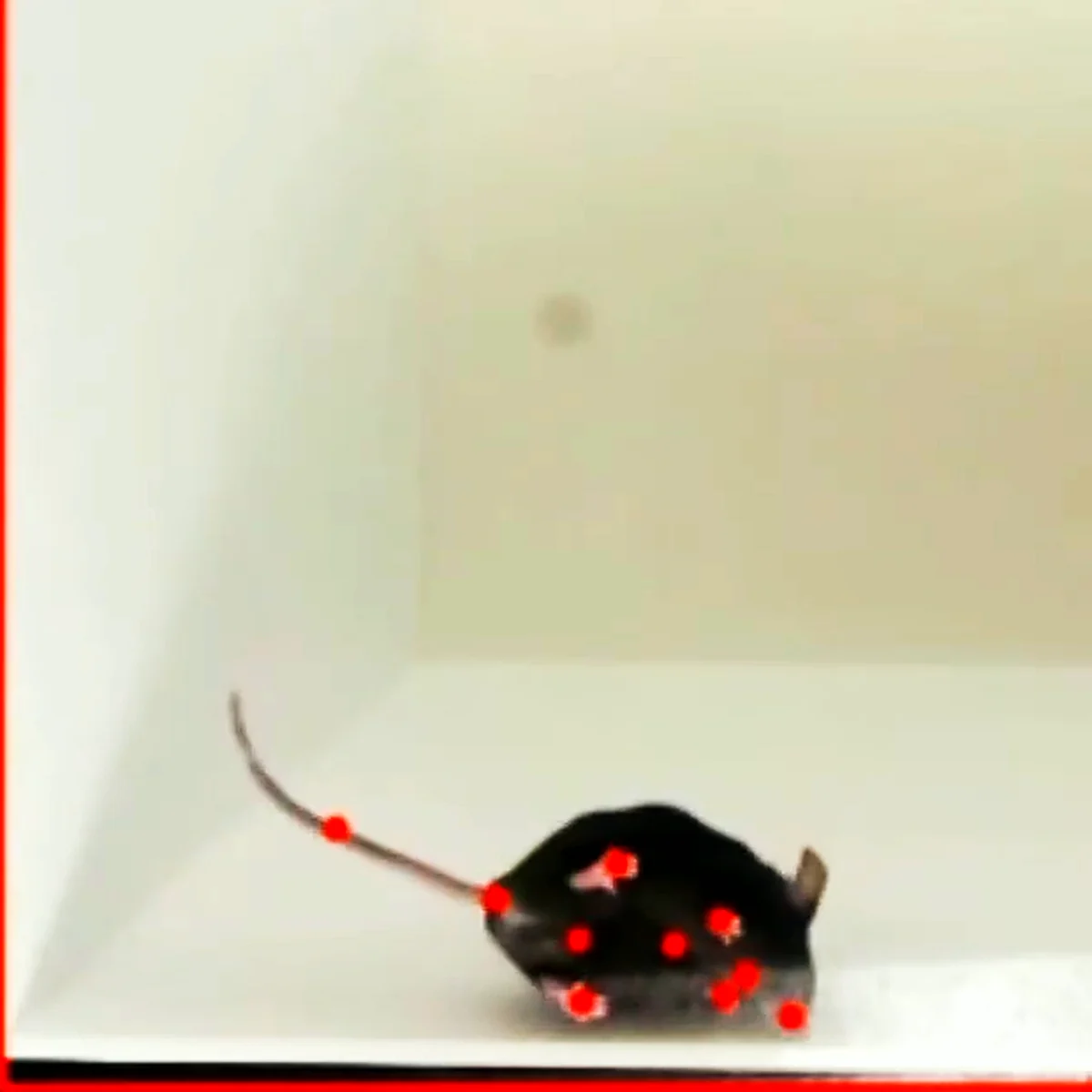
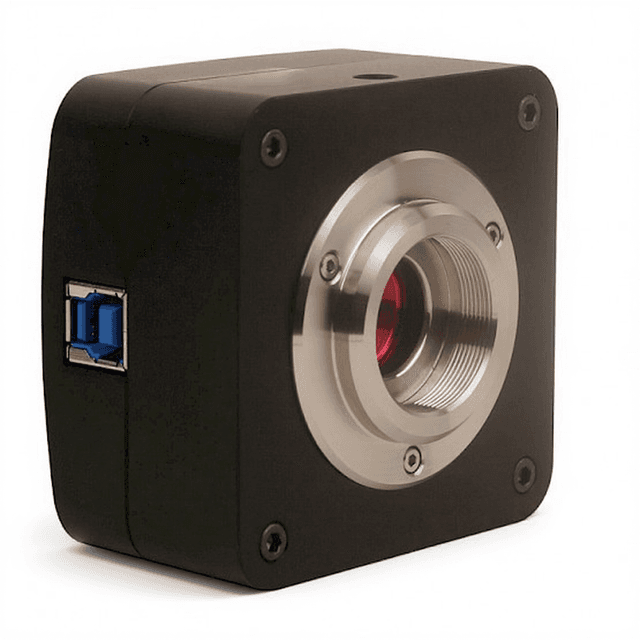
The overhead camera (Noldus Ethovision XT) is mounted approximately 130cm above the apparatus to record the animal mobility automatically.
The subjects are kept under normal condition in a separate room. However, exposure to light (10-15lux) for approximately 30 minutes is given just before the task in order to acclimate the animals to the light conditions in which the testing procedure is carried out.
Three days before the task, the subject and stimulus subjects are placed separately in the Sociobox without any food and water restriction in order to reduce the anxiety of the novel environment.
Then the subject is moved into the central arena and allowed to explore the paradigm for 10 minutes per day. At this stage, there is no stimulus animal in the inserts. After five minutes of exploration, the circular partition is removed to mimic the test situation.
The stimulus animals are habituated separately. Each stimulus animal is placed in the insert which is then inserted in the outer slot of the box. Pre-training consists of three habituation sessions per day with each session lasting for 10 minutes. The circular partition in the central arena is removed during the last five minutes of habituation to mimic the test session.
Task Protocol
The task involves placing stimulus rodents in the inserts and transferring the apparatus to the testing room, leaving behind just insert (6th insert) in the same light conditions. This insert is introduced in the recognition test phase.
The test session lasts for 10 minutes and consists of three phases: Exposure 1, Exposure 2, and the Recognition Test.
In Exposure 1, the subject is placed in the central arena and stimulus animals in the inserts. After five minutes, the circular partition is lifted to let the subject interact freely with the stimulus animals.
The subject is then removed from the arena and the apparatus cleaned in the prescribed manner.
In Exposure 2, the subject is placed back in the central arena for similar initiation and interaction as Exposure 1. After 10 minutes, it is removed, and the apparatus is cleaned.
At this stage, any insert is replaced with the 6th stimulus animal placed in the other room.
In the Recognition Test, the subject is returned to the circular partition and test is repeated.
The subject and stimulus animals are then returned to their home cages, and the apparatus is cleaned. It is important not to use any stimulus animal for more than three sessions in a row. This is likely to induce fatigue and social disinterest.
Evaluation of Psychiatric Disorders
Sociobox can be used to study psychiatric diseases such as autism and schizophrenia which lead to social withdraw and inability to build a social network. (Krueger-Burg et al., 2016)
Evaluation of Social Memory and Social Discrimination in Rodents
Macbeth, Edds, & Young (2009) showed that the test apparatus could be satisfactorily used to study the roles of the neuropeptides oxytocin and vasopressin in social recognition. Oxytocin and vasopressin play an important role in learning and short-term memory recall.
Evaluation of Gender-Specific Inherent Social Differences
Compared to males, female rodents are less able to distinguish between stimulus subjects and show recognition for the new animal (Miczek, Maxson, Fish, & Faccidomo, 2001). The gender differences in social behavior are interesting and worth pursuing.
Evaluation of social recognition
The main purpose of SocioBox is to test social recognition in the subjects. For this purpose, Krueger-Burg et al. (2016) selected healthy juvenile mice of 3-6 weeks old. In the circular behavioral chamber, the mouse of interest interacted freely with the unfamiliar mice held in rectangular inserts. The movement of the subject was recorded and the interaction time was calculated.
In the first part of the experiment, the experimental mouse exhibited remarkable interest in all stimulus mice, but the interest waned in the repeated exposure. Instead, it was seen spending more time with the new stimulus animal reflecting the ability to differentiate between the old and the new encounter. The researchers concluded that Sociobox could identify social recognition problems in animals and recognize the subtle disease-related changes.
Data Analysis
The subject behaviors are analyzed every 10 minutes. The following social behaviors are observed during the test:
- Social Interaction: In Exposure 1, the subject exhibits unmistakable interest in all stimulus rodents.
- Habituation: The interest dissipates during Exposure 2 as a result of habituation.
- Curiosity: During the Recognition Test, the subject spends even less time with the constant stimulus animals but shows a significantly increased interest in and amount of time spent with the new animals.
Social behaviors are scored as Social Recognition Index (SRI) by plotting a graph between the exposure of each subject animal and the interaction time (seconds).
Data analysis is done on the following parameters:
· Social Recognition Index
- Spatial Heat Map: Mean localization of animals in a given test
- Temporal Distance Heat Map: Distance of the subject from the point of origin in the first 5 minutes of each test phase
Strengths & Limitations
Strengths
The Sociobox is remarkably simple to assemble and use. The hard, shatter-resistant material allows for multiple implementations. It is portable and can easily be carried from one room to another.
The box is large enough to house a number of rodents at once. There is enough room for both the experimental as well as stimulus rodents to move around freely without feeling congested or huddled up.
The number of rectangular inserts (five) provides sufficient opportunity for social interaction, recognition, and discrimination.
The apparatus is easy to clean; requiring only water and ethanol as cleaning agents.
It is a highly reliable tool to identify and assess social recognition abnormalities, the hallmark of schizophrenia and autism, in rodent models. The findings of which can be later investigated in clinical studies.
Limitations
The Sociobox requires repeated cleaning, ie, after every exposure and interaction. A lack of proper cleaning can alter the results. The experimental and stimulus rodents exchange odor by touching or nose poking the tiny holes on the front slider of every insert. If the apparatus is not thoroughly cleaned, the olfactory molecules from the last interaction can linger therein distracting the rodent and confounding the performance and outcome.
Another limitation of the apparatus is that it requires the behavior of the subject to be assumed in advance, and based on this assumption, it defines zones of movements. If the movements of the subject do not match the assumption, the interaction time can be over- or underestimated.
Summary & Key Points
- The SocioBox is used to study the underlying mechanisms of social interaction disorders.
- Social interaction is fundamental for mental, physical and reproductive health.
- The Sociobox consists of a box with an outer and inner ring for stimulus and experimental rodents.
- It provides a robust and sensitive assessment of social interaction.
- The results are reproducible, consistent and reliable.
References
Besheer, J., & Bevins, R.A. (2006). Object recognition in rats and mice: a one-trial non-matching-to-sample learning task to study 'recognition memory.' Nat Protoc, 1(3), 1306-11. http://dx.doi.org/10.1038/nprot.2006.205
Daher, F., Dere, E., Ehrenreich, H., Krueger-Burg, D., Mitkovski, M., Ronnenberg, A.,... Winkler, D. (2016). The SocioBox: A Novel Paradigm to Assess Complex Social Recognition in Male Mice. Front Behav Neurosci, 11, 10-151. http://dx.doi.org/10.3389/fnbeh.2016.00151
Edds, J.S., Macbeth, A.H., & Young, W.S. (2009). Housing conditions and stimulus females: a robust social discrimination task for studying male rodent social recognition. Nat Protoc, 4(11), 1574-81. http://dx.doi.org/10.1038/nprot.2009.141
Faccidomo, S., Fish, E.W., Maxson, S.C., & Miczek, K.A. (2001). Aggressive behavioral phenotypes in mice. Behav Brain Res, 125(1-2), 167-81. Retrieved from https://www.ncbi.nlm.nih.gov/pubmed/11682108/
From the Maze Engineers documentation for this apparatus.
Q
What is the recommended habituation protocol before social testing begins?
A
The protocol requires 3 days of habituation where test subjects explore the empty apparatus to establish baseline exploration patterns and reduce stress responses during subsequent social testing sessions.
Q
How does the hole configuration prevent escape while maintaining social interaction?
A
The 31 holes per chamber are precisely sized at 0.8-1.0 cm diameter to permit natural investigation behaviors including whisker contact and partial snout insertion while preventing full body passage or escape.
Q
Can the apparatus accommodate both novel-familiar discrimination and multi-choice paradigms?
A
Yes, the five-chamber design supports various experimental configurations including familiar versus novel discrimination, multiple novel stimulus presentation, and choice paradigms with different stimulus characteristics.
Q
What behavioral measures can be reliably quantified using this system?
A
Primary measures include total investigation time per chamber, first approach latency, chamber preference indices, and frequency of investigative approaches, all quantifiable through direct observation or video analysis.
Q
How should stimulus animals be prepared for insertion into the chambers?
A
Stimulus animals should be acclimated to the insert chambers prior to testing and should be age and strain-matched when experimental design requires controlled comparisons between familiar and novel conspecifics.
Q
What lighting conditions optimize behavioral recording without affecting natural behaviors?
A
The recommended 10-15 lux lighting provides sufficient illumination for video recording while maintaining dim conditions that reduce stress and allow natural exploration behaviors in rodents.
Q
How does the circular design eliminate spatial biases compared to rectangular chambers?
A
The circular configuration eliminates corner preferences and provides equidistant access to all interaction zones, reducing location-based biases that can confound social preference measurements.
Have a question about this product?
Track rodents with ConductVision
ConductVision is our video-tracking software. Record your sessions on video, and it scores standard rodent tests, such as those listed below.
Examples of tests it scores
To check whether ConductVision scores your protocol in this apparatus, ask in your quote request.
Ask a question
Have a question? Just ask.
Send it over and we'll email you a personalized answer — no call, no scheduling.
Personalized email reply
Usually within one business day
Helpful answers published here
Prefer to talk it through?
Accessories
Enhance your setup with compatible accessories

Total: $0.00
Frequently Bought Together
+
+
Total: $2,530.00

Sociobox
$1,990.00
Added to quoteView Quote