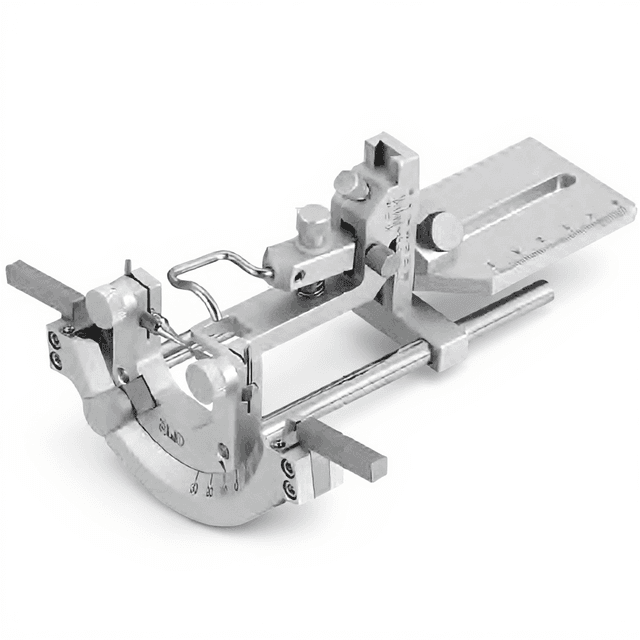
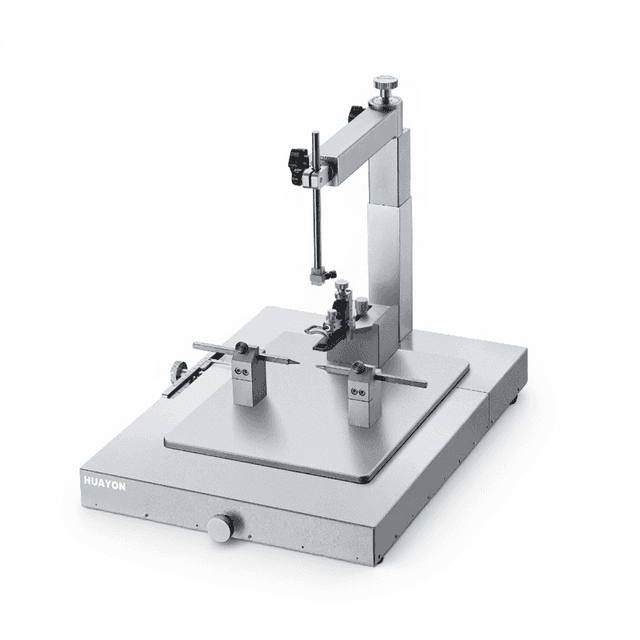
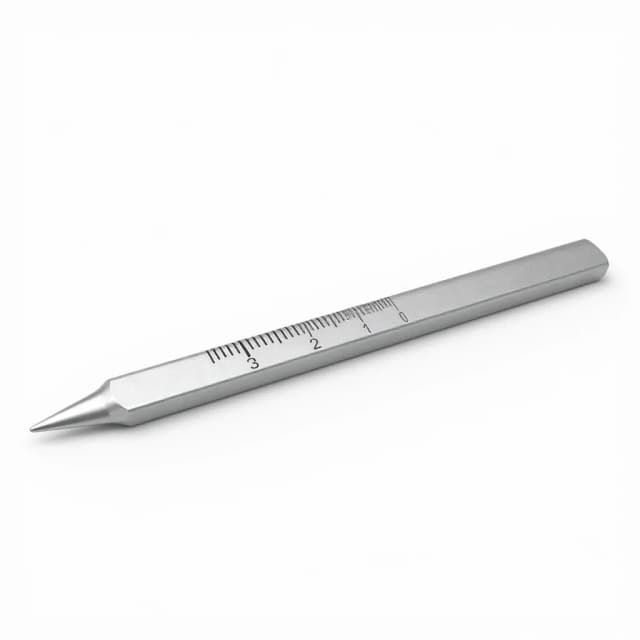
Stereotaxic Electrode Holder
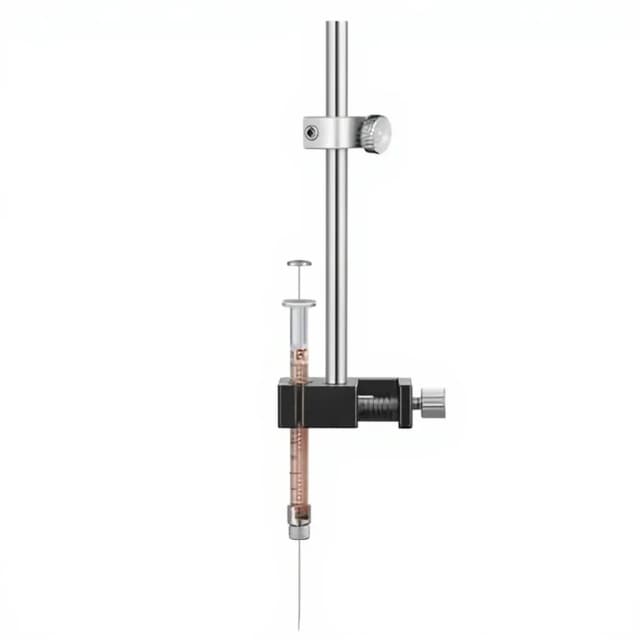
V-groove design,widely used for syringe needles or electrodes with diameter 0.3mm-1.5mm With a similar structure to the standard Probe Holder 68201; holds syringe needle or electrode with diameter 0.4mm- 4.0mm Holder is specifically designed for e...
| electrode_diameter_range | 0.9mm to 3mm |
| head_shape | wedge-shaped |
| Automation Level | manual |
| Brand | RWD |
| Species | Gerbil, Hamster, Non-human Primate, Rabbit, Mouse, Rat, Guinea pig |
V-groove design,widely used for syringe needles or electrodes with diameter 0.3mm-1.5mm
With a similar structure to the standard Probe Holder 68201; holds syringe needle or electrode with diameter 0.4mm- 4.0mm
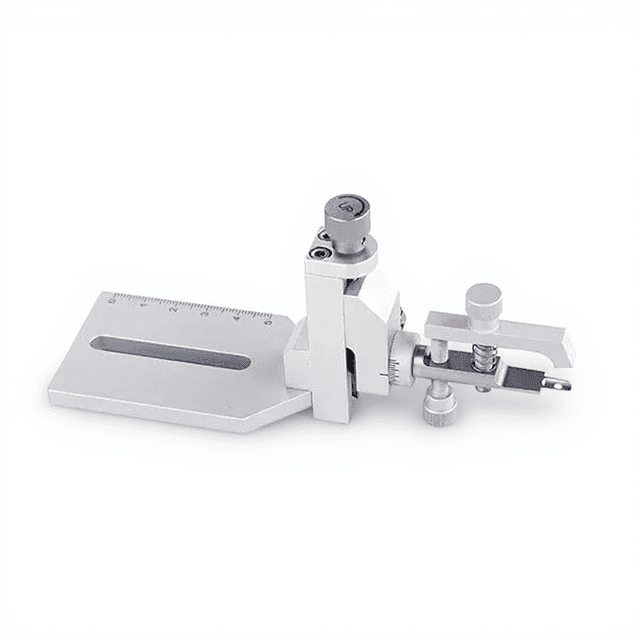
Holder is specifically designed for electrophysiological experiments. Two electrodes, controlled individually, can be located very close to each other. Holds thin electrodes with diameter from 0.7mm to 2.5mm.
Holder is designed for the dual operating electrophysiology experiments. Distance between two electrodes can be as close as 200μm. Holds electrodes with 0.4mm to 1.5mm diameters
: 9, 19-20/F, Building 7A, 9F Building 7D,
Key Features
- Accessories (Fiber-optic Cannulas, optical fiber, etc.)
- Electrode, Glass pipette, Hypodermic Tubing
How It Works
The stereotaxic electrode holder operates through mechanical fixation of recording electrodes within precision-machined V-groove channels. The wedge-shaped design distributes clamping force evenly around the electrode circumference, preventing deformation while maintaining stable electrical contact. The V-groove geometry accommodates circular electrodes while providing multiple contact points that resist rotation and lateral movement during insertion and recording procedures.
For dual-electrode configurations, the holder employs parallel V-groove channels with independently adjustable clamping mechanisms. This allows precise control of inter-electrode spacing while maintaining individual electrode positioning accuracy. The mechanical design eliminates electrical crosstalk between channels through physical separation and appropriate material selection. Integration with stereotaxic coordinate systems enables reproducible targeting based on anatomical atlases, with the holder providing the final mechanical interface between the positioning system and the recording electrode.
Electrode retention relies on controlled compression rather than adhesive or chemical bonds, allowing easy electrode changes between experiments while maintaining positioning precision. The system accommodates both acute and chronic recording configurations, with materials selected for biocompatibility and resistance to cleaning agents used in electrophysiology laboratories.
Features & Benefits
electrode_diameter_range
- 0.9mm to 3mm
head_shape
- wedge-shaped
Automation Level
- manual
Brand
- RWD
Research Domain
- Addiction Research
- Anxiety and Depression
- Behavioral Pharmacology
- Learning and Memory
- Motor Function
- Neurodegeneration
- Neuroscience
Species
- Gerbil
- Hamster
- Non-human Primate
- Rabbit
- Mouse
- Rat
- Guinea pig
Weight
- 8.27 kg
Dimensions
- L: 34.0 mm
- W: 39.0 mm
- H: 33.0 mm
Comparison Guide
| Feature | This Product | Typical Alternative | Advantage |
|---|---|---|---|
| Electrode Diameter Range | 0.3-4.0mm across variants with 0.9-3.0mm standard range | Fixed diameter holders typically accommodate narrower ranges or single electrode sizes | Reduces inventory requirements and allows flexibility in electrode selection for different experimental protocols. |
| Dual-Electrode Capability | Independent dual-electrode positioning with 200μm minimum spacing | Most holders accommodate single electrodes only | Enables differential recordings and bilateral measurements without requiring multiple manipulator arms. |
| V-Groove Retention Design | Distributed compression around electrode circumference | Simple clamp designs may create localized pressure points | Prevents electrode coating damage and maintains consistent retention force across different electrode diameters. |
| Wedge-Shaped Geometry | Wedge-shaped design for optimized access angles | Cylindrical holders may limit positioning options in complex setups | Improves clearance in multi-component stereotaxic configurations and reduces interference with other equipment. |
| Fiber-Optic Integration | Compatible with fiber-optic cannulas and optical accessories | Basic holders lack integrated optogenetics support | Supports combined electrophysiology and optogenetic protocols without requiring separate mounting systems. |
| Sterilization Compatibility | Biocompatible materials suitable for autoclave and chemical sterilization | Entry-level holders may have limited sterilization options | Essential for chronic implantation studies and maintaining sterile surgical conditions in animal research. |
This electrode holder system provides versatile diameter compatibility and dual-electrode capabilities within a biocompatible, sterilizable design. The V-groove retention mechanism and wedge-shaped geometry offer practical advantages for complex electrophysiology protocols while maintaining electrode integrity across multiple experimental configurations.
Practical Tips
Verify electrode impedance before and after installation to ensure proper electrical contact and detect coating damage during handling.
Why: Impedance changes indicate electrode integrity issues that can compromise recording quality and data reliability.
Clean V-groove channels thoroughly between electrodes using appropriate solvents to remove tissue debris and prevent contamination.
Why: Residual biological material can create electrical artifacts and interfere with proper electrode seating in subsequent experiments.
Apply clamping pressure gradually and evenly to avoid damaging delicate electrode coatings or creating mechanical stress concentrations.
Why: Proper clamping technique preserves electrode integrity while ensuring stable positioning throughout extended recording sessions.
If electrical noise increases during recordings, check electrode-to-holder contact and verify proper grounding of the entire stereotaxic system.
Why: Poor electrical connections and inadequate grounding are common sources of recording artifacts in electrophysiology experiments.
Monitor electrode position stability by tracking coordinate readings before and after tissue insertion to detect mechanical drift.
Why: Position stability is critical for accurate anatomical localization and reproducible targeting across experimental sessions.
Inspect electrode tips under magnification before insertion to identify damaged or bent electrodes that could cause tissue trauma.
Why: Sharp, undamaged electrode tips minimize tissue damage during insertion and improve recording site stability.
For dual-electrode experiments, verify independent positioning control by testing each electrode separately before simultaneous recordings.
Why: Independent verification ensures proper mechanical isolation and prevents unintended electrode movement during complex protocols.
Periodically verify clamping mechanism function by testing retention force with known electrode diameters across the specified range.
Why: Mechanical wear can reduce retention effectiveness and compromise electrode positioning accuracy over time.
Setup Guide
What’s in the Box
- Stereotaxic electrode holder (model variant as specified)
- Electrode clamping mechanism with adjustment controls
- Mounting hardware for stereotaxic frame integration (typical)
- Installation and operation manual (typical)
- Cleaning and maintenance instructions (typical)
Warranty
ConductScience provides a one-year manufacturer warranty covering defects in materials and workmanship, along with technical support for proper installation and operation procedures.
Compliance
References
Background reading relevant to this product:
What electrode diameter ranges are supported across the different holder variants?
The system includes multiple variants: standard holders for 0.9-3.0mm electrodes, fine electrode holders for 0.3-1.5mm diameters, and larger electrode configurations supporting 0.4-4.0mm. Dual-electrode holders maintain these same diameter ranges with independent control of each electrode.
How close can dual electrodes be positioned for differential recording applications?
The dual-electrode configuration enables center-to-center spacing as close as 200μm, suitable for differential recordings, current source density analysis, and spatially-resolved measurements within small neural structures.
What is the electrode retention mechanism and how does it prevent damage?
The V-groove design uses controlled mechanical compression distributed around the electrode circumference. This prevents localized stress concentration that could damage delicate electrode coatings while providing secure retention during insertion and recording.
Is the holder compatible with chronic implantation procedures?
Yes, the holder materials are biocompatible and can be sterilized using standard autoclave or chemical disinfection methods. The mechanical design allows secure electrode positioning for both acute and chronic recording configurations.
Can the system accommodate combined electrophysiology and optogenetics experiments?
The holder design includes compatibility with fiber-optic accessories, allowing integration of optical fibers alongside recording electrodes for combined electrophysiology and optogenetic stimulation protocols.
What stereotaxic frame systems are compatible with this holder?
The holder integrates with standard stereotaxic manipulator arms through universal mounting hardware. Consult product datasheet for specific frame compatibility and mounting specifications.
How is electrical isolation maintained in dual-electrode configurations?
Physical separation of the V-groove channels and appropriate material selection prevent electrical crosstalk between electrodes while maintaining independent positioning control for each electrode.
What maintenance procedures are required for optimal performance?
Regular cleaning with appropriate solvents, inspection of clamping mechanisms for wear, and periodic verification of electrode retention force. The design allows complete disassembly for thorough cleaning and inspection.
Have a question about this product?
Accessories
Enhance your setup with compatible accessories
Frequently Bought Together