The Lobster maze (post-larval conditioning with shelter)
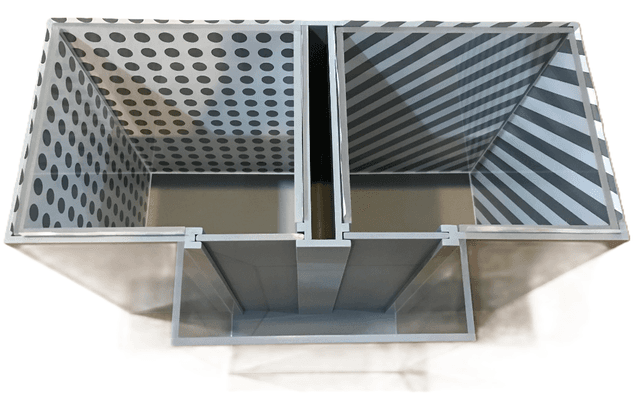
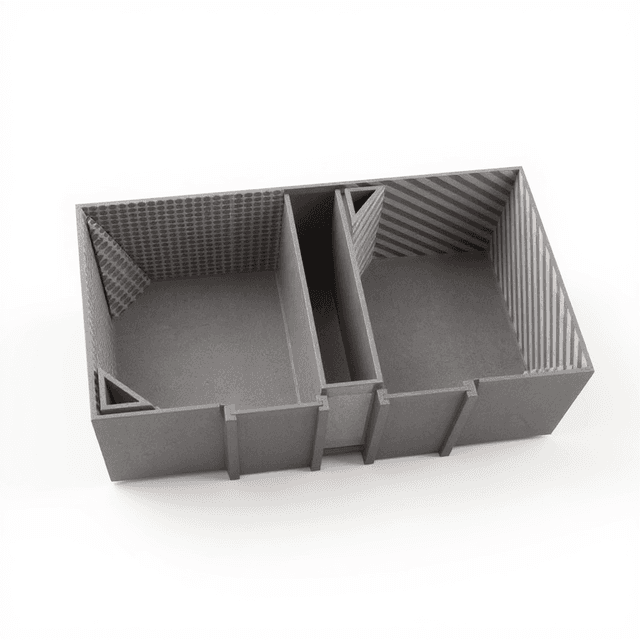
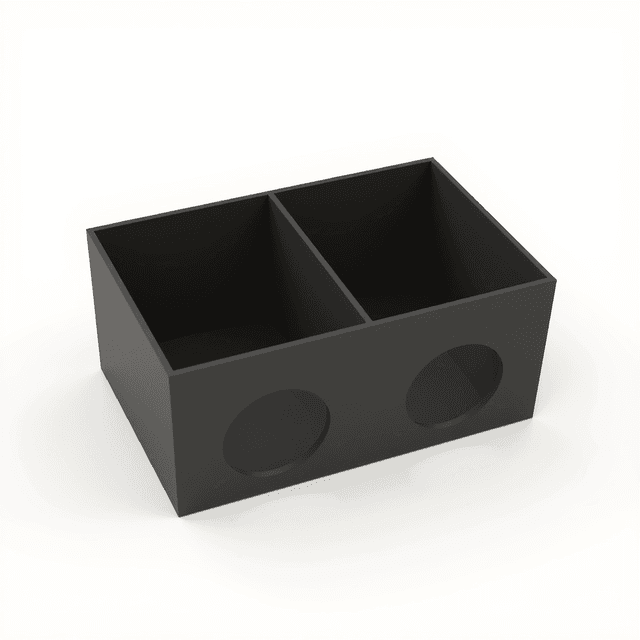
Aquatic behavioral maze system for post-larval lobster conditioning studies with integrated shelter components for learning and memory assessment.

Louise Corscadden, PhD
Director of Science · ConductScience
Ask Louise about The Lobster maze (post-larval conditioning with shelter) fit, setup, configuration, or quote prep.
Already working with us? Sign in to connect this with My Scientist.
Key Specifications
Full details →- Model fit
- Mouse, Rat
- SKU family
- CS-958157
- Shipping box
- 65.0 x 36.0 x 27.0 cm
- Ordering
- Online checkout and quote request available
- Category
- Behavioral Mazes
- Build notes
- Confirm accessories, station layout, and support needs before purchase
The Lobster maze is a specialized behavioral testing apparatus designed for post-larval lobster conditioning studies with integrated shelter components. This aquatic maze system enables researchers to investigate spatial learning, memory formation, and shelter-seeking behaviors in juvenile lobster populations under controlled laboratory conditions.
The apparatus facilitates systematic evaluation of learning and memory capabilities in crustacean models, supporting research into invertebrate cognition, behavioral plasticity, and environmental conditioning responses. The integrated shelter design allows for assessment of natural behavioral preferences while maintaining experimental control over environmental variables.
How It Works
The Lobster maze operates on principles of spatial learning assessment adapted for aquatic crustacean models. Test subjects navigate through a defined pathway system while researchers monitor movement patterns, decision-making behaviors, and shelter selection preferences under controlled conditions.
The apparatus utilizes natural shelter-seeking behaviors inherent to lobster species, incorporating these preferences into structured learning paradigms. Repeated exposure protocols allow assessment of memory formation and behavioral adaptation over time, providing quantitative measures of cognitive performance in invertebrate models.
Features & Benefits
Behavioral Construct
- Spatial Learning
- Memory Formation
- Shelter Seeking
- Environmental Conditioning
Automation Level
- manual
Research Domain
- Behavioral Pharmacology
- Developmental Biology
- Learning & Memory Tests
- Neuroscience
- Toxicology
Species
- Mouse
- Rat
Compatible Tracking Software
- ConductVision
Shipping weight
- 6.06 lb
Shipping box
- L: 65.0 cm
- W: 36.0 cm
- H: 27.0 cm
| Feature | This Product | Typical Alternative | Advantage |
|---|---|---|---|
| Species Specialization | Designed specifically for post-larval lobster conditioning studies | Most maze systems target rodent or standard aquatic models | Accommodates unique behavioral and environmental requirements of crustacean research models. |
| Shelter Integration | Integrated shelter components for natural behavior assessment | Basic maze designs without species-specific behavioral elements | Enables assessment of natural shelter-seeking behaviors while maintaining experimental control. |
| Aquatic Operation | Full aquatic system compatibility with seawater operation | Limited aquatic capabilities in standard behavioral apparatus | Maintains natural habitat conditions essential for marine invertebrate behavioral studies. |
| Developmental Focus | Optimized for post-larval conditioning and development studies | General behavioral assessment without developmental specialization | Supports age-specific protocols examining learning capacity changes across juvenile stages. |
The Lobster maze offers specialized crustacean behavioral assessment capabilities with integrated shelter components and full aquatic operation. The system addresses unique requirements of marine invertebrate research through species-specific design optimization.
Practical Tips
Maintain consistent water temperature within ±1°C throughout testing sessions to minimize environmental stress variables.
Why: Temperature fluctuations can significantly impact crustacean metabolic rate and behavioral responses.
Clean all system components with appropriate marine-safe disinfectants between different subject groups.
Why: Prevents chemical cue contamination that could influence behavioral responses in subsequent testing.
Record ambient lighting conditions and maintain consistent illumination levels across all testing sessions.
Why: Crustacean phototactic responses can significantly influence maze navigation and shelter selection behaviors.
Verify shelter component positioning before each testing session using provided placement guides.
Why: Consistent spatial arrangement ensures reproducible testing conditions and valid behavioral comparisons.
Monitor subjects for molting indicators and adjust testing schedules accordingly to avoid physiological confounds.
Why: Molting stress can temporarily alter normal behavioral patterns and confound learning assessment results.
Ensure adequate water circulation and oxygenation throughout extended testing protocols.
Why: Maintains subject welfare and prevents hypoxic conditions that could compromise behavioral performance.
Setup Guide
What’s in the Box
- Lobster maze apparatus with shelter components (typical)
- Assembly instructions and protocol guidelines (typical)
- Water system connection components (typical)
- Shelter positioning guides (typical)
- User manual with behavioral assessment protocols (typical)
Warranty
ConductScience provides standard manufacturer warranty coverage with technical support for proper system operation and maintenance guidance.
Compliance
References
Background reading relevant to this product:
What water quality parameters need to be maintained during testing?
Maintain species-appropriate salinity, temperature, and dissolved oxygen levels consistent with post-larval lobster requirements. Consult product datasheet for specific environmental parameter ranges.
How long should acclimation periods be before testing?
Acclimation duration depends on subject age and environmental transition stress. Typically 24-48 hours allows stabilization of normal behavioral patterns before protocol initiation.
Can the shelter configuration be modified for different experimental designs?
Yes, the integrated shelter components are designed to accommodate various spatial arrangements to support different conditioning paradigms and experimental objectives.
What behavioral metrics can be assessed using this system?
The system supports assessment of navigation time, path selection, shelter preference, learning acquisition rate, and memory retention through repeated trial protocols.
Is the system compatible with video recording equipment?
The apparatus design accommodates standard behavioral monitoring equipment for automated tracking and analysis of subject movement patterns during testing.
What maintenance is required between testing sessions?
Regular water quality monitoring, system cleaning between subjects, and shelter component inspection ensure consistent testing conditions and prevent cross-contamination.
Have a question about this product?
Have a question? Just ask.
Send it over and we'll email you a personalized answer — no call, no scheduling.
Prefer to talk it through?