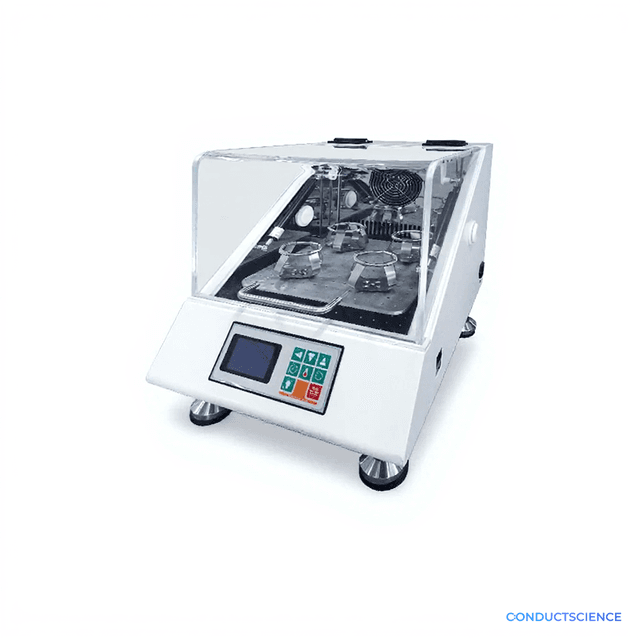
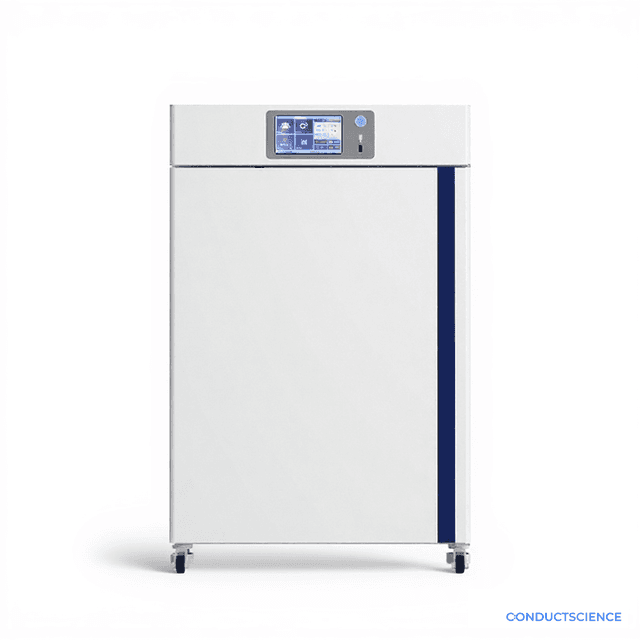
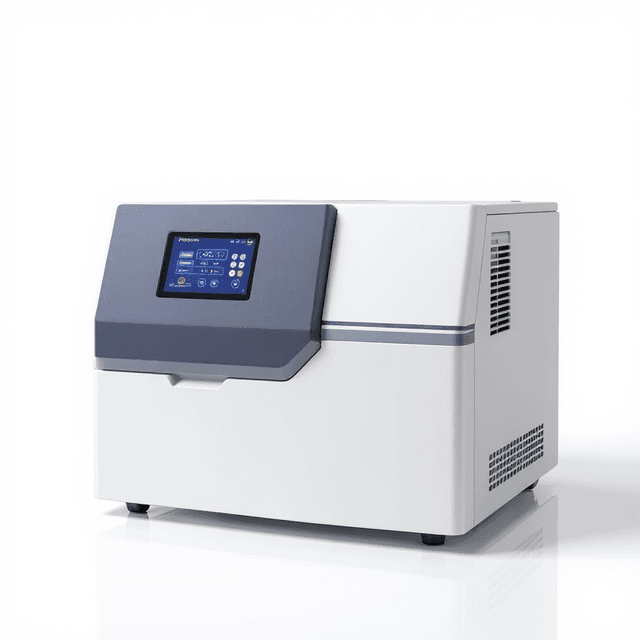
Thermo Shaker Incubator
Benchtop incubator with integrated orbital shaking for temperature-controlled enzymatic reactions, sample mixing, and nucleic acid processing with interchangeable block formats.

Louise Corscadden, PhD
Director of Science · ConductScience
Ask Louise about Thermo Shaker Incubator fit, setup, configuration, or quote prep.
Already working with us? Sign in to connect this with My Scientist.
Key Specifications
Full details →- Model fit
- 1 selectable configurations
- SKU family
- BIO-TSI-100
- Shipping box
- 42.0 x 43.6 x 38.0 cm
- Ordering
- Online checkout and quote request available
- Category
- Laboratory Incubators
- Build notes
- Confirm accessories, station layout, and support needs before purchase
The Thermo Shaker Incubator integrates precise temperature control with orbital mixing functionality, providing researchers with a versatile platform for applications requiring simultaneous heating and agitation. This benchtop instrument accommodates interchangeable blocks designed for various tube formats and microplates, enabling flexible sample processing across multiple experimental protocols.
The system supports temperature-sensitive enzymatic reactions, nucleic acid manipulations, and protein studies where controlled mixing enhances reaction kinetics and sample homogeneity. The orbital shaking mechanism ensures consistent sample mixing while maintaining stable temperature conditions, making it suitable for applications ranging from PCR preparation to cell lysis protocols in molecular biology and biochemistry laboratories.
How It Works
The Thermo Shaker Incubator operates through independent temperature control and orbital mixing systems that function simultaneously. The heating element maintains precise temperature regulation through feedback control, while the orbital shaking mechanism provides continuous sample agitation through a motorized platform that moves in a circular motion.
The interchangeable block system allows accommodation of different sample vessels by providing specific thermal contact surfaces optimized for heat transfer to tubes or microplates. Temperature uniformity across the block surface ensures consistent heating of all samples, while the orbital motion promotes mixing through the creation of vortex patterns within each sample vessel.
This dual-function design facilitates reactions that require both thermal activation and continuous mixing, such as enzymatic processes where substrate availability and reaction kinetics are enhanced through agitation while maintaining optimal enzyme activity temperatures.
Features & Benefits
Shipping weight
- 30.0 lb
Shipping box
- L: 42.0 cm
- W: 43.6 cm
- H: 38.0 cm
| Feature | This Product | Typical Alternative | Advantage |
|---|---|---|---|
| Temperature and Mixing Integration | Simultaneous heating and orbital shaking in single unit | Separate incubator and shaker units requiring sample transfer | Eliminates transfer steps and maintains consistent thermal conditions during mixing |
| Block Compatibility | Interchangeable blocks for multiple tube and plate formats | Fixed block designs limited to single format | Single instrument accommodates diverse sample vessel types without requiring multiple units |
| Benchtop Design | Compact footprint suitable for standard laboratory benches | Larger floor-standing units or separate equipment configurations | Maximizes laboratory space efficiency while providing full functionality |
| Orbital Mixing Mechanism | Gentle orbital shaking motion | Linear shaking or vortex mixing methods | Provides consistent mixing without mechanical stress that could damage sensitive samples |
This system integrates precise temperature control with orbital mixing functionality in a compact benchtop format. The interchangeable block design provides versatility for multiple sample formats while maintaining consistent thermal conditions during agitation.
Practical Tips
Verify temperature accuracy monthly using a calibrated thermometer in a water-filled tube placed in the center and corner positions of the block.
Why: Temperature uniformity across the block surface ensures consistent results for all sample positions.
Clean the heating block regularly with mild detergent and ensure the orbital mechanism moves freely without obstruction.
Why: Residue buildup can affect heat transfer efficiency and mechanical wear can impact mixing consistency.
Allow the system to reach thermal equilibrium for at least 10 minutes before loading temperature-sensitive samples.
Why: Pre-equilibration ensures immediate temperature stability when samples are introduced.
Secure all tube caps tightly and verify block compatibility before starting high-speed shaking protocols.
Why: Loose caps or incompatible tubes can result in sample loss or contamination during orbital mixing.
Use identical tube types and fill volumes across all sample positions to ensure uniform heat transfer and mixing dynamics.
Why: Variations in tube material or sample volume can create temperature gradients affecting reaction consistency.
If temperature overshoot occurs, reduce the initial heating rate or adjust the thermal mass by changing sample volumes.
Why: System thermal response varies with sample load and rapid heating can cause temperature instability.
Start with conservative shaking speeds for new protocols and gradually increase while monitoring sample integrity.
Why: Excessive agitation can cause foaming, sample loss, or mechanical damage to sensitive biological materials.
Setup Guide
What’s in the Box
- Thermo Shaker Incubator main unit (typical)
- Standard tube block (typical)
- Power cable (typical)
- User manual and protocol guide (typical)
- Temperature calibration certificate (typical)
Warranty
ConductScience provides a one-year manufacturer warranty covering defects in materials and workmanship, with technical support for setup and operational guidance.
Compliance
What temperature range and accuracy can this system maintain during shaking operations?
Consult product datasheet for specific temperature range and accuracy specifications, as performance may vary depending on ambient conditions and shaking speed settings.
Which tube formats and microplate types are compatible with the interchangeable block system?
The system supports various tube sizes and microplate formats through interchangeable blocks. Contact supplier for specific block availability and compatibility with your sample vessels.
How does the orbital shaking speed affect sample mixing and can it be adjusted during operation?
Shaking speed parameters can typically be adjusted to accommodate different sample viscosities and mixing requirements. Consult operating manual for speed range and real-time adjustment capabilities.
What is the maximum sample capacity and does the system maintain uniform temperature across all positions?
Sample capacity depends on the selected interchangeable block format. Temperature uniformity specifications should be verified in the product datasheet for your specific application requirements.
Can this system be used for overnight incubations with continuous shaking?
The system is designed for extended operation, but verify duty cycle specifications and consider environmental factors such as evaporation when planning long-term protocols.
How does this compare to using separate incubator and shaker units?
The integrated design eliminates sample transfer steps and reduces bench space requirements, while providing consistent temperature control during mixing that separate units cannot achieve.
What maintenance procedures are required to maintain temperature accuracy and shaking performance?
Regular temperature calibration verification and cleaning of the heating block are essential. Consult maintenance schedule in user manual for specific procedures and intervals.
Have a question about this product?
Have a question? Just ask.
Send it over and we'll email you a personalized answer — no call, no scheduling.
Prefer to talk it through?
Accessories
Enhance your setup with compatible accessories
Upgrade Options