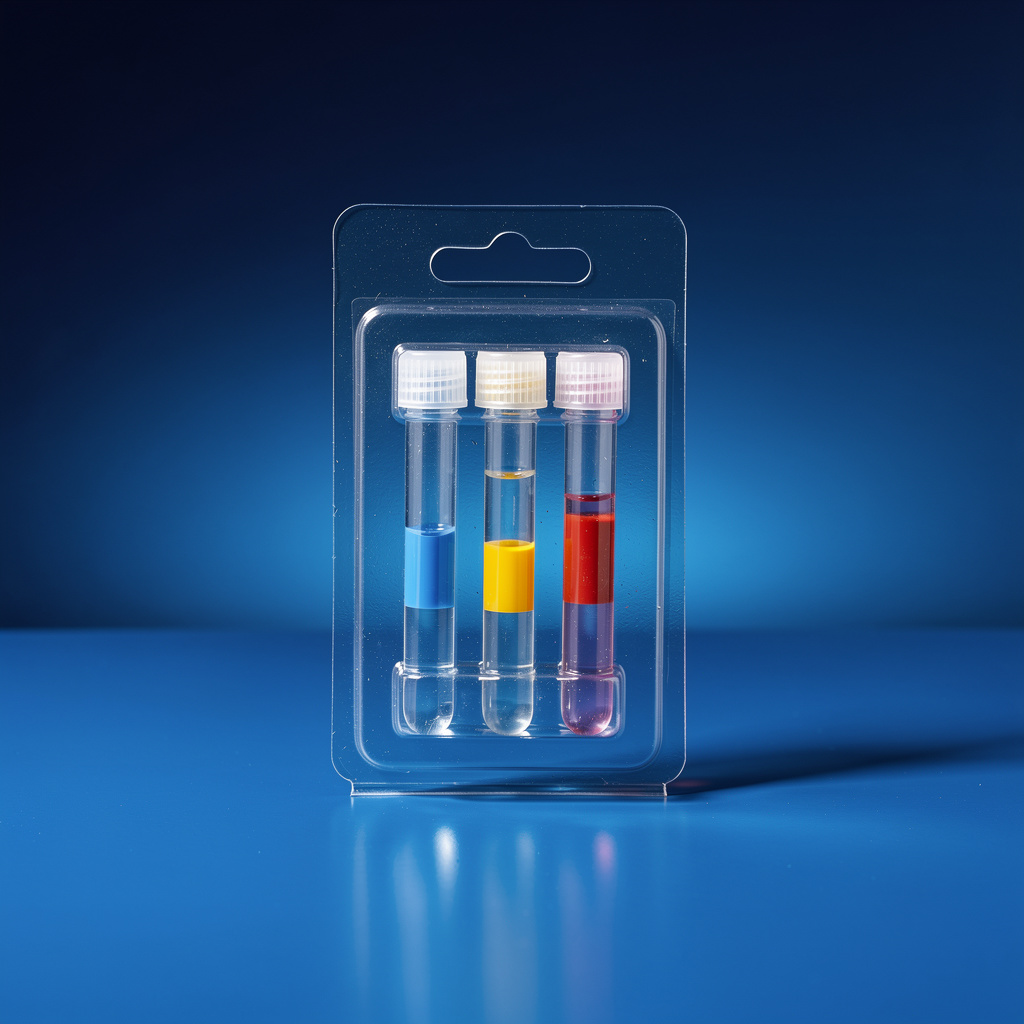
Water Color Comparison Tube
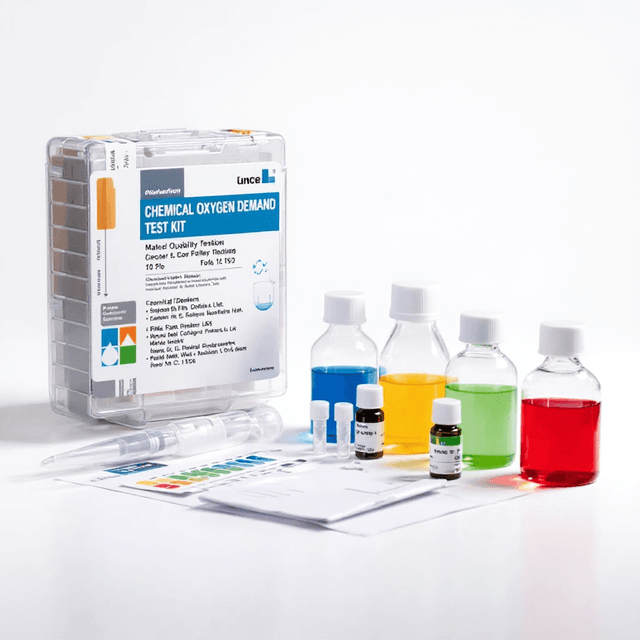
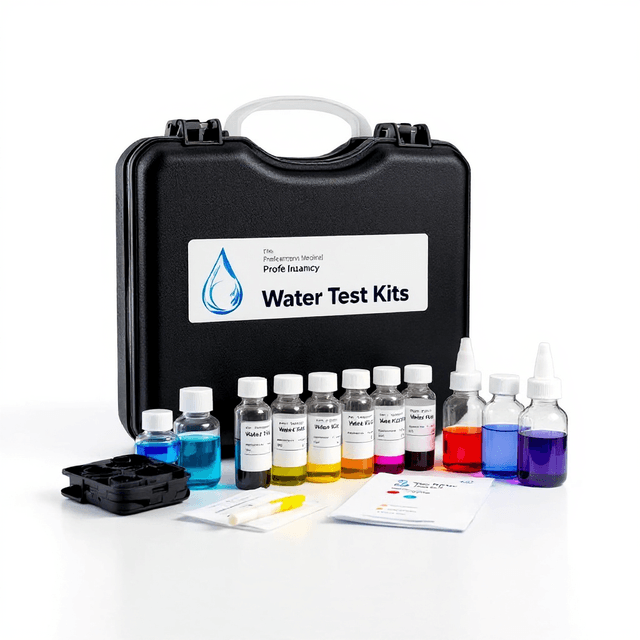
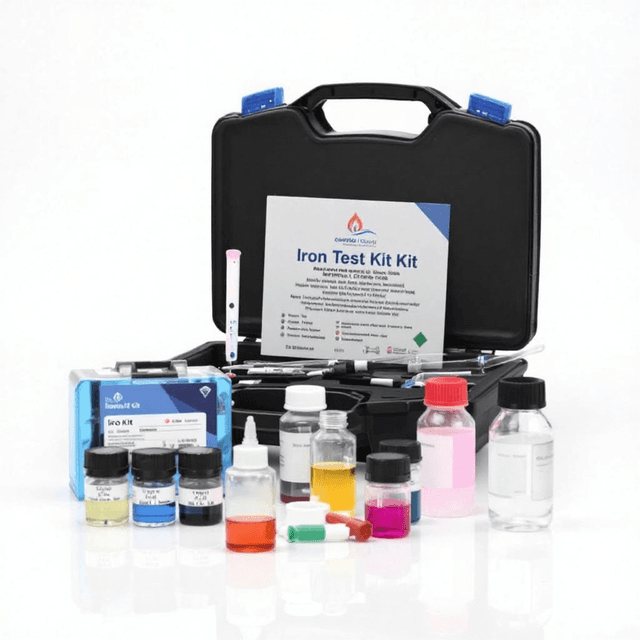
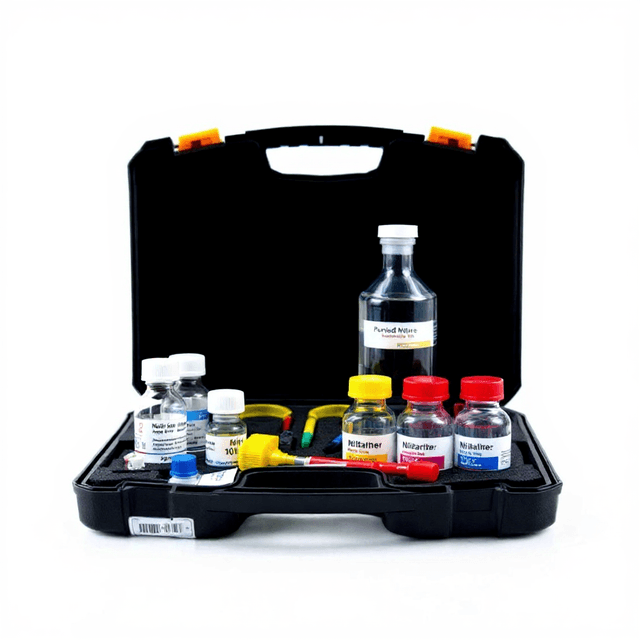
Portable colorimetric comparison tube for rapid field assessment of chemical oxygen demand (COD) in water samples, providing standardized visual analysis without laboratory equipment.

Louise Corscadden, PhD
Director of Science · ConductScience
Ask Louise about Water Color Comparison Tube fit, setup, configuration, or quote prep.
Already working with us? Sign in to connect this with My Scientist.
Key Specifications
Full details →- Model fit
- 2 selectable configurations
- SKU family
- CS-LH-LAB002
- Shipping box
- 8.8 x 7.3 x 5.9 cm
- Ordering
- Online checkout and quote request available
- Category
- Water Test Kits
- Build notes
- Confirm accessories, station layout, and support needs before purchase
The Water Color Comparison Tube provides a portable, visual colorimetric method for rapid field assessment of water quality parameters, specifically chemical oxygen demand (COD). This consumable testing device utilizes standardized color comparison methodology to enable on-site water analysis without laboratory instrumentation or specialized technical training.
Each sealed tube contains reagents formulated according to international testing standards, allowing researchers and field technicians to conduct COD measurements in 3-5 minutes. The lightweight PE plastic construction and aluminum foil sealing ensure 18-month shelf stability under normal temperature conditions, making this suitable for remote sampling campaigns and field studies where conventional laboratory analysis is impractical.
How It Works
The colorimetric comparison method relies on the oxidation of organic compounds in water samples by chemical oxidants, producing color changes proportional to the chemical oxygen demand. The tube contains standardized reagents that react with reducing substances in the water sample, primarily organic matter, to generate characteristic coloration.
When the water sample is introduced to the tube, organic compounds consume dissolved oxygen through chemical oxidation reactions. The resulting color intensity correlates with the concentration of oxidizable organic material, allowing visual comparison against standardized color charts to determine COD levels. This approach provides semi-quantitative results suitable for field screening applications.
The sealed aluminum foil packaging preserves reagent stability and prevents contamination, while the PE plastic tube construction ensures chemical compatibility and durability during field use. Temperature stability allows storage and transport without refrigeration requirements.
Features & Benefits
Shipping weight
- 0.26 lb
Shipping box
- L: 8.8 cm
- W: 7.3 cm
- H: 5.9 cm
| Feature | This Product | Typical Alternative | Advantage |
|---|---|---|---|
| Analysis Time | 3-5 minutes for complete color development | Laboratory methods often require 2-3 hours for complete oxidation and analysis | Enables rapid field screening for immediate decision-making during sampling campaigns |
| Equipment Requirements | No additional laboratory equipment needed | Most COD methods require spectrophotometers, heating blocks, or titration equipment | Eliminates equipment transport and setup requirements for remote field locations |
| Shelf Stability | 18-month stability under normal temperature conditions | Laboratory reagents often require refrigeration and shorter shelf lives | Reduces logistical complexity for field studies and remote monitoring programs |
| Portability | Lightweight PE plastic tubes with sealed reagents | Laboratory kits typically include glass containers and separate reagent bottles | Facilitates transport of multiple test units without fragile glassware concerns |
| Technical Skill Requirements | Visual comparison method requires minimal training | Instrumental methods often require operator training and calibration procedures | Enables deployment by field personnel without specialized analytical chemistry background |
| Result Format | Semi-quantitative visual comparison against color standards | Laboratory methods provide precise numerical concentrations with statistical uncertainty | Provides adequate precision for screening applications where exact concentrations are not critical |
This product prioritizes field portability and rapid screening over laboratory precision, offering 18-month shelf stability and 3-5 minute analysis times without additional equipment requirements. The colorimetric approach provides semi-quantitative COD assessment suitable for environmental monitoring and preliminary water quality screening applications.
| Model | SKU | Listed price | Status | Shipping box |
|---|---|---|---|---|
| 50-Pack | CS-LH-LAB002-BULK50 | $999.99 | Available | 8.8 x 7.3 x 5.9 cm |
| 25-Pack | CS-LH-LAB002-BULK25 | $549.99 | Available | 8.8 x 7.3 x 5.9 cm |
Practical Tips
Verify color comparison chart accuracy periodically using known COD standards under your typical lighting conditions.
Why: Environmental lighting variations can affect visual color assessment and result interpretation.
Maintain consistent timing for the 3-5 minute reaction period and avoid disturbing tubes during color development.
Why: Reaction kinetics depend on undisturbed contact time for complete color formation.
Filter highly turbid samples before analysis to prevent interference with visual color comparison.
Why: Suspended particles can mask or alter the apparent color development affecting result accuracy.
Handle tubes with chemical-resistant gloves and dispose according to local regulations for oxidizing reagents.
Why: COD reagents contain oxidizing chemicals that may cause skin irritation or environmental concerns.
Store unused tubes in original packaging away from direct sunlight and temperature extremes.
Why: Environmental exposure can degrade reagent activity and reduce shelf life before expiration date.
If color development appears incomplete, ensure adequate sample mixing and verify tube seal integrity.
Why: Insufficient reagent contact or compromised seals can result in weak or inconsistent color formation.
Document ambient temperature and lighting conditions along with test results for quality assurance.
Why: Environmental factors affect both reaction kinetics and visual assessment reliability.
Use multiple observers for critical assessments to reduce individual color perception variability.
Why: Visual colorimetric methods are subject to inter-observer differences in color discrimination.
Setup Guide
What’s in the Box
- COD test tubes with sealed reagents
- Color comparison chart (typical)
- Product instructions and protocol (typical)
- Storage and handling guidelines (typical)
Warranty
ConductScience provides standard manufacturer warranty coverage for consumable products, with technical support available for application questions and protocol optimization. Shelf life guarantee covers reagent stability under specified storage conditions.
Compliance
What is the measurement range and detection limit for COD using these tubes?
Consult the product datasheet for specific measurement ranges and detection limits. The colorimetric method provides semi-quantitative results appropriate for field screening applications.
How does temperature affect color development and result accuracy?
Maintain consistent temperature conditions during the 3-5 minute reaction period and avoid direct sunlight exposure. Extreme temperatures may affect reaction kinetics and color stability.
Can these tubes detect interference from other oxidizable compounds?
The reagents react with various reducing substances including organic matter, nitrites, sulfides, and ferrous salts, with organic compounds being the primary target. Sample matrix effects should be considered for complex water samples.
What is the shelf life and proper storage conditions for unused tubes?
Tubes maintain 18-month shelf stability when stored under normal temperature conditions with intact aluminum foil seals. Avoid exposure to extreme temperatures and direct sunlight.
How do results compare with standard laboratory COD analysis methods?
This provides rapid field screening with lower precision than instrumental methods. Use for preliminary assessment with laboratory confirmation for critical applications requiring high accuracy.
What sample volume is required and are there any pre-treatment requirements?
Consult manufacturer instructions for specific sample volume requirements. Filter turbid samples if recommended to prevent interference with visual color comparison.
Can the same tubes be used for different water types (surface, ground, wastewater)?
The tubes are suitable for various water matrices, but different water types may require different interpretation approaches due to varying background color and interference patterns.
What factors can affect the visual color comparison accuracy?
Lighting conditions, observer color perception, sample turbidity, and background coloration can influence visual assessment. Use consistent lighting and trained personnel for optimal results.
Have a question about this product?
Have a question? Just ask.
Send it over and we'll email you a personalized answer — no call, no scheduling.
Prefer to talk it through?