
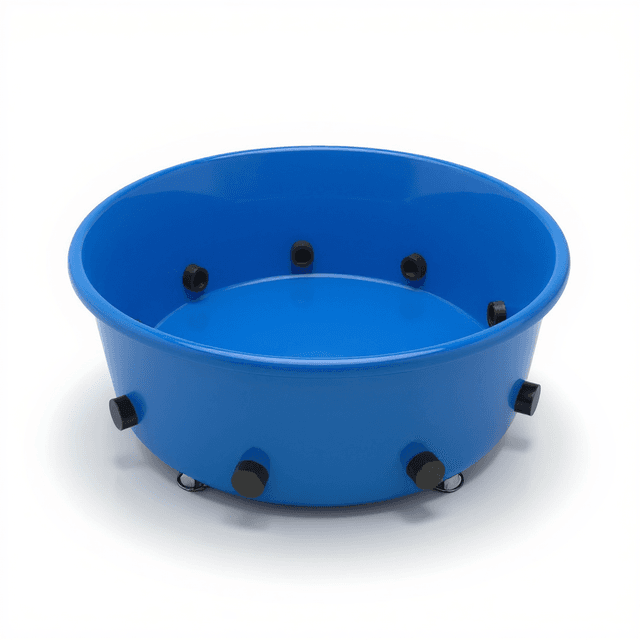
This productMouse standard
Mouse Y-Maze
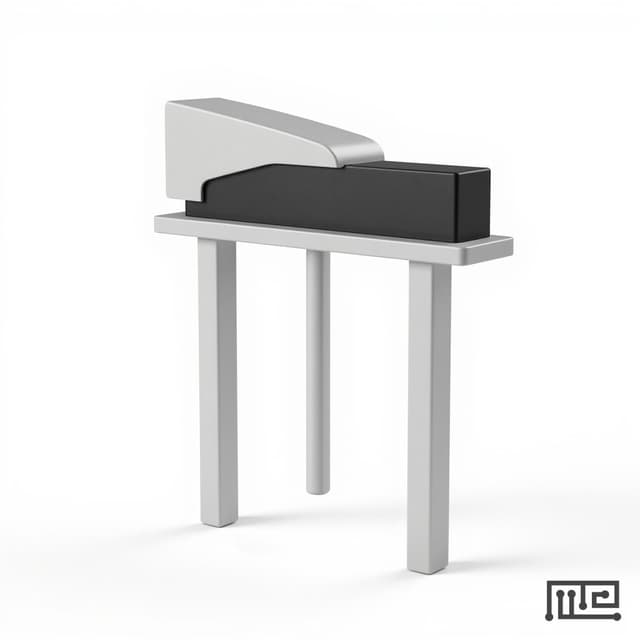
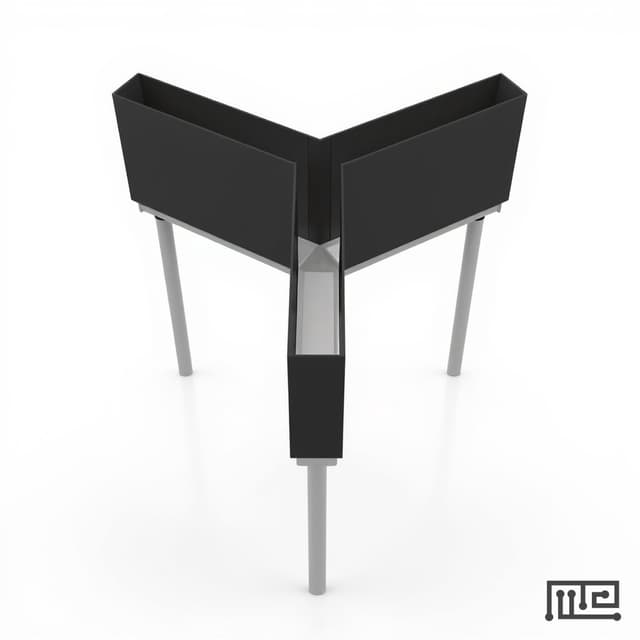
Three 120-degree arms, removable inserts, overhead tracking compatible
Standard spontaneous alternation and novel-arm recognition apparatus for mice.
$1,190

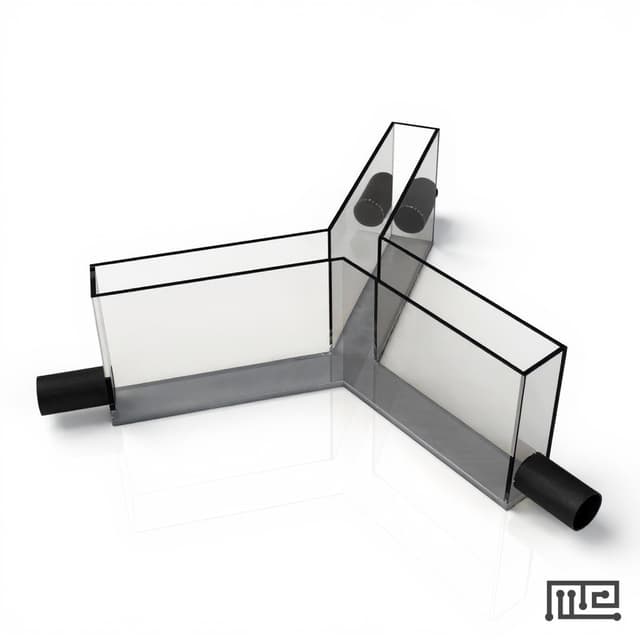
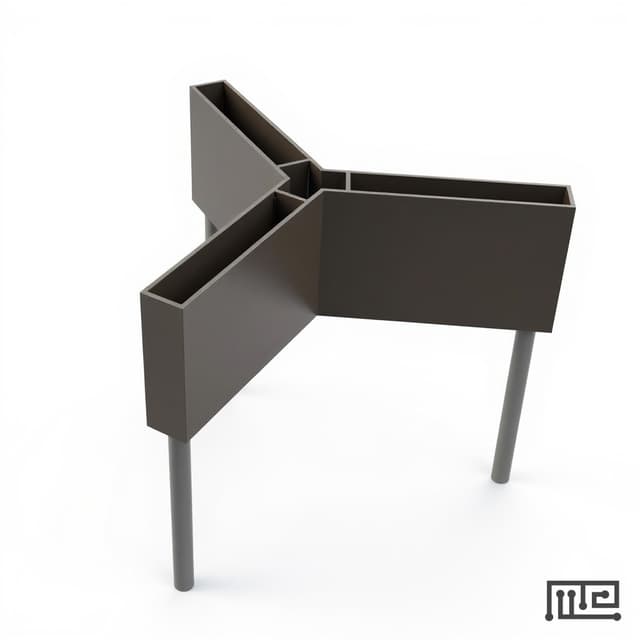
Three-arm behavioral maze with 120-degree arm angles for assessing spatial working memory and spontaneous alternation in mice and rats.
| arm_angle | 120 degrees |
| food_well_depth | 1cm |
| escape_tube_diameter_mouse | 4cm |
| escape_tube_diameter_rat | 8cm |
| escape_tubes_quantity | 3x tubes |
| stand_height_mouse | 32cm |

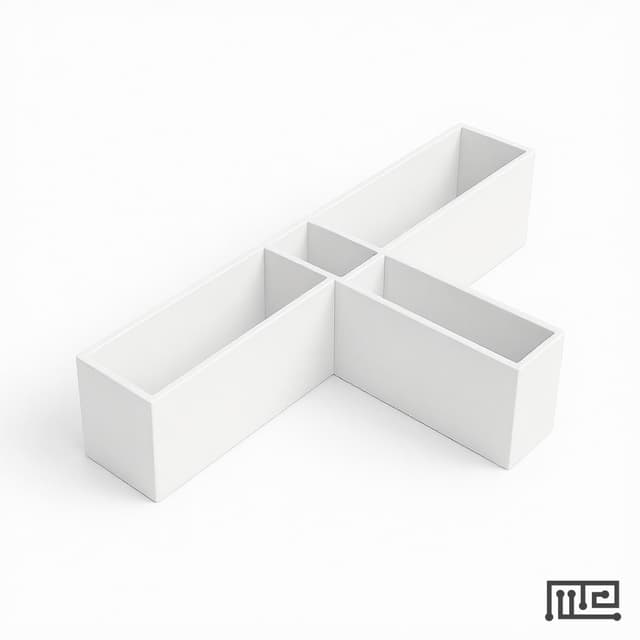
The Y Maze is a three-arm behavioral testing apparatus designed for evaluating spatial working memory and spontaneous alternation behavior in rodents. Each arm extends at 120-degree angles from a central junction, creating a symmetrical configuration that reduces the sharp directional changes found in T-maze designs. This gradual turn architecture decreases learning time and allows for more natural locomotor patterns during behavioral assessment.
Available in mouse and rat configurations, the Y Maze incorporates 1cm deep food wells that can be positioned in one, two, or all three arms for rewarded alternation paradigms. The apparatus serves as a primary tool for assessing reference memory, working memory, and exploratory behavior patterns in neurobehavioral research. The maze's compact design minimizes degrees of freedom, focusing animal attention on the spatial memory task while maintaining sufficient space for natural movement patterns.
The Y Maze operates on the principle that rodents exhibit an innate tendency for spontaneous alternation, preferentially exploring arms that differ from their previous choice. This behavioral pattern reflects the function of spatial working memory, primarily mediated by hippocampal circuits. Animals naturally alternate between arms to maximize exploration efficiency, creating a measurable behavioral readout of cognitive function.
During testing, rodents are placed in the central junction and allowed to freely explore all three arms. The sequence of arm entries is recorded, with alternation defined as consecutive choices of three different arms. Normal animals typically demonstrate alternation rates of 60-80%, while cognitive impairment results in reduced alternation percentages. The 120-degree arm configuration facilitates natural movement patterns and reduces the spatial complexity compared to sharper-angled maze designs.
For rewarded alternation paradigms, food wells positioned in specific arms create reinforcement contingencies that assess reference memory formation. Animals must learn and retain spatial associations between arm locations and reward availability, providing complementary measures of both working and reference memory systems.
| Feature | This Product | Typical Alternative | Advantage |
|---|---|---|---|
| Arm Configuration | Three arms at 120-degree angles | T-mazes use 90-degree angles with sharper directional changes | Gradual turns reduce learning complexity while maintaining spatial memory assessment validity |
| Food Well Depth | Standardized 1cm depth across all configurations | Varies by model with inconsistent reinforcement delivery | Ensures consistent pellet accessibility and prevents excessive digging behaviors |
| Species Optimization | Dedicated mouse and rat configurations with species-specific dimensions | Single-size designs often compromise locomotion for one species | Optimized arm ratios accommodate natural movement patterns for both species |
| Food Well Flexibility | Configurable placement in 1, 2, or 3 arms | Fixed well positions limit experimental design options | Supports diverse reinforcement paradigms from simple to complex spatial associations |
| Modification Options | Escape tubes, cue lights, and stand system available | Limited accessory options restrict protocol adaptability | Enables stress-reduction and visual discrimination protocols within same apparatus |
| Maze Complexity | Compact three-arm design with limited choice points | Radial arm mazes offer more arms but require extensive training | Focuses attention on spatial memory task while reducing training time requirements |
The Y Maze provides an optimal balance of spatial complexity and learning efficiency through its 120-degree arm configuration and species-specific dimensions. The standardized food well system and available modifications support diverse experimental protocols while maintaining behavioral assessment validity.
Verify arm dimensions accommodate normal locomotion by conducting trial runs with representative animals before beginning formal testing.
Why: Ensures maze dimensions support natural movement patterns and prevent size-related behavioral artifacts.
Inspect food wells daily for debris accumulation and ensure 1cm depth remains consistent across all testing positions.
Why: Maintains standardized reinforcement delivery and prevents feeding-related behavioral confounds.
Allow animals 2-3 minutes of initial exploration before beginning formal scoring to reduce novelty-related behaviors.
Why: Separates exploratory responses from spatial memory assessment and improves data reliability.
If alternation rates fall below expected ranges, verify cleaning protocols eliminate olfactory cues from previous subjects.
Why: Residual scent marks can bias arm preference and mask true spatial memory performance.
Score arm entries only when all four paws cross the arm threshold to maintain consistent behavioral criteria.
Why: Standardized entry definitions reduce scorer variability and improve inter-study comparability.
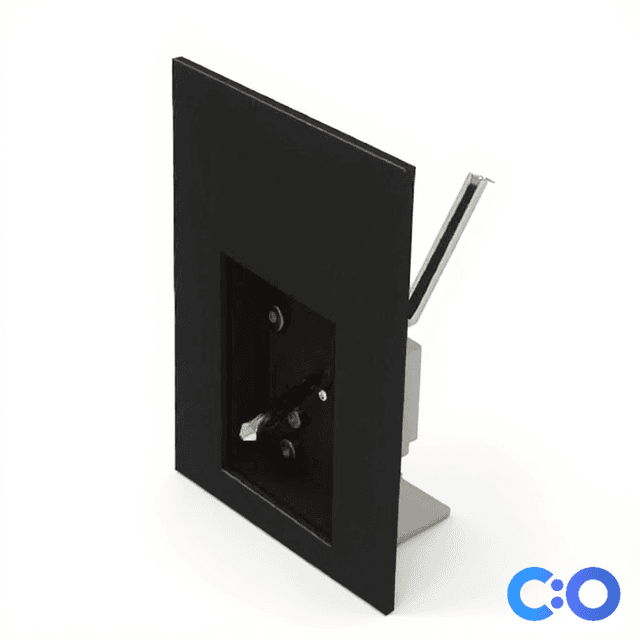
Monitor animals continuously during testing and verify escape tube accessibility if using stress-reduction modifications.
Why: Prevents potential injury from falls or entrapment while maintaining animal welfare standards.
Counterbalance starting arm placement across subjects to eliminate position bias effects on alternation patterns.
Why: Controls for potential apparatus asymmetries and strengthens statistical power of spatial memory measures.
Record total arm entries in addition to alternation percentage to assess general activity levels and detect mobility confounds.
Why: Distinguishes between memory impairment and locomotor dysfunction that could affect behavioral interpretation.
ConductScience provides a standard one-year manufacturer warranty covering defects in materials and workmanship, with technical support for setup and operational guidance.
Background reading relevant to this product:
What is the Y-Maze?
The Y-Maze is a three-armed behavioral apparatus used to assess spatial working memory and exploratory behavior in rodents through spontaneous alternation or novel arm recognition paradigms.
How does the Y-Maze work?
In spontaneous alternation, rodents freely explore all three arms; a tendency to enter a previously unvisited arm indicates intact working memory. In the novel arm test, one arm is blocked during training and opened during testing to measure recognition memory.
What research applications use the Y-Maze?
The Y-Maze is used for rapid assessment of cognitive deficits in Alzheimer's, aging, and drug efficacy studies. Its simplicity and short protocol make it ideal for high-throughput screening of cognitive function.
Enhance your setup with compatible accessories
Use this apparatus with
Automate arm entries, alternation sequences, dwell time, and zone transitions from overhead video.
ConductVision Y-Maze →Spontaneous alternation, forced alternation, novel-arm recognition, and continuous alternation workflows.
ConductMaze Y-Maze Protocol →Free calculator for spontaneous alternation percentage from arm-entry sequences.
Y-Maze Alternation Calculator →Choose your configuration
Pick the apparatus configuration that matches the cohort, species, and protocol. Species-specific adaptations should be interpreted within their own validation literature.
Three 120-degree arms, removable inserts, overhead tracking compatible
Standard spontaneous alternation and novel-arm recognition apparatus for mice.
$1,190
Scaled arms for adult rats with optional guillotine doors
Used for spontaneous alternation, forced alternation, and spatial recognition tasks in rats.
$1,390
Door control, sensors, TTL triggers, and software integration
For forced alternation and delayed non-match protocols requiring controlled access to arms.
$2,490
View automated ->§ 1
The Y-Maze is a three-arm spatial working-memory apparatus that exploits rodents natural tendency to investigate a less recently visited arm. Spontaneous alternation requires no explicit training, making it a rapid screen for hippocampal and prefrontal working-memory function. 1
The same apparatus supports several distinct protocols: spontaneous alternation, forced alternation, novel-arm recognition, and continuous alternation. These should be named explicitly because each protocol has different memory load, training burden, and door-control requirements. 1
Y-Maze outcomes are strongly affected by total activity. A low alternation score is difficult to interpret if the animal makes too few arm entries, so entry count and session duration should be reported with alternation percentage. 1
§ 2
Spontaneous alternation: one free-exploration session, usually 5 to 8 minutes.
Critical methodological constraints
Core Y-Maze metrics ConductVision scores from arm-entry sequences.
Spontaneous Alternation
Working-memory index
Total Arm Entries
Activity control
Arm Dwell Time
Preference and bias
Novel Arm Time
Recognition memory
Center Time
Decision behavior
+ Additional metrics: alternation by time bin, repeated-arm errors, latency to first arm, arm-entry sequence, velocity, and inactivity.
Successful triads divided by all possible triads.
§ 3
Aggregate publication data, sample apparatus output, and recent findings from the live PubMed feed.
PubMed volume and co-occurring methods for spatial working-memory assays.
Representative arm-entry sequence summary from spontaneous alternation.
Chemogenetic inhibition of developmentally-born hippocampal neurons but not loss of adult neurogenesis impairs spatial working memory in the rat.
Ward MD, Snyder JS, Seib DR. Behav Brain Res. 2026 May 28.
The dentate gyrus (DG) of the hippocampus contains a heterogeneous population of granule cells, being comprised of neurons generated during both development and adulthood.
Effects of ononin on cognitive and learning-memory functions in mild cognitive impairment.
Yang L, Zhao W, Zhao J, et al.. Neuroreport. 2026 May 13.
This study aimed to investigate the potential of ononin in alleviating mild cognitive impairment (MCI) and to determine whether its effects depend on the functional recovery of neurons in the nucleus tractus solitarius (NTS).
Lactate restores PGC1α and BDNF expression rescuing cognitive impairments in a mouse model for schizophrenia.
Kambali M, Wang M, Nagarajan R, et al.. Behav Brain Res. 2026 May 8.
Disruption of metabolic interactions between astrocytes and neurons, in particular of the lactate shuttle, may contribute to neurodevelopmental and psychiatric disorders such as autism spectrum disorder (ASD) and schizophrenia.
Synergistic effect of 5-HTreceptor activation and phosphodiesterase type 7 inhibition on object recognition and working memory performances in adult mice.
Le Ridant DC, Freret T, Boulouard M, et al.. Eur J Pharmacol. 2026 Apr 28.
Low-dose multitarget pharmacological strategies are viewed as promising approaches for managing cognitive impairment in aging. Here, we assessed the preclinical efficacy of co-modulating the 5-HTreceptor-dependent cAMP pathway to improve memory.
§ 4
Limitations of the paradigm, methodological caveats, and current directions.
Variables that shift Y-Maze results independent of anxiety state.
Alternation percentage is unstable when animals make too few entries.3
Preference or avoidance of one arm can reduce alternation independent of working memory.
Spontaneous alternation, forced alternation, and novel-arm recognition should be analyzed separately.
Forced and novel-arm protocols depend on consistent door timing and retention interval.
Moving external cues changes the spatial frame and can impair recognition performance.
Y-Maze spontaneous alternation is fast and low stress, but it is sensitive to locomotor activity and exploratory drive. 1 Strong interpretation requires enough entries, balanced arm occupancy, and protocol-specific endpoints rather than alternation percentage alone. 2
Use a pre-defined threshold appropriate to session length and species. Very low entry counts make the denominator too small for reliable alternation estimates.
Yes, if it has removable doors or inserts and the protocol defines sample phase, delay, and choice phase separately.
Y-Maze spontaneous alternation is free exploration, while many T-Maze protocols use discrete forced-choice trials with reward or rule structure.
Quarterly editorial review of emerging Y-Maze methodology. Q2 2026
Extended sessions increasingly report alternation decay over time instead of one whole-session percentage.
Automated full-body threshold rules are reducing scorer variation in arm-entry calls.
Y-Maze remains a common first-pass working-memory screen in AD, stroke, TBI, and pharmacology batteries.
Automated doors are making forced alternation and novel-arm recognition more reproducible.
§ 5
6 curated Y-Maze methods and validation papers. Schema-marked as ScholarlyArticle ItemList.

