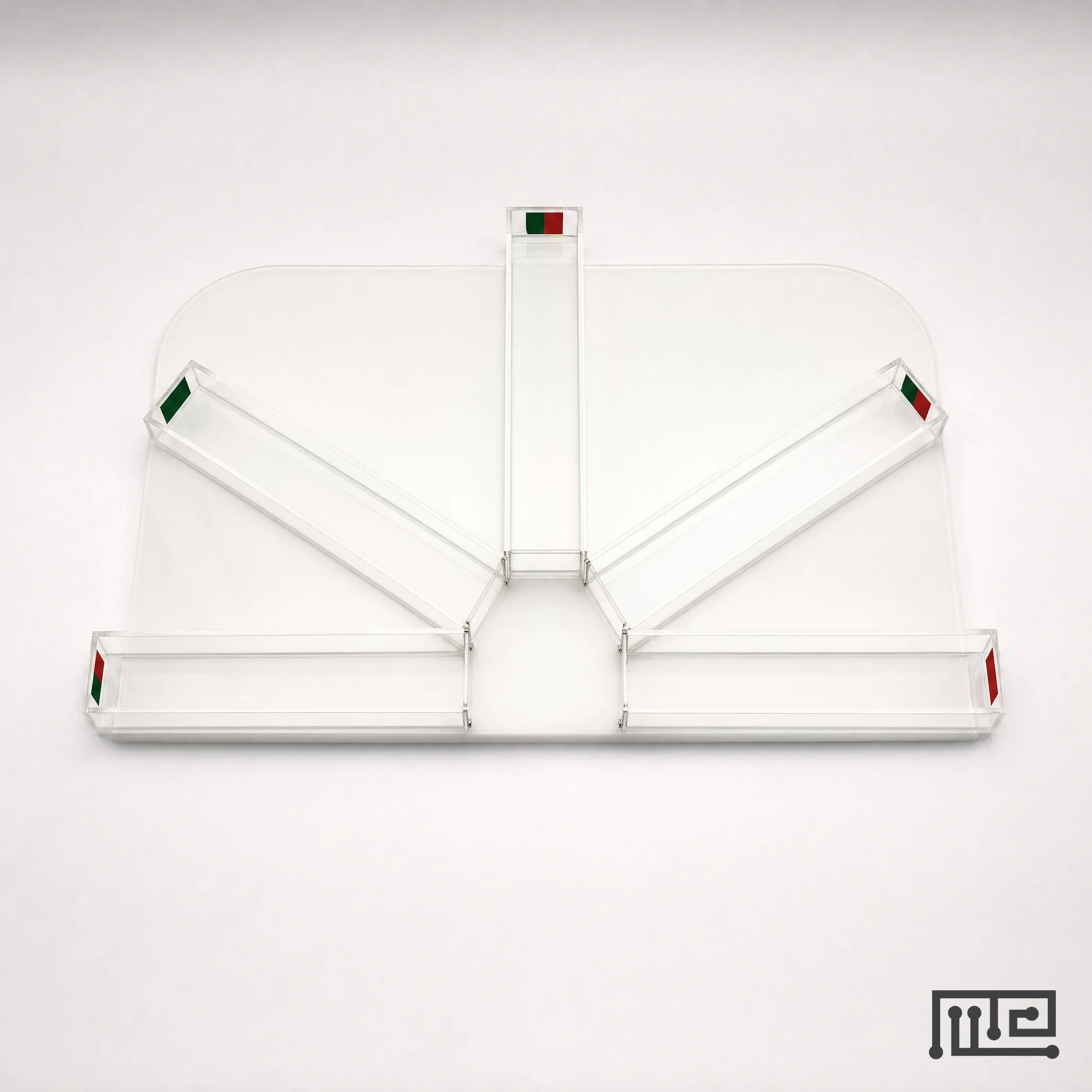
Zebrafish Judgment Bias Radial Maze
Five-arm white acrylic aquatic maze for spatial and color-cue discrimination, ambiguous-cue testing, and latency-based judgment-bias research in adult zebrafish.

Louise Corscadden, PhD
Director of Science · ConductScience
Ask Louise about Zebrafish Judgment Bias Radial Maze fit, setup, configuration, or quote prep.
Already working with us? Sign in to connect this with My Scientist.
Key Specifications
Full details →- Model fit
- Adult zebrafish
- SKU family
- Assigned during quote
- Sizing
- Model-specific dimensions confirmed from the selected configuration
- Ordering
- Quote-reviewed before fulfillment
- Category
- Zebrafish
- Build notes
- White acrylic
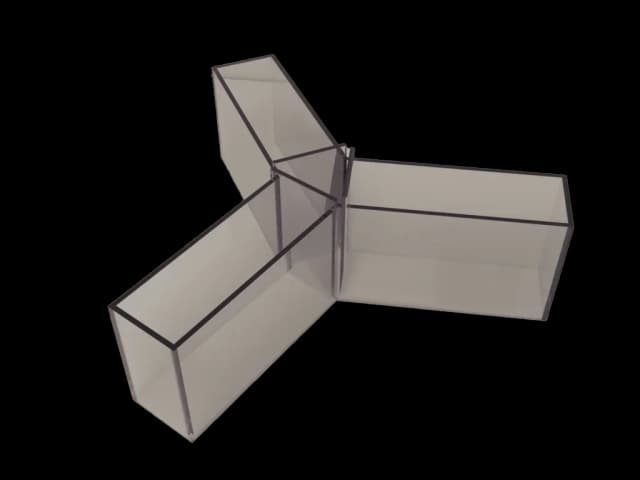
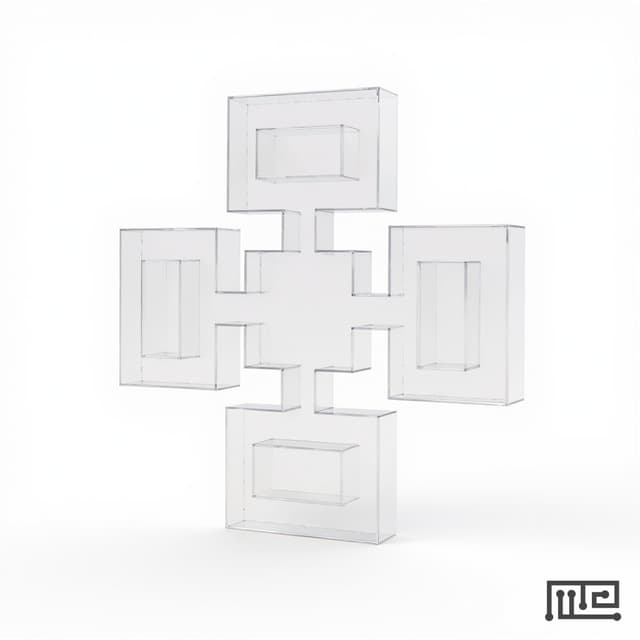
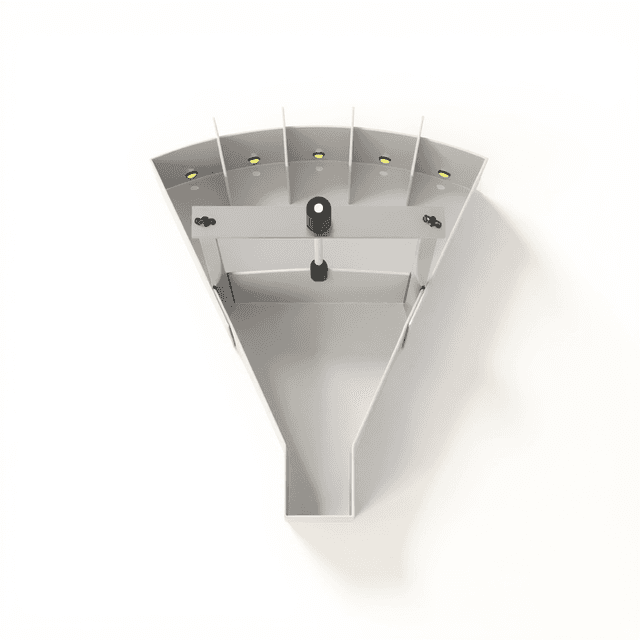
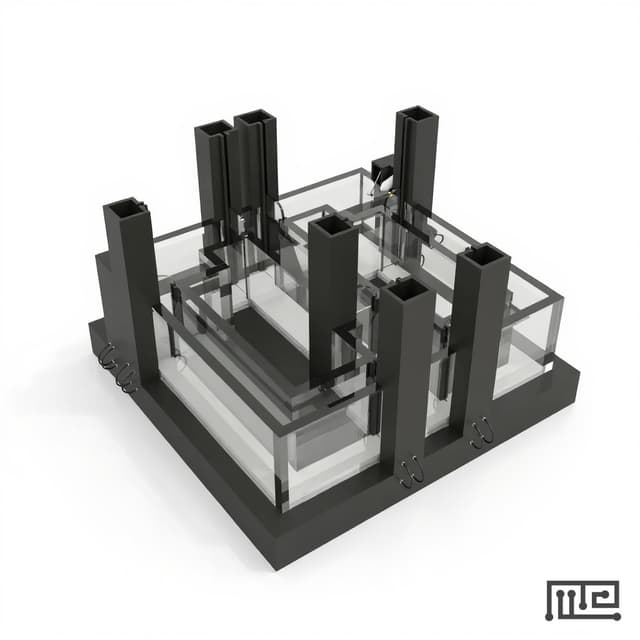
The Zebrafish Judgment Bias Radial Maze is a five-arm, half-radial aquatic apparatus for combining learned location cues with graded red and green visual cues. It supports latency-based assessment of responses to positive, negative, near-reference, and ambiguous cue positions in adult zebrafish.
The published design places two reference arms 180 degrees apart and three test arms at 45-degree intervals between them. A shared start box and independently operated guillotine doors allow one arm to be presented per trial.
Protocol fit
Use this apparatus when a study requires the Espigares et al. spatial and color-cue judgment-bias configuration. Final fabrication details such as wall height, acrylic thickness, tolerances, and protocol-specific dimensional changes are confirmed during quote review.
Recording workflow
The open half-radial geometry is compatible with overhead video recording. Plan camera mounting, water preparation, cue counterbalancing, and reward delivery alongside the maze.
Features & Benefits
Species
- Adult zebrafish
Configuration
- Five-arm half-radial aquatic maze
Construction
- White acrylic
Arm arrangement
- Five positions spanning 180° at 45° intervals
Published arm dimensions
- 51 cm long × 8.5 cm wide
Published start-box width
- 18 cm
Access control
- Five manually operated guillotine doors
Visual cues
- Full green, 3:1 green:red, 1:1, 1:3, and full red removable cards
Published protocol volume
- 15 L
Recording
- Overhead-camera compatible
Commercial configuration
- Final fabrication details confirmed during quote review
Practical Tips
Counterbalance the positive side and color across experimental groups.
Why: The published method reverses cue assignment to limit side and color bias.
Align an overhead camera and define visible arm-entry thresholds before the first trial.
Why: A fixed view supports consistent latency scoring.
Prepare and monitor water according to the approved laboratory protocol.
Why: The published method used 15 L at 28°C, 750 µS, and pH 7.0.
Confirm wall height, water depth, acrylic thickness, tolerances, and any dimensional changes during quote review.
Why: These fabrication details are not specified in the published apparatus figure.
Setup Guide
What’s in the Box
- Five-arm half-radial acrylic maze with shared start box
- Manual guillotine-door set
- Removable red and green cue-card set
- Final component list and fabrication details confirmed with the quote
Warranty
Fabrication support, replacement options, and warranty terms are confirmed with the final quote and institutional purchasing requirements.
Compliance
References
Background reading relevant to this product:
How does this maze differ from a zebrafish 5-choice apparatus?
This maze presents spatial and color cues in five open arms for a judgment-bias workflow. A 5-choice apparatus uses a different operant layout and response system.
Which dimensions are specified in the published design?
The published figure specifies arms that are 51 cm long by 8.5 cm wide and a start-box width of 18 cm. Wall height, acrylic thickness, start-box depth, and fabrication tolerances are confirmed during quote review.
Does the maze include a camera or analysis software?
The maze is compatible with overhead recording. Camera mounting, recording hardware, and analysis software can be planned as separate workflow components.
Can the positive side and cue color be reversed?
Yes. The published protocol counterbalances the positive location and color, so the removable cue set supports reversed assignments.
Can the dimensions be adapted for another fish species or protocol?
Protocol-specific dimensional changes can be reviewed during quoting. The final drawing should be approved before fabrication.
What water conditions were used in the published protocol?
The published method used 15 L of system water at 28°C, 750 µS conductivity, and pH 7.0. The laboratory supplies and maintains water according to its approved protocol.
Have a question about this product?
Have a question? Just ask.
Send it over and we'll email you a personalized answer — no call, no scheduling.
Prefer to talk it through?
Accessories
Enhance your setup with compatible accessories