MPTPPharmacological
Background: C57BL/6J
DA Neuron LossAcute (hours–days)
α-SynucleinNot observed
Motor Deficit1–3 days post-injection
Test Window1–7 days post-injection (acute); 1–3 weeks (subchronic)
The most widely used pharmacological model of PD. MPTP is converted to MPP+ by MAO-B in glial cells, which selectively destroys dopaminergic neurons in the substantia nigra via mitochondrial complex I inhibition. C57BL/6J mice are highly susceptible; BALB/c and most other strains are resistant. Acute protocol (4 × 20 mg/kg at 2-hour intervals) produces rapid bilateral dopamine depletion. Subchronic protocol (30 mg/kg daily × 5 days) produces more progressive neurodegeneration.
Ideal for: Neuroprotective drug screening; understanding dopaminergic cell death mechanisms; studies requiring bilateral nigrostriatal degeneration.
Jackson-Lewis V, Przedborski S. (2007). Protocol for the MPTP mouse model of Parkinson's disease. Nat Protoc, 2(1), 141-151. PMID: 17401348
MPTP Behavioral Battery
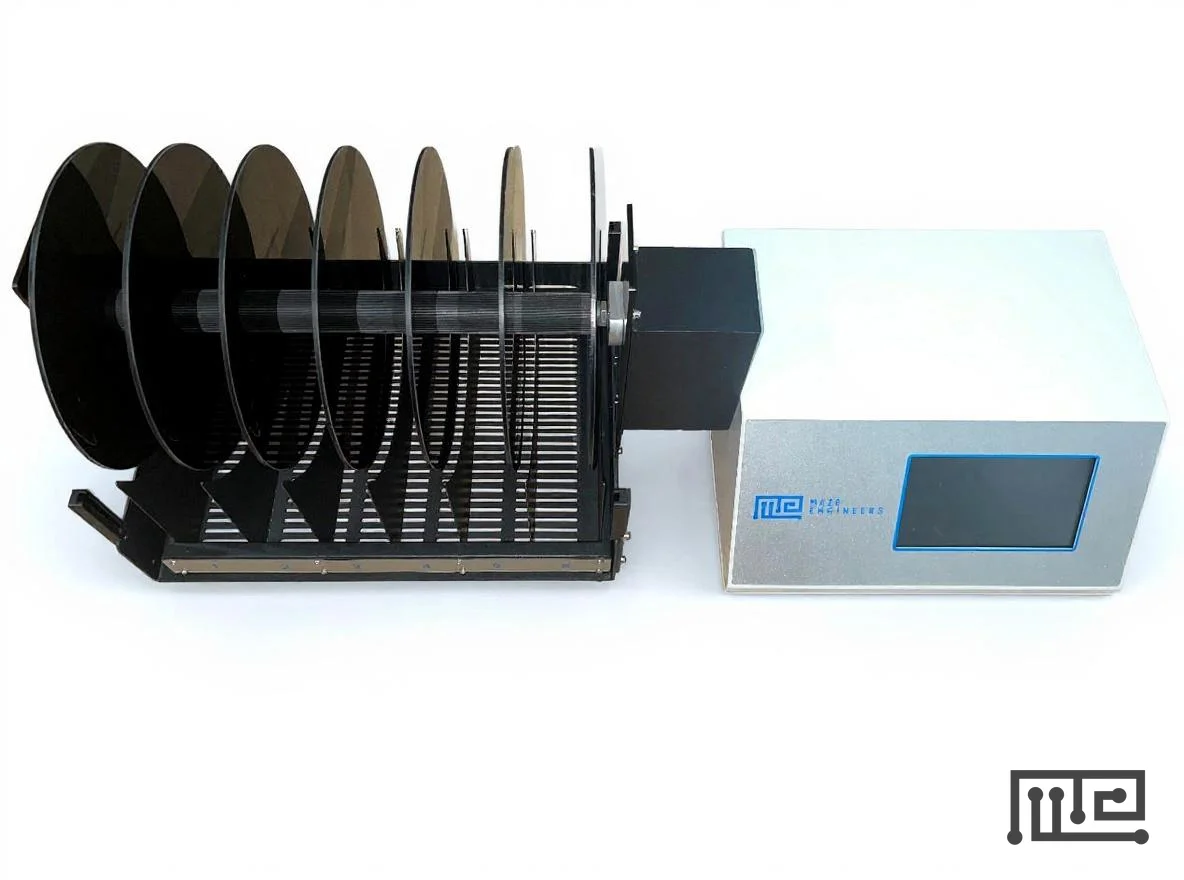
Rotarod
Gold standard for motor coordination and balance. MPTP mice show reduced latency to fall within 1–3 days of acute dosing. Accelerating rotarod protocol (4–40 RPM over 5 minutes) is most sensitive.
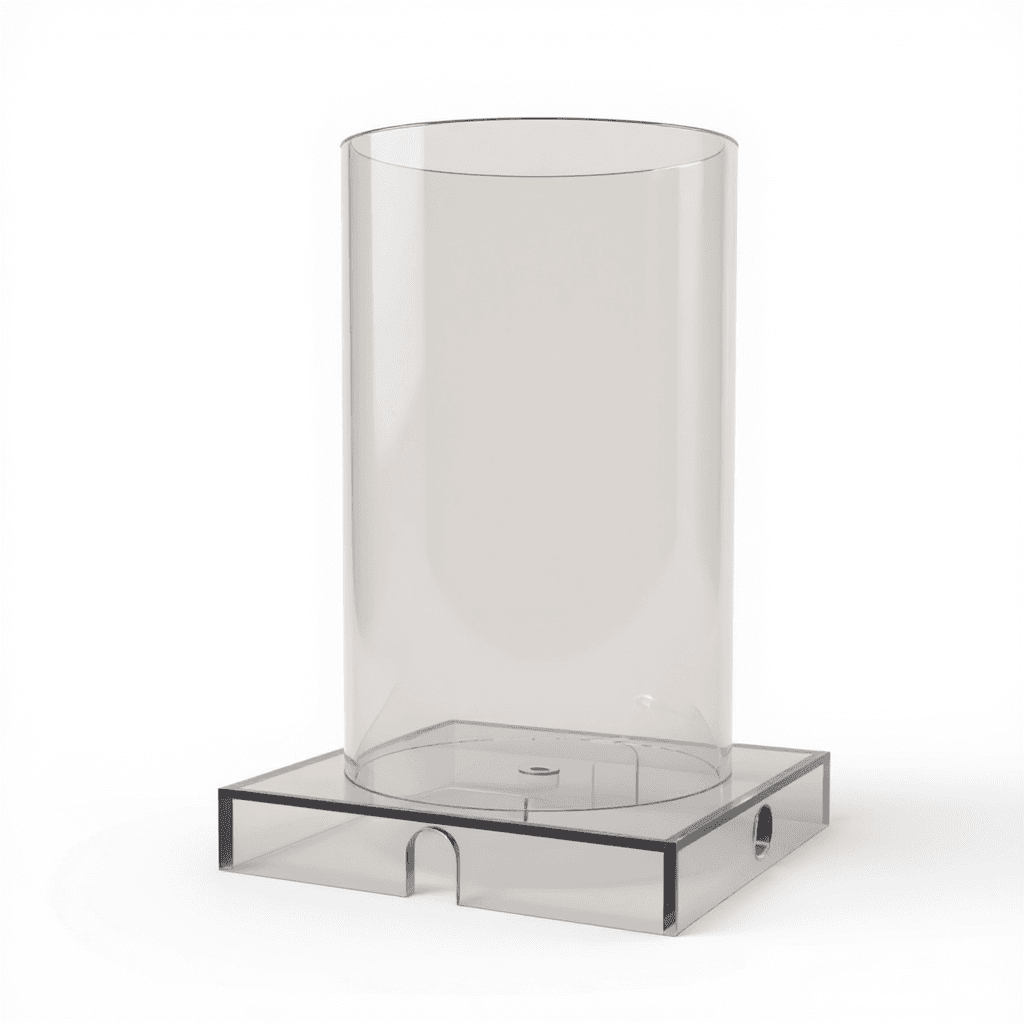
View Rotarod Test →Pole Test
Measures bradykinesia by timing the turn and descent on a vertical pole. MPTP mice show increased total descent time, reflecting nigrostriatal dopamine depletion.
View Pole Test →Open Field Test
Locomotor activity and exploratory behavior. MPTP reduces total distance traveled and rearing frequency. Also captures anxiety-like thigmotaxis as a non-motor readout.
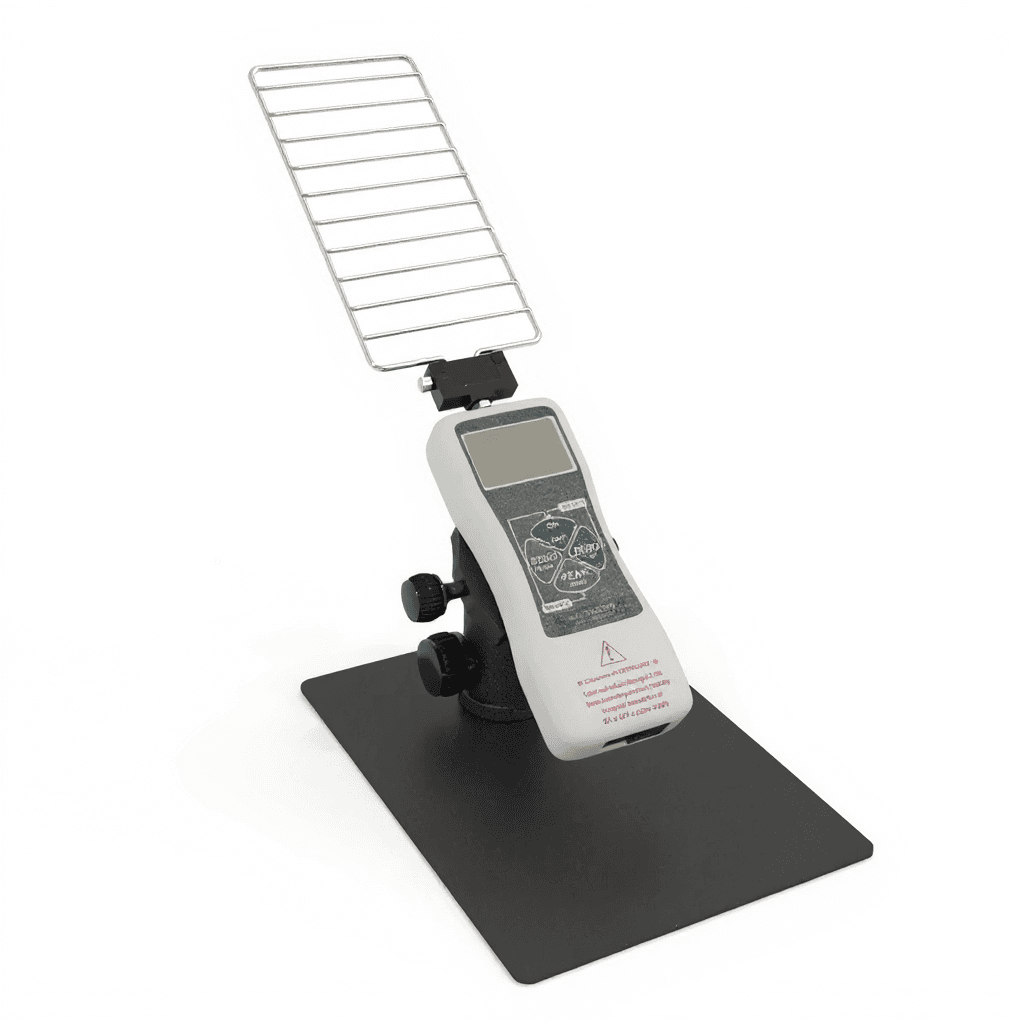
View Open Field Test →Grip Strength
Quantifies neuromuscular strength via peak force measurement. MPTP mice show reduced forelimb grip force, correlating with striatal dopamine loss.
View Grip Strength Test →Gait Analysis
Automated stride length, cadence, and paw placement analysis. MPTP mice show shortened stride length and increased stride variability, mirroring parkinsonian gait.
View Automated Gait Analysis →6-OHDAPharmacological
Background: C57BL/6J or Sprague-Dawley (rat)
DA Neuron LossProgressive (1–3 weeks)
α-SynucleinNot observed
Motor Deficit1–2 weeks post-injection
Test Window2–4 weeks post-injection
Catecholaminergic neurotoxin injected stereotaxically into the striatum or medial forebrain bundle (MFB). Does not cross the blood-brain barrier, requiring direct intracerebral injection. Unilateral injection produces a hemiparkinsonian model with an intact contralateral hemisphere as internal control. MFB injection produces near-complete ipsilateral DA depletion; striatal injection produces partial, progressive lesion.
Ideal for: Quantifiable rotational asymmetry assays; testing dopamine replacement and cell transplantation therapies; dose-titrated partial lesions.
Schwarting RK, Huston JP. (1996). The unilateral 6-hydroxydopamine lesion model in behavioral brain research. Analysis of functional deficits, recovery and treatments. Prog Neurobiol, 50(2-3), 275-331. PMID: 8971983
6-OHDA Behavioral Battery
Rotarod
Detects motor coordination deficits following unilateral DA depletion. Latency to fall is reduced on the accelerating protocol; bilateral coordination demands unmask asymmetric deficits.
View Rotarod Test →Balance Beam
Traversal time and foot slips on a narrow beam detect fine motor deficits. 6-OHDA-lesioned animals show increased foot slips on the contralateral side.
View Balance Beam Test →Open Field Test
Unilateral 6-OHDA produces ipsilateral circling in the open field. Total distance and rotational bias quantify lesion severity and drug response.
View Open Field Test →Pole Test
Increased turn time and descent time reflect basal ganglia dysfunction. Sensitive to partial striatal lesions that may not produce rotational asymmetry.
View Pole Test →Gait Analysis
Captures asymmetric gait parameters including stride length, swing speed, and paw print area. Reveals contralateral limb deficits in the unilateral model.
View Automated Gait Analysis →α-Synuclein PFFFibril Seeding
Background: C57BL/6J
DA Neuron LossProgressive (3–6 months)
α-SynucleinSpreading Lewy-like inclusions
Motor Deficit5–6 months post-injection
Test Window3–6 months post-injection
Sonicated recombinant alpha-synuclein fibrils injected into the striatum seed endogenous alpha-synuclein aggregation that spreads via anatomically connected pathways. Produces phosphorylated alpha-synuclein inclusions resembling Lewy bodies, progressive dopaminergic neurodegeneration, and motor deficits — the only non-transgenic model recapitulating prion-like synucleinopathy. Requires 3–6 months for full pathology development.
Ideal for: Studying alpha-synuclein propagation and Lewy body formation; testing anti-aggregation therapies; modeling the progressive nature of human PD.
Luk KC, et al. (2012). Pathological alpha-synuclein transmission initiates Parkinson-like neurodegeneration in nontransgenic mice. Science, 338(6109), 949-953. PMID: 23161999
α-Synuclein PFF Behavioral Battery
Rotarod
Motor coordination deficits emerge at 5–6 months post-injection as nigrostriatal degeneration progresses. Longitudinal rotarod testing tracks disease progression.
View Rotarod Test →Grip Strength
Progressive decline in forelimb grip force parallels dopaminergic neuron loss. Useful for longitudinal monitoring of neuromuscular function.
View Grip Strength Test →Open Field Test
Reduced locomotor activity and rearing emerge at 4–6 months. Open field also captures anxiety-like behavior as a non-motor PD symptom.
View Open Field Test →Balance Beam
Sensitive to subtle motor deficits that precede rotarod impairment. Foot slip frequency increases progressively with synuclein pathology.
View Balance Beam Test →Forced Swim Test
Depression is a major non-motor symptom of PD. PFF-injected mice show increased immobility, reflecting depressive-like behavior linked to dopaminergic and serotonergic circuit disruption.
View Forced Swim Test →RotenonePharmacological
Background: C57BL/6J or Lewis (rat)
DA Neuron LossProgressive (weeks)
α-SynucleinCytoplasmic inclusions
Motor Deficit3–5 weeks of exposure
Test Window4–6 weeks post-exposure onset
Naturally occurring mitochondrial complex I inhibitor administered chronically via subcutaneous osmotic minipump or oral gavage. Produces selective nigrostriatal dopaminergic degeneration, alpha-synuclein-positive cytoplasmic inclusions, oxidative stress, and microglial activation. Models the environmental risk factor hypothesis of PD — rotenone is a commonly used pesticide.
Ideal for: Environmental toxin studies; mitochondrial dysfunction research; models requiring alpha-synuclein aggregation without genetic manipulation.
Betarbet R, et al. (2000). Chronic systemic pesticide exposure reproduces features of Parkinson's disease. Nat Neurosci, 3(12), 1301-1306. PMID: 11100151
Rotenone Behavioral Battery
Rotarod
Progressive decline in rotarod performance over weeks of exposure. Dose-dependent impairment correlates with striatal dopamine depletion.
View Rotarod Test →Pole Test
Increased turn and descent time during chronic rotenone exposure. One of the most sensitive motor readouts for this model.
View Pole Test →Gait Analysis
Shortened stride length, reduced cadence, and increased variability during chronic exposure. Automated gait analysis captures progressive deterioration.
View Automated Gait Analysis →Balance Beam
Traversal time increases and foot slips accumulate with progressive dopaminergic loss. Complements rotarod with a fine motor coordination readout.
View Balance Beam Test →Open Field Test
Chronic rotenone reduces total locomotor activity and vertical rearing. Baseline open field assessment before exposure onset is essential for within-subject comparison.
View Open Field Test →