
1 / 3
Pole Test
SKU 5019
$690.00
IncludesStandard care
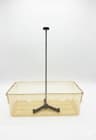
Vertical pole apparatus for assessing motor coordination and movement disorders in rodent models of Parkinson’s disease and dopaminergic dysfunction.
CE MarkedBAA available
Scientist guidance

Louise Corscadden, PhD
Director of Science · ConductScience
Ask Louise about Pole Test fit, setup, configuration, or quote prep.
Already working with us? Sign in to connect this with My Scientist.
Key Specifications
Full details →- Model fit
- Mouse, Rat
- SKU family
- CS-958382
- Sizing
- Mouse Pole test: Diameter 8 mm · Length 50 cm; Rat Pole test: Diameter 10 mm · Length 63 cm
- Ordering
- Online checkout and quote request available
- Category
- Behavioral Mazes
- Build notes
- Confirm accessories, station layout, and support needs before purchase
The Pole Test is a standardized behavioral apparatus designed to assess motor coordination and movement disorders in rodents. This simple yet sensitive test evaluates an animal's ability to orient and descend from a vertical pole, providing quantitative measures of motor dysfunction commonly associated with nigrostriatal damage and dopaminergic system impairment.
The apparatus consists of a vertical pole with species-specific diameters (8 mm for mice, 10 mm for rats) that allows researchers to measure turning time, total descent time, and movement quality. The test is particularly valuable for evaluating motor phenotypes in Parkinson's disease models, including 6-OHDA lesioned animals and MPTP-treated subjects, where bradykinesia and postural instability are primary endpoints.
*TUB NOT INCLUDED
How It Works
The pole test exploits the natural tendency of rodents to turn head-down and descend when placed on a vertical pole. Normal animals rapidly orient themselves and descend smoothly, while animals with motor dysfunction exhibit prolonged turning times and hesitant, bradykinetic movements during descent.
The test measures two primary parameters: turning time (latency to orient head-down) and total descent time (time to reach the base). Additional qualitative assessments include movement fluidity, number of slips, and use of alternative descent strategies. These measures correlate with the degree of striatal dopamine depletion and provide a sensitive index of motor impairment.
The apparatus diameter is optimized for each species to ensure appropriate grip difficulty - too narrow causes slipping in healthy animals, while too wide fails to challenge motor-impaired subjects. The standardized dimensions (8 mm for mice, 10 mm for rats) have been validated across multiple Parkinson's disease models.
Features & Benefits
Species-specific pole diameters
Optimized grip challenge for mice (8 mm) and rats (10 mm) ensures appropriate difficulty level for motor assessment
Standardized vertical design
Consistent test conditions enable reliable comparison across studies and laboratories
Simple apparatus construction
Minimal technical requirements allow focus on behavioral endpoints rather than equipment complexity
Quantitative timing measures
Objective assessment of turning time and descent time provides statistical power for group comparisons
Compatible with video analysis
Supports automated scoring and detailed movement analysis for comprehensive motor evaluation
Storage container included
Organized storage prevents component loss and maintains apparatus condition between experiments
Assembly required design
Compact shipping and secure setup ensure apparatus stability during testing
Sizes by model
| Measurement | Mouse Pole test | Rat Pole test |
|---|---|---|
| Diameter | 8 mm | 10 mm |
| Length | 50 cm | 63 cm |
Warranty Length
- 1 YEAR
Storage Included
- Yes
Assembly Required
- Yes
Behavioral Construct
- Motor Coordination
- Bradykinesia
- Postural Control
- Movement Quality
Automation Level
- manual
Research Domain
- Addiction Research
- Behavioral Pharmacology
- Motor Function
- Neurodegeneration
- Neuroscience
Compatible Tracking Software
- ConductVision
Shipping weight
- 6.06 lb
Shipping box
- L: 65.0 cm
- W: 36.0 cm
- H: 27.0 cm
| Feature | This Product | Typical Alternative | Advantage |
|---|---|---|---|
| Species Optimization | Dedicated 8mm (mouse) and 10mm (rat) pole diameters | Generic diameter poles that may not optimize grip challenge | Species-specific sizing ensures appropriate motor challenge for detecting subtle deficits. |
| Storage Solution | Integrated storage container included | Basic apparatus without organized storage | Prevents component loss and maintains apparatus condition between experiments. |
| Assembly Design | Engineered assembly system for secure mounting | Simple pole designs with basic support | Ensures apparatus stability during testing for consistent and safe behavioral assessment. |
| Test Validation | Dimensions based on established motor dysfunction protocols | Variable sizing without standardization | Enables direct comparison with published literature and multi-site studies. |
This pole test apparatus provides species-optimized dimensions validated in motor dysfunction research, with integrated storage and secure assembly design. The standardized specifications support reproducible assessment of dopaminergic system function across different research environments.
| Model | Size | SKU | Listed price | Status | Shipping box |
|---|---|---|---|---|---|
| Mouse Pole test | Diameter 8 mm · Length 50 cm | 5018 | $490.00 | Available | 50.8 x 17.78 x 2.54 cm |
| Rat Pole test | Diameter 10 mm · Length 63 cm | 5019 | $690.00 | Available | 63 x 36.0 x 27.0 cm |
Neuroscience
Evaluating motor deficits in 6-OHDA lesioned mice and rats to assess nigrostriatal pathway damage and dopaminergic neuron loss.
Behavioral Pharmacology
Testing therapeutic efficacy of anti-Parkinsonian drugs by measuring improvements in pole descent performance following treatment.
Neurodegeneration
Longitudinal monitoring of motor decline in transgenic mouse models of Parkinson's disease to track disease progression.
Motor Function
Quantifying bradykinesia and postural instability in MPTP-treated animals as endpoints for neuroprotection studies.
Addiction Research
Assessing motor complications following chronic psychostimulant exposure that affects dopaminergic system function.
Practical Tips
Calibration
Verify pole height at 55 cm before each testing session using a standard ruler.
Why: Consistent height ensures comparable descent times across experiments and matches published protocols.
Maintenance
Clean pole surface with 70% ethanol between animals and inspect for surface wear monthly.
Why: Maintains consistent grip conditions and prevents cross-contamination between test subjects.
Best Practices
Test animals at consistent times of day and allow 5-minute intervals between trials.
Why: Controls for circadian motor activity variations and prevents fatigue confounds in motor assessment.
Data Quality
Record both turning time and total descent time, plus qualitative movement observations.
Why: Multiple measures provide comprehensive motor assessment and distinguish between different types of dysfunction.
Troubleshooting
If animals freeze at the top, gently tap the pole base to encourage natural descent behavior.
Why: Reduces anxiety-related immobility while maintaining the natural motor challenge of the test.
Safety
Place soft bedding material at the pole base to cushion any falls during testing.
Why: Prevents injury while maintaining test sensitivity, particularly important for motor-impaired animals.
Setup Guide
Unpack and Inspect
Remove all components from storage container and verify pole integrity and mounting hardware are included.
Assemble Apparatus
Mount the vertical pole securely in the provided base, ensuring complete stability and proper height positioning.
Surface Preparation
Clean pole surface with appropriate disinfectant and allow to dry completely before testing.
Height Calibration
Set pole height to standard 55 cm for consistent descent distance across all test sessions.
Camera Positioning
Position recording equipment to capture both turning behavior at the top and descent movement along the full pole length.
Training Protocol
Conduct 2-3 habituation trials to familiarize animals with the apparatus before data collection begins.
Data Recording Setup
Prepare timing equipment or video analysis software to measure turning time and total descent time accurately.
What’s in the Box
- Vertical pole (species-specific diameter)
- Mounting base
- Assembly hardware
- Storage container
- User manual (typical)
Warranty
ConductScience provides a 1-year manufacturer warranty covering defects in materials and workmanship, with technical support available for setup and protocol optimization.
Compliance
ARRIVE GuidelinesSupports standardized behavioral testing protocols required for transparent reporting of animal research methodology.
NIH Guidelines for Care and Use of Laboratory AnimalsCompatible with approved animal welfare standards for behavioral testing procedures in research environments.
References
Background reading relevant to this product:
1.K Matsuura et al. (1997) “Pole test is a useful method for evaluating the mouse movement disorder caused by striatal dopamine depletion” Journal of Neuroscience Methods doi:10.1016/s0165-0270(96)02211-x
Q
What training protocol is recommended before data collection?
A
Conduct 2-3 habituation trials to familiarize animals with the apparatus. This reduces anxiety-related confounds while maintaining sensitivity to motor deficits.
Q
How sensitive is the pole test to partial dopamine depletion?
A
The test can detect motor deficits with as little as 50-60% striatal dopamine loss, making it suitable for mild to moderate lesion studies.
Q
What are the key timing parameters to measure?
A
Record turning time (latency to orient head-down) and total descent time. Additional measures include number of slips and qualitative movement assessment.
Q
Can the test distinguish between different types of motor impairment?
A
Yes, bradykinetic animals show prolonged descent times while animals with postural instability exhibit increased turning times and slipping behavior.
Q
What pole height should be used for standard protocols?
A
Standard height is 55 cm, providing sufficient descent distance for timing measurements while preventing injury from falls.
Q
How does this compare to rotarod testing for motor assessment?
A
The pole test is more sensitive to bradykinesia and natural movement patterns, while rotarod primarily measures balance and coordination under forced conditions.
Have a question about this product?
Track rodents with ConductVision
ConductVision is our video-tracking software. Record your sessions on video, and it scores standard rodent tests, such as those listed below.
Examples of tests it scores
To check whether ConductVision scores your protocol in this apparatus, ask in your quote request.
Ask a question
Have a question? Just ask.
Send it over and we'll email you a personalized answer — no call, no scheduling.
Personalized email reply
Usually within one business day
Helpful answers published here
Prefer to talk it through?
Frequently Bought Together
Total: $2,730.00
Creator Insights
Norio OgawaIntroduced the pole test of bradykinesia in MPTP mice (1985)Okayama University Medical School, Japan
About the Creator
Norio Ogawa led research on experimental models of Parkinson’s disease in the Department of Neuroscience at Okayama University Medical School. Working shortly after the 1983 discovery that MPTP selectively destroys nigrostriatal dopamine neurons, Ogawa and colleagues developed a reproducible MPTP mouse model and, in 1985, introduced the pole test: a mouse placed head-upward atop a vertical pole is timed as it turns downward and descends, giving a quantitative index of bradykinesia. Their paper established the test’s sensitivity to dopamine-restoring interventions and validated it as a quantitative motor readout in Parkinsonian models. The pole test is now one of the most widely used motor endpoints in rodent Parkinson’s research, often run alongside the rotarod and cylinder tests.
To view Norio Ogawa’s publications, visit PubMed.
Are you Norio Ogawa? to review your photo and bio, and find out how to submit Creator Insights.
ConductScience celebrates method creators: researchers who, through rigorous and often ingenious experiments, develop the tools that reveal how the brain and body work. These are real scientific discoveries that become everyday instruments for the labs that follow.
Foundational paper
- Ogawa, N., Hirose, Y., Ohara, S., Ono, T., & Watanabe, Y. (1985). A simple quantitative bradykinesia test in MPTP-treated mice. Research Communications in Chemical Pathology and Pharmacology, 50(3), 435–441. Link
Use this apparatus with
The complete Pole Test workflow
Track behavior
No exact ConductVision pole-test page is currently published. Time to turn and time to descend are normally captured by a stopwatch and frame-by-frame video rather than overhead tracking; keep automated turn detection as a roadmap gap.
Supporting page not yet builtRun protocol
Training trials, pole texture and diameter, head-up orientation, and definitions for time to turn, time to descend, falls, and missteps.
ConductMaze Pole Test Protocol ->Analyze output
Summarize time to turn, time to descend, falls and slips, missteps, and turn-direction bias across trials with quality-control flags.
Pole Test Latency Scorer ->Configuration considerations
Common Pole Test setup decisions
Use these notes to scope species, cohort, tracking, and automation needs. Only verified product or support routes are linked from this section.
This productTextured pole
Vertical Pole Apparatus
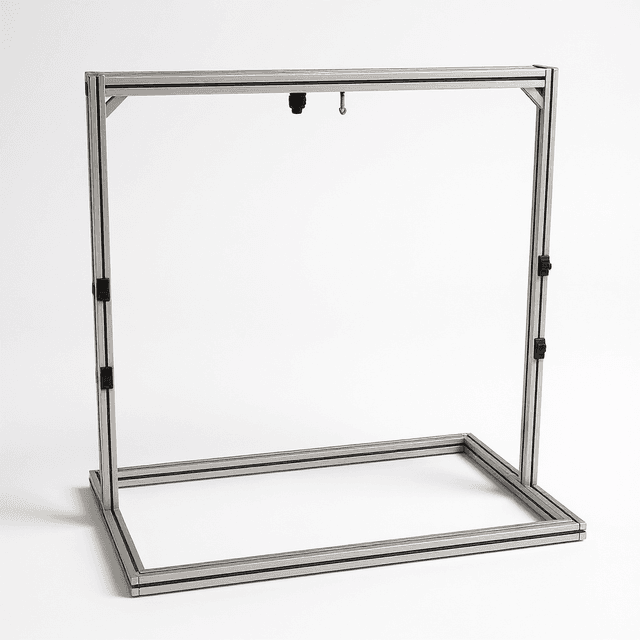
Vertical textured pole on a base with a home cage at the bottom and padding around it
Standard configuration for bradykinesia and motor initiation, scoring time to turn and time to descend as the animal turns head-down and climbs to the base.
Quote
Request QuoteBuyableMouse or rat
Species-Scaled Pole
Pole diameter and height scaled for mouse or rat grip and body size
Pole diameter and height change grip mechanics and descent time, so the pole geometry should match the grip span and body size of the species being tested.
Quote
View options ->SpecialtyGauze-wrapped
High-Grip Pole
Gauze-wrapped pole surface for maximal grip and reduced slipping
Best when slipping confounds descent time, because a gauze-wrapped high-grip surface isolates turning and descent coordination from grip failure on a smooth pole.
Quote
Request automation help§ 1
Introduction
The Pole Test measures bradykinesia and motor initiation by recording how long a rodent takes to turn head-down at the top of a vertical pole and to descend to the base. Ogawa and colleagues introduced the test as a simple quantitative measure of bradykinesia in dopamine-depleted mice. 1
The two core readouts are time to turn, an index of movement initiation, and time to descend, which captures the full turning-and-climbing sequence. Because turning head-down on a narrow pole requires coordinated initiation and postural adjustment, the test is widely used to characterize sensorimotor anomalies in models of striatal dopamine depletion. 1
Pole texture and diameter, training state, body weight, motivation to descend to the home cage, and motor learning all change turn and descent times independent of true motor initiation. A defensible protocol fixes pole geometry and surface, trains animals to a stable head-up start, scores falls and missteps separately, and reports turn-direction bias as a quality-control flag. 1
§ 2
Methods
2.1 Procedure
Head-up start with time-to-turn and time-to-descend scoring, fall and misstep classification, and turn-direction tracking.
Pre-test setup
- 1.Acclimation and habituation: Habituate animals to the room and to the home cage at the base of the pole so the first measured trial reflects motor initiation rather than novelty or handling stress.
- 2.Apparatus calibration: Verify pole diameter, height, and surface texture, place the home cage and padding at the base, and confirm the camera captures the turn and full descent for frame-by-frame scoring.
- 3.Training to baseline: Train animals over consecutive trials to start head-up at the top and turn reliably, so test-day data reflect motor initiation rather than learning the task.
- 4.Define scoring rules: Pre-define time to turn, time to descend, what counts as a fall, what counts as a misstep, and how trials are capped for animals that slide rather than climb.
Trial sequence
- 1.Place head-up at the top: Position the animal head-up near the top of the pole and release it, starting the timer at release.
- 2.Record time to turn: Record the time from release until the animal completes a head-down turn, the index of movement initiation.2
- 3.Record time to descend: Record the total time from release until all four paws reach the base, capping at the pre-defined maximum for animals that stall or slide.3
- 4.Classify falls and missteps: Record falls and missteps as distinct outcomes rather than folding them into descent time, since each reflects a different coordination or grip failure.
- 5.Log turn bias and repeat: Note turn direction to flag a directional bias, then clean the pole between subjects to remove odor and urine cues before the next trial.
Critical methodological constraints
- Pole texture and diameter. Surface texture and diameter set grip and descent difficulty. A smooth pole causes sliding that confounds descent time; geometry and surface must be held constant.2
- Training state. Untrained animals confound motor initiation with task acquisition. Train to a stable head-up start and reliable turn before the test session.3
- Body weight. Heavier animals descend differently independent of motor initiation. Report body weight and consider it when groups differ in mass.
- Motivation. A home cage or familiar enclosure at the base motivates descent. A weak incentive increases stalling and inflates descent time without a true deficit.
2.2 Measurement & Analysis
Core pole-test endpoints for bradykinesia, motor initiation, and quality control.
Time To Turn (T-turn)
Bradykinesia
Time from release until the animal completes a head-down turn at the top of the pole, the primary index of movement initiation.2
Time To Descend (T-total)
Motor initiation & descent
Total time from release until all four paws reach the base, capturing the full turning-and-climbing sequence.3
Falls/Slips
Coordination failure
Number of falls or slips down the pole, recorded as a distinct outcome rather than folded into descent time.
Missteps
Grip control
Count of paw missteps or slips during the controlled descent, indexing grip and limb-placement control.
Turn Direction Bias
Quality-control flag
Consistent preference for turning one direction, which can flag unilateral motor asymmetry or an apparatus artifact.
+ Additional metrics: trial number, pole surface, body weight, latency to start moving, descent strategy (climb versus slide), and per-trial video notes.
2.3 descent-time fraction (analysis)
A compact fraction of the maximum trial window taken up by turning and descending.
2.4 sample-size planning
Estimate the N per group needed to detect a literature-anchored motor effect at the endpoint you plan to report. Override the defaults with your own pilot numbers.
§ 3
Results
PubMed publication counts, sample apparatus output, and recent papers from a dated PubMed snapshot.
3.1 Publication trends
PubMed volume and co-occurring behavioral methods for pole-test bradykinesia studies.
3.2 Sample apparatus output
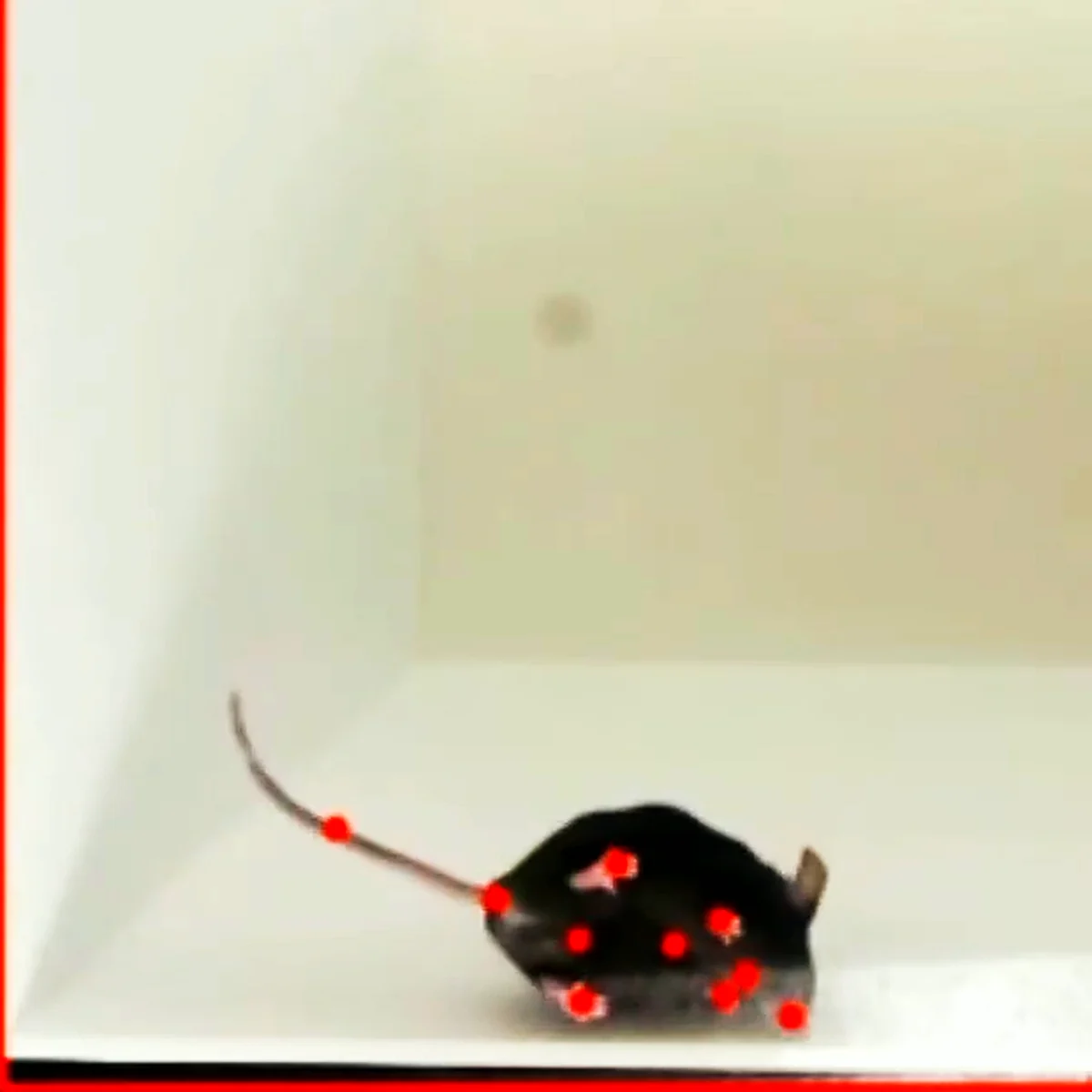
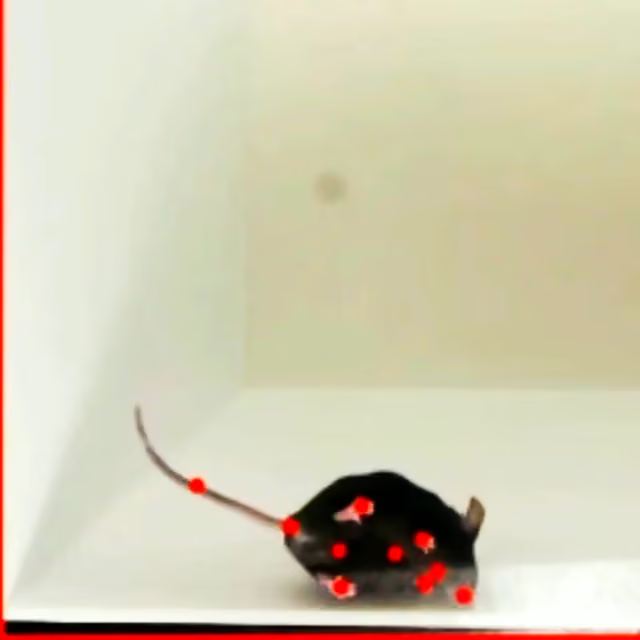
Representative output from a textured-pole session with a head-up start and a 30 s trial cap.
3.3 Recent findings (PubMed)
- Sep 2026PMID: 42259396
Kinsenoside alleviates MPTP-induced Parkinson's disease via Akt activation and apoptosis inhibition in a mouse model.
Yeh TM, Sung WW, Li MZ, et al.. Behav Brain Res. 2026 Sep 13.
Parkinson's disease (PD) is a common neurodegenerative disorder primarily characterized by motor dysfunction; however, recent studies have highlighted a broad spectrum of non-motor symptoms, including cognitive impairment and psychological harm.
- Sep 2026PMID: 42128255
Anti-inflammatory and anti-oxidative effects of vanadium on motor and cerebellar cortices of juvenile hydrocephalic mice.
Olopade FE, Femi-Akinlosotu OM, Ugwuorah JC, et al.. Exp Neurol. 2026 Sep.
Hydrocephalus presents a significant clinical neurology challenge, manifesting complications such as neuronal degeneration, cognitive impairments and motor deficits. Ventricular shunting is the primary recourse for treatment, but it is fraught with complications such as infection and obstruction.
- Sep 2026PMID: 42102894
Differential confounds of identification methods in Parkinson's disease models: Neuroinflammatory aggravation by toe-clipping versus sensorimotor disruption by ear-tagging.
Jiang X, Wei Y, Wang R. J Neurosci Methods. 2026 Sep.
Toe-clipping and ear-tagging are standard rodent identification methods. Their potential to confound outcomes in Parkinson's disease (PD) research remains poorly characterized.
- 2026PMID: 42592279
Atherosclerotic-dose TMAO accentuates redox imbalances and motor dysfunctions in a MPTP mouse model of Parkinson's disease.
Panaitescu PŞ, Bâldea I, Toma VA, et al.. Front Aging Neurosci. 2026.
Parkinson's Disease (PD) involves the loss of dopaminergic neurons and the formation of Lewy bodies consisting of alpha-synuclein (αSin) aggregates. Trimethylamine N-oxide (TMAO), a gut microbiota metabolite, has emerged as a molecule of interest due to pro-inflammatory, pro-oxidative, and neurodegenerative effects.
- Jul 2026PMID: 42514419
Neuroprotective Effects of Distilled Extract of Zanthoxylum piperitum in Parkinson's Disease Models.
Park SB, Gong J, Yang G, et al.. Nutrients. 2026 Jul 17.
Background: Parkinson's disease (PD) is a progressive neurodegenerative disorder characterized by the selective loss of dopaminergic neurons in the substantia nigra. Oxidative stress, neuroinflammation, and α-synuclein aggregation are central pathological features of PD.
- Jun 2026PMID: 42234336
Treadmill Exercise Alleviates Motor Deficits of PD Mice via Regulating STING-Mediated Valeric Acid-Th17/Treg-IL-17A Axis.
Liu X, Lv M, Liu D, et al.. Mol Neurobiol. 2026 Jun 3.
The objective of this study is to investigate the effects of treadmill exercise on motor deficits in chronic 1-methyl-4-phenyl-1,2,3,6-tetrahydropyridine/probenecid (MPTP/p)-induced chronic Parkinson's disease (PD) mice and the underlying mechanisms.
§ 4
Discussion
Limitations of the paradigm, methodological caveats, and current directions.
4.1 Common confounds
Variables that can shift Pole Test results apart from the effect under study.
Pole texture/diameter
Surface texture and diameter set grip and descent difficulty. A smooth pole causes sliding that confounds descent time, so geometry and surface must be held constant.
Training state
Untrained animals confound motor initiation with task acquisition. Train to a stable head-up start and reliable turn before testing.
Body weight
Heavier animals descend differently independent of motor initiation, so weight should be reported and considered when groups differ in mass.
Motivation (home-cage at base)
A home cage or familiar enclosure at the base motivates descent. A weak incentive increases stalling and inflates descent time without a true deficit.
Motor learning
Turn and descent times improve across early trials as animals learn the task, so a single session can confound bradykinesia with task acquisition.
Preview exported markdown
## Pole Test — methods controls

Confounds controlled in this protocol:

- **Pole texture/diameter.** Surface texture and diameter set grip and descent difficulty. A smooth pole causes sliding that confounds descent time, so geometry and surface must be held constant.
- **Training state.** Untrained animals confound motor initiation with task acquisition. Train to a stable head-up start and reliable turn before testing.
- **Body weight.** Heavier animals descend differently independent of motor initiation, so weight should be reported and considered when groups differ in mass.
- **Motivation (home-cage at base).** A home cage or familiar enclosure at the base motivates descent. A weak incentive increases stalling and inflates descent time without a true deficit.
- **Motor learning.** Turn and descent times improve across early trials as animals learn the task, so a single session can confound bradykinesia with task acquisition.
4.2 Construct validity caveats
The pole test is strongest when pole surface and geometry, training, and scoring rules are fixed before testing, and falls and missteps are recorded separately from descent time. Time to turn and time to descend index different stages; report them separately and confirm bradykinesia with an independent motor assay such as gait analysis or the rotarod. 1
4.3 Special considerations
When should I use the rotarod instead?
Use the rotarod for gross coordination and endurance under forced locomotion. The pole test is more specific to movement initiation and bradykinesia, especially in models of striatal dopamine depletion.
Why separate time to turn from time to descend?
Time to turn indexes movement initiation while time to descend captures the full turning-and-climbing sequence. Reporting them separately distinguishes an initiation deficit from a descent or grip problem.
How do I prevent sliding from confounding descent time?
Use a textured or gauze-wrapped pole so animals climb rather than slide. A smooth surface lets animals slide down, which shortens descent time without reflecting coordinated motor control.
4.4 Current directions
Quarterly editorial review of emerging Pole Test methodology. Q2 2026
Methods
Standardized pole surface
Specifying pole texture and diameter improves comparability of turn and descent times between labs and reduces sliding artifacts.
Emerging
Video-based latency scoring
High-frame-rate video and frame-by-frame scoring improve the reliability of time-to-turn and time-to-descend measurement and reduce observer burden.
Methods
Separate turn and descent endpoints
Reporting time to turn and time to descend separately is increasingly expected because each captures a distinct stage of the motor sequence.
Emerging
Multi-assay motor batteries
The pole test is paired with rotarod, gait analysis, and grip strength to separate bradykinesia from coordination, endurance, and strength.
§ 5
References
5 selected methods and validation references for Pole Test.
- Ogawa N, Hirose Y, Ohara S, Ono T, Watanabe Y. A simple quantitative bradykinesia test in MPTP-treated mice. Res Commun Chem Pathol Pharmacol. 1985;50(3):435-441. PMID:4089123
- Matsuura K, Kabuto H, Makino H, Ogawa N. Pole test is a useful method for evaluating the mouse movement disorder caused by striatal dopamine depletion. J Neurosci Methods. 1997;73(1):45-48. doi:10.1016/s0165-0270(96)02211-x
- Fleming SM, Salcedo J, Fernagut PO, et al. Early and progressive sensorimotor anomalies in mice overexpressing wild-type human alpha-synuclein. J Neurosci. 2004;24(42):9434-9440. doi:10.1523/JNEUROSCI.3080-04.2004
- Sedelis M, Schwarting RK, Huston JP. Behavioral phenotyping of the MPTP mouse model of Parkinson's disease. Behav Brain Res. 2001;125(1-2):109-125. doi:10.1016/s0166-4328(01)00309-6
- Brooks SP, Dunnett SB. Tests to assess motor phenotype in mice: a user's guide. Nat Rev Neurosci. 2009;10(7):519-529. doi:10.1038/nrn2652
Pole Test
$690.00
Added to quoteView Quote