Anesthesia Induction Chamber
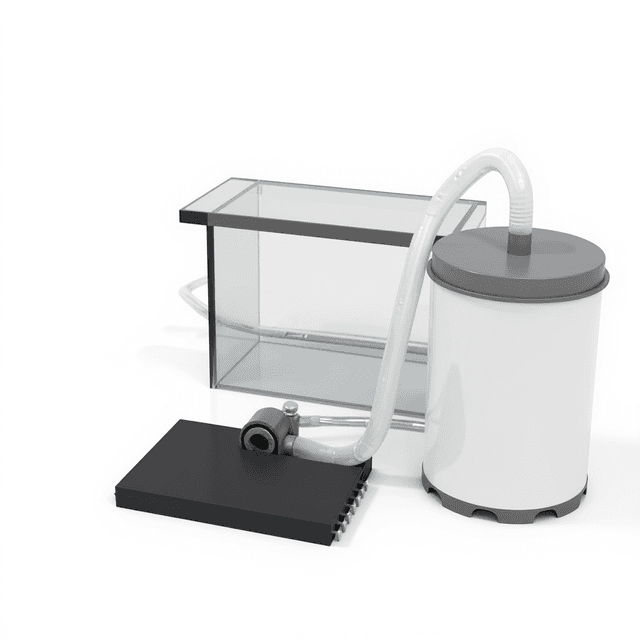
Closed acrylic induction chambers for inhalant anesthesia in mice, rats, and rabbits. Each unit ships with a 1.2 m bellows and R510-31S gas filter canister; inlet air flow adjustable from 0.1–4 L/min. Available in standard clear (V100–V102) and lo...
| inlet_air_flow_range | 0.1-4L/min |
| bellows_length | 1.2m |
| gas_filter_canister_model | R510-31S |
| anesthesia_duration | 2 to 5 minutes |
| wait_time_before_opening | 10 to 15 seconds |
| compatible_gases | Almost all non-explosive gas mixtures |

The Anesthesia Induction Chamber encloses the animal in a sealed acrylic box during the induction phase of inhalant anesthesia. Gas enters through an inlet port and exits through an outlet connected to a scavenging line, keeping waste anesthetic away from the operator. The clear walls allow continuous visual monitoring of anesthetic depth, reducing the risk of overdose without requiring the animal to be handled during induction.
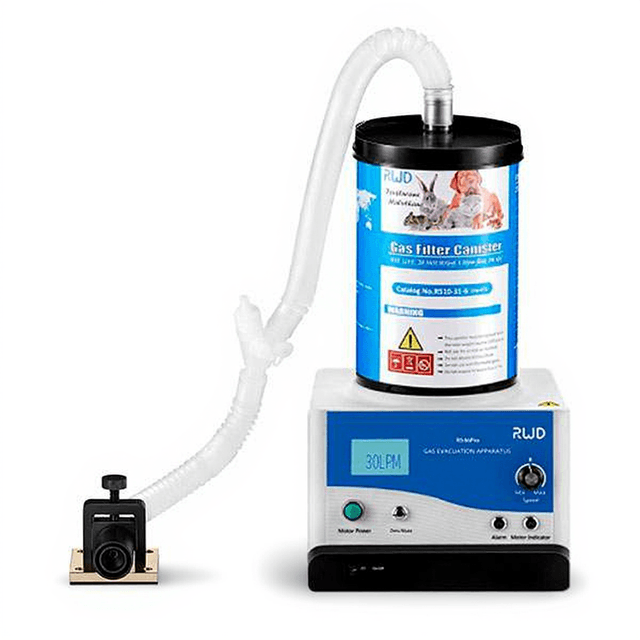
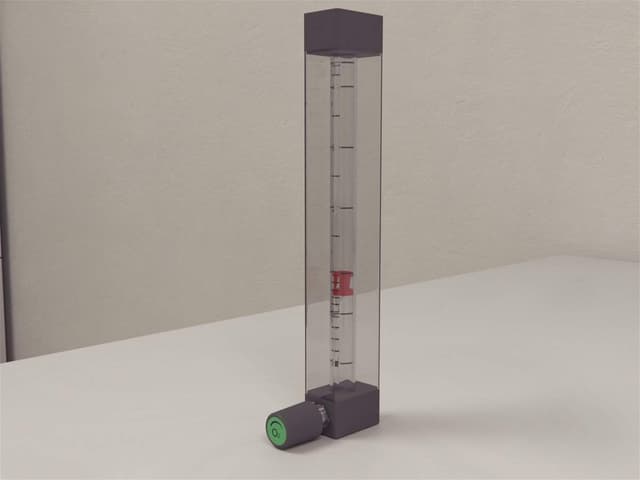
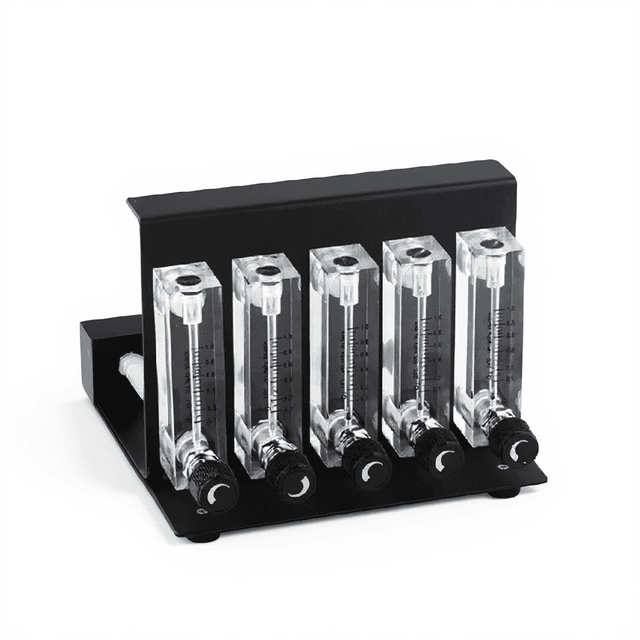
Each chamber ships with a 1.2 m corrugated bellows and an R510-31S activated-carbon filter canister. Inlet flow is controlled manually via a flowmeter (0.1–4 L/min). Compatible with isoflurane, sevoflurane, and other non-explosive inhalant agents. Not for use with liquid organic solvents.
/* Fix collapsed description container */
.cs-description-content { max-height: none !important; overflow: visible !important; height: auto !important; }
.cs-description-content.collapsed { max-height: none !important; overflow: visible !important; }
.cs-description-content.collapsed::after { display: none !important; }
.cs-show-more-btn { display: none !important; }
/* New Comparison Guide tab panel */
#panel-comparison { padding: 2em; }
#panel-comparison.cs-tab-panel.active { display: block; }
(function() {
function init() {
var nav = document.querySelector('.cs-tabs-nav');
var container = document.querySelector('#cs-product-tabs, .cs-product-tabs');
var src = document.getElementById('cs-comparison-source');
if (!nav || !container || !src) { setTimeout(init, 150); return; }
if (document.getElementById('panel-comparison')) return;
/* --- Create tab button --- */
var btn = document.createElement('button');
btn.setAttribute('role', 'tab');
btn.setAttribute('data-tab-id', 'comparison');
btn.setAttribute('aria-selected', 'false');
btn.setAttribute('aria-controls', 'panel-comparison');
btn.className = 'cs-tabs-nav__tab';
btn.innerHTML = 'Comparison Guide';
/* Insert after Specifications (2nd tab button) */
var btns = nav.querySelectorAll('button.cs-tabs-nav__tab');
if (btns.length >= 2) { btns[1].insertAdjacentElement('afterend', btn); }
else { nav.insertBefore(btn, nav.querySelector('.cs-tab-indicator')); }
/* --- Create tab panel --- */
var panel = document.createElement('div');
panel.id = 'panel-comparison';
panel.setAttribute('role', 'tabpanel');
panel.setAttribute('aria-labelledby', 'comparison');
panel.className = 'cs-tab-panel';
panel.style.padding = '2em';
/* Move content from hidden source div */
while (src.firstChild) { panel.appendChild(src.firstChild); }
src.parentNode.removeChild(src);
container.appendChild(panel);
/* --- Activate comparison tab --- */
function activateComparison() {
nav.querySelectorAll('.cs-tabs-nav__tab').forEach(function(b) {
b.classList.remove('active'); b.setAttribute('aria-selected','false');
});
container.querySelectorAll('.cs-tab-panel').forEach(function(p) {
p.classList.remove('active');
});
btn.classList.add('active'); btn.setAttribute('aria-selected','true');
panel.classList.add('active');
}
/* --- Deactivate comparison tab when others clicked --- */
function deactivateComparison() {
btn.classList.remove('active'); btn.setAttribute('aria-selected','false');
panel.classList.remove('active');
}
btn.addEventListener('click', activateComparison);
/* Intercept other tab clicks to deactivate comparison panel */
nav.addEventListener('click', function(e) {
var t = e.target.closest('.cs-tabs-nav__tab');
if (t && t !== btn) deactivateComparison();
}, true);
}
if (document.readyState === 'loading') {
document.addEventListener('DOMContentLoaded', init);
} else { init(); }
})();
How It Works
Gas anesthesia induction operates through pulmonary uptake of volatile anesthetic agents that cross the blood-brain barrier to depress central nervous system activity. Inhalant agents such as isoflurane activate GABA and glycine receptors while inhibiting NMDA receptors, producing unconsciousness, analgesia, and muscle relaxation. The chamber creates a controlled atmosphere where anesthetic vapor concentration can be precisely managed through the inlet flow system.
The plexiglass chamber confines the animal within the anesthetic atmosphere while allowing visual monitoring of respiratory patterns and response to stimulation. Gas circulation through the 1.2m bellows system ensures uniform anesthetic distribution throughout the chamber volume. The integrated filtration system captures waste gases, preventing environmental contamination and operator exposure.
Red transparent construction in low-stress models exploits rodent photoreceptor physiology, as these species lack red-sensitive cone cells, reducing visual stress during induction while maintaining researcher observation capability. This approach minimizes stress-induced physiological changes that could confound experimental results.
Features & Benefits
inlet_air_flow_range
- 0.1-4L/min
bellows_length
- 1.2m
gas_filter_canister_model
- R510-31S
anesthesia_duration
- 2 to 5 minutes
wait_time_before_opening
- 10 to 15 seconds
compatible_gases
- Almost all non-explosive gas mixtures
incompatible_substances
- Liquid organic solvents
includes_gas_evacuation_pipeline
- Yes
Automation Level
- manual
Material
- Acrylic
- Plexiglass
Color
- Red transparent
Brand
- RWD
Research Domain
- Behavioral Pharmacology
- Cancer Research
- Cardiovascular
- Developmental Biology
- Metabolic Research
- Neuroscience
- Toxicology
Species
- Rabbit
- Mouse
- Rat
Model
- Mouse
- Rat
- Rabbit/Cat
- Mouse Low-Stress (Small)
- Mouse+Rat Low-Stress
Weight
- 8.27 kg
Dimensions
- L: 34.0 mm
- W: 39.0 mm
- H: 33.0 mm
Comparison Guide
Standard Series vs. Low Stress Series
| Standard (V100–V102) | Low Stress (V105–V106) | |
|---|---|---|
| Enclosure color | Clear transparent | Red transparent |
| Species covered | Mouse, Rat, Rabbit / Cat | Mice; Mice and Rats |
| Stress reduction | Standard | Reduced — rodents lack red-wavelength photoreceptors |
| Circadian-sensitive studies | Not recommended | Suitable |
| Gas evacuation pipeline | Included | Included (pre-connected) |
Model Dimensions
| Model | Series | Species | Dimensions (L × W × H) |
|---|---|---|---|
| RWD-AICM-V100 | Standard | Mouse | 15 × 10 × 10 cm |
| RWD-AICR-V101 | Standard | Rat | 24 × 12 × 18 cm |
| RWD-AICRC-V102 | Standard | Rabbit / Cat | 40 × 18.5 × 25 cm |
| RWD-AICLS-V105 | Low Stress | Mice and Rats | 29 × 15 × 17 cm |
| RWD-AICLS-V106 | Low Stress | Mice | 16 × 10 × 11 cm |
Choosing the Right Model
- V100 — Mouse only, standard lighting
- V101 — Rat, standard lighting
- V102 — Rabbit or cat
- V105 — Mixed mouse/rat colony; stress-sensitive or circadian protocols
- V106 — Mouse only; stress-sensitive or circadian protocols; smaller footprint than V105
Practical Tips
Verify anesthetic concentration using a vapor analyzer at different flow rates to establish reproducible induction protocols.
Why: Concentration verification ensures consistent anesthetic delivery and reduces variability between experimental sessions.
Replace the R510-31S gas filter canister when breakthrough odor is detected or after specified usage volume.
Why: Saturated filters reduce scavenging efficiency and may expose personnel to waste anesthetic vapors.
Pre-fill the chamber with anesthetic gas before animal placement to minimize induction time and handling stress.
Why: Pre-saturation reduces the time animals spend in an unfamiliar environment before anesthetic effects begin.
Ensure chamber is completely cleared of anesthetic gases before opening using the specified 10-15 second wait period.
Why: Residual anesthetic vapors can cause personnel exposure and affect the animal's recovery trajectory.
If induction takes longer than 5 minutes, check for chamber leaks and verify vaporizer output concentration.
Why: Extended induction times often indicate inadequate anesthetic delivery rather than animal resistance to anesthesia.
Document anesthetic concentration, flow rate, and induction time for each animal to identify protocol optimization opportunities.
Why: Systematic documentation enables protocol refinement and helps identify sources of experimental variability.
Use the red transparent chamber for studies involving stress-sensitive endpoints such as hormone measurements or cardiovascular parameters.
Why: Reduced stress during induction prevents confounding physiological changes that could affect study outcomes.
Clean chambers with laboratory detergent after each use and inspect acrylic surfaces for stress cracks or chemical damage.
Why: Regular cleaning prevents contamination between animals and surface inspection identifies potential failure points before gas leakage occurs.
Setup Guide
What’s in the Box
- Plexiglass anesthesia chamber (species-specific size)
- 1.2m bellows tubing system
- R510-31S gas filter canister
- Gas evacuation pipeline connections
- Chamber lid with secure closure mechanism
- User manual with setup instructions
Warranty
ConductScience provides a standard one-year manufacturer warranty covering defects in materials and workmanship, with technical support for setup and operational guidance.
Compliance
References
Background reading relevant to this product:
What anesthetic agents are compatible with this chamber system?
The chamber supports almost all non-explosive gas mixtures including isoflurane, sevoflurane, and halothane. Liquid organic solvents are not compatible with the acrylic construction and should be avoided.
How do I determine the appropriate flow rate for my experimental protocol?
Flow rates between 0.1-4 L/min should be adjusted based on chamber volume and desired induction time. Smaller chambers require lower flow rates, while larger animals need higher flows to achieve uniform anesthetic distribution.
What maintenance is required for consistent performance?
Regular cleaning with laboratory detergents, inspection of tubing connections for wear, and replacement of the R510-31S gas filter canister based on usage volume. Check chamber seal integrity monthly to prevent gas leakage.
Can multiple animals be induced simultaneously in the larger chambers?
The low-stress model accommodates multiple mice simultaneously, but individual housing is recommended to prevent stress from social interaction during anesthetic induction. Monitor each animal individually for appropriate response.
How does the red transparent design affect experimental protocols?
Red transparent construction reduces stress-induced physiological changes in rodents while maintaining observation capability. This is particularly important for studies measuring stress hormones or cardiovascular parameters where pre-anesthetic stress could confound results.
What safety measures are required for waste gas management?
Connect the evacuation system to laboratory fume hood or dedicated scavenging unit. Ensure adequate room ventilation and consider personnel monitoring for anesthetic exposure in high-usage environments.
How do I verify proper anesthetic depth before removing animals?
Monitor respiratory rate, response to toe pinch, and righting reflex through the transparent walls. Wait 10-15 seconds after procedure completion before opening chamber to ensure adequate anesthetic clearance.
What are the temperature considerations for chamber operation?
Maintain ambient laboratory temperature as anesthetic vapor pressure varies with temperature. Cold chambers may require longer equilibration times, while excessive heat can increase evaporation rates and alter anesthetic concentrations.
Have a question about this product?
Accessories
Enhance your setup with compatible accessories
Frequently Bought Together
Upgrade Options