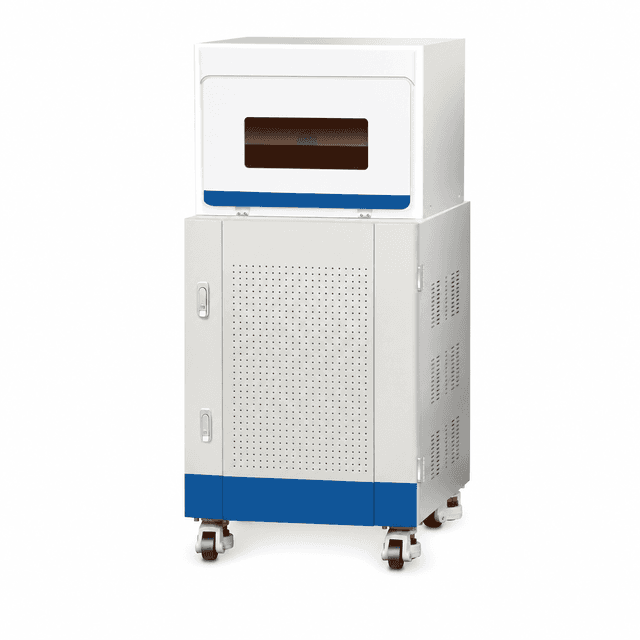
Automatic COD Analyzer
Portable COD analyzer using rapid digestion spectrophotometry with 100-15,000 mg/L measurement range and batch processing capability for 20 samples.

Louise Corscadden, PhD
Director of Science · ConductScience
Ask Louise about Automatic COD Analyzer fit, setup, configuration, or quote prep.
Already working with us? Sign in to connect this with My Scientist.
Key Specifications
Full details →- Model fit
- Configured during quote
- SKU family
- CS-LH-C1
- Shipping box
- 4.92 x 3.54 x 3.03 cm
- Ordering
- Online checkout and quote request available
- Category
- COD & BOD Testing
- Build notes
- Confirm accessories, station layout, and support needs before purchase
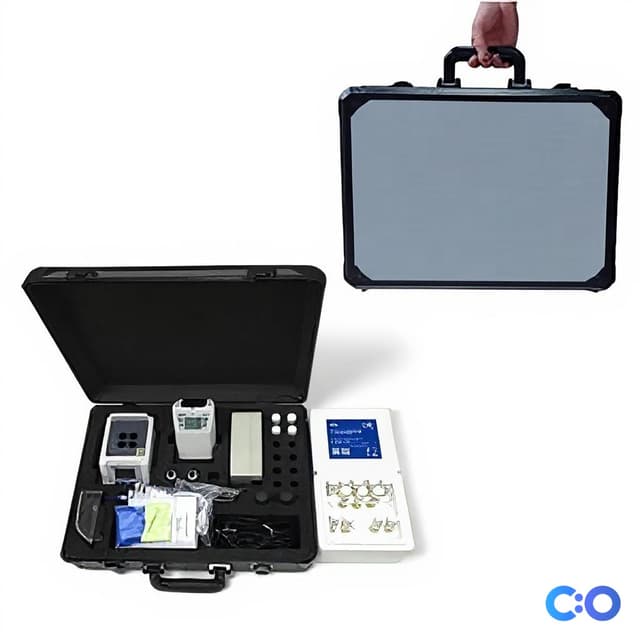
The Automatic COD Analyzer (Model LH-C1) employs rapid digestion spectrophotometry to quantify chemical oxygen demand in water samples across a measurement range of 100-15,000 mg/L. This portable instrument utilizes LED light source technology at 610-630 nm wavelength for colorimetric detection following high-temperature digestion of organic compounds.
The analyzer features PID-controlled digestion temperature with high precision control and can process up to 20 water samples simultaneously with measurement cycles of approximately 20 minutes. The system incorporates cold monochromatic light source technology to minimize optical interference and separates high-temperature digestion from colorimetric detection to maintain optical stability. Battery operation provides more than 30 hours of continuous use for field applications.
How It Works
Chemical oxygen demand (COD) measurement employs high-temperature acid digestion in the presence of a strong oxidizing agent (typically potassium dichromate) to convert organic compounds to carbon dioxide and water. During this process, the dichromate ion is reduced to chromic ion, resulting in a color change proportional to the organic content of the sample.
This analyzer utilizes rapid digestion spectrophotometry with PID temperature control to maintain precise digestion conditions. Following digestion, the system measures absorbance at 610-630 nm using LED light source technology. The cold monochromatic light source design minimizes thermal interference and provides stable optical performance. The measured absorbance correlates directly with COD concentration through established calibration relationships.
The instrument processes samples in batches of up to 20, with each measurement cycle requiring approximately 20 minutes. Separation of the digestion and colorimetric detection components prevents thermal effects from compromising optical measurements while maintaining analytical precision.
Features & Benefits
Model
- LH-C1
Name
- Automatic COD analyzer
Measuring range
- 100-15000 mg/l
Light source
- LED
Wavelength
- 610~630nm
Test method
- Rapid digestion spectrophotometry
Battery life
- More than 30 hours
Working condition
- 0-50â , Rh:0-80%
Automation Level
- semi-automated
Brand
- ConductScience
Accuracy
- ±8%
Size
- 90mmÃ70mmÃ125mm
Weight
- 280g
Research Domain
- Analytical Chemistry
- Environmental Monitoring
- Industrial Hygiene
Shipping weight
- 0.62 lb
Shipping box
- L: 4.92 cm
- W: 3.54 cm
- H: 3.03 cm
| Feature | This Product | Typical Alternative | Advantage |
|---|---|---|---|
| Measurement Range | 100-15,000 mg/L | Entry-level models often provide narrower ranges requiring sample dilution | Broad range covers most environmental and wastewater samples without preprocessing requirements. |
| Batch Processing | 20 samples simultaneously | Single-sample analyzers require individual processing | Significantly improves laboratory throughput for routine monitoring programs. |
| Portability | 280g weight with 30+ hour battery | Benchtop units require AC power and laboratory setup | Enables on-site field measurements without laboratory infrastructure. |
| Measurement Time | 20 minutes per batch | Traditional methods may require 2+ hours | Rapid results enable real-time decision making in field applications. |
| Optical System | LED source with separated digestion/detection | Varies by model | Stable monochromatic illumination with minimal thermal interference improves measurement precision. |
The LH-C1 combines portable field capability with batch processing efficiency, providing rapid COD measurements using established spectrophotometric methodology. The separated digestion and detection design with LED optics offers stable analytical performance in a compact form factor.
Practical Tips
Perform calibration verification with certified reference standards before each measurement session.
Why: Ensures measurement accuracy is maintained across the 100-15,000 mg/L range.
Clean sample cuvettes thoroughly between batches to prevent cross-contamination.
Why: Eliminates carryover effects that could compromise measurement accuracy.
Allow instrument to equilibrate to ambient temperature before measurements in field conditions.
Why: Temperature variations can affect optical stability and measurement precision.
If measurements appear inconsistent, check reagent preparation and verify LED light source stability.
Why: Reagent quality and optical performance directly impact analytical reliability.
Process quality control samples with each batch to monitor analytical performance.
Why: Identifies potential drift or systematic errors in real-time during measurements.
Handle digestion reagents according to safety protocols and ensure adequate ventilation.
Why: COD reagents typically contain strong acids and oxidizing agents requiring proper handling.
Keep battery charged above 20% capacity during field deployment.
Why: Power failure protection works best with adequate battery reserve to complete measurement cycles.
Store calibration standards at recommended temperatures and check expiration dates regularly.
Why: Standard stability directly affects calibration accuracy and measurement traceability.
Setup Guide
What’s in the Box
- Automatic COD Analyzer main unit
- Power adapter and charging cable
- Sample cuvettes for digestion (typical)
- Calibration standards (typical)
- User manual and operation guide
- Carrying case (typical)
Warranty
ConductScience provides standard one-year manufacturer warranty covering defects in materials and workmanship. Technical support includes calibration guidance and troubleshooting assistance.
Compliance
References
Background reading relevant to this product:
What is the detection limit and linear range for COD measurements?
The analyzer provides measurements from 100 to 15,000 mg/L COD with ±8% accuracy. Consult product datasheet for specific detection limit specifications below 100 mg/L.
How many samples can be processed simultaneously?
The system processes up to 20 water samples in batch mode with approximately 20 minutes total measurement time per batch.
What type of calibration is required?
Standard calibration using certified reference materials within the 100-15,000 mg/L range. The LED light source provides stable optical performance for consistent calibration.
Can the analyzer be used for field measurements?
Yes, the portable design (280g weight) with >30-hour battery life enables field deployment in ambient temperatures from 0-50°C.
What sample types are compatible with this analyzer?
Designed for surface water, groundwater, domestic sewage, and industrial wastewater samples within the specified measurement range.
How does the digestion process work?
Uses PID-controlled high-temperature digestion with separation from optical detection to prevent thermal interference with colorimetric measurements.
What maintenance is required?
Regular calibration verification, cuvette cleaning between samples, and battery charging. Power failure protection helps prevent data loss during operation.
How does this compare to laboratory-based COD methods?
Provides portable alternative to traditional laboratory COD analysis with rapid 20-minute measurement cycles while maintaining spectrophotometric measurement principles.
Have a question about this product?
Have a question? Just ask.
Send it over and we'll email you a personalized answer — no call, no scheduling.
Prefer to talk it through?
Accessories
Enhance your setup with compatible accessories