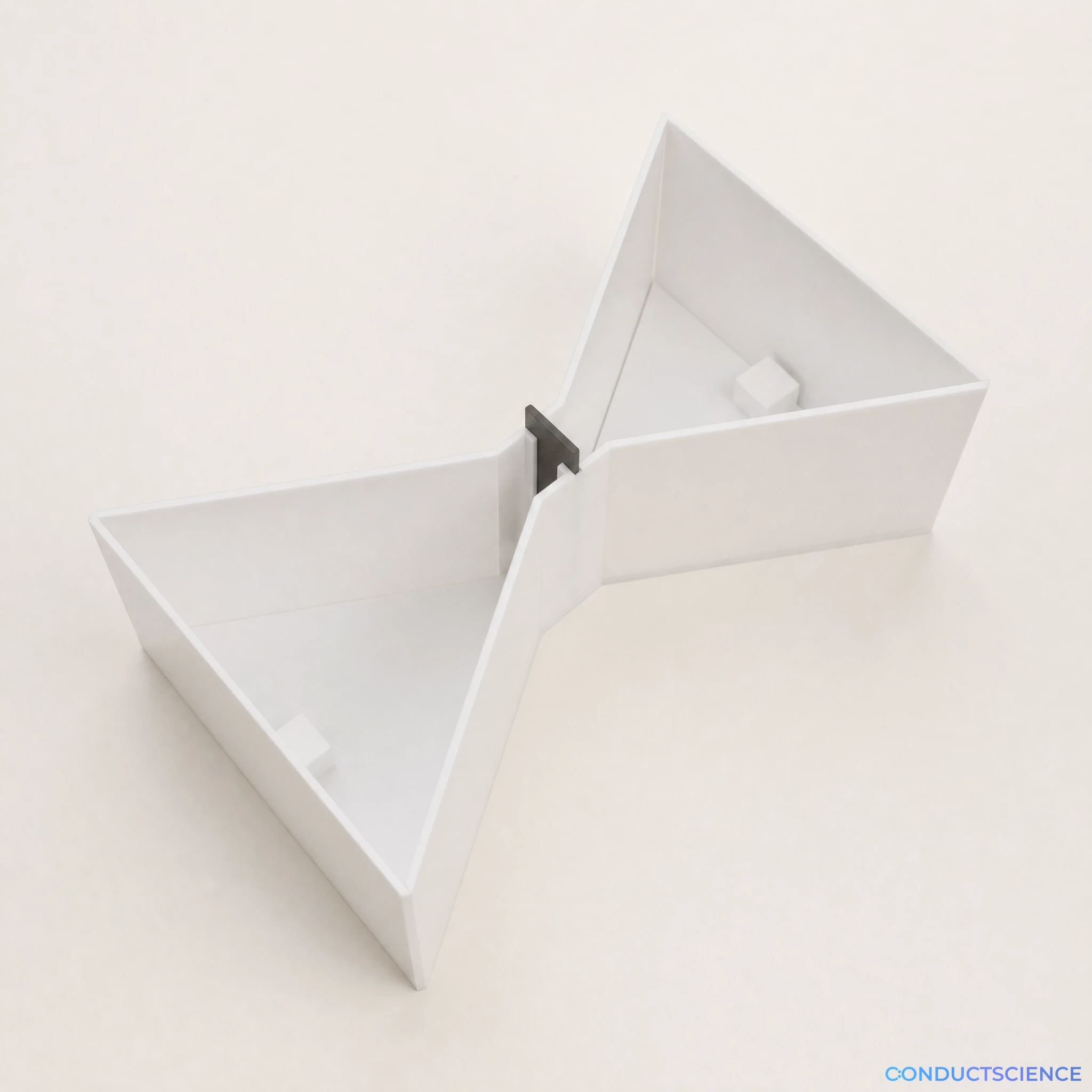
Bow-Tie Maze for Rodent Object Recognition
Manual Bow-Tie apparatus for repeated object-recognition and recency-memory testing in mice or rats, with Choice and Projection configurations.

Louise Corscadden, PhD
Director of Science · ConductScience
Ask Louise about Bow-Tie Maze for Rodent Object Recognition fit, setup, configuration, or quote prep.
Already working with us? Sign in to connect this with My Scientist.
Key Specifications
Full details →- Model fit
- 4 selectable configurations
- SKU family
- Assigned during quote
- Sizing
- Model-specific dimensions confirmed from the selected configuration
- Ordering
- Quote-reviewed before fulfillment
- Category
- Behavioral Mazes
- Build notes
- Confirm accessories, station layout, and support needs before purchase
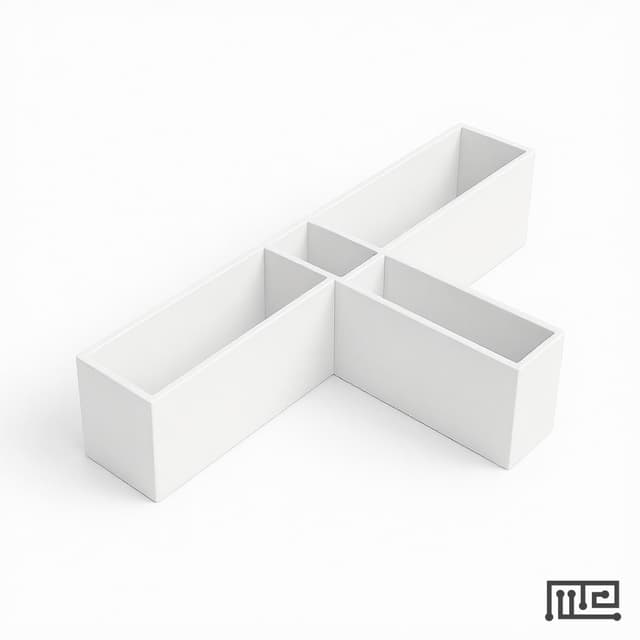
The Bow-Tie Maze supports repeated object-recognition trials in one continuous apparatus. Two end chambers are joined by a narrow center passage, so a subject can shuttle between test areas while the investigator controls object exposure and food-well baiting.
Choose the protocol-specific model
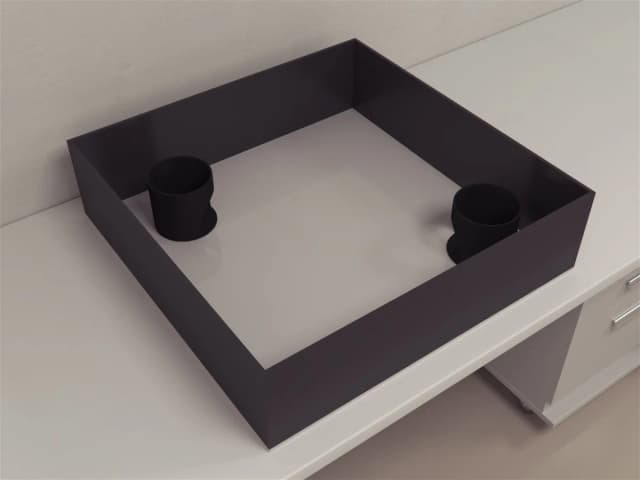
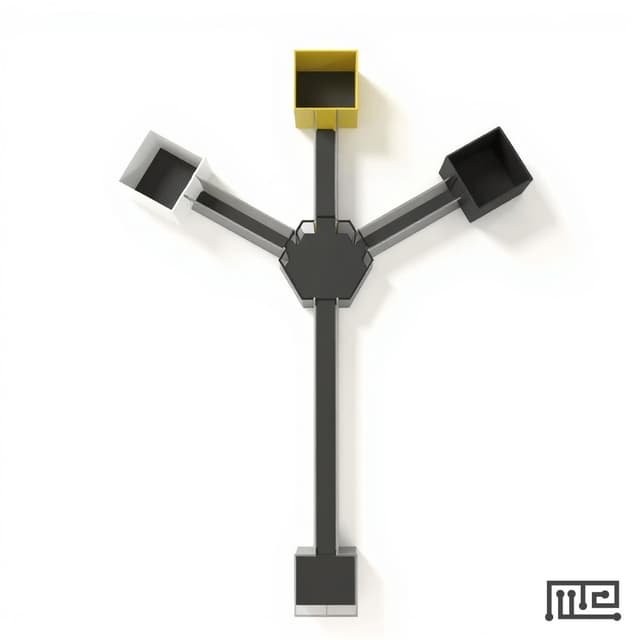
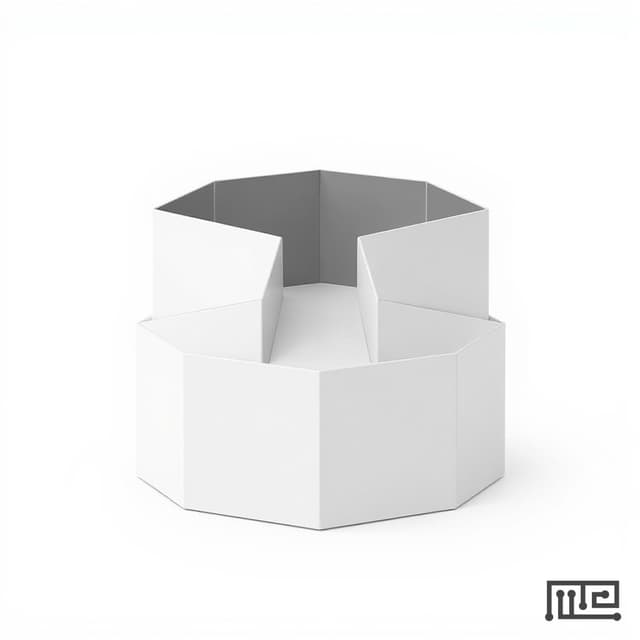
Choice models follow published mouse and rat apparatuses with a central corridor, manual access control, dividers, and object positions. Projection models use two angled end areas joined through a middle chamber. The four archived configurations retain their original list prices and model-specific dimensions; freight and final fabrication details are confirmed during quote review.
Manual control for repeated trials
The base apparatus uses manually operated barriers and investigator-managed baiting. Food wells encourage shuttling between ends while object exploration remains the recognition measure. Room cues, object cleaning, object side, intertrial timing, and reward-odor controls should be balanced in the study protocol.
Features & Benefits
Models
- Mouse Choice, Rat Choice, Mouse Projection, Rat Projection
Mouse Choice enclosure
- 80 cm × 60 cm × 30 cm
Mouse Choice corridor
- 8 cm wide × 10 cm long
Mouse Choice separator
- 13 cm long
Rat Choice enclosure
- 120 cm × 50 cm × 50 cm
Rat Choice corridor
- 12 cm wide × 16 cm long; manual sliding door
Rat Choice separator
- 20 cm archived configuration; paper-specific divider reviewed on drawing
Rat Choice wells
- Two wells per far wall, 3.5 cm diameter × 2 cm deep
Mouse Projection geometry
- 20.5 cm middle and individual walls; 38 cm long wall; 150° angles
Rat Projection geometry
- 34 cm middle and individual walls; 63 cm long wall; 150° angles
Operation
- Manual barriers, object placement, and baiting
Commercial configuration
- Materials, dividers, wells, and door details confirmed during quote review
| Model | SKU | Listed price | Status | Shipping box |
|---|---|---|---|---|
| Mouse - Projection | $1,690.00 | Quote-reviewed | Confirmed during quote | |
| Rat - Projection | $1,890.00 | Quote-reviewed | Confirmed during quote | |
| Mouse - Choice | $2,290.00 | Quote-reviewed | Confirmed during quote | |
| Rat - Choice | $2,490.00 | Quote-reviewed | Confirmed during quote |
Practical Tips
Counterbalance object identity and left-right position across subjects.
Why: Object preference and side bias can affect recognition scores.
Use matched hidden food odor at both end locations.
Why: Baiting should motivate shuttling without identifying the novel object.
Setup Guide
What’s in the Box
- Bow-Tie apparatus in the approved model and species size
- Manual barrier, divider, and well components itemized in the approved quote
- Final component schedule matched to the fabrication drawing
Warranty
Fabrication support, replacement options, and warranty terms are confirmed with the final drawing and quote.
References
Background reading relevant to this product:
How do Choice and Projection models differ?
Choice models are enclosed apparatuses with two end chambers and a narrow central corridor. Projection models use angled end areas connected through a middle chamber.
Are mouse and rat models simple scale copies?
No. The documented mouse and rat Choice models differ in length, width, height, corridor, divider, and well details. Each receives a separate drawing.
Are the doors and rewards automated?
The base configuration is manual. The investigator operates barriers, places objects, and manages baiting.
Do the food wells reward the novel object?
No. Matched baiting encourages movement between ends while novel-versus-familiar exploration remains the behavioral measure.
Have a question about this product?
Have a question? Just ask.
Send it over and we'll email you a personalized answer — no call, no scheduling.
Prefer to talk it through?