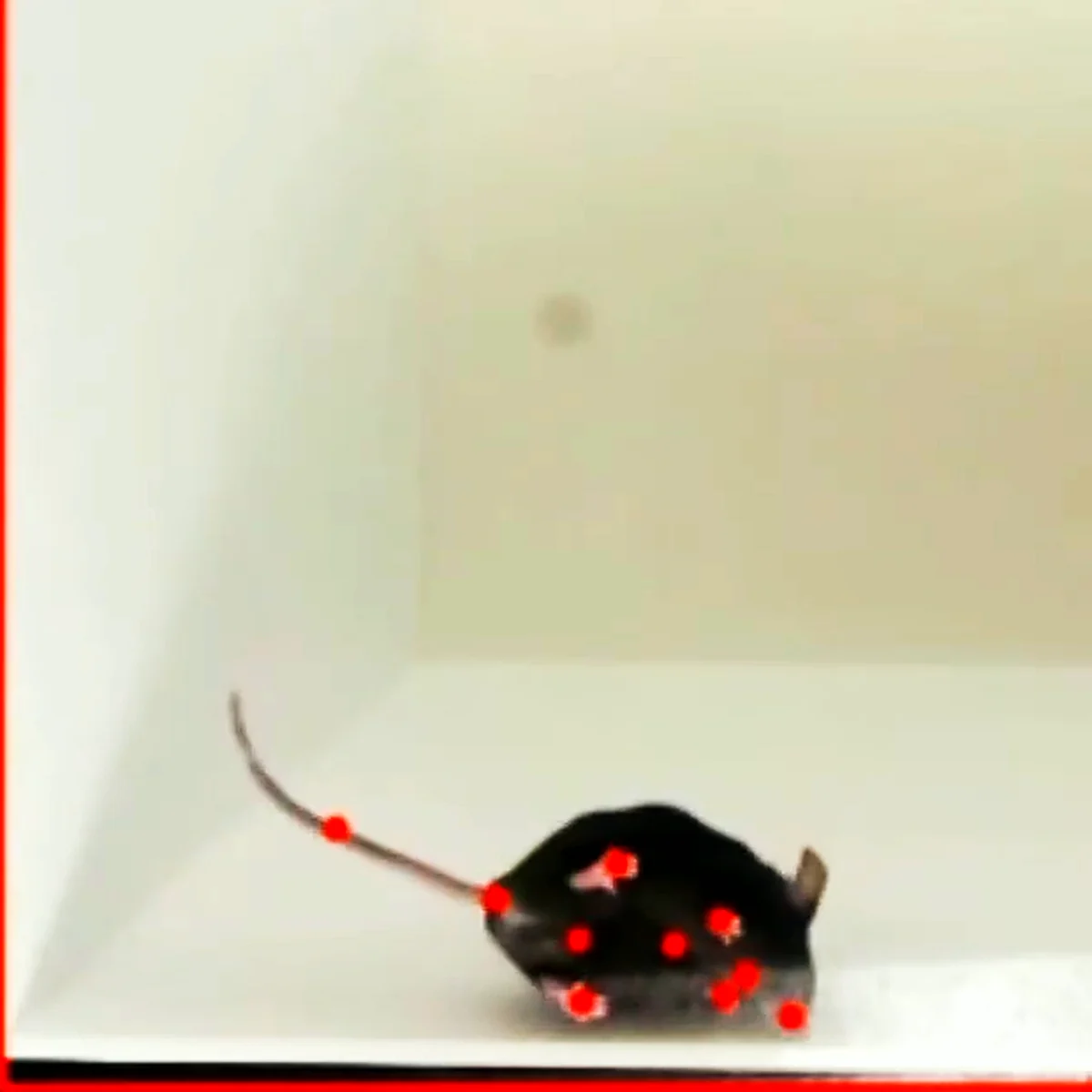
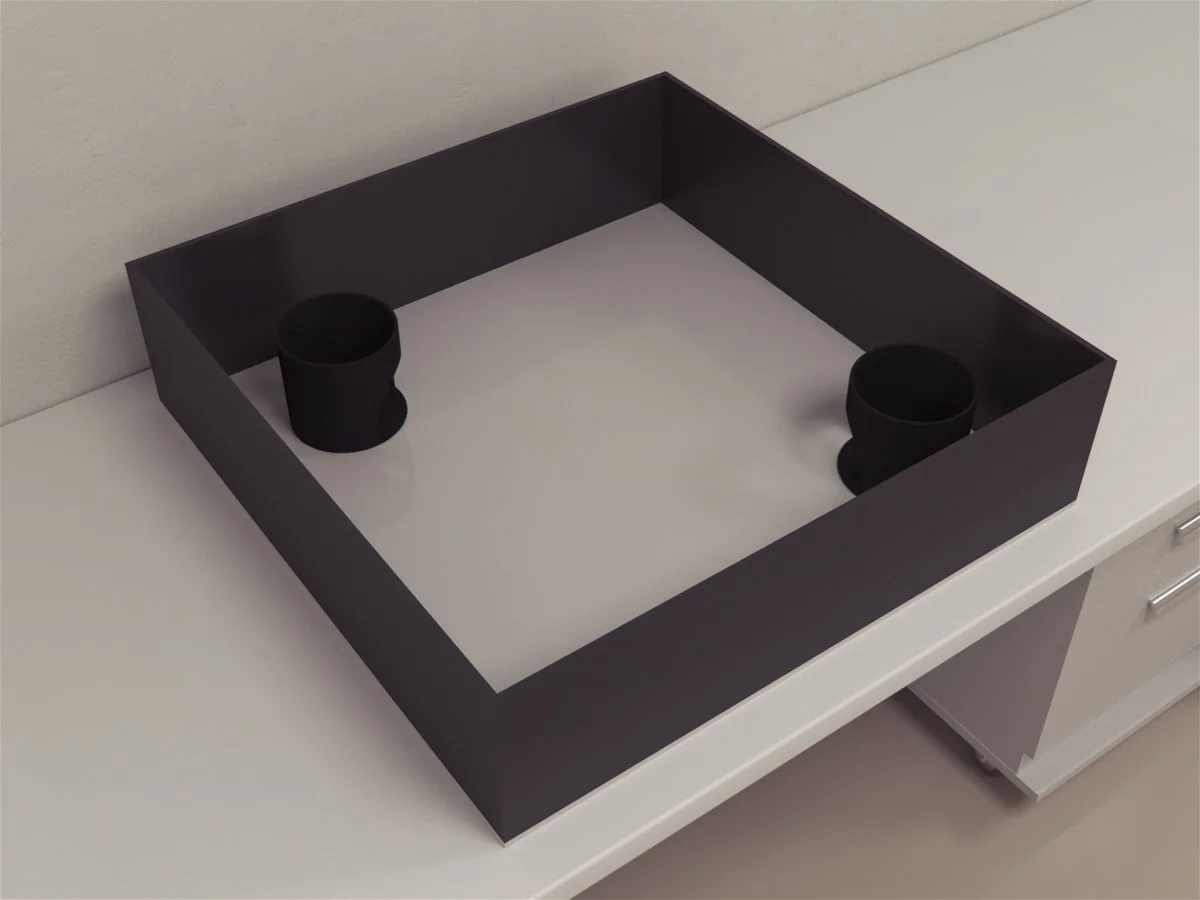
1 / 6
Flex Maze
SKU ME-4711
$1,490.00
IncludesStandard care
This maze was initially introduced by Sato et al.
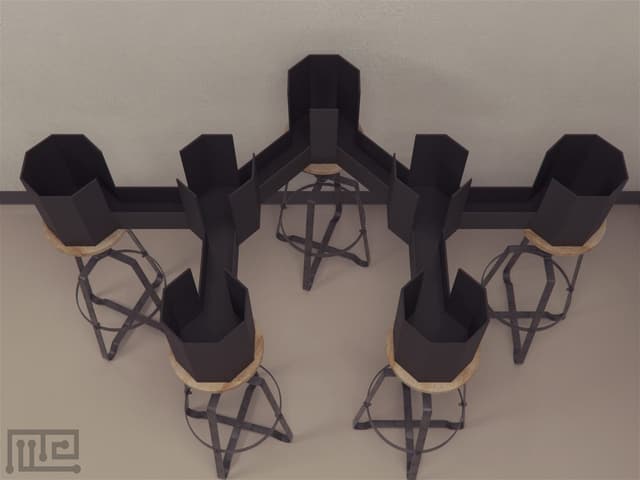
(2017) for the study of learning and memory. It features five vertical and five horizontal corridors, enabling a versatile arrangement of pathways. Much like the Hebb-Williams maze, this setup allows for progressively challenging modular tests to assess spatial learning and memory in rodents. MazeEngineers offers this device for both mice and rats.
CE MarkedBAA available
Scientist guidance

Louise Corscadden, PhD
Director of Science · ConductScience
Ask Louise about Flex Maze fit, setup, configuration, or quote prep.
Already working with us? Sign in to connect this with My Scientist.
Key Specifications
Full details →- Model fit
- Mouse, Rat
- SKU family
- ME-4711
- Sizing
- Mouse: Transparent Corridor: 8 cm (w) x 80 cm (l); Corridor doors: 4cm (w); Cooridor doors placement: every 4cm; End compartments: 15 cm (l) x 15 cm (w); End compartment door: 6cm (l) x 6 cm (w); Rat: Transparent Corridor: 12 cm (w) x 110 cm (l); Corridor doors: 6 cm (w); Cooridor doors placement: every 6 cm; End compartments: 20 cm (l) x 20 cm (w); End compartment door: 8 cm (l) x 8 cm (w)
- Ordering
- Online checkout and quote request available
- Category
- Behavioral Mazes
- Build notes
- transparent
| Mouse |
| Transparent Corridor: 8 cm (w) x 80 cm (l) |
| Corridor doors: 4cm (w) |
| Cooridor doors placement: every 4cm |
| End compartments: 15 cm (l) x 15 cm (w) |
| End compartment door: 6cm (l) x 6 cm (w) |
| Rat |
| Transparent Corridor: 12 cm (w) x 110 cm (l) |
| Corridor doors: 6cm (w) |
| Cooridor doors placement: every 6cm |
| End compartments: 20 cm (l) x 20 cm (w) |
| End compartment door: 8cm (l) x 8 cm (w) |
Introduction
The Flex Maze is specifically designed to evaluate lateral-flexion discomfort in rodents, providing a means to assess physical function related to disc degeneration. Millecamps et al. used this maze to explore how progressive, age-related disc degeneration affects the development of chronic lower back pain in SPARC-null mice. Lower back pain encompasses several complex and painful conditions, including axial lower back pain (confined to the spine and lower back), radiating lower back pain (which extends to the legs and may be referred), and radicular pain (resulting from nerve root injury or inflammation). This apparatus allows for the assessment of behavioral indicators of axial and radiating lower back pain by examining how physical function declines with age and lumbar disc degeneration in SPARC-null mice. These mice are selected due to their closer mimicry of human lower back pain, exhibiting reduced intervertebral disc height, increased disc wedging, and histological signs of degeneration, alongside cutaneous hypersensitivity in the hind paw, axial discomfort, and diminished physical function (Millecamps et al., 2012). SPARC (secreted protein, acidic and rich in cysteine) is a crucial protein involved in tissue remodeling following injury. Its levels decrease in human intervertebral discs with aging and disc degeneration. Thus, SPARC-null rodents are valuable for studying age-related behavioral signs of chronic lower back pain and investigating the link between disc degeneration and lower back pain in pre-clinical models. These SPARC-null mice are compared to wild-type (WT) mice of the same age to evaluate differences in responses and provide a control group (Millecamps et al., 2012).Apparatus and Equipment
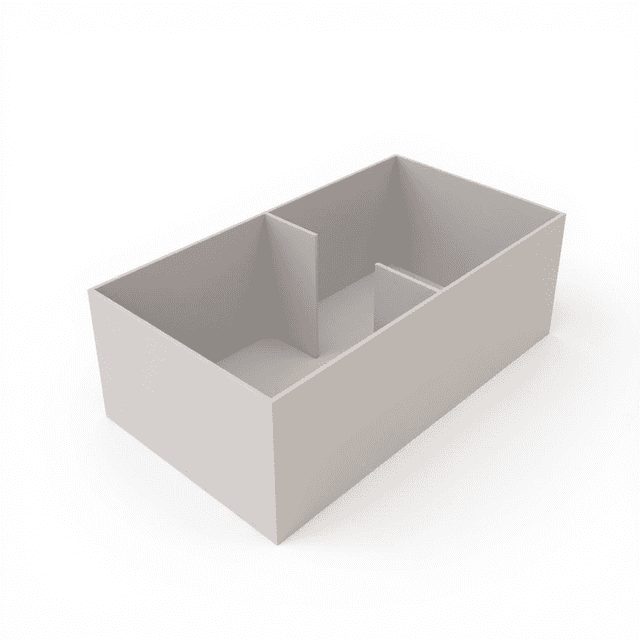
The Flex Maze features a long, transparent corridor measuring 8 x 80 cm. The corridor is equipped with regularly spaced staggered doors that induce lateral flexion during exploration. Each door is 4 cm wide and alternates sides every 4 cm. At each end of the maze, there are neutral, beige compartments measuring 15 x 15 cm, each with a 6 x 6 cm opening (Millecamps et al., 2012).Training Protocol
Both SPARC-null and WT mice are bred in similar housing and lighting conditions and are fed a similar diet. Both types of rodents are assessed at similar ages to gauge differences in response and age-related changes. To assess disc degeneration, subjects aged between 6 and 80 weeks are anesthetized, and spinal segments from T1 to S4 are collected and post-fixed. The samples are then cryoprotected and stored until further processing (Millecamps et al., 2012). X-ray imaging of the intact lumbar spine is used to evaluate the disc height index (DHI) and wedging index (DWI) (Millecamps et al., 2012). For histological analysis, spinal columns are dissected and decalcified. Key indicators of degeneration include the loss of distinct compartmentalization between the nucleus pulposus and annulus fibrosus, annular tears, and dorsal bulging or herniation (Millecamps et al., 2012). SPARC-null and WT mice aged 6 weeks to 1.5 years are chosen for the longitudinal study. The behavioral studies are preceded by a habituation period of 1 hour. Several parameters are assessed in the longitudinal behavioral study. These include sensitivity to cutaneous sensory stimuli (mechanical sensitivity, cold sensitivity, and heat sensitivity), axial discomfort (grip force assay and tail suspension assay) and assessment of physical function. (Millecamps et al., 2012) Sensitivity to cutaneous sensory stimuli: Three modalities are assessed, mechanical, cold and heat. This assessment is done on three body sites, feet, tail and lower back. For the lower back region, the animals are shaved under brief anesthesia 48 hours before testing. (Millecamps et al., 2012) Mechanical sensitivity: This is assessed on the plantar surface of the left foot and the bony structures between L2 and L4 lumbar spine using the up and down method for von Frey filaments. (Millecamps et al., 2012) Cold sensitivity: For feet and back, cold sensitivity is assessed by measurement of the total time spent in acetone-evoked behaviors after acetone is gently applied to the plantar surface of the hind paw or the low back region. Cold sensitivity for the tail is assessed by cold water tail immersion assay. (Millecamps et al., 2012) Heat sensitivity: For feet, this is assessed by the latency to withdrawal in response to exposure of the hind paw to a radiant heat stimulus. Heat sensitivity for the tail is assessed by recording of the latency to withdraw the tail in response to noxious heating. (Millecamps et al., 2012) Axial discomfort: detection of signs of axial discomfort in SPARC-null mice is done by employing two approaches, grip force assay, and tail suspension assay. (Millecamps et al., 2012) Grip force assay: The subject is stretched gently as it is gripping a bar with its forepaws until it lets go. The force is recorded in grams. (Millecamps et al., 2012) Tail suspension assay: Digital software is used to measure the spontaneous reactions to natural gravity induced stretching of the spine in a modified version of the tail suspension assay. The measurements that are made are the duration of time spent in immobility, rearing, full extension and self-supported. (Millecamps et al., 2012) Physical function: The physical function is assessed using the Flex Maze. This is used to measure lateral flexion-induced discomfort. The subject naturally wants to explore the maze, but due to the staggered doors, the subject is forced to undergo lateral flexion to progress. The subjects are allowed to explore the apparatus for 10 min freely. The distance covered and average velocity is assessed via videotapes. (Millecamps et al., 2012) At 24 weeks of age, the assay is conducted on a single cohort. This assay involves recording the total duration of specific behaviors elicited within a 5-minute window following a local subcutaneous injection of Icilin—a TRPM8 agonist—into either the upper lip or the plantar surface of the hind paw. The behaviors assessed include biting, scratching, licking, and checking (Millecamps et al., 2012). This assay measures the evoked behavior during the 5 minute after a local subcutaneous injection of capsaicin in the upper lip or the plantar surface of the hind paw. The behavior that is measured is biting, scratching, licking and checking. (Millecamps et al., 2012) To assess disc degeneration, subjects aged between 6 and 80 weeks are anesthetized, and spinal segments from T1 to S4 are collected and post-fixed. The samples are then cryoprotected and stored until further processing (Millecamps et al., 2012). X-ray imaging of the intact lumbar spine is used to evaluate the disc height index (DHI) and wedging index (DWI) (Millecamps et al., 2012). For histological analysis, spinal columns are dissected and decalcified. Key indicators of degeneration include the loss of distinct compartmentalization between the nucleus pulposus and annulus fibrosus, annular tears, and dorsal bulging or herniation (Millecamps et al., 2012). SPARC-null and WT mice aged 6 weeks to 1.5 years are chosen for the longitudinal study. The behavioral studies are preceded by a habituation period of 1 hour. Several parameters are assessed in the longitudinal behavioral study. These include sensitivity to cutaneous sensory stimuli (mechanical sensitivity, cold sensitivity, and heat sensitivity), axial discomfort (grip force assay and tail suspension assay) and assessment of physical function. (Millecamps et al., 2012) Sensitivity to cutaneous sensory stimuli: Three modalities are assessed, mechanical, cold and heat. This assessment is done on three body sites, feet, tail and lower back. For the lower back region, the animals are shaved under brief anesthesia 48 hours before testing. (Millecamps et al., 2012) Mechanical sensitivity: This is assessed on the plantar surface of the left foot and the bony structures between L2 and L4 lumbar spine using the up and down method for von Frey filaments. (Millecamps et al., 2012) Cold sensitivity: For feet and back, cold sensitivity is assessed by measurement of the total time spent in acetone-evoked behaviors after acetone is gently applied to the plantar surface of the hind paw or the low back region. Cold sensitivity for the tail is assessed by cold water tail immersion assay. (Millecamps et al., 2012) Heat sensitivity: For feet, this is assessed by the latency to withdrawal in response to exposure of the hind paw to a radiant heat stimulus. Heat sensitivity for the tail is assessed by recording of the latency to withdraw the tail in response to noxious heating. (Millecamps et al., 2012) Axial discomfort: detection of signs of axial discomfort in SPARC-null mice is done by employing two approaches, grip force assay, and tail suspension assay. (Millecamps et al., 2012) Grip force assay: The subject is stretched gently as it is gripping a bar with its forepaws until it lets go. The force is recorded in grams. (Millecamps et al., 2012) Tail suspension assay: Digital software is used to measure the spontaneous reactions to natural gravity induced stretching of the spine in a modified version of the tail suspension assay. The measurements that are made are the duration of time spent in immobility, rearing, full extension and self-supported. (Millecamps et al., 2012) Physical function: The physical function is assessed using the Flex Maze. This is used to measure lateral flexion-induced discomfort. The subject naturally wants to explore the maze, but due to the staggered doors, the subject is forced to undergo lateral flexion to progress. The subjects are allowed to explore the apparatus for 10 min freely. The distance covered and average velocity is assessed via videotapes. (Millecamps et al., 2012) At 24 weeks of age, the assay is conducted on a single cohort. This assay involves recording the total duration of specific behaviors elicited within a 5-minute window following a local subcutaneous injection of Icilin—a TRPM8 agonist—into either the upper lip or the plantar surface of the hind paw. The behaviors assessed include biting, scratching, licking, and checking (Millecamps et al., 2012). This assay measures the evoked behavior during the 5 minute after a local subcutaneous injection of capsaicin in the upper lip or the plantar surface of the hind paw. The behavior that is measured is biting, scratching, licking and checking. (Millecamps et al., 2012)Data Analysis
Several variables and parameters are recorded to carry out the data analyses for the flex maze:- Total distance covered
- Speed during the first 5 min of exploration vs. the speed in the last 5 min of exploration
- Average velocity
Strengths & Limitations
The SPARC-null mouse model of lower back pain resulting from disc degeneration offers a more precise representation than other animal models of discogenic or radiating pain. This is because it allows for the assessment of the degenerative process throughout the entire lifespan of the subject, capturing the gradual, age-related progression of the condition (Millecamps et al., 2012). Anatomical and biochemical differences between rodent models and humans can impact the precision of experiments. These variations include discrepancies in movement range and responses to applied loads, attributable to differing morphologies (Alini et al., 2007). The mechanisms behind lower back pain are not well understood, and the connection between disc degeneration and lower back pain remains unclear (Millecamps et al., 2012). The SPARC-null mouse model of lower back pain resulting from disc degeneration offers a more precise representation than other animal models of discogenic or radiating pain. This is because it allows for the assessment of the degenerative process throughout the entire lifespan of the subject, capturing the gradual, age-related progression of the condition (Millecamps et al., 2012). Anatomical and biochemical differences between rodent models and humans can impact the precision of experiments. These variations include discrepancies in movement range and responses to applied loads, attributable to differing morphologies (Alini et al., 2007). The mechanisms behind lower back pain are not well understood, and the connection between disc degeneration and lower back pain remains unclear (Millecamps et al., 2012).Summary & Key Points
- The Flex Maze is designed to assess the physical function of rodents with disc degeneration.
- It does this by measuring their lateral-flexion discomfort.
- SPARC-null rodents and wild-type rodents are used for the experiment to compare the effects of age-dependent disc degeneration on the development of chronic lower back pain.
- SPARC is a special protein which is necessary for tissue repair after damage.
- This protein becomes deficient in the intervertebral discs of humans due to the aging process.
- Hence by using SPARC-null rodents, this aging process can be sped up which allows for pre-clinical studies to take place to assess how disc degeneration affects cutaneous sensory stimuli, axial discomfort and physical function.
References
Millecamps, M., Tajerian, M., Naso, L., Sage, E. H. & Stone, L. S., (2012). Lumbar intervertebral disc degeneration associated with axial and radiating low back pain in ageing SPARC-null mice. Pain, 153 (6), 1167-1179. Alini, M., Eisenstein, S. M., Ito, K., Little, C., Kettler, A. A., Masuda, K., Melrose, J., Ralphs, J., Stokes, I. & Wilke, H. J. (2007). Are animal models useful for studying human disc/degeneration? European Spine Journal, 17(1), 2-19.Sizes by model
| Measurement | Mouse | Rat |
|---|---|---|
| Size | Transparent Corridor: 8 cm (w) x 80 cm (l); Corridor doors: 4cm (w); Cooridor doors placement: every 4cm; End compartments: 15 cm (l) x 15 cm (w); End compartment door: 6cm (l) x 6 cm (w) | Transparent Corridor: 12 cm (w) x 110 cm (l); Corridor doors: 6 cm (w); Cooridor doors placement: every 6 cm; End compartments: 20 cm (l) x 20 cm (w); End compartment door: 8 cm (l) x 8 cm (w) |
- Mouse: Transparent Corridor: 8 cm (w) x 80 cm (l)
- Mouse: Corridor doors: 4cm (w)
- Mouse: Cooridor doors placement: every 4cm
- Mouse: End compartments: 15 cm (l) x 15 cm (w)
- Mouse: End compartment door: 6cm (l) x 6 cm (w)
- Rat: Transparent Corridor: 12 cm (w) x 110 cm (l)
- Rat: Corridor doors: 6 cm (w)
- Rat: Cooridor doors placement: every 6 cm
- Rat: End compartments: 20 cm (l) x 20 cm (w)
- Rat: End compartment door: 8 cm (l) x 8 cm (w)
Corridor Dimensions
- 8 x 80 cm
Door Width
- 4 cm
Door Spacing
- 4 cm alternating sides
Neutral Compartment Size
- 15 x 15 cm
Compartment Opening Size
- 6 x 6 cm
Maze Type
- lateral-flexion assessment
Primary Application
- evaluate lateral-flexion discomfort in rodents
Study Model
- SPARC-null mice vs wild-type mice
Age Range Tested
- 6 weeks to 1.5 years
Material
- transparent
Color
- beige
Dimensions
- 80 cm x 8 cm
Compatible Tracking Software
- ConductVision
Shipping weight
- 21.0 lb
Shipping box
- L: 43.2 cm
- W: 38.0 cm
- H: 27.9 cm
| Model | Size | SKU | Listed price | Status | Shipping box |
|---|---|---|---|---|---|
| Mouse | Transparent Corridor: 8 cm (w) x 80 cm (l); Corridor doors: 4cm (w); Cooridor doors placement: every 4cm; End compartments: 15 cm (l) x 15 cm (w); End compartment door: 6cm (l) x 6 cm (w) | ME-4711 | $1,390.00 | Available | 43.2 x 38.0 x 27.9 cm |
| Rat | Transparent Corridor: 12 cm (w) x 110 cm (l); Corridor doors: 6 cm (w); Cooridor doors placement: every 6 cm; End compartments: 20 cm (l) x 20 cm (w); End compartment door: 8 cm (l) x 8 cm (w) | ME-4711 | $1,490.00 | Available | 43.2 x 38.0 x 27.9 cm |
Protocol and background
Introduction
The Flex Maze is specially designed to measure lateral-flexion discomfort in rodents, which allows the assessment of physical function for the evaluation of disc degeneration. Millecamps et al. utilized the flex maze to investigate the impact of progressive, age-dependent disc degeneration on the development of chronic lower back pain in SPARC-null mice.
Lower back pain is an amalgam of complex, painful conditions which are classified as axial lower back pain (localized to the spine and lower back region), radiating lower back pain (which spreads to the legs and can be referred) and radicular pain (caused by injury or inflammation of the nerve root). Through this apparatus, it is possible to evaluate the development of behavioral signs of axial and radiating lower back pain by assessing how the physical function of the rodents reduces with increasing age and lumbar disc degeneration in SPARC-null mice. The SPARC-null mouse is chosen due to its greater resemblance to the complex anatomical and functional components of lower back pain in humans. For example, SPARC-null mice have a reduced intervertebral disc height, increased wedging and histologic signs of degeneration. These anatomical signs of disc degeneration are accompanied with cutaneous hypersensitivity on the hind paw, axial discomfort and reduced physical function. (Millecamps et al., 2012)
SPARC (secreted protein, acidic and rich in cysteine) is an important protein which has a role in tissue remodeling when a tissue is subjected to injury. This protein decreases in the intervertebral discs in humans as a part of the aging process and due to disc degeneration. Hence, SPARC-null rodents allow the assessment of age-dependent behavioral signs of chronic lower back pain for a pre-clinical study to investigate the relationship between disc degeneration and lower back pain. These SPARC-null mice are also compared to wild-type (WT) mice of the same ages to compare the responses and to act as a control group. (Millecamps et al., 2012)
Apparatus & Equipment
The Flex Maze comprises a long transparent corridor which is 8 x 80 cm. It is regularly spaced with staggered doors that force lateral flexion with exploration. The doors are 4 cm wide and are staggered on alternating sides, being placed every 4 cm. Each end of the maze is attached to a neutral, beige compartment. The compartment is 15 x 15 cm with a 6 x 6 cm opening. (Millecamps et al., 2012)
Training Protocol
Both SPARC-null and WT mice are bred in similar housing and lighting conditions and are fed a similar diet. Both types of rodents are assessed at similar ages to gauge differences in response and age-related changes.
Assessment of Disc Degeneration
Assessment of disc degeneration is done by anesthetizing the subjects (6 to 80 weeks of age) and collecting T1 to S4 spinal segments which are post-fixed. Samples are cryoprotected and stored till processing. (Millecamps et al., 2012)
X-ray analysis is done of the intact lumbar spine to determine the disc height index (DHI) and wedging index (DWI). (Millecamps et al., 2012)
Histologic analysis is done by dissecting and decalcifying spinal columns. The criterion for degeneration includes the loss of clear compartmentalization between the nucleus pulposus and annulus fibrosus, annual tear, and dorsal bugling or herniation. (Millecamps et al., 2012)
Longitudinal Behavioral Study
SPARC-null and WT mice aged 6 weeks to 1.5 years are chosen for the longitudinal study. The behavioral studies are preceded by a habituation period of 1 hour. Several parameters are assessed in the longitudinal behavioral study. These include sensitivity to cutaneous sensory stimuli (mechanical sensitivity, cold sensitivity, and heat sensitivity), axial discomfort (grip force assay and tail suspension assay) and assessment of physical function. (Millecamps et al., 2012)
Sensitivity to cutaneous sensory stimuli: Three modalities are assessed, mechanical, cold and heat. This assessment is done on three body sites, feet, tail and lower back. For the lower back region, the animals are shaved under brief anesthesia 48 hours before testing. (Millecamps et al., 2012)
Mechanical sensitivity: This is assessed on the plantar surface of the left foot and the bony structures between L2 and L4 lumbar spine using the up and down method for von Frey filaments. (Millecamps et al., 2012)
Cold sensitivity: For feet and back, cold sensitivity is assessed by measurement of the total time spent in acetone-evoked behaviors after acetone is gently applied to the plantar surface of the hind paw or the low back region. Cold sensitivity for the tail is assessed by cold water tail immersion assay. (Millecamps et al., 2012)
Heat sensitivity: For feet, this is assessed by the latency to withdrawal in response to exposure of the hind paw to a radiant heat stimulus. Heat sensitivity for the tail is assessed by recording of the latency to withdraw the tail in response to noxious heating. (Millecamps et al., 2012)
Axial discomfort: detection of signs of axial discomfort in SPARC-null mice is done by employing two approaches, grip force assay, and tail suspension assay. (Millecamps et al., 2012)
Grip force assay: The subject is stretched gently as it is gripping a bar with its forepaws until it lets go. The force is recorded in grams. (Millecamps et al., 2012)
Tail suspension assay: Digital software is used to measure the spontaneous reactions to natural gravity induced stretching of the spine in a modified version of the tail suspension assay. The measurements that are made are the duration of time spent in immobility, rearing, full extension and self-supported. (Millecamps et al., 2012)
Physical function: The physical function is assessed using the Flex Maze. This is used to measure lateral flexion-induced discomfort. The subject naturally wants to explore the maze, but due to the staggered doors, the subject is forced to undergo lateral flexion to progress. The subjects are allowed to explore the apparatus for 10 min freely. The distance covered and average velocity is assessed via videotapes. (Millecamps et al., 2012)
Icilin-Evoked Behavior
At 24 weeks of age, this assay is performed in a single cohort. The assay comprises of measuring the total duration of evoked behavior during the 5-minute period after a local subcutaneous injection of Icilin, which is a TRPM8 agonist, into the upper lip or the plantar surface of the hind paw. The evoked behavior being measured is biting, scratching, licking and checking. (Millecamps et al., 2012)
Capsaicin-Evoked Behavior
This assay measures the evoked behavior during the 5 minute after a local subcutaneous injection of capsaicin in the upper lip or the plantar surface of the hind paw. The behavior that is measured is biting, scratching, licking and checking. (Millecamps et al., 2012)
Data Analysis
Several variables and parameters are recorded to carry out the data analyses for the flex maze:
- Total distance covered
- Speed during the first 5 min of exploration vs. the speed in the last 5 min of exploration
- Average velocity
These variables are recorded for the SPARC-null and WT mice at different ages to make a comparison. (Millecamps et al., 2012)
Strengths & Limitations
Strengths
The SPARC-null mouse model of lower back pain due to disc degeneration is a more accurate model compared to other animal model experiments of discogenic or radiating pain due to the results being assessed over the entire life of the subject, measuring the slow, age-dependent degenerative process as it progresses. (Millecamps et al., 2012)
Limitations
There are several anatomical and biochemical variations between rodent models and humans which can affect the accuracy of such experiments. These variations show differences in a range of movement and response to applied loads due to different morphologies. (Alini et al., 2007)
The underlying mechanisms of lower back pain are poorly understood, and the relationship between disc degeneration and lower back pain is not quite clear. (Millecamps et al., 2012)
Summary & Key Points
- The Flex Maze is designed to assess the physical function of rodents with disc degeneration.
- It does this by measuring their lateral-flexion discomfort.
- SPARC-null rodents and wild-type rodents are used for the experiment to compare the effects of age-dependent disc degeneration on the development of chronic lower back pain.
- SPARC is a special protein which is necessary for tissue repair after damage.
- This protein becomes deficient in the intervertebral discs of humans due to the aging process.
- Hence by using SPARC-null rodents, this aging process can be sped up which allows for pre-clinical studies to take place to assess how disc degeneration affects cutaneous sensory stimuli, axial discomfort and physical function.
References
Millecamps, M., Tajerian, M., Naso, L., Sage, E. H. & Stone, L. S., (2012). Lumbar intervertebral disc degeneration associated with axial and radiating low back pain in ageing SPARC-null mice. Pain, 153 (6), 1167-1179.
Alini, M., Eisenstein, S. M., Ito, K., Little, C., Kettler, A. A., Masuda, K., Melrose, J., Ralphs, J., Stokes, I. & Wilke, H. J. (2007). Are animal models useful for studying human disc/degeneration? European Spine Journal, 17(1), 2-19.
From the Maze Engineers documentation for this apparatus.
No Q&A yet. Have a question? Ask below.
Have a question about this product?
Track rodents with ConductVision
ConductVision is our video-tracking software. Record your sessions on video, and it scores standard rodent tests, such as those listed below.
Examples of tests it scores
To check whether ConductVision scores your protocol in this apparatus, ask in your quote request.
Ask a question
Have a question? Just ask.
Send it over and we'll email you a personalized answer — no call, no scheduling.
Personalized email reply
Usually within one business day
Helpful answers published here
Prefer to talk it through?
Accessories
Enhance your setup with compatible accessories
Total: $0.00


Flex Maze
$1,490.00
Added to quoteView Quote