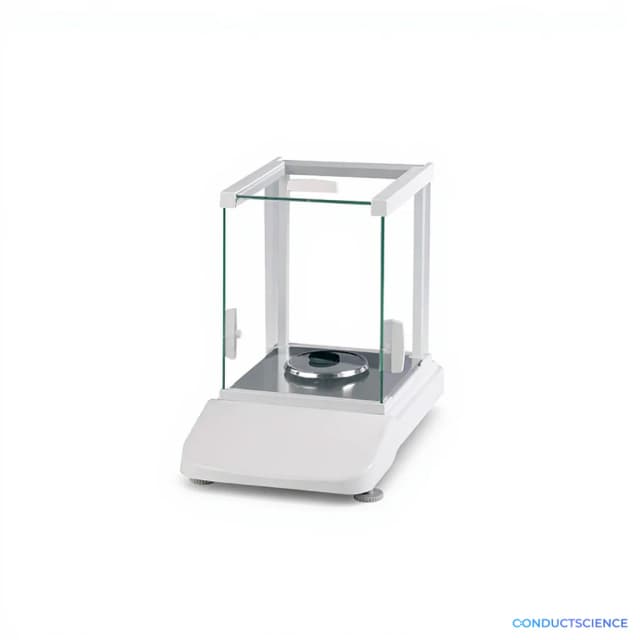
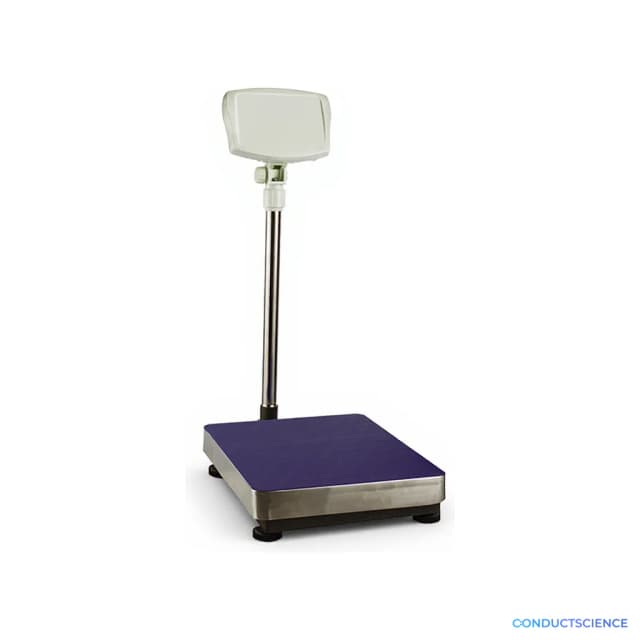
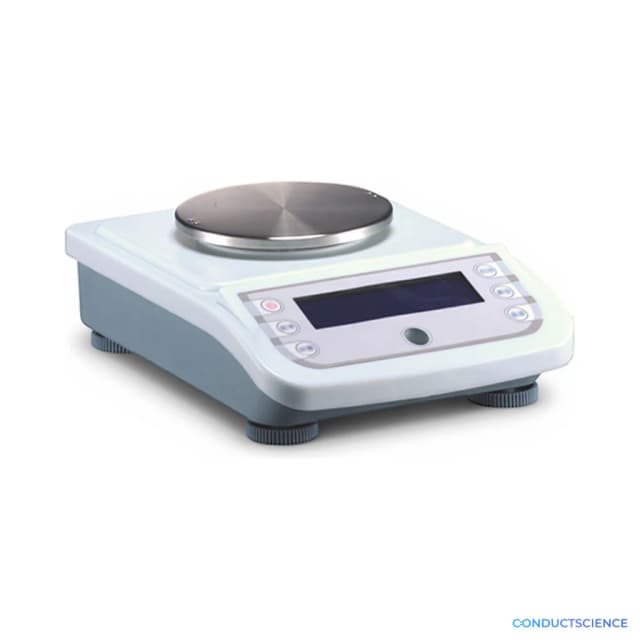
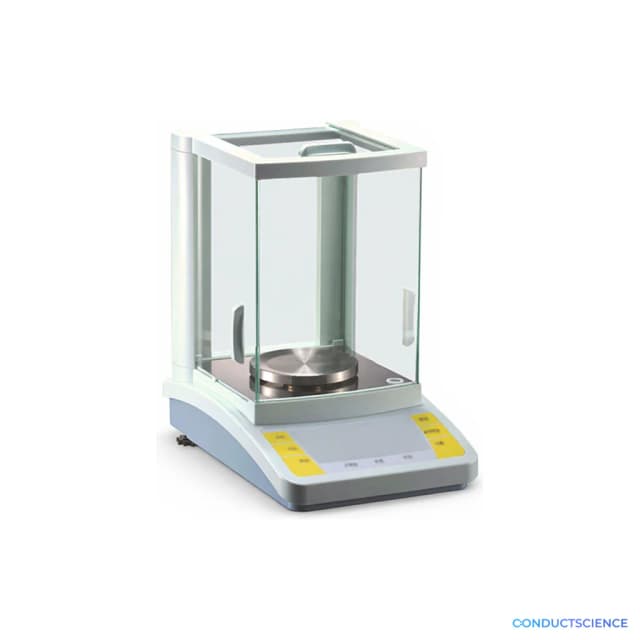
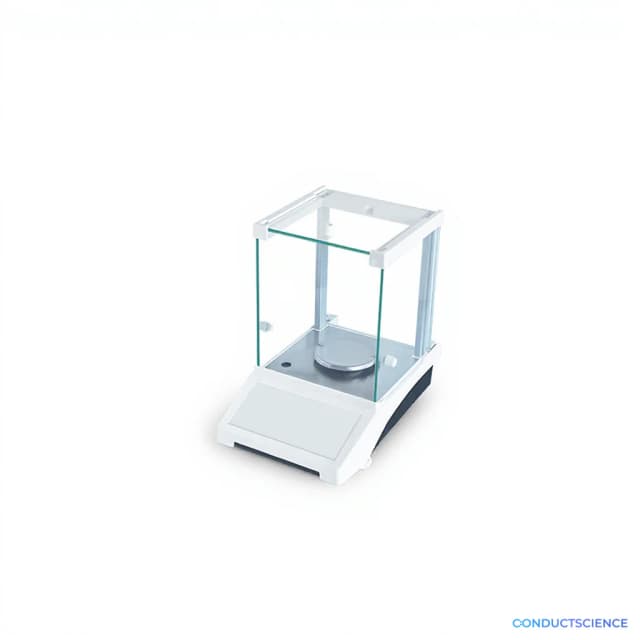
BP Series Electronic Precision Balance
Electronic precision balance series offering multiple capacity and readability configurations for accurate laboratory weighing applications.

Louise Corscadden, PhD
Director of Science · ConductScience
Ask Louise about BP Series Electronic Precision Balance fit, setup, configuration, or quote prep.
Already working with us? Sign in to connect this with My Scientist.
Key Specifications
Full details →- Model fit
- Configured during quote
- SKU family
- BIO-0356
- Shipping box
- 20.28 x 18.9 x 14.76 cm
- Ordering
- Online checkout and quote request available
- Category
- Balances
- Build notes
- Confirm accessories, station layout, and support needs before purchase
The BP Series Electronic Precision Balance provides accurate mass measurement capabilities for laboratory applications requiring precise weighing. This electronic balance series offers multiple capacity and readability configurations to accommodate diverse analytical protocols, from routine sample preparation to critical formulation work.
The balance features digital display and electronic measurement systems designed for laboratory environments. Multiple models are available with capacities ranging from 1200g to 5000g and readabilities from 10mg to 100mg, allowing researchers to select the appropriate specifications for their analytical requirements.
How It Works
Electronic precision balances operate using electromagnetic force compensation technology. When a sample is placed on the weighing pan, the resulting downward force displaces the pan assembly. This displacement is detected by a position sensor, which generates a signal proportional to the applied mass.
The electronic control system processes this signal and applies an electromagnetic force to restore the pan to its null position. The current required to maintain this equilibrium is directly proportional to the sample mass and is converted to a digital weight reading. This closed-loop system provides stable, accurate measurements by continuously compensating for the gravitational force acting on the sample.
The digital display shows the measured mass value, and the electronic circuitry provides features such as tare function, unit conversion, and data output capabilities for integration with laboratory information systems.
Features & Benefits
Automation Level
- manual
Readability
- Repeatability
Linear Error
- Scale Size
Package Size
- Gross Weight
BP12002
- 0~1200g
10mg
- 10mg
20mg
- 30mg
480*375*515
- 8.5kg
BP21002
- 0~2100g
BP31002
- 0~3100g
BP50002
- 0~5000g
BP21001
- 0~2100g
100mg
- 100mg
BP31001
- 0~3100g
BP41001
- 0~4100g
Brand
- ConductScience
Research Domain
- Analytical Chemistry
- Cell Biology
- Environmental Monitoring
- Food Science
- Materials Science
- Microbiology
- Pharmaceutical QC
Shipping weight
- 18.74 lb
Shipping box
- L: 20.28 cm
- W: 18.9 cm
- H: 14.76 cm
| Feature | This Product | Typical Alternative | Advantage |
|---|---|---|---|
| Capacity Range | 1200g to 5000g across seven models | Entry-level balances often offer fewer capacity options | Allows selection of optimal capacity for specific applications without overbuying precision |
| Readability Options | 10mg, 20mg, 30mg, and 100mg configurations available | Basic models typically offer single readability per capacity | Enables matching measurement resolution to analytical requirements and cost constraints |
| Model Configurations | Seven distinct models (BP12002, BP21002, BP31002, BP50002, BP21001, BP31001, BP41001) | Smaller product lines with fewer options | Provides precise specification matching for diverse laboratory applications |
| Package Dimensions | 480×375×515mm footprint | Varies significantly by manufacturer and model | Compact design maximizes available bench space for other laboratory equipment |
The BP Series distinguishes itself through multiple capacity-readability combinations within a cohesive product line, enabling laboratories to select configurations precisely matched to their analytical requirements. The range of seven models provides flexibility for diverse applications while maintaining consistent operation and interface design.
Practical Tips
Perform calibration at the same time daily when possible, allowing for thermal equilibration before beginning the procedure.
Why: Temperature stability ensures consistent performance and reduces measurement drift.
Clean the weighing chamber and pan regularly with appropriate solvents, avoiding harsh chemicals that could damage the load cell.
Why: Contamination buildup can affect measurement accuracy and cause baseline drift.
Use the tare function to zero the display with sample containers in place rather than calculating net weights manually.
Why: Direct taring eliminates calculation errors and improves workflow efficiency.
If readings drift or fluctuate, check for air currents around the balance and ensure the weighing chamber is properly closed.
Why: Environmental disturbances are the most common cause of measurement instability.
Allow samples to reach thermal equilibrium with the weighing environment before measurement, especially for materials stored at different temperatures.
Why: Temperature differences create air currents that affect measurement stability and accuracy.
Use appropriate sample containers for volatile or hazardous materials and ensure adequate ventilation in the weighing area.
Why: Protects both operator safety and instrument performance from chemical exposure.
Setup Guide
What’s in the Box
- BP Series electronic balance main unit
- Power adapter (typical)
- Weighing pan (typical)
- Draft shield assembly (typical)
- User manual and documentation (typical)
- Calibration certificate (typical)
Warranty
ConductScience provides a standard one-year manufacturer warranty covering defects in materials and workmanship, with technical support available for calibration and operational guidance.
Compliance
What calibration weights are required for the different BP Series models?
Calibration weight requirements depend on the specific model's capacity and readability. Consult the product datasheet for certified reference weight specifications appropriate for each model configuration.
How do I select between the different readability options available?
Choose readability based on your analytical requirements: 10mg for high-precision analytical work, 20-30mg for intermediate applications, and 100mg for routine preparative weighing where speed is more important than precision.
What environmental conditions affect weighing accuracy?
Air currents, temperature fluctuations, vibration, and electromagnetic interference can impact measurements. Install in a stable environment with minimal drafts and consistent temperature.
Can the balance interface with laboratory information management systems?
Data output capabilities vary by model configuration. Consult the product specifications for available communication interfaces and software compatibility options.
What is the recommended calibration frequency for these balances?
Calibration frequency depends on usage intensity, environmental conditions, and quality system requirements. Many laboratories calibrate weekly to monthly, with daily checks using reference weights.
How does the balance handle static electricity issues with low-conductivity samples?
Static electricity can cause measurement drift and instability. Use anti-static measures such as ionizers or conductive sample containers when weighing polymers or powdered materials.
Have a question about this product?
Have a question? Just ask.
Send it over and we'll email you a personalized answer — no call, no scheduling.
Prefer to talk it through?
Upgrade Options