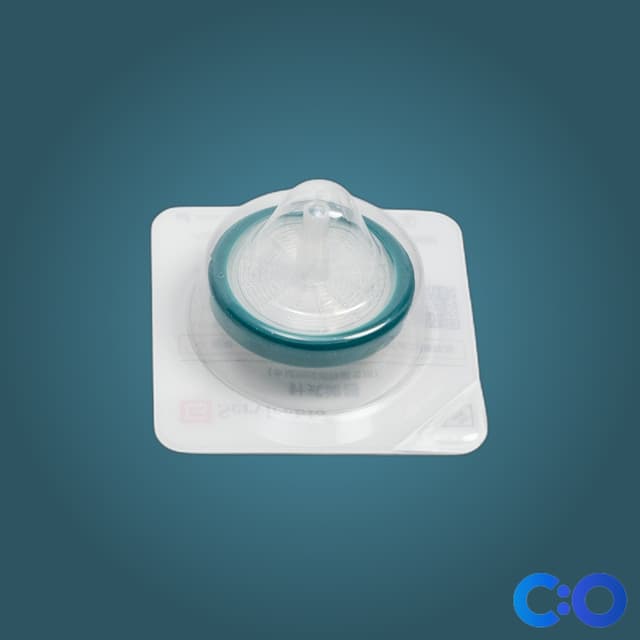
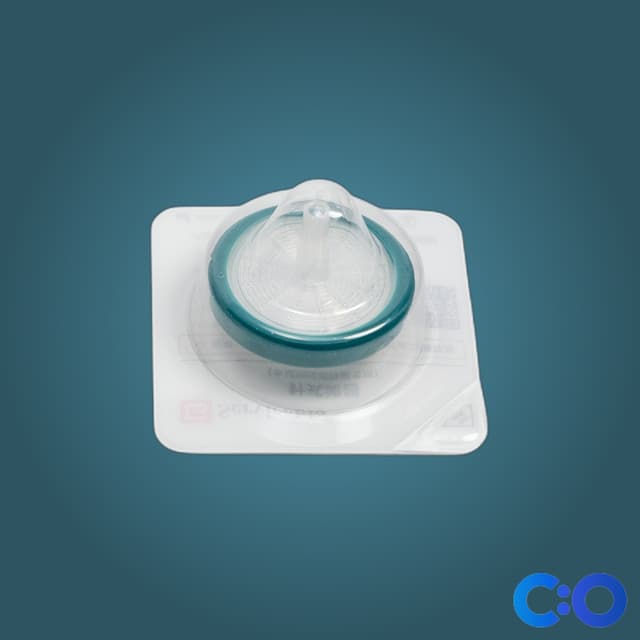
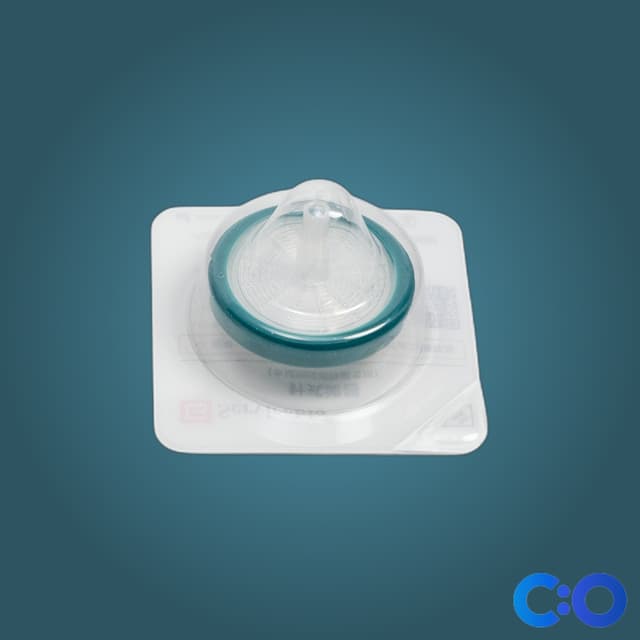
ConductScience Syringe Filters 0.22um, Nylon, Non-Sterile (Pack of 15)
$42.00 per unit | 15 units per pack Bulk pricing: Pack of 15 at $630.00 ($42.00 per unit)

Louise Corscadden, PhD
Director of Science · ConductScience
Ask Louise about ConductScience Syringe Filters 0.22um, Nylon, Non-Sterile (Pack of 15) fit, setup, configuration, or quote prep.
Already working with us? Sign in to connect this with My Scientist.
Key Specifications
Full details →- Model fit
- Configured during quote
- SKU family
- CS-SF-022NYL-100
- Shipping box
- 8.3 x 6.9 x 5.5 cm
- Ordering
- Online checkout and quote request available
- Category
- General Labware
- Build notes
- Confirm accessories, station layout, and support needs before purchase
ConductScience 0.22μm nylon syringe filters provide reliable sample preparation for aqueous and organic solvent filtration in laboratory applications. The 25mm diameter filters feature nylon membrane construction for broad chemical compatibility and effective particle retention at the 0.22 micrometer threshold.
These non-sterile filters are designed for routine laboratory filtration tasks where sterility is not required, offering cost-effective sample clarification and particle removal. The nylon membrane material provides good flow rates while maintaining consistent retention characteristics across diverse solvent systems.
How It Works
The 0.22μm nylon membrane operates through size exclusion filtration, physically retaining particles larger than the pore diameter while allowing smaller molecules and dissolved substances to pass through. The nylon polymer matrix provides a tortuous pathway that traps particles through both direct interception and depth filtration mechanisms.
Applied pressure forces the sample through the membrane structure, with filtration efficiency dependent on particle size distribution, membrane pore structure, and differential pressure across the filter. The nylon material exhibits good mechanical strength and chemical resistance, maintaining pore integrity under typical laboratory filtration pressures.
Features & Benefits
Automation Level
- manual
Research Domain
- Analytical Chemistry
- Cell Biology
- Environmental Monitoring
- Materials Science
- Microbiology
- Pharmaceutical QC
Shipping weight
- 0.22 lb
Shipping box
- L: 8.3 cm
- W: 6.9 cm
- H: 5.5 cm
| Feature | This Product | Typical Alternative | Advantage |
|---|---|---|---|
| Membrane Material | Nylon construction | Entry-level filters often use cellulose or polypropylene | Provides better chemical compatibility range compared to cellulose-based alternatives |
| Pore Size | 0.22μm retention rating | Basic filters may offer only coarser pore sizes | Enables effective bacteria and large particle retention for sample clarification |
| Diameter | 25mm filtration area | Smaller diameter options provide less surface area | Offers reasonable flow rates while maintaining manageable size for syringe operation |
| Packaging | 100-unit quantity | Smaller pack sizes common for specialty filters | Provides cost-effective bulk quantity for routine laboratory filtration needs |
These nylon syringe filters provide reliable 0.22μm filtration with good chemical compatibility in a practical 25mm format. The non-sterile design offers cost-effective particle removal for routine laboratory sample preparation applications.
Practical Tips
Pre-wet the nylon membrane with a small volume of solvent before filtering your sample to ensure consistent flow characteristics.
Why: Proper wetting eliminates air pockets that can cause uneven filtration or flow interruption.
Store unused filters in original packaging in a dry environment to prevent membrane degradation.
Why: Moisture exposure can affect membrane integrity and filtration performance.
If flow rate decreases significantly during filtration, consider pre-filtering with a coarser pore size to remove large debris.
Why: Heavy particulate loading can clog the membrane and reduce efficiency.
Discard the first few drops of filtrate when processing samples for quantitative analysis.
Why: Initial filtrate may contain membrane extractables or hold-up volume that could affect results.
Apply steady, controlled pressure to avoid sudden membrane rupture when filtering viscous samples.
Why: Excessive pressure can cause membrane failure and sample loss.
Match filter material to your primary solvent system - nylon works well for mixed aqueous/organic applications.
Why: Proper membrane selection optimizes flow rate and minimizes sample interaction.
Setup Guide
What’s in the Box
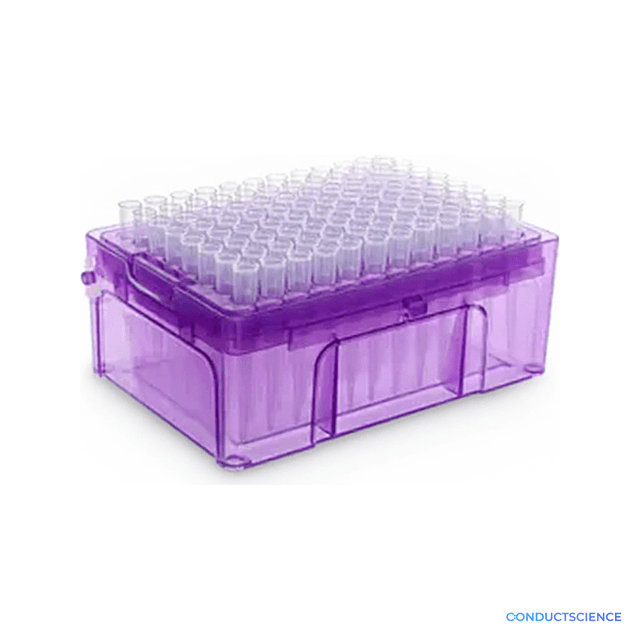
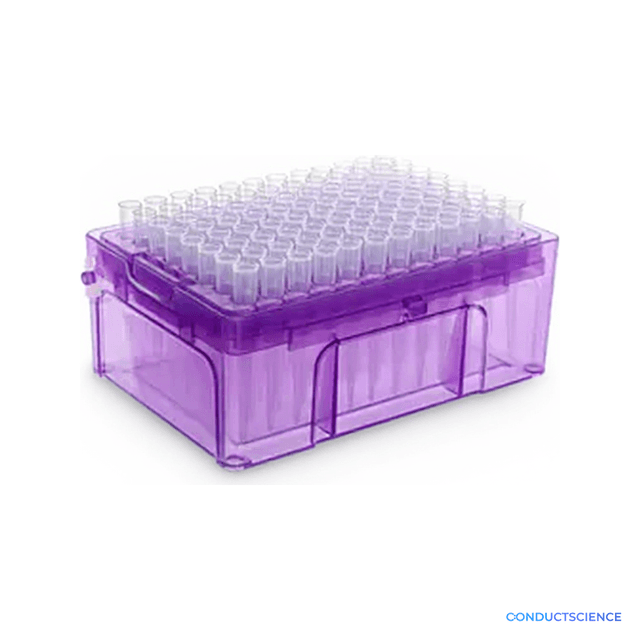
- 100 syringe filters (0.22μm nylon, 25mm)
- Product documentation (typical)
Warranty
ConductScience provides standard warranty coverage for manufacturing defects. Technical support available for filtration application guidance.
Compliance
What is the typical flow rate through these 0.22μm nylon filters?
Flow rate depends on sample viscosity, applied pressure, and membrane loading. Consult product datasheet for specific flow rate data under defined conditions.
Can these filters be used with DMSO and other organic solvents?
Nylon membranes generally show good compatibility with many organic solvents including DMSO, but verify specific solvent compatibility with the manufacturer's chemical resistance chart.
What is the maximum operating pressure for these syringe filters?
Maximum pressure rating varies with temperature and solvent type. Consult product specifications for pressure limits to avoid membrane rupture.
How do these compare to PTFE or PES membrane options?
Nylon offers broad chemical compatibility between hydrophilic PES (better for aqueous) and hydrophobic PTFE (better for organics), making it versatile for mixed solvent systems.
Can the filtrate be considered sterile after filtration?
No, these are non-sterile filters. While 0.22μm pores retain most bacteria, sterile filtrate requires validated sterile filters and aseptic technique.
What is the protein binding characteristic of nylon membranes?
Nylon membranes can exhibit moderate protein binding compared to low-binding alternatives like PES. Consider membrane type based on sample protein content and recovery requirements.
Have a question about this product?
Have a question? Just ask.
Send it over and we'll email you a personalized answer — no call, no scheduling.
Prefer to talk it through?
Accessories
Enhance your setup with compatible accessories
Related Products