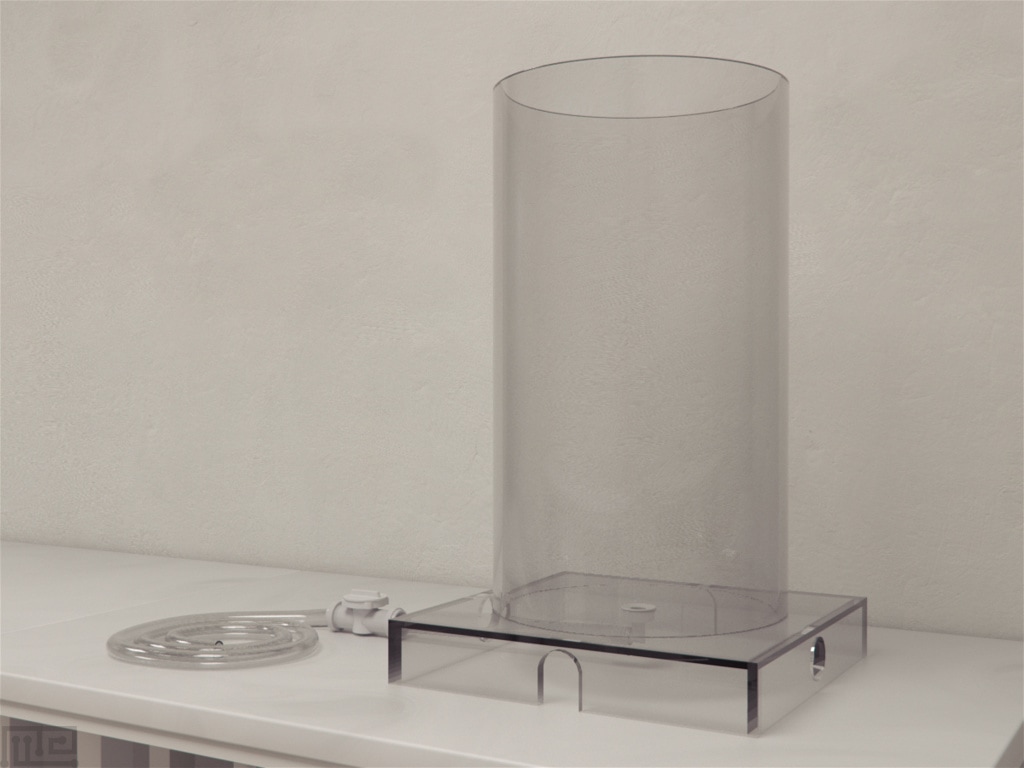
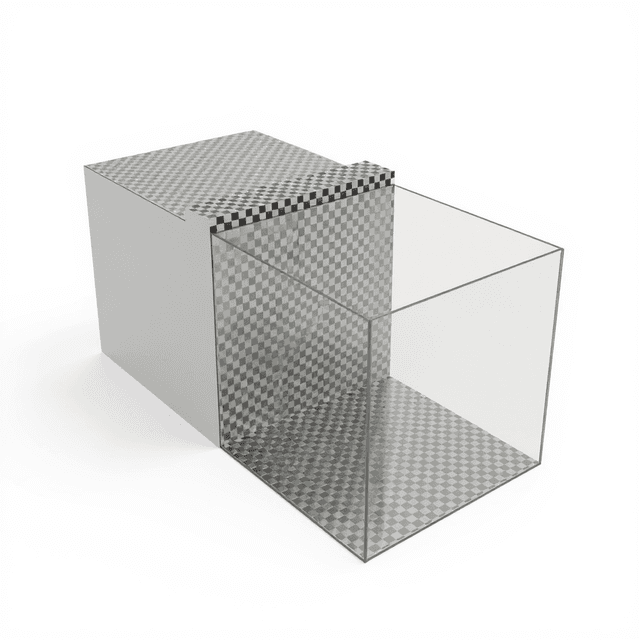
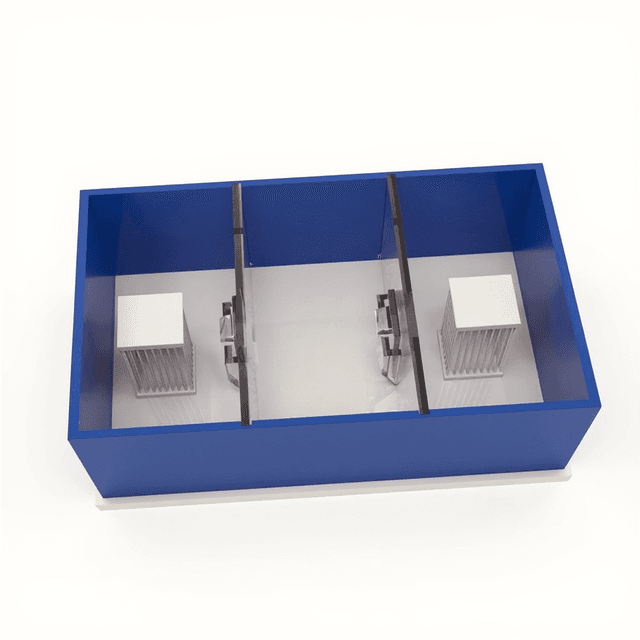
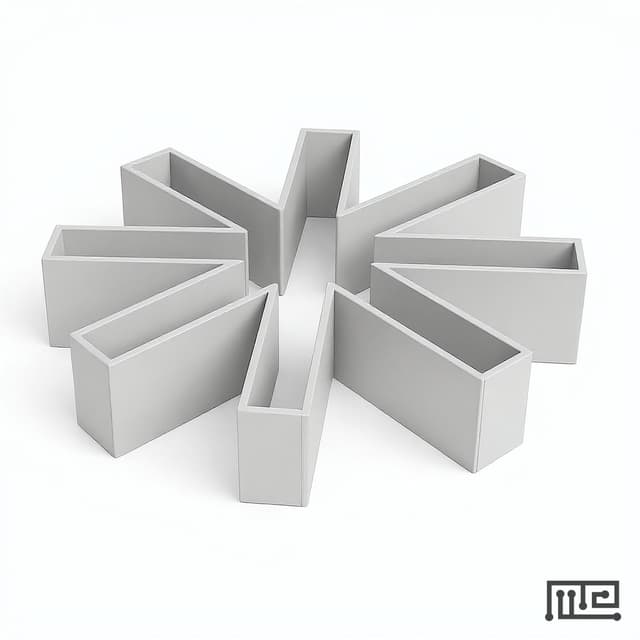
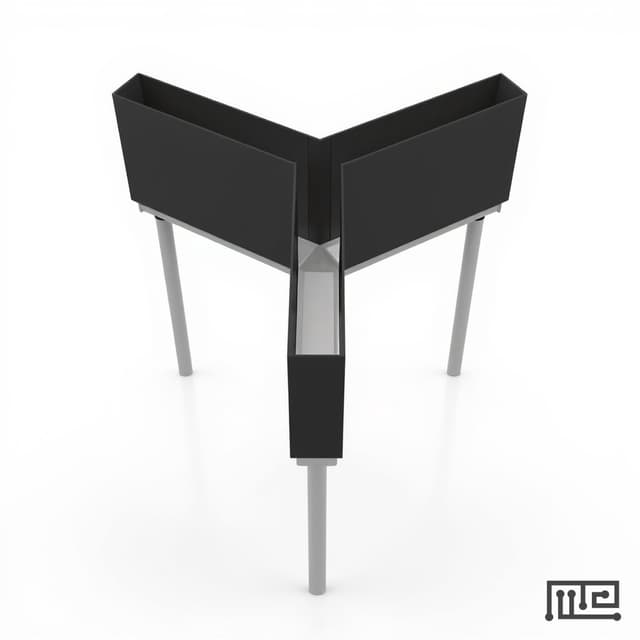
The forced swim test operates on the principle of behavioral despair, where animals placed in an inescapable water-filled cylinder initially attempt active escape behaviors (swimming, climbing) before transitioning to passive floating or minimal movements. The water level is calibrated to prevent foot contact with the chamber bottom while the smooth walls prevent climbing escape, creating a standardized stressful environment.
Behavioral scoring focuses on immobility time, defined as minimal movements necessary only to keep the head above water. Active behaviors include swimming (horizontal movements) and climbing (vertical movements directed at walls). The transparent Plexiglas construction allows clear visualization for manual scoring or video analysis systems. Test duration typically ranges from 5-15 minutes, with immobility measurements serving as the primary dependent variable for statistical analysis.