ConductVision
$1,490 per year for one computerA 5-year license is $3,990 in total.
The same license also scores standard tests such as the open field, the elevated plus maze, the Y-maze and the Morris water maze. Results export as CSV files.

Behavioral testing apparatus for assessing anxiety-like behavior and exploratory tendencies in rodents through light-dark preference paradigm.

Director of Science · ConductScience
Ask Louise about Light Dark Box fit, setup, configuration, or quote prep.
Already working with us? Sign in to connect this with My Scientist.
Behavioral measures of anxiety were quantified during assessment 1 as mice explored the light/dark box (Maze Engineers).
Maze Engineers, the maker named in the paper, is part of ConductScience.
Last counted
From 2021 to 2025, 712 animal research papers mentioned the light-dark box. The count covers the test on any apparatus, not only this one.
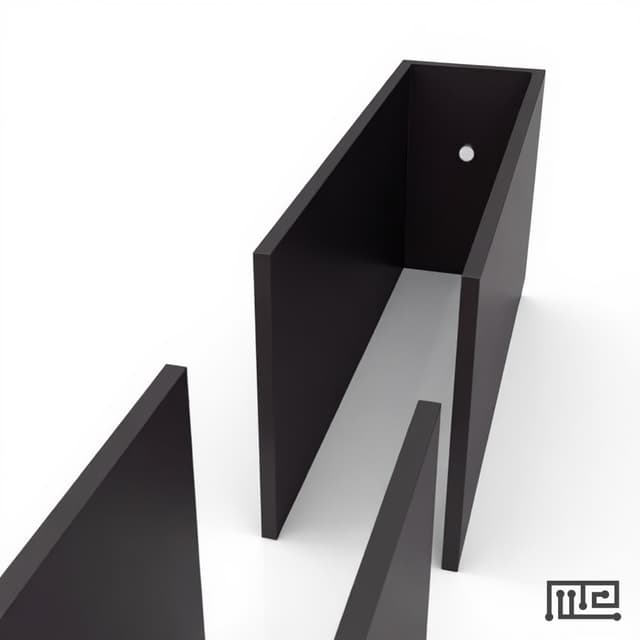
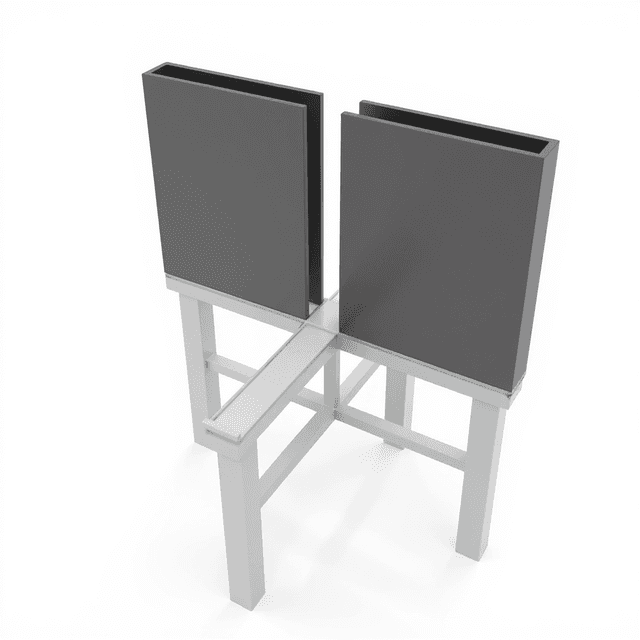
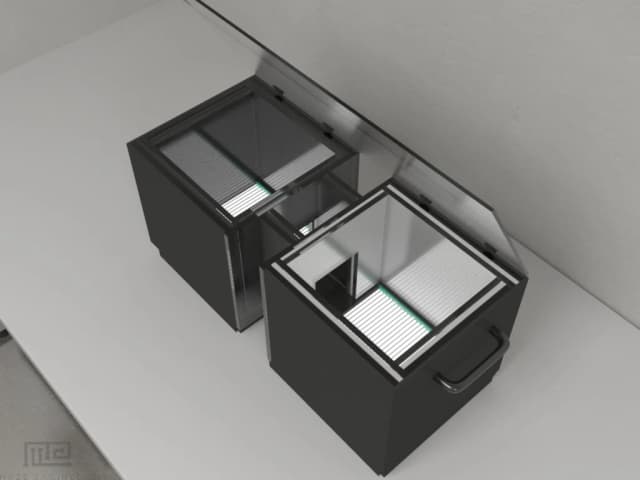
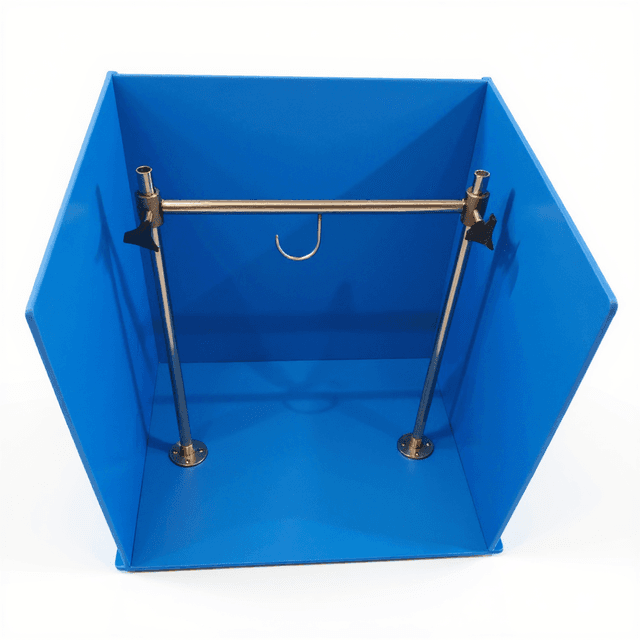
The Light Dark Box is a behavioral testing apparatus designed to assess anxiety-like behavior and exploratory tendencies in rodents. This standardized paradigm exploits the natural conflict between a rodent's innate drive to explore novel environments and its aversion to brightly illuminated open spaces. The apparatus consists of two connected chambers with contrasting lighting conditions, allowing researchers to quantify approach-avoidance behaviors, thigmotaxis, and locomotor activity patterns.
Available in species-specific configurations for mice and rats, the system features an IR-permeable dark chamber that enables video tracking and behavioral analysis while maintaining the chamber's perceived darkness to the test subject. The acrylic construction provides durability and ease of decontamination between test sessions, making it suitable for high-throughput behavioral phenotyping studies. The apparatus supports both acute pharmacological interventions and chronic behavioral assessments in neuroscience and behavioral pharmacology research.
The Light Dark Box test exploits the natural behavioral conflict in rodents between exploratory drive and aversion to open, brightly illuminated spaces. Rodents exhibit an innate preference for dark, enclosed environments while simultaneously displaying exploratory behavior toward novel areas. This paradigm creates an approach-avoidance conflict that manifests as measurable behavioral parameters including time spent in each chamber, transition frequency, and locomotor activity patterns.
The apparatus features an IR-permeable dark chamber that appears dark to the rodent while allowing infrared video tracking systems to record behavior. Test subjects are typically placed in the dark chamber initially and allowed free access to both compartments. Anxiety-like behavior is characterized by reduced time in the light chamber, fewer transitions between chambers, and increased thigmotactic behavior (wall-following) in the light compartment. The standardized chamber dimensions and door size ensure consistent testing conditions across studies.
Behavioral endpoints are quantified through automated video tracking or manual scoring, with typical measures including latency to first light chamber entry, total time spent in each chamber, number of transitions, rearing behavior, and locomotor activity. The test duration is typically 5-10 minutes, with data analysis focusing on the proportion of time and activity in each chamber relative to baseline exploratory behavior.
These IDs come from the Measurement Method Ontology (MMO) and NCBI Taxonomy. Use them in data records and methods sections.
MMO:0000597NCBITaxon:10090 NCBITaxon:10116 | Measurement | Mouse | Rat |
|---|---|---|
| Dark chamber length | 17.5 cm | — |
| Light chamber length | 25 cm | 30 cm |
| Length | 17.5 cm | 22.5 cm |
| Height | 35 cm | 40 cm |
| Door width | 5 cm | 10 cm |
| Cm x depth | — | 40 cm |
Ready for RO-Crate, the open standard for sharing data.
| Feature | This Product | Typical Alternative | Advantage |
|---|---|---|---|
| Chamber Configuration | Species-specific optimized dimensions with 17.5x40cm dark and 25x40cm light chambers for mice, 20x40cm dark and 30x40cm light for rats | Standard models often use fixed dimensions regardless of species | Ensures appropriate spatial relationships for natural behavioral expression in each species |
| Dark Chamber Design | IR-permeable dark chamber allowing complete video tracking while maintaining perceived darkness | Basic dark chambers may compromise either tracking capability or light-dark contrast | Enables automated behavioral analysis without sacrificing paradigm validity |
| Surface Treatment | Matte finish to eliminate reflective glare | Standard acrylic often has glossy surfaces that can interfere with tracking | Improves video tracking accuracy and reduces visual artifacts during recording |
| Construction Material | Odor-resistant acrylic with easy ethanol cleaning compatibility | Some models use materials that retain odors or require specialized cleaning | Prevents olfactory contamination between test sessions that could confound results |
This Light Dark Box offers species-optimized chamber dimensions, IR-permeable dark chamber design for complete behavioral tracking, and odor-resistant construction with standardized cleaning protocols. The matte surface treatment and durable acrylic construction support high-throughput behavioral studies with consistent reproducibility.
| Model | Size | SKU | Listed price | Status | Shipping box |
|---|---|---|---|---|---|
| Mouse | Dark chamber length 17.5 cm · Light chamber length 25 cm · Length 17.5 cm · Height 35 cm | ME-4101-01-BLUE (+4) | $1,290.00 | Available | 43.2 × 38.0 × 27.9 cm |
| Rat | Length 22.5 cm · Light chamber length 30 cm · Cm x depth 40 cm · Height 40 cm | ME-4101-02-BLUE (+4) | $1,590.00 | Available | 43.2 × 38.0 × 27.9 cm |
Verify light chamber illumination levels regularly using a calibrated lux meter to maintain consistent 400-1000 lux lighting conditions.
Why: Consistent lighting conditions are critical for reproducible anxiety-related behavioral responses across test sessions.
Inspect the connecting door mechanism weekly to ensure smooth operation and proper alignment between chambers.
Why: Door functionality affects natural transition behavior and can introduce artifacts if animals hesitate due to mechanical issues.
Place test subjects initially in the dark chamber and allow a 30-second acclimation period before beginning behavioral recording.
Why: Initial dark chamber placement provides a standardized starting condition and reduces variability in first light chamber exploration latency.
If animals show excessive freezing behavior, reduce ambient noise levels and ensure the testing room is isolated from laboratory traffic.
Why: External disturbances can overwhelm the light-dark behavioral paradigm and lead to non-specific anxiety responses.
Record baseline locomotor activity in the dark chamber during the first minute to normalize subsequent behavioral measures.
Why: Individual differences in general activity levels can be factored out to better isolate anxiety-specific behavioral changes.
Ensure all acrylic edges are smooth and free of sharp corners that could potentially injure test subjects.
Why: Animal welfare requirements and potential injury artifacts that could confound behavioral measurements.
Standardize the time of day for testing sessions to account for circadian influences on anxiety-related behaviors.
Why: Rodent activity patterns and stress hormone levels vary throughout the light-dark cycle, affecting behavioral responses.
Monitor for habituation effects by tracking behavior changes across repeated testing sessions in longitudinal studies.
Why: Repeated exposure to the apparatus can reduce anxiety responses and affect the validity of chronic treatment assessments.
ConductScience provides a standard one-year manufacturer warranty covering defects in materials and workmanship, with technical support available for setup and operational guidance.
Background reading relevant to this product:
Specifications, models, materials, and operating envelopes
What is the Light Dark Box?
The Light Dark Box is a two-compartment behavioral apparatus used to measure anxiety-like behavior based on the innate aversion of rodents to brightly illuminated areas and their exploratory drive.
How does the Light Dark Box work?
The apparatus has a brightly lit compartment connected to a dark enclosed compartment. Rodents freely move between them. Latency to enter the light side, time spent in light, and number of transitions quantify anxiety levels.
What research applications use the Light Dark Box?
The Light Dark Box is used for rapid anxiolytic drug screening, phenotyping of transgenic mouse lines, and studies of light-aversion in migraine models. Its simplicity makes it ideal for high-throughput behavioral testing.
Each paper below used this product. Under each title is the paper’s own sentence naming the equipment it used.
...in dim regions for a prolonged duration. The dark-bright box was executed in a box with 2 parts (MazeEngineers, USA).
The dark-light box was performed in a box with two compartments (MazeEngineers, USA).
...a dark (enclosed side) connected by a small hole to allow the mouse to travel between each side (Maze Engineers).
Behavioral measures of anxiety were quantified during assessment 1 as mice explored the light/dark box (Maze Engineers).
Research data
712 animal research papers in PubMed from 2021 to 2025 mention the light-dark box test
1.5 times as many as the 476 papers from 2011 to 2015
These counts are for the test, whoever made the apparatus, not for this product.
The lists below cover 2021 to 2025, the years in the band.
Hover over a bar to see its year. Click or tap a bar to show only that year in the lists below, or drag across the bars to show a span of years. On a keyboard, use the arrow keys on the chart to read each year, and the menus below it to pick the years.
A paper can mention more than one species, test or condition, so the percentages can add up to more than 100%.
To put a whole battery on one quote, open the test battery tool and start from the light-dark box test. Pick the other tests your study will run, then add the apparatus we sell for each.
By papers from 2021 to 2025, the light-dark box test ranks 22nd of the 90 tests we track.
Of the 712 papers from 2021 to 2025, 86 name time in the light compartment in the title or abstract, more than any other measure.
Next come transitions (24 papers) and latency to enter the dark side (10 papers).
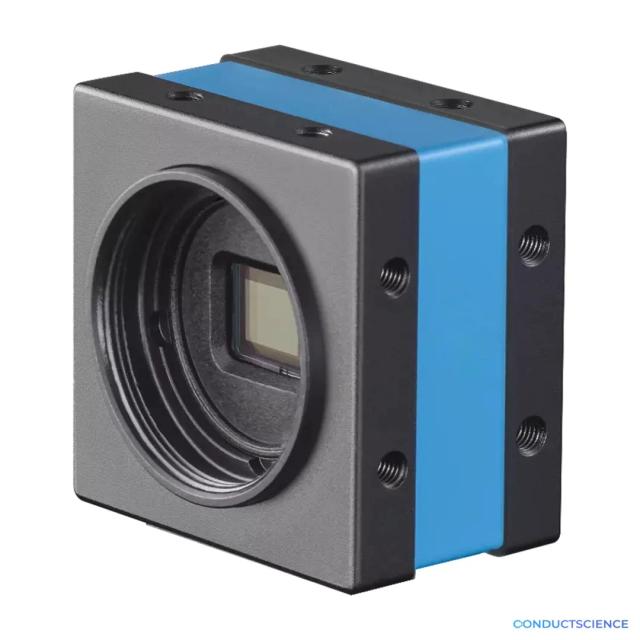
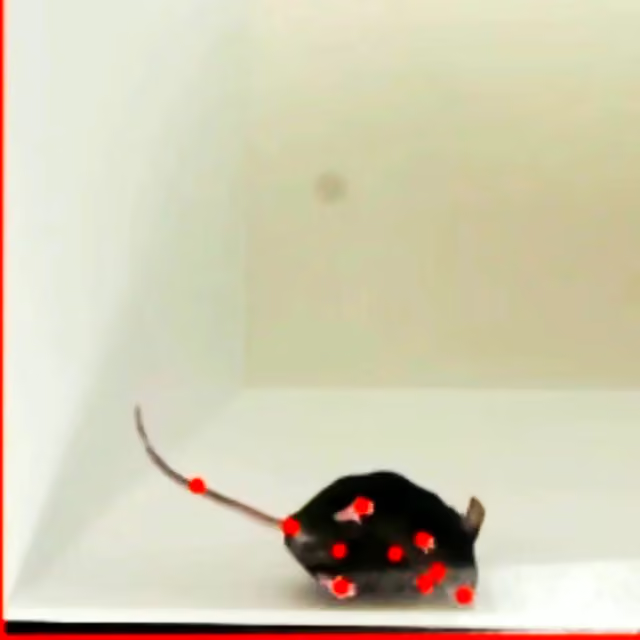
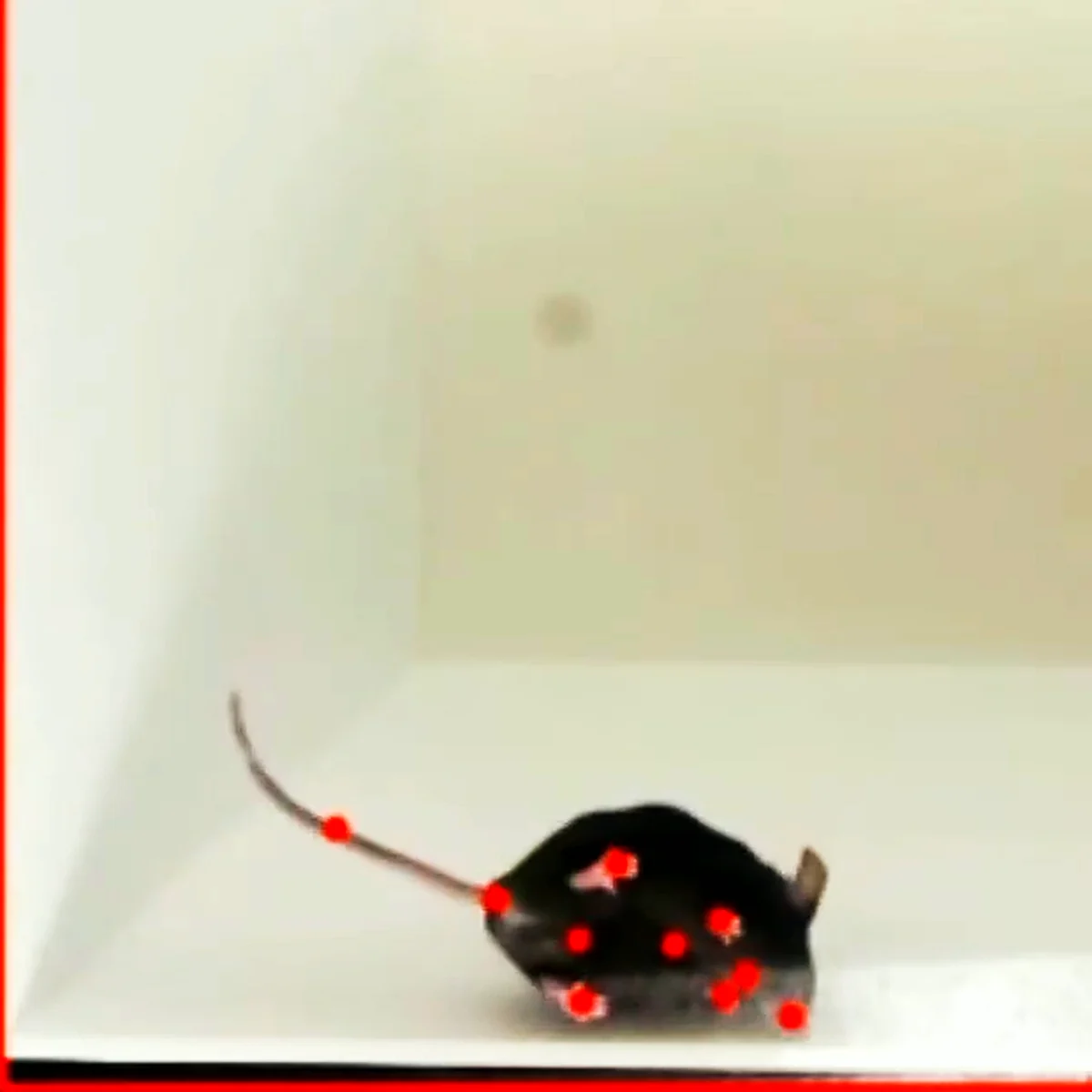
ConductVision reports time in the light compartment, transitions and latency to enter the dark side from video.
Papers per year for the 4 measures we trackConductVision is our video-tracking software. Record your sessions on video, and it reports the measures listed below.
A 5-year license is $3,990 in total.
The same license also scores standard tests such as the open field, the elevated plus maze, the Y-maze and the Morris water maze. Results export as CSV files.
Send it over and we'll email you a personalized answer, with no call or scheduling.
Prefer to talk it through?
Enhance your setup with compatible accessories
Use this apparatus with
Automate light-zone time, latency, zone occupancy, path order, and event timing for Light/Dark Box studies.
ConductVision Light/Dark Box ->Stepwise light-dark transition setup, trial timing, exclusion rules, and reporting checkpoints.
ConductMaze Light/Dark Box Protocol ->Summarize light-zone time, group differences, and quality-control flags before export.
Light/Dark Box Calculator ->§ 1
The Light/Dark Box is a anxiety assay built around anxiety-like conflict testing between protected dark occupancy and bright-zone exploration. Interpretable data depend on matching the apparatus geometry, subject species, trial structure, and scoring rules to the behavioral construct under study. 1
Light-dark transition protocols depend on stable geometry, consistent trial timing, and pre-defined scoring rules. Without those controls, light-zone time can be shifted by motivation, locomotion, light level, odor, cue salience, or handling rather than the intended behavioral construct. 1
This methods section summarizes setup, endpoint definitions, common confounds, sample output, adjacent assays, and reporting details needed to evaluate Light/Dark Box results alongside the product specifications. 1
§ 2
Light-dark transition with standardized setup, trial timing, and endpoint extraction.
Critical methodological constraints
Core Light/Dark Box endpoints for behavioral interpretation and apparatus quality control.
Light-zone time
Exploration-anxiety balance
Transition latency
Latency and initiation
Compartment transitions
Spatial or zone strategy
Dark-zone dwell
Engagement control
Tracking dropouts
Quality-control flag
+ Additional metrics: trial duration, zone dwell, event count, path efficiency, tracking confidence, exclusions, and session-level notes.
A compact percentage summary for Light/Dark Box output.
§ 3
Representative Light/Dark Box output for methods review and endpoint interpretation.
§ 4
Limitations of the paradigm, methodological caveats, and current directions.
Variables that can shift Light/Dark Box results apart from the effect under study.
Illumination intensity can change apparent Light/Dark Box performance without reflecting the intended behavioral construct.
Door size can change apparent Light/Dark Box performance without reflecting the intended behavioral construct.
Prior handling can change apparent Light/Dark Box performance without reflecting the intended behavioral construct.
Locomotor activity can change apparent Light/Dark Box performance without reflecting the intended behavioral construct.
Strain baseline can change apparent Light/Dark Box performance without reflecting the intended behavioral construct.
Light/Dark Box is strongest when endpoint definitions, apparatus settings, and exclusion rules are specified before testing. Treat a single summary metric as a screening signal, then confirm interpretation with latency, engagement, comparator assays, and quality-control review. 1
Choose Light/Dark Box when the research question matches anxiety-like conflict testing between protected dark occupancy and bright-zone exploration. and the lab can control illumination intensity, door size, and trial timing.
Specify species, cohort size, apparatus dimensions, lighting, tracking method, automation level, cleaning workflow, endpoint definitions, and exclusion criteria before data collection begins.
Interpretation is strongest when the apparatus configuration, trial timing, scoring thresholds, confound controls, and comparator assays are documented together with the primary endpoint.
Quarterly editorial review of emerging Light/Dark Box methodology. Q2 2026
Define light-zone time, latency, exclusions, and engagement flags before comparing cohorts.
Camera and event-log workflows can reduce observer burden and improve consistency when zone definitions and event thresholds are validated.
Light/Dark Box should link to adjacent maze, motor, or motivation assays when interpretation depends on controls.
Apparatus dimensions, protocol fit, tracking compatibility, and endpoint definitions should be reported together so results are easier to reproduce.
§ 5
10 selected methods and validation studies of the Light/Dark Box, from any lab.