Mechanized Cleanroom Panel
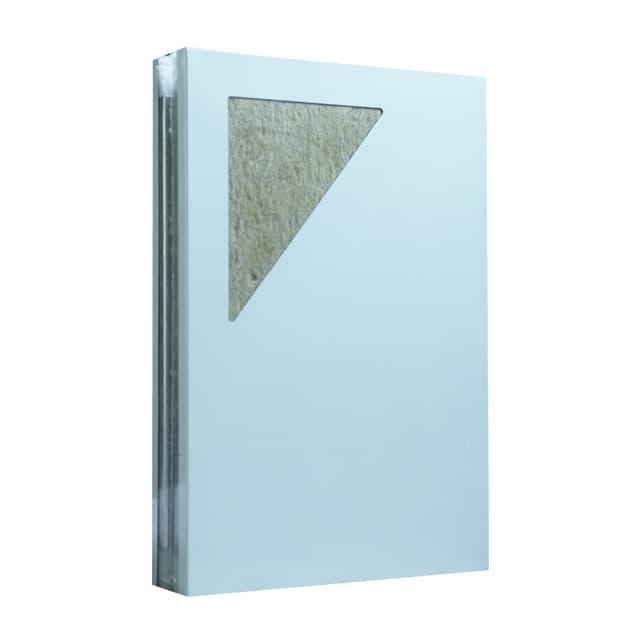
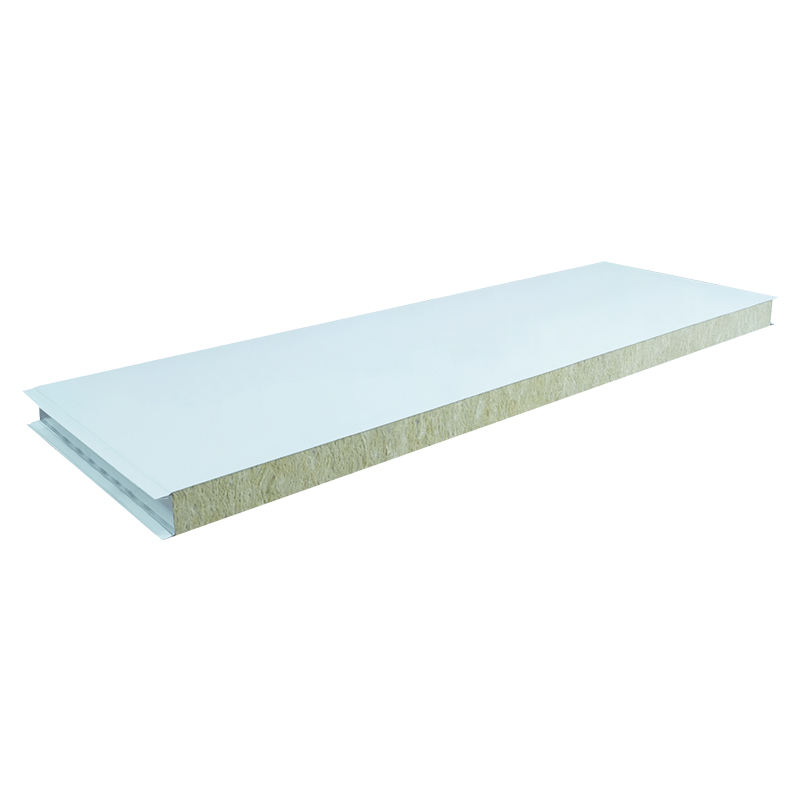
Modular PU foam core cleanroom wall panels with color-coated steel surfaces, available in multiple thickness options for controlled environment construction.

Louise Corscadden, PhD
Director of Science · ConductScience
Ask Louise about Mechanized Cleanroom Panel fit, setup, configuration, or quote prep.
Already working with us? Sign in to connect this with My Scientist.
Key Specifications
Full details →- Model fit
- 4 selectable configurations
- SKU family
- Assigned during quote
- Shipping box
- 46.5 x 44.0 x 35.5 cm
- Ordering
- Online checkout and quote request available
- Category
- Cleanroom Equipment
- Build notes
- PU, Magnesium Oxysulfide, Silicon Rock, Rock Wool
The Mechanized PU Cleanroom Panel is a modular wall panel system designed for controlled environment construction in research and manufacturing facilities. The panel features a polyurethane (PU) foam core sandwiched between color-coated steel plates, providing structural integrity and thermal insulation properties required for cleanroom applications.
The tongue-and-groove panel design enables seamless installation while maintaining environmental sealing between adjacent panels. Available in multiple thickness configurations (50mm, 75mm, 100mm, 120mm) and standard widths (950mm/1150mm), the system accommodates various cleanroom classifications and thermal requirements. Custom lengths up to 6000mm support flexible facility layouts while minimizing installation joints.
The panel construction utilizes 0.426-0.8mm thick color-coated steel surfaces over a PU core with density of 40-60kg/m³, providing a balance of structural performance and weight considerations for mounting and handling during installation.
How It Works
The panel system operates on a sandwich construction principle where the polyurethane foam core provides thermal insulation while the steel facings contribute structural strength and surface durability. The PU foam core, with its closed-cell structure at 40-60kg/m³ density, minimizes air permeability and provides consistent thermal properties across the panel thickness.
The tongue-and-groove jointing system creates interlocking connections between adjacent panels, forming continuous wall surfaces without gaps that could harbor contaminants. The color-coated steel surfaces (0.426-0.8mm thickness) provide smooth, non-porous finishes that resist particle accumulation and support standard cleanroom cleaning protocols.
Panel thickness options (50-120mm) accommodate different thermal and structural requirements, with thicker panels providing enhanced insulation properties for temperature-controlled environments and greater structural rigidity for spanning larger distances between supports.
Features & Benefits
Shipping weight
- 60.0 lb
Shipping box
- L: 46.5 cm
- W: 44.0 cm
- H: 35.5 cm
| Feature | This Product | Typical Alternative | Advantage |
|---|---|---|---|
| Core Material Options | PU foam core with 40-60kg/m³ density | Basic models often use mineral wool or simple foam cores | PU foam provides consistent thermal properties while maintaining structural lightness for installation handling. |
| Panel Thickness Range | Four thickness options: 50mm, 75mm, 100mm, 120mm | Limited thickness options in standard product lines | Multiple thickness options accommodate various thermal requirements and structural applications within a single panel system. |
| Surface Construction | Color-coated steel plates 0.426-0.8mm thickness | Thinner coatings or alternative surface materials | Robust steel surfaces provide durability for repeated cleaning cycles and long-term cleanroom operation. |
| Custom Length Capability | Custom lengths up to 6000mm | Standard lengths only in many systems | Extended length capability reduces horizontal joints, minimizing potential contamination paths in wall systems. |
| Connection System | Tongue-and-groove interlocking design | Simple butt joints or overlapping connections | Interlocking connections provide superior environmental sealing and consistent wall surface alignment. |
The panel system offers comprehensive thickness options and robust steel surface construction with PU foam core technology. Custom length capability and tongue-and-groove connections support efficient cleanroom construction with minimized joint requirements.
| Model | SKU | Listed price | Status | Shipping box |
|---|---|---|---|---|
| Rock Wool | BIO-0836 | $5,100.00 | Available | 46.5 x 44.0 x 35.5 cm |
| Silicon Rock | BIO-0835 | $5,100.00 | Available | 46.5 x 44.0 x 35.5 cm |
| Magnesium Oxysulfide | BIO-0834 | $5,100.00 | Available | 46.5 x 44.0 x 35.5 cm |
| PU | BIO-0833 | $3,400.00 | Available | 46.5 x 44.0 x 35.5 cm |
Practical Tips
Plan panel layout to minimize horizontal joints and optimize cleaning access in corners and ceiling transitions.
Why: Fewer joints reduce potential contamination paths and simplify cleaning protocols in cleanroom operations.
Inspect joint sealants periodically for integrity and replace as needed to maintain environmental control.
Why: Joint seal degradation can compromise cleanroom classification and environmental control performance.
Store panels in clean, dry conditions before installation and handle with clean gloves to prevent surface contamination.
Why: Pre-installation contamination can require additional cleaning steps and delay commissioning schedules.
Address panel alignment issues immediately during installation to prevent compound alignment problems in subsequent panels.
Why: Alignment errors propagate through tongue-and-groove connections and become increasingly difficult to correct.
Use proper lifting techniques and mechanical assistance for panel handling, especially with thicker configurations.
Why: Panel weight increases significantly with thickness, requiring appropriate handling equipment to prevent injury.
Coordinate panel thickness selection with HVAC system design to ensure adequate thermal performance.
Why: Panel thermal properties affect overall facility energy efficiency and environmental control stability.
Document panel locations and specifications for future reference during facility modifications or maintenance.
Why: Accurate records facilitate matching replacement panels and planning system modifications.
Setup Guide
What’s in the Box
- Cleanroom panels (quantity per order specification)
- Installation hardware kit (typical)
- Panel alignment tools (typical)
- Joint sealant samples (typical)
- Installation guide and specifications
Warranty
ConductScience provides standard manufacturer warranty coverage for material defects and construction quality. Technical support includes installation guidance and specification assistance for cleanroom applications.
Compliance
What cleanroom classifications can these panels support?
Panel construction supports various cleanroom classifications depending on joint sealing methods and overall system design. Consult facility design specifications for specific classification requirements.
How do I select the appropriate panel thickness for my application?
Thickness selection depends on thermal requirements, structural span, and facility specifications. Thicker panels (100-120mm) provide enhanced insulation, while standard thicknesses (50-75mm) suit most laboratory applications.
What surface cleaning protocols are compatible with the steel coating?
Color-coated steel surfaces are compatible with standard cleanroom detergents and disinfectants. Avoid abrasive cleaners that could compromise surface integrity.
Can panels be reconfigured after initial installation?
The modular design enables reconfiguration, though joint sealants may require replacement. Consider future modification requirements during initial installation planning.
What structural support is required for panel installation?
Panels require appropriate floor and ceiling track systems plus intermediate structural supports based on panel height and facility loading requirements. Consult structural engineer for specific applications.
How do custom length panels affect delivery and installation?
Custom lengths up to 6000mm may require special handling and transport considerations. Coordinate with facility access requirements and installation sequence planning.
Have a question about this product?
Have a question? Just ask.
Send it over and we'll email you a personalized answer — no call, no scheduling.
Prefer to talk it through?
Accessories
Enhance your setup with compatible accessories