Handmade Cleanroom Panel
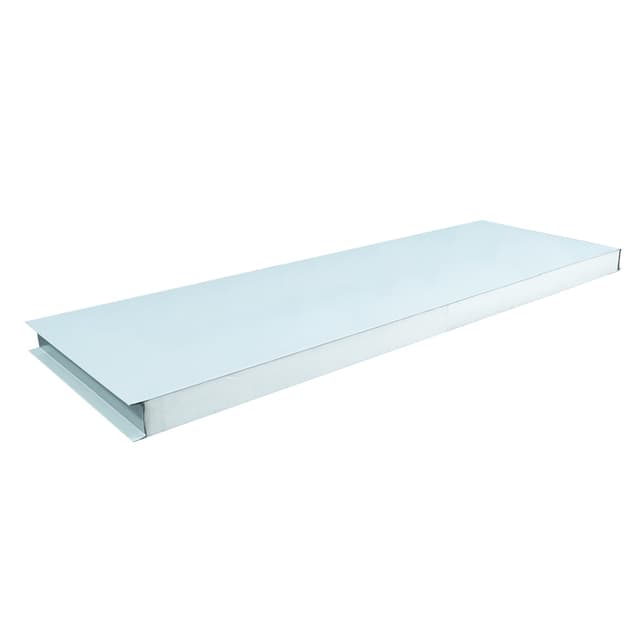
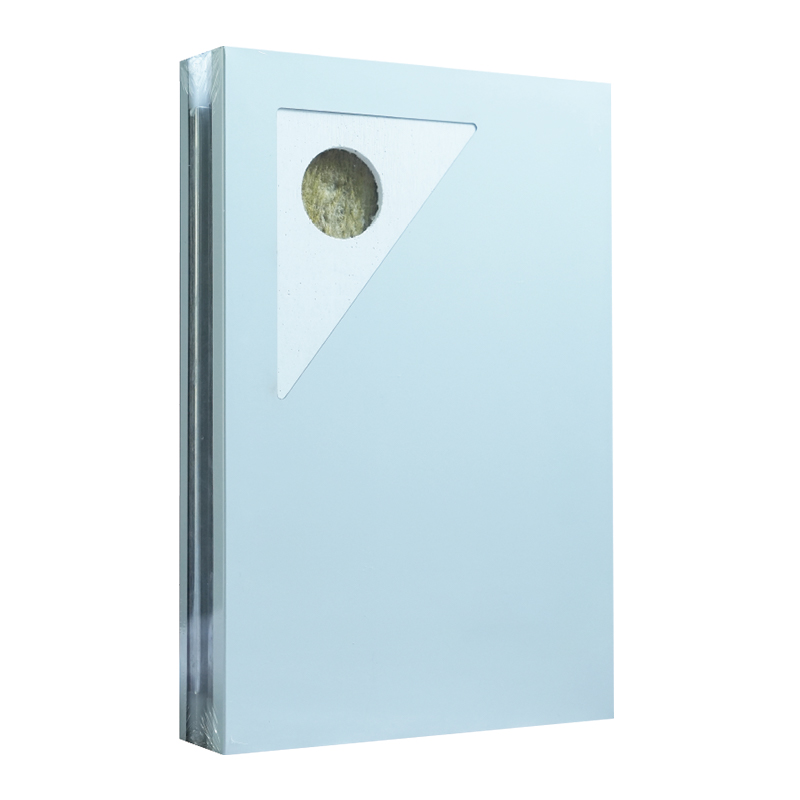
Modular silicon rock core cleanroom wall panels with color-coated steel surfaces, available in multiple thickness configurations for controlled environment construction.

Louise Corscadden, PhD
Director of Science · ConductScience
Ask Louise about Handmade Cleanroom Panel fit, setup, configuration, or quote prep.
Already working with us? Sign in to connect this with My Scientist.
Key Specifications
Full details →- Model fit
- 6 selectable configurations
- SKU family
- Assigned during quote
- Shipping box
- 46.5 x 44.0 x 35.5 cm
- Ordering
- Online checkout and quote request available
- Category
- Cleanroom Equipment
- Build notes
- Silicon Rock, PU, Rock Wool, Magnesium Oxysulfide, Aluminum Honeycomb, Glass Magnesite Wool
The Handmade Silicon Rock Cleanroom Panel is a modular wall construction system engineered for controlled environment applications requiring particulate contamination control. The panel features a silicon rock mineral wool core sandwiched between color-coated steel plates, providing thermal insulation and structural integrity for cleanroom enclosures. The silicon rock core material offers fire resistance and dimensional stability while maintaining low particulate generation characteristics essential for cleanroom environments.
Available in multiple thickness configurations (50mm, 75mm, 100mm) with standardized widths of 980mm or 1180mm, these panels accommodate various cleanroom classifications and thermal requirements. The modular design incorporates Chinese aluminum-type or male-female mouth connection systems for secure panel-to-panel joining, enabling construction of seamless cleanroom walls with minimal air leakage pathways.
How It Works
The panel construction utilizes a silicon rock mineral wool core that provides both thermal insulation and fire resistance while maintaining low particulate emission characteristics. Silicon rock wool is manufactured by melting natural rock materials at high temperatures and spinning the molten material into fine fibers, creating a matrix with excellent thermal properties and dimensional stability. The fiber structure traps air while resisting compression, providing consistent insulation performance over time.
The outer steel plates are color-coated with specialized finishes designed for cleanroom applications, providing smooth, non-porous surfaces that resist particle adhesion and facilitate cleaning protocols. The male-female mouth or Chinese aluminum connection system creates interlocking joints between panels, minimizing air leakage and maintaining the integrity of the controlled environment envelope. Panel thickness selection (50mm, 75mm, or 100mm) determines the thermal resistance and structural performance characteristics for specific application requirements.
Features & Benefits
Shipping weight
- 150.0 lb
Shipping box
- L: 46.5 cm
- W: 44.0 cm
- H: 35.5 cm
| Feature | This Product | Typical Alternative | Advantage |
|---|---|---|---|
| Core Material Options | Silicon rock mineral wool core | Basic panels often use polyurethane or polystyrene foam cores | Silicon rock provides superior fire resistance and thermal stability for long-term cleanroom operation. |
| Surface Layer Thickness | 0.426-0.8mm color-coated steel plates | Entry-level systems may use thinner gauge materials | Thicker steel surfaces provide enhanced durability and resistance to cleaning protocols over extended service life. |
| Thickness Configuration | Three standard thicknesses (50mm, 75mm, 100mm) | Limited thickness options in standard product lines | Multiple thickness options allow optimization of thermal performance for specific cleanroom requirements. |
| Maximum Panel Length | Customizable up to 6000mm | Shorter maximum lengths typical in modular systems | Longer panel lengths reduce the number of joints and potential air leakage points in wall systems. |
| Connection System Variety | Chinese aluminum type and male-female mouth options | Single connection system in many product lines | Multiple connection options accommodate different installation requirements and architectural constraints. |
This silicon rock core panel system offers enhanced fire safety characteristics and thermal performance through mineral wool core construction. The combination of multiple thickness options, extended length capability, and dual connection system choices provides flexibility for diverse cleanroom construction requirements.
| Model | SKU | Listed price | Status | Shipping box |
|---|---|---|---|---|
| Glass Magnesite Wool | BIO-0832 | $5,100.00 | Available | 46.5 x 44.0 x 35.5 cm |
| Aluminum Honeycomb | BIO-0830 | $1,275.00 | Available | 46.5 x 44.0 x 35.5 cm |
| Magnesium Oxysulfide | BIO-0829 | $5,100.00 | Available | 46.5 x 44.0 x 35.5 cm |
| Rock Wool | BIO-0827 | $1,275.00 | Available | 46.5 x 44.0 x 35.5 cm |
| PU | BIO-0828 | $3,400.00 | Available | 46.5 x 44.0 x 35.5 cm |
| Silicon Rock | BIO-0831 | $5,100.00 | Available | 46.5 x 44.0 x 35.5 cm |
Practical Tips
Plan panel installation sequence to minimize handling and ensure consistent joint alignment throughout the wall system.
Why: Proper sequencing reduces installation time and maintains cleanroom envelope integrity.
Use appropriate lifting equipment and multiple personnel when handling panels due to their substantial weight (80-150 kg/m³).
Why: Safe handling prevents worker injury and panel damage during installation.
Establish regular inspection schedules for panel surfaces and joints to identify any damage or seal degradation early.
Why: Proactive maintenance preserves cleanroom classification and extends panel system service life.
Verify connection system compatibility and panel dimensions before beginning installation to avoid field modifications.
Why: Pre-installation verification prevents delays and ensures proper system integration.
Address any joint misalignment immediately during installation rather than proceeding with compromised connections.
Why: Proper joint sealing is critical for maintaining cleanroom pressure differentials and contamination control.
Document panel locations and installation dates for facility management and future maintenance planning.
Why: Installation records support regulatory documentation and predictive maintenance programs.
Clean panel surfaces with cleanroom-compatible agents immediately after installation to remove construction residues.
Why: Initial surface preparation establishes baseline cleanliness for cleanroom qualification and operation.
Setup Guide
What’s in the Box
- Cleanroom panels with silicon rock core and steel surface layers
- Connection hardware for selected joining system (typical)
- Installation guidelines and specifications (typical)
- Material safety data sheets (typical)
Warranty
ConductScience provides standard manufacturer warranty coverage for materials and workmanship defects. Technical support is available for installation guidance and specification clarification.
Compliance
How do I select the appropriate panel thickness for my cleanroom application?
Panel thickness affects both thermal performance and structural characteristics. 50mm panels provide basic insulation for controlled temperature environments, 75mm offers enhanced thermal resistance for applications with significant temperature differentials, and 100mm provides maximum insulation for energy-efficient operation or extreme temperature conditions.
What are the differences between Chinese aluminum and male-female mouth connection systems?
Both systems provide secure panel connections, but differ in installation complexity and joint appearance. Consult product datasheet for specific connection details and compatibility requirements for your installation.
Can these panels be used for different cleanroom classifications?
The smooth steel surfaces and low-particulate silicon rock core make these panels suitable for various cleanroom classes, but final classification depends on complete system design including HVAC, filtration, and operational procedures.
What cleaning protocols are recommended for the steel surfaces?
Color-coated steel surfaces support standard cleanroom cleaning protocols using compatible disinfectants and detergents. Avoid abrasive cleaners that could damage the coating or create particle-generating surface defects.
How do I handle panels safely during installation given their weight?
Panels weighing 80-150 kg/m³ require appropriate lifting equipment and personnel for safe handling. Plan lifting points and installation sequence to minimize manual handling and ensure worker safety.
Can panel lengths be customized beyond the 6000mm recommendation?
While lengths up to 6000mm are recommended for optimal handling and structural performance, custom lengths may be available. Consult with the manufacturer regarding specific length requirements and associated structural considerations.
How do these panels compare to other cleanroom wall systems?
Silicon rock core panels offer fire resistance and thermal performance advantages over some alternative core materials, while the steel surfaces provide durability and cleanability for long-term cleanroom operation.
Have a question about this product?
Have a question? Just ask.
Send it over and we'll email you a personalized answer — no call, no scheduling.
Prefer to talk it through?