Peracetic Acid Pack Test
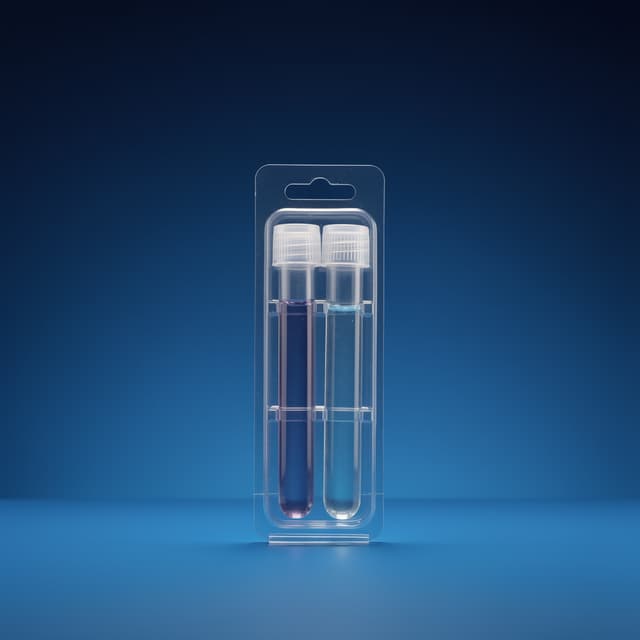
Colorimetric test kit for rapid field determination of peracetic acid concentrations in wastewater, aquaculture, and industrial applications using the DPD method.

Louise Corscadden, PhD
Director of Science · ConductScience
Ask Louise about Peracetic Acid Pack Test fit, setup, configuration, or quote prep.
Already working with us? Sign in to connect this with My Scientist.
Key Specifications
Full details →- Model fit
- 2 selectable configurations
- SKU family
- CS-LH-LAB010
- Shipping box
- 8.8 x 7.3 x 5.9 cm
- Ordering
- Online checkout and quote request available
- Category
- Water Test Kits
- Build notes
- Confirm accessories, station layout, and support needs before purchase
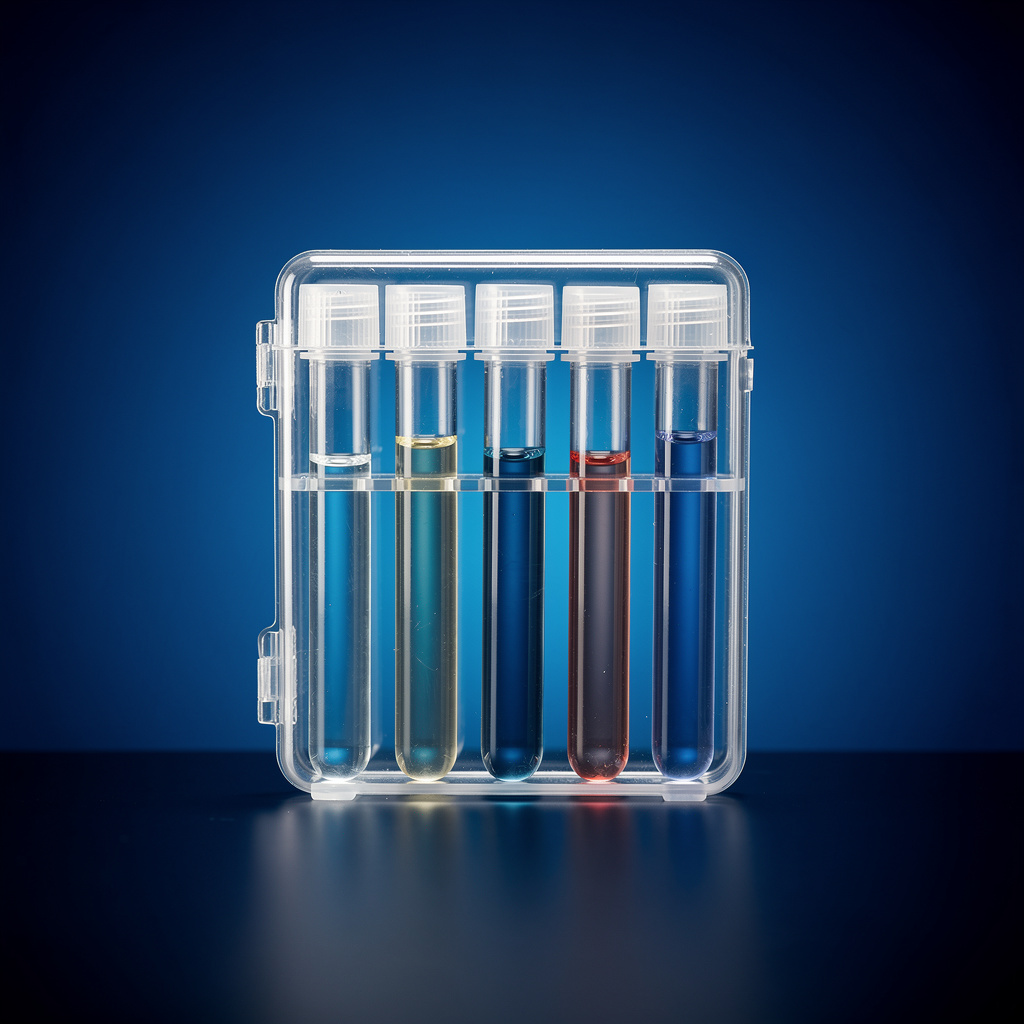
The Peracetic Acid Pack Test provides rapid colorimetric quantification of peracetic acid (PAA) concentrations in aqueous solutions using the established DPD (N,N-diethyl-p-phenylenediamine) method. This field-portable test kit employs a standardized iodometric reaction where PAA oxidizes excess iodide to produce iodine, which subsequently reacts with DPD to generate a magenta-colored complex proportional to PAA concentration.
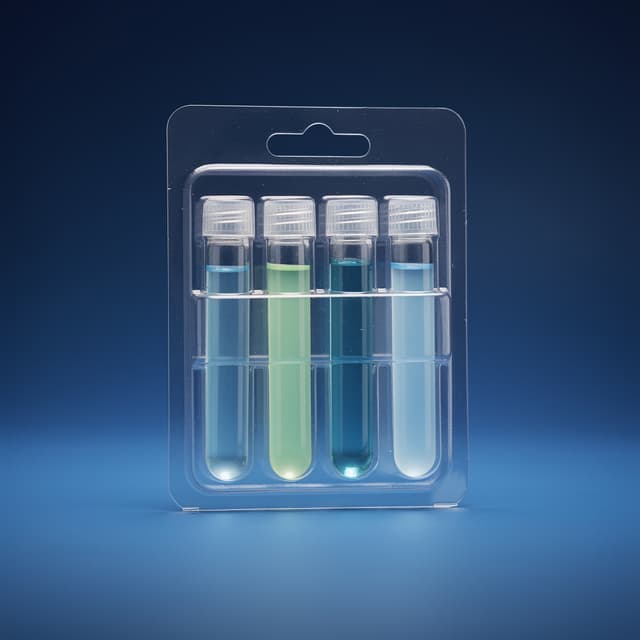
The test utilizes pre-filled glass ampoules containing buffered reagents, eliminating the need for separate reagent preparation and reducing contamination risk. Following sample introduction and gentle agitation, color development occurs within minutes and is compared against a calibrated colorimetric reference card for semi-quantitative analysis. This approach aligns with established analytical protocols for PAA determination in wastewater treatment, aquaculture systems, and industrial process monitoring.
How It Works
The test operates on the iodometric principle where peracetic acid acts as a selective oxidizing agent. When the sample is introduced to the reagent ampoule, PAA oxidizes potassium iodide (KI) to molecular iodine (I₂) in a phosphate-buffered system. The liberated iodine immediately reacts with N,N-diethyl-p-phenylenediamine (DPD) to form a stable magenta-colored radical cation (DPD⁺•) through electron transfer.
The reaction stoichiometry ensures that one mole of peracetic acid produces one mole of the colored product, providing linear response characteristics. The intensity of the magenta coloration is directly proportional to the PAA concentration in the sample, following Beer's law within the test range. Color development is complete within 2-3 minutes at ambient temperature, and the stable complex allows visual comparison against standardized color references for 15-20 minutes before degradation occurs.
This methodology minimizes interference from hydrogen peroxide at typical co-occurrence ratios, while other oxidizing species such as free chlorine may contribute to positive interference. The buffered system maintains optimal pH conditions for DPD reactivity while preventing premature reagent degradation during storage.
Features & Benefits
Shipping weight
- 0.26 lb
Shipping box
- L: 8.8 cm
- W: 7.3 cm
- H: 5.9 cm
| Feature | This Product | Typical Alternative | Advantage |
|---|---|---|---|
| Detection Method | Visual colorimetric comparison using DPD chemistry | Electronic meters often use electrochemical sensors or digital photometry | Eliminates instrument maintenance and calibration requirements while providing immediate visual feedback |
| Reagent Format | Pre-filled sealed glass ampoules | Separate reagent bottles require manual preparation and measurement | Reduces preparation time and minimizes reagent handling errors in field conditions |
| Power Requirements | No electrical power needed | Digital instruments require battery or mains power | Enables testing in remote locations without infrastructure limitations |
| Sampling Method | Direct sample aspiration into reagent ampoule | Separate sample containers and reagent mixing steps | Minimizes sample handling and cross-contamination potential |
| Result Format | Semi-quantitative colorimetric scale | Quantitative digital readouts with higher precision | Provides adequate accuracy for process control decisions without instrument complexity |
This test kit offers practical field analysis capabilities through pre-packaged reagents and visual detection, trading some analytical precision for operational simplicity and field portability. The colorimetric approach provides sufficient accuracy for most process monitoring applications while eliminating electronic instrument dependencies.
| Model | SKU | Listed price | Status | Shipping box |
|---|---|---|---|---|
| 50-Pack | CS-LH-LAB010-BULK50 | $999.99 | Available | 8.8 x 7.3 x 5.9 cm |
| 25-Pack | CS-LH-LAB010-BULK25 | $549.99 | Available | 8.8 x 7.3 x 5.9 cm |
Practical Tips
Verify color reference card accuracy periodically using freshly prepared PAA standards of known concentration.
Why: Color cards can fade over time with light exposure, leading to systematic errors in result interpretation.
Store ampoules in original packaging with desiccant packets to prevent moisture uptake that can affect reagent performance.
Why: Hygroscopic reagents may degrade or change concentration when exposed to ambient humidity.
Collect samples from turbulent zones or after mixing to ensure representative PAA concentrations in the system.
Why: PAA concentrations can vary significantly in poorly mixed systems due to rapid chemical decomposition.
If colors appear unusually intense, dilute sample 1:10 with PAA-free water and multiply result by dilution factor.
Why: High PAA concentrations may exceed the linear response range and require dilution for accurate determination.
Record ambient temperature and lighting conditions with each test to maintain consistent analytical conditions.
Why: Both temperature and lighting affect color development and visual interpretation accuracy.
Handle broken ampoules carefully and dispose of reagent waste according to local chemical disposal regulations.
Why: Glass reagent ampoules contain chemical reagents that require proper handling and disposal procedures.
Run duplicate tests on critical samples to verify result consistency, especially when results will guide operational decisions.
Why: Visual color comparison introduces operator variability that can be reduced through replicate analysis.
If no color development occurs, verify sample contains oxidizing species and check ampoule integrity before use.
Why: Damaged ampoules or samples with no oxidizing capacity will not produce the expected colorimetric response.
Setup Guide
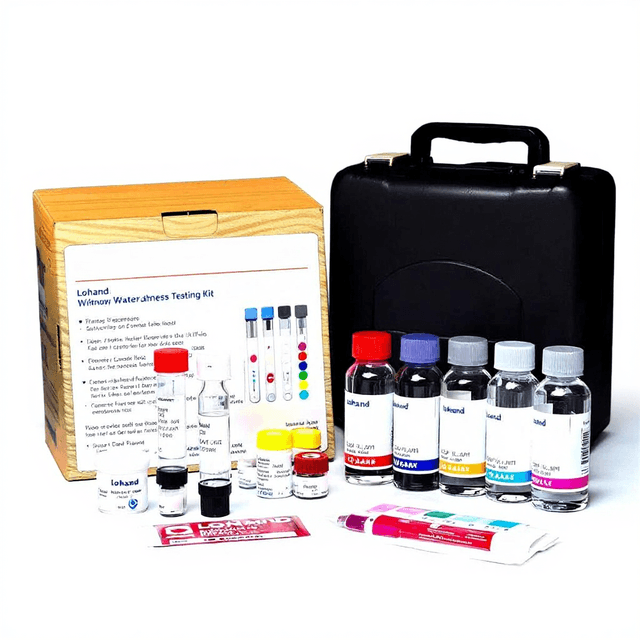
What’s in the Box
- Glass reagent ampoules with DPD/iodide chemistry (quantity as specified)
- Colorimetric reference card with concentration standards
- Tip-breaking tool for ampoule opening
- Instruction manual with analytical procedures
- Sample collection guidelines (typical)
- Quality control reference materials (typical)
Warranty
ConductScience provides standard 1-year warranty coverage for manufacturing defects, with technical support available for analytical method questions and troubleshooting.
Compliance
References
Background reading relevant to this product:
What is the detection range and precision of this colorimetric method?
Consult the product datasheet for specific concentration range and precision specifications. The DPD method typically provides semi-quantitative results suitable for process control applications with detection limits in the mg/L range.
How does hydrogen peroxide interference affect PAA measurements?
The DPD method shows minimal interference from hydrogen peroxide at typical co-occurrence ratios found in PAA solutions. However, very high H2O2 concentrations may contribute to positive bias in results.
What is the stability of collected samples before analysis?
PAA degrades rapidly in aqueous solution, especially when exposed to light and agitation. Samples should be analyzed within 15 minutes of collection and kept in dark containers to minimize decomposition.
Can this method differentiate between PAA and other oxidizing agents?
The test responds to total oxidizing capacity and cannot specifically differentiate PAA from other oxidants like free chlorine or ozone. Sample pretreatment or alternative methods may be needed for selective PAA determination in complex matrices.
What environmental conditions affect color development and reading accuracy?
Temperature affects reaction kinetics, with optimal performance at 15-25°C. Lighting conditions are critical for accurate color comparison - natural daylight or equivalent illumination provides best results for visual interpretation.
How should unused ampoules be stored to maintain reagent stability?
Store ampoules in original packaging away from direct light and heat sources. Refrigeration may extend shelf life but allow equilibration to room temperature before use to prevent condensation issues.
What quality control procedures are recommended for routine testing?
Run blank tests with deionized water and positive controls with known PAA standards regularly. Document any color variations in reference cards over time and replace when fading is observed.
Have a question about this product?
Have a question? Just ask.
Send it over and we'll email you a personalized answer — no call, no scheduling.
Prefer to talk it through?
Accessories
Enhance your setup with compatible accessories