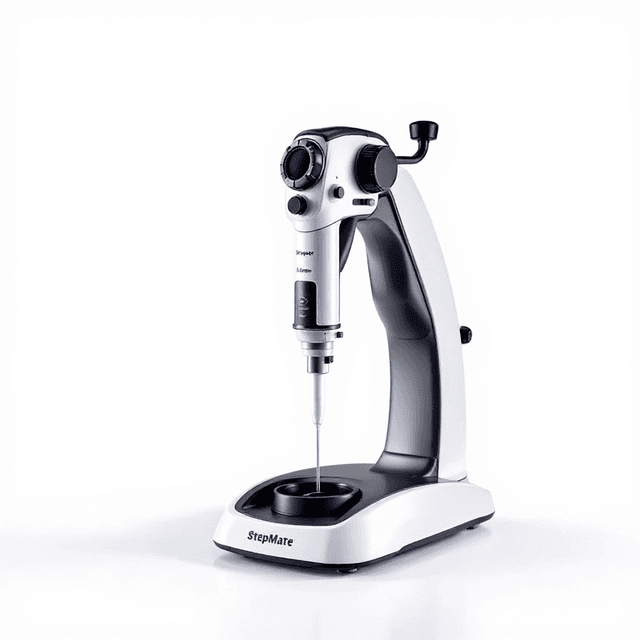
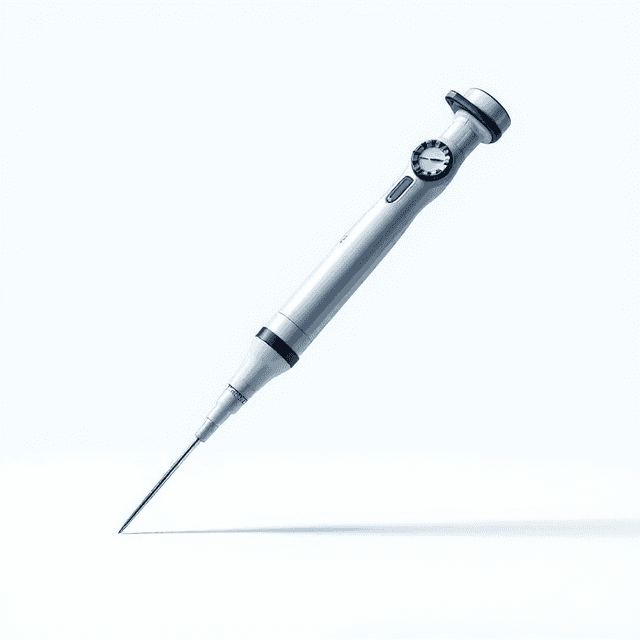
Pipette Filler
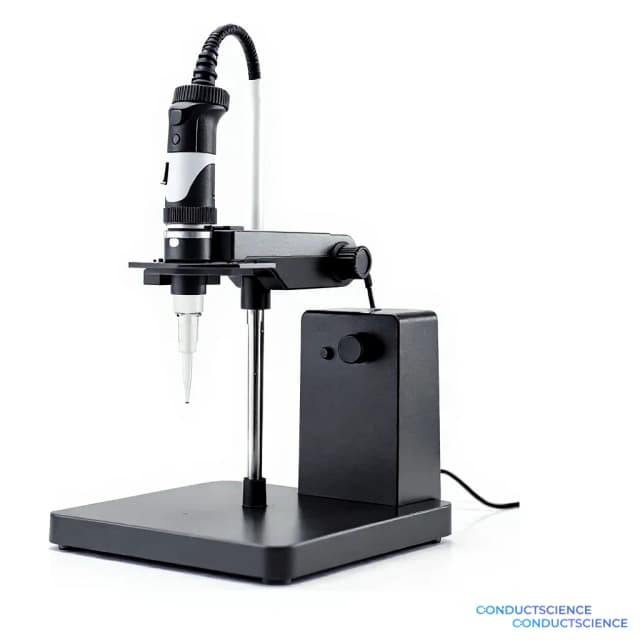
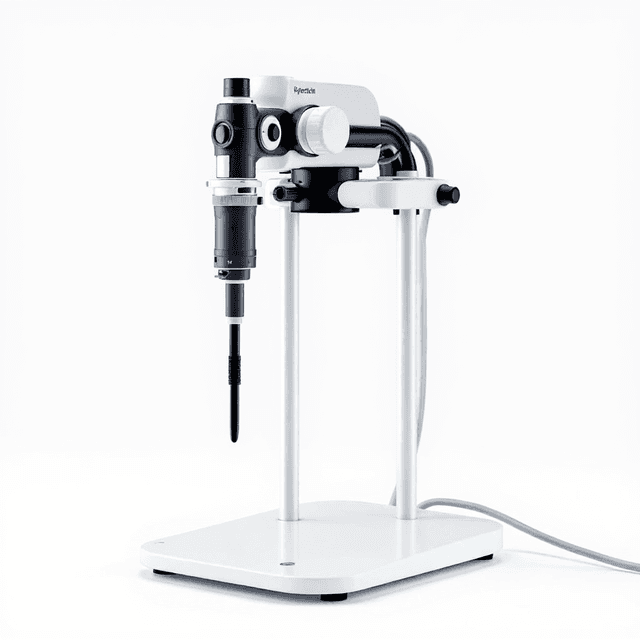
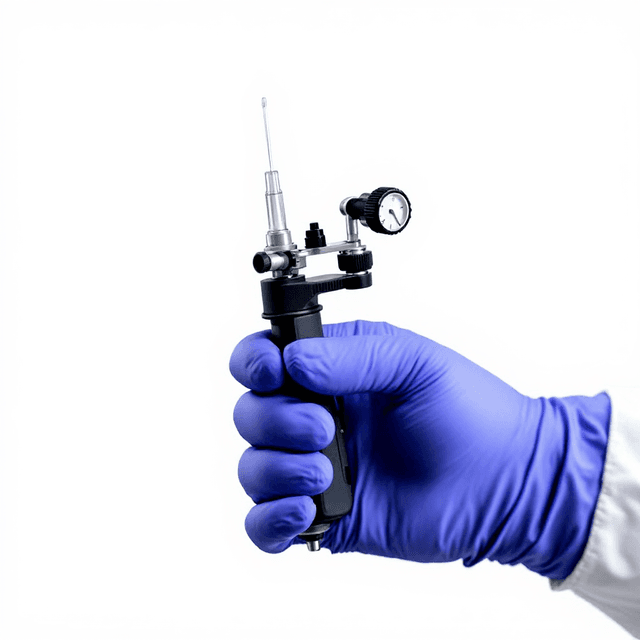
Manual liquid handling device featuring rubber bulb mechanism for controlled aspiration and dispensing through standard laboratory pipettes.

Louise Corscadden, PhD
Director of Science · ConductScience
Ask Louise about Pipette Filler fit, setup, configuration, or quote prep.
Already working with us? Sign in to connect this with My Scientist.
Key Specifications
Full details →- Model fit
- Configured during quote
- SKU family
- BIO-0619
- Shipping box
- 11.0 x 19.0 x 25.0 cm
- Ordering
- Online checkout and quote request available
- Category
- Liquid Handling
- Build notes
- Confirm accessories, station layout, and support needs before purchase
The Pipette Filler is a manual liquid handling device designed for controlled aspiration and dispensing of aqueous solutions through glass or plastic pipettes. This ergonomically designed unit features a rubber bulb mechanism that provides precise control over liquid uptake and release through connected pipettes. The device enables accurate volume measurement and transfer in laboratory applications requiring manual pipetting techniques.
With compact dimensions of 11.0 x 19.0 x 25.0 cm and lightweight construction at 0.2 kg, the filler accommodates standard laboratory pipettes and provides consistent performance across multiple liquid transfer operations. The manual operation allows researchers to maintain direct control over aspiration rate and volume, making it suitable for applications where automated pipetting systems may not be appropriate or available.
How It Works
The pipette filler operates through a manual pneumatic mechanism consisting of a rubber bulb connected to a pipette holder assembly. When the bulb is compressed and released, it creates controlled suction that draws liquid up through the connected pipette. The rate of liquid uptake is controlled by the speed and force of bulb manipulation, allowing the operator to precisely control aspiration volume.
Liquid dispensing occurs through controlled compression of the bulb, which creates positive pressure that forces liquid out of the pipette tip. The manual nature of this system provides tactile feedback to the operator, enabling precise control over both aspiration and dispensing rates. This mechanism is particularly effective for viscous solutions or applications where automated pipetting systems may introduce air bubbles or fail to provide adequate control.
The device maintains liquid contact only with the pipette itself, eliminating cross-contamination between samples when pipettes are changed between uses. The rubber bulb component can be easily cleaned and sterilized between applications to maintain aseptic conditions.
Features & Benefits
Automation Level
- manual
Research Domain
- Analytical Chemistry
- Cell Biology
- Clinical Diagnostics
- Food Science
- Microbiology
- Pharmaceutical QC
Shipping weight
- 0.2 lb
Shipping box
- L: 11.0 cm
- W: 19.0 cm
- H: 25.0 cm
| Feature | This Product | Typical Alternative | Advantage |
|---|---|---|---|
| Operation Method | Manual pneumatic bulb control | Electronic or spring-loaded mechanisms in higher-end models | Provides direct tactile feedback and requires no battery maintenance or calibration. |
| Power Requirements | No electrical power needed | Battery or AC power required for electronic models | Ensures consistent operation in any laboratory environment without power constraints. |
| Weight and Portability | 0.2 kg lightweight construction | Electronic pipette aids typically weigh more due to internal components | Reduces operator fatigue during extended use and enables easy transport between work areas. |
| Maintenance Requirements | Simple cleaning and occasional component replacement | Electronic models require calibration and more complex maintenance | Minimizes downtime and maintenance costs while ensuring reliable long-term operation. |
This manual pipette filler offers reliable liquid transfer capability through a simple pneumatic mechanism that requires no power source and minimal maintenance. The lightweight design and universal pipette compatibility make it suitable for general-purpose laboratory applications where basic liquid handling precision is adequate.
Practical Tips
Pre-wet the pipette tip with the sample liquid before taking the final measurement volume.
Why: This ensures consistent liquid film formation and improves volume accuracy by eliminating initial wetting effects.
Inspect the rubber bulb regularly for small cracks or holes that could affect suction performance.
Why: Even minor leaks can significantly reduce aspiration efficiency and compromise volume control.
Never use mouth pipetting techniques even if the filler is temporarily unavailable.
Why: Oral contact with laboratory liquids poses serious health risks from toxic or infectious materials.
Verify volume accuracy periodically using gravimetric analysis with distilled water and an analytical balance.
Why: This provides quantitative assessment of the combined pipette-filler system accuracy for critical applications.
If aspiration becomes difficult, check for proper pipette seating and clean any residue from the holder connection.
Why: Poor sealing is the most common cause of reduced suction performance and inconsistent liquid uptake.
Use the same aspiration technique and rate consistently when performing replicate measurements.
Why: Manual operation introduces technique-dependent variability that can be minimized through standardized procedures.
Hold the pipette vertically during aspiration and dispensing to ensure accurate volume measurement.
Why: Angled pipette positions can affect liquid meniscus reading and introduce systematic volume errors.
Setup Guide
What’s in the Box
- Pipette filler main unit (typical)
- User manual (typical)
- Cleaning instructions (typical)
Warranty
ConductScience provides a standard one-year manufacturer warranty covering defects in materials and workmanship, with technical support available for operational questions and troubleshooting assistance.
Compliance
References
Background reading relevant to this product:
What types of pipettes are compatible with this filler?
The device accommodates standard glass and plastic laboratory pipettes with compatible tip dimensions. Consult product datasheet for specific pipette diameter ranges and compatibility specifications.
How do I maintain sterile conditions when using this device?
Clean the rubber bulb and holder with appropriate disinfectant between uses, or autoclave components if steam sterilization is required. Change pipettes between different sample types to prevent cross-contamination.
What is the volume accuracy compared to micropipettes?
Volume accuracy depends primarily on the graduated pipette used and operator technique. This manual system provides less precision than calibrated micropipettes but offers adequate accuracy for many preparative applications.
Can this device handle viscous or volatile liquids?
The manual control allows accommodation of various liquid viscosities through adjusted aspiration rates. For volatile solvents, ensure adequate ventilation and consider compatibility of rubber components with specific chemicals.
How do I prevent air bubbles during aspiration?
Control aspiration rate by slowly releasing the compressed bulb and ensure the pipette tip remains submerged in liquid throughout the uptake process. Check for proper sealing between pipette and holder.
What maintenance is required for long-term reliability?
Clean all components after each use session, inspect rubber bulb for wear or cracking, and replace components as needed. Store in clean, dry conditions to prevent degradation of rubber materials.
How does this compare to automated pipetting systems?
This manual system provides direct operator control and requires no power source, making it suitable for field use or when automated systems are unavailable. However, it offers lower precision and throughput compared to electronic pipettes.
Have a question about this product?
Have a question? Just ask.
Send it over and we'll email you a personalized answer — no call, no scheduling.
Prefer to talk it through?
Accessories
Enhance your setup with compatible accessories