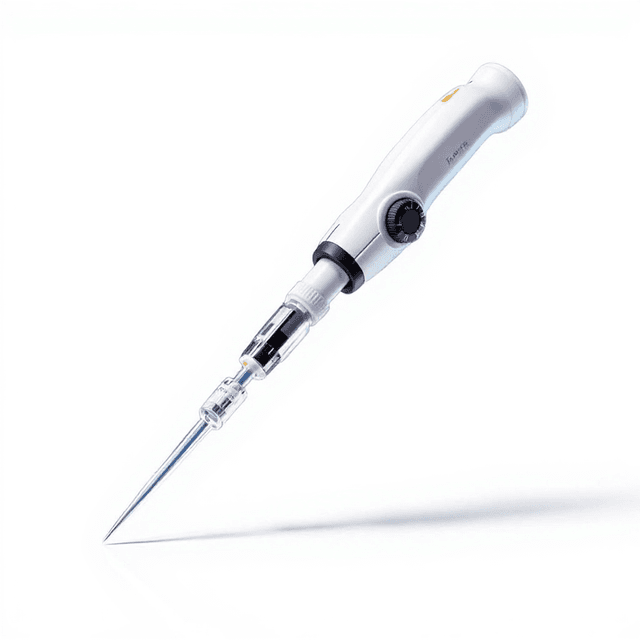
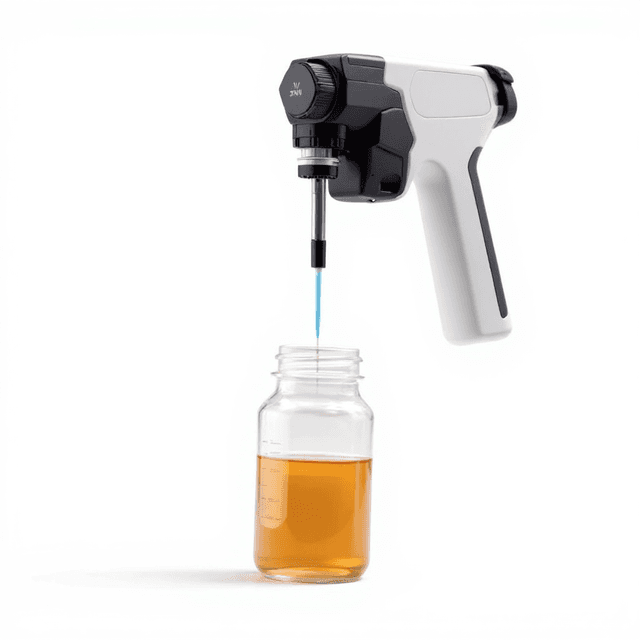
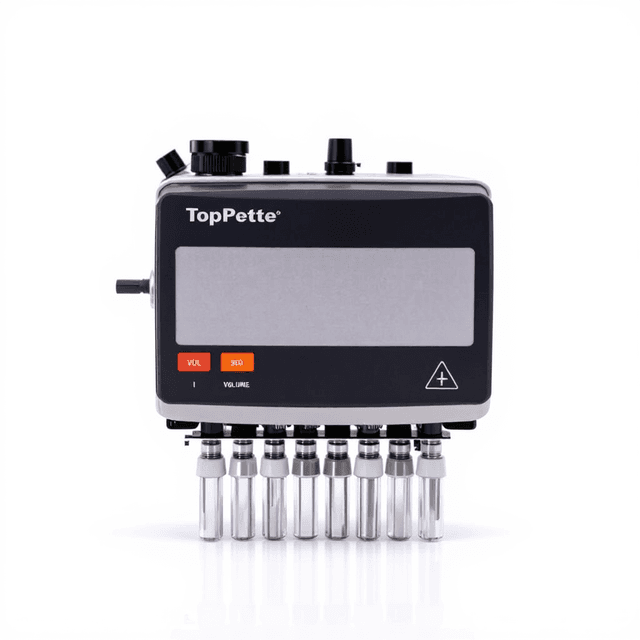
E-Pipette
Electronic pipetting system with six volume ranges from 0.1-10 μL to 500-10,000 μL, featuring digital volume control and programmable protocols for enhanced liquid handling precision.

Louise Corscadden, PhD
Director of Science · ConductScience
Ask Louise about E-Pipette fit, setup, configuration, or quote prep.
Already working with us? Sign in to connect this with My Scientist.
Key Specifications
Full details →- Model fit
- Configured during quote
- SKU family
- BIO-0616
- Shipping box
- 42.0 x 43.6 x 38.0 cm
- Ordering
- Online checkout and quote request available
- Category
- Liquid Handling
- Build notes
- Confirm accessories, station layout, and support needs before purchase
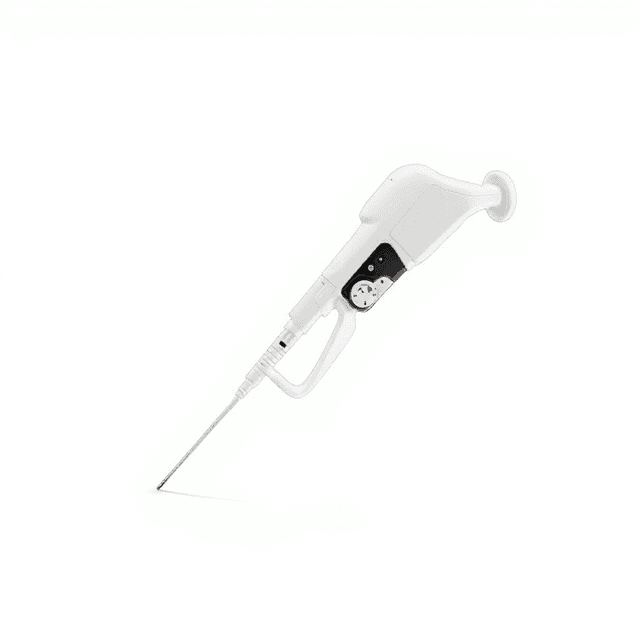
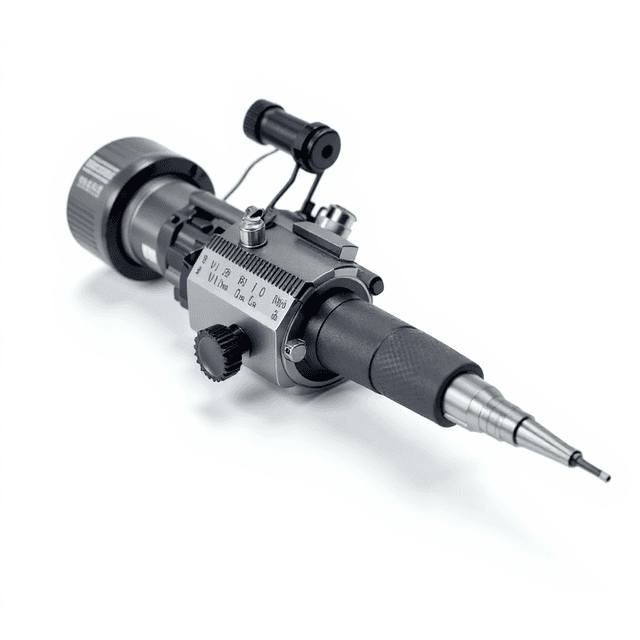
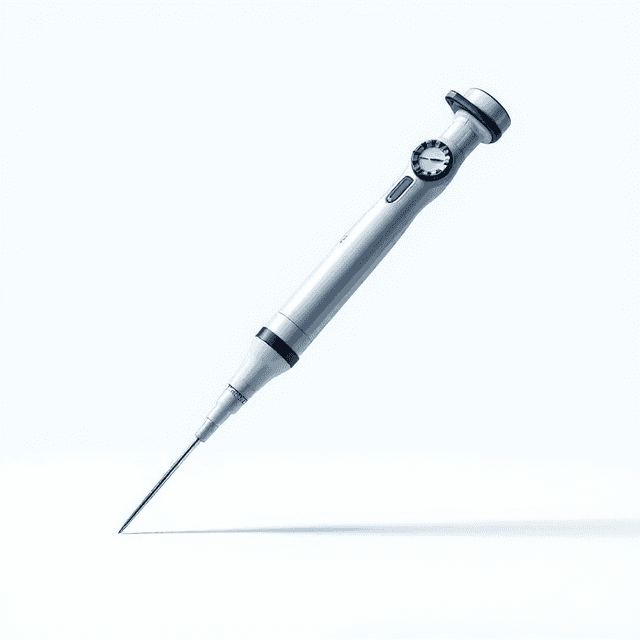
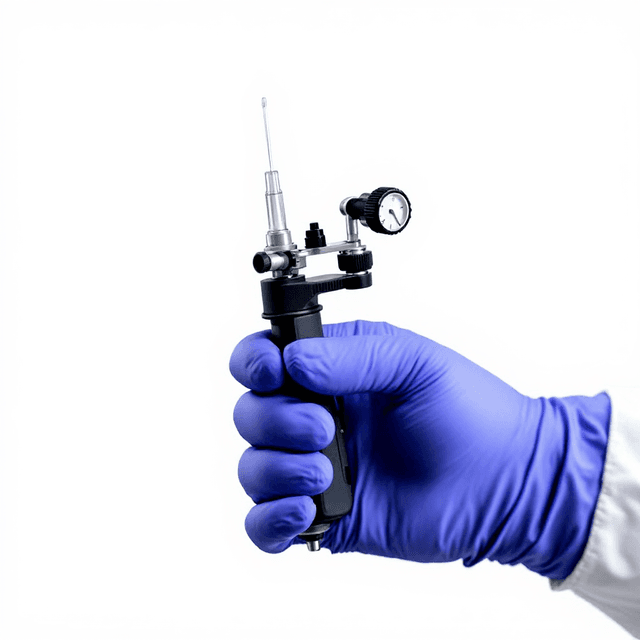
The E-Pipette series represents ConductScience's electronic pipetting solution for precise liquid handling across laboratory applications. Available in six volume configurations ranging from 0.1-10 μL to 500-10,000 μL, each model features electronic volume control with high-resolution increment adjustment for accurate dispensing. The system incorporates digital displays and programmable protocols to reduce operator variability and enhance reproducibility in liquid transfer protocols.
Electronic pipettes address the limitations of manual micropipettes by providing consistent force application and timing control during aspiration and dispensing cycles. The series supports standard pipette tips and integrates with existing laboratory workflows while offering enhanced precision through electronic servo control systems. Digital interfaces enable protocol storage and recall for repetitive procedures commonly required in analytical chemistry, molecular biology, and pharmaceutical applications.
How It Works
Electronic pipettes employ servo-controlled piston mechanisms to achieve precise liquid aspiration and dispensing. The system uses digital encoder feedback to monitor piston position with high resolution, enabling accurate volume control independent of operator hand strength or technique variation. Electronic control circuits regulate the speed and force of piston movement during both aspiration and dispensing phases, ensuring consistent liquid handling characteristics across multiple operators and extended use periods.
Volume selection occurs through digital interfaces that control stepper motor positioning of the piston assembly. Pre-programmed dispensing protocols can be stored and recalled, allowing standardization of complex liquid handling procedures including multi-step dispensing, mixing cycles, and reverse pipetting techniques. The electronic system monitors tip attachment and provides feedback on proper sealing to prevent volume inaccuracies due to poor tip fit.
Calibration systems within electronic pipettes enable periodic verification of volume accuracy using gravimetric methods. Digital displays show real-time volume settings and operational status, while programmable features support advanced pipetting modes including sequential dispensing, dilution protocols, and automated mixing cycles that enhance reproducibility in analytical procedures.
Features & Benefits
Automation Level
- semi-automated
Increment
- Test Volume
90201010
- BK-EP10
0.1-10μl
- 0.01μl
90201020
- BK-EP120
5-120μl
- 0.10μl
90201030
- BK-EP300
10-300μl
- 0.20μl
90201040
- BK-EP1K
50-1000μl
- 1.00μl
90201050
- BK-EP5K
100-5000μl
- 5.00μl
90201060
- BK-EP10K
500-10000μl
- 10.00μl
Brand
- ConductScience
Research Domain
- Analytical Chemistry
- Cell Biology
- Clinical Diagnostics
- Environmental Monitoring
- Food Science
- Microbiology
- Pharmaceutical QC
Accuracy
- Precision
Shipping weight
- 4.41 lb
Shipping box
- L: 42.0 cm
- W: 43.6 cm
- H: 38.0 cm
| Feature | This Product | Typical Alternative | Advantage |
|---|---|---|---|
| Volume Range Coverage | Six models spanning 0.1 μL to 10,000 μL with optimized increment resolution | Entry-level electronic pipettes often cover fewer volume ranges requiring multiple units | Comprehensive range coverage reduces equipment inventory needs while maintaining precision across all common laboratory volumes. |
| Increment Resolution | Fine increments from 0.01 μL to 10 μL depending on model | Manual pipettes typically offer coarser volume adjustment resolution | Enhanced precision in volume setting enables more accurate experimental protocols requiring specific volume ratios. |
| Electronic Control System | Digital servo control with programmable protocols | Basic electronic models may lack protocol programming capabilities | Protocol standardization reduces operator training time and improves experimental reproducibility across research teams. |
| Tip Compatibility | Standard pipette tip compatibility across all models | Some electronic pipettes require proprietary tip designs | Maintains existing laboratory supply chains and reduces consumable costs for routine operations. |
| Calibration Features | Electronic calibration verification and adjustment capabilities | Manual calibration procedures without electronic feedback | Simplified quality assurance compliance and reduced calibration time requirements for regulated environments. |
The E-Pipette series provides comprehensive volume coverage with enhanced precision through electronic servo control and programmable protocols. Standard tip compatibility and digital calibration features support seamless integration into existing laboratory workflows while improving reproducibility and reducing operator-dependent variations.
Practical Tips
Perform gravimetric calibration verification monthly using analytical balance and distilled water at room temperature.
Why: Regular calibration monitoring ensures volume accuracy compliance and identifies potential drift before affecting experimental results.
Clean tip cones daily with distilled water and inspect sealing surfaces for residue buildup.
Why: Contamination on sealing surfaces affects volume accuracy and can cause tip attachment problems during pipetting operations.
Pre-wet tips with sample liquid before critical volume measurements to minimize surface tension effects.
Why: Pre-wetting eliminates volume errors caused by liquid retention on dry tip surfaces, particularly important for small volumes.
Program standardized protocols for repetitive procedures and train all operators on stored protocol access.
Why: Consistent protocol execution reduces inter-operator variability and ensures reproducible results across different research sessions.
Check tip attachment security if experiencing volume inconsistencies or air bubbles during aspiration.
Why: Poor tip sealing creates air leaks that compromise volume accuracy and can introduce sample contamination.
Document electronic pipette serial numbers and calibration dates in experimental records for traceability.
Why: Equipment traceability supports quality assurance requirements and enables investigation of systematic errors if detected.
Use appropriate tip types rated for chemical compatibility with samples and reagents being handled.
Why: Chemical incompatibility can cause tip degradation leading to volume errors and potential sample contamination.
Store pipettes in upright position when not in use to prevent contamination of internal components.
Why: Proper storage orientation prevents liquid intrusion into electronic components and maintains calibration stability.
Setup Guide
What’s in the Box
- E-Pipette main unit (specific model)
- Power adapter and cable
- User manual and quick start guide
- Calibration certificate
- Tip ejector tool (typical)
- Protective storage stand (typical)
Warranty
ConductScience provides a one-year manufacturer warranty covering electronic components and mechanical assemblies, with technical support for calibration procedures and operational guidance.
Compliance
References
Background reading relevant to this product:
How does volume accuracy compare between electronic and manual pipettes?
Electronic pipettes eliminate operator-dependent force variations that affect manual pipette accuracy, providing more consistent volume delivery across different users and reducing systematic errors in liquid handling protocols.
Can the pipettes be calibrated using standard gravimetric methods?
Yes, electronic pipettes support standard gravimetric calibration procedures using analytical balances and distilled water, with digital systems enabling calibration verification and adjustment as needed.
What tip types are compatible with the E-Pipette series?
The pipettes accept standard laboratory pipette tips matching the volume ranges, eliminating the need for specialized consumables and maintaining compatibility with existing laboratory inventory.
How are dispensing protocols programmed and stored?
Digital interfaces enable programming of volume settings, dispensing speed, and multi-step protocols, with storage capacity for commonly used procedures that can be recalled for consistent repetition.
What maintenance procedures are required for electronic pipettes?
Routine maintenance includes tip cone cleaning, periodic calibration verification, and electronic system diagnostics, with electronic components requiring minimal maintenance beyond standard liquid handling equipment care.
Can the pipettes handle viscous or volatile liquids?
Electronic control systems can be adjusted for different liquid properties including viscosity and volatility, with programmable aspiration and dispensing speeds to accommodate various sample types.
How does battery life affect operational availability?
Consult product datasheet for specific battery specifications and charging requirements, as operational time depends on usage patterns and electronic system power consumption.
Are dispensing protocols transferable between different E-Pipette units?
Protocol transferability depends on the electronic interface design and data storage capabilities - consult product documentation for specific protocol sharing and backup procedures.
Have a question about this product?
Have a question? Just ask.
Send it over and we'll email you a personalized answer — no call, no scheduling.
Prefer to talk it through?
Accessories
Enhance your setup with compatible accessories
Replacement Parts & Consumables
Upgrade Options