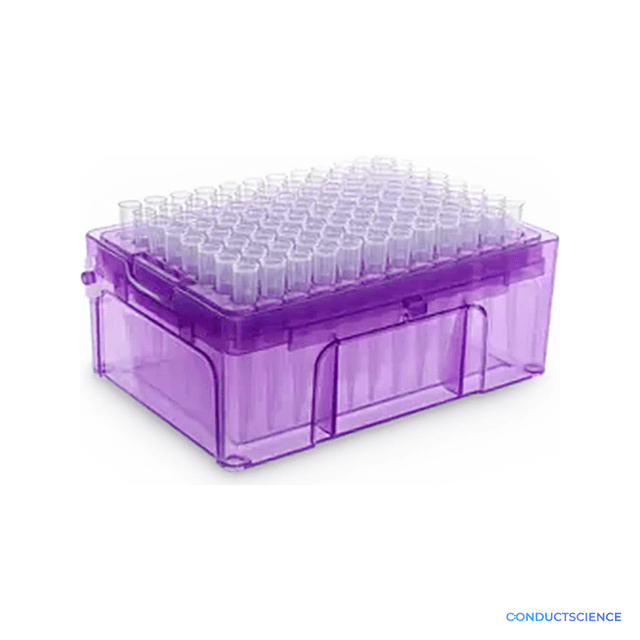
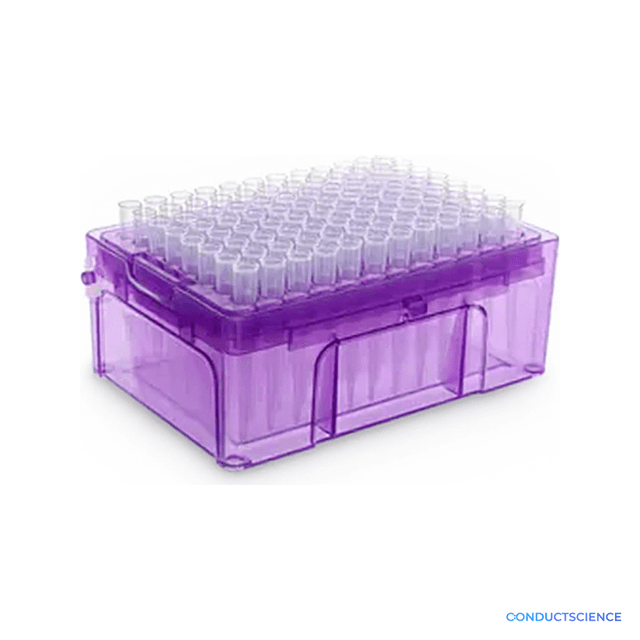
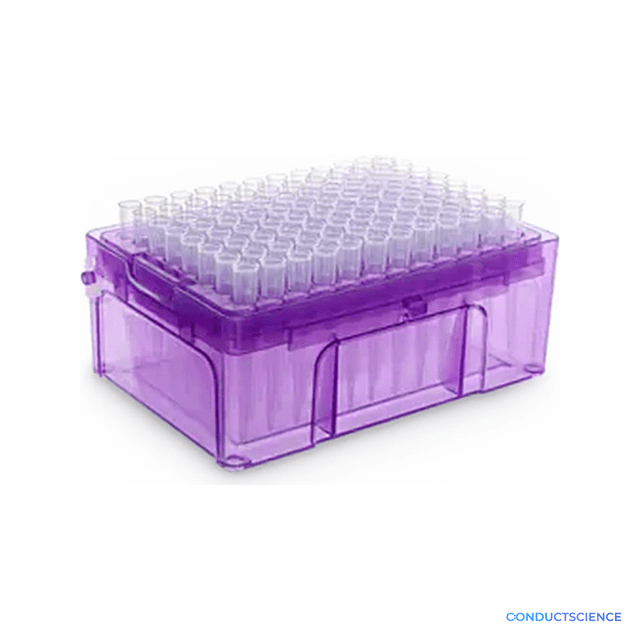
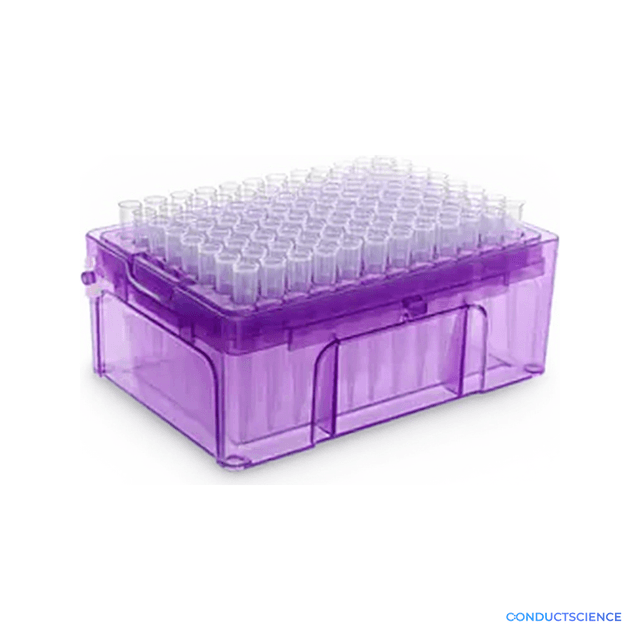
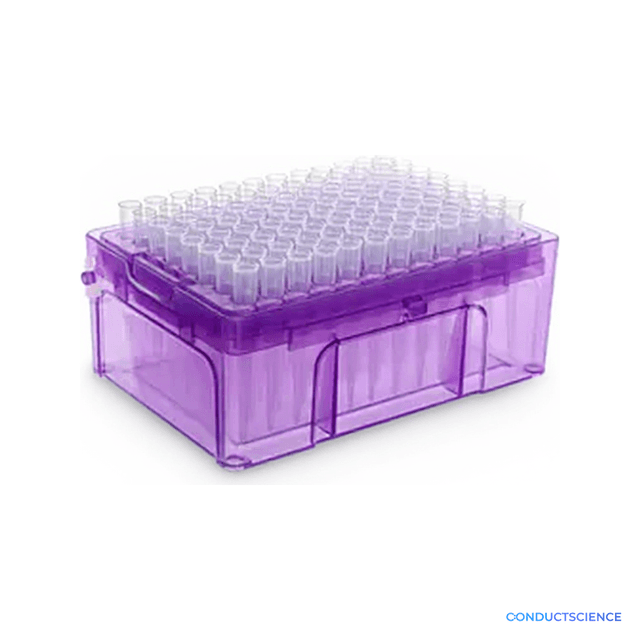
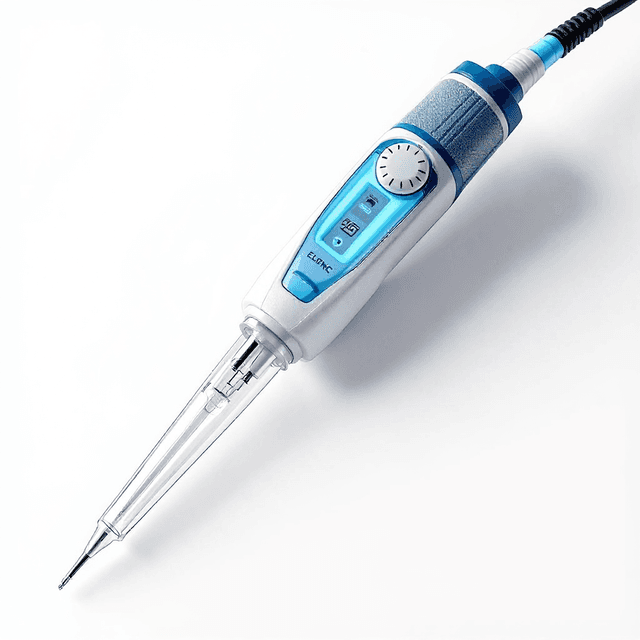
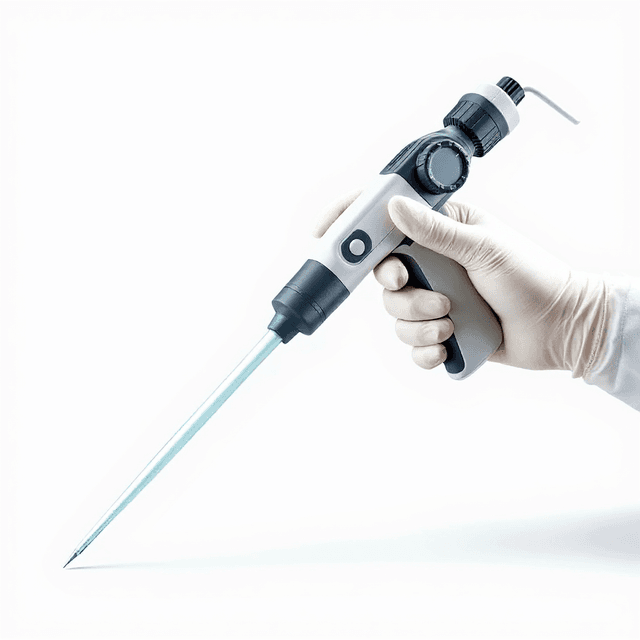
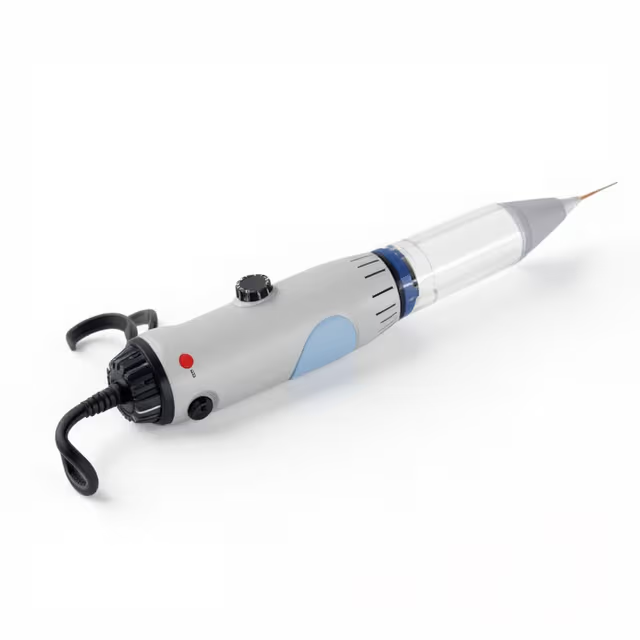
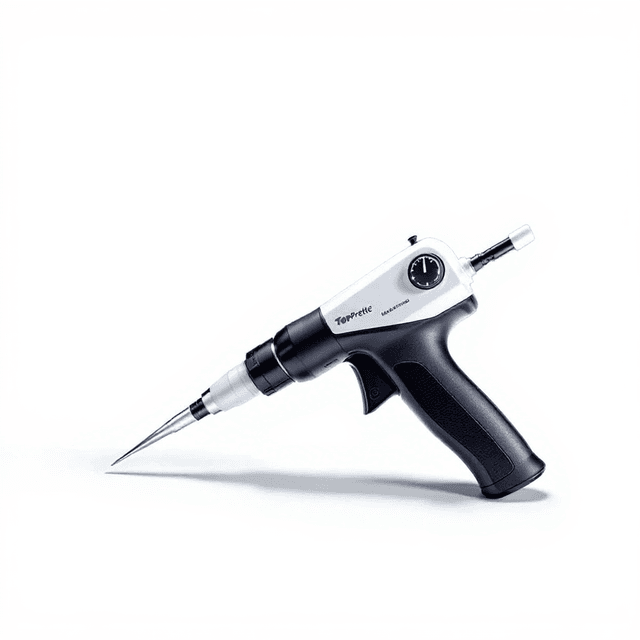
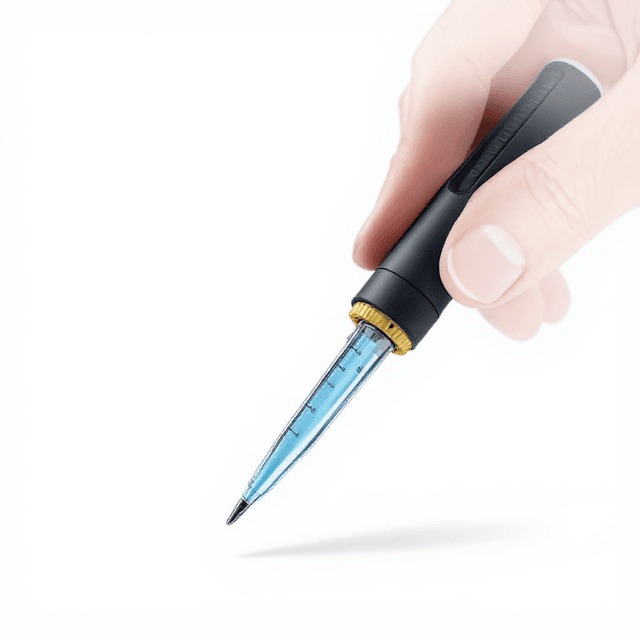
TopPette-Mechanical Pipettes/MicroPette Plus Autoclavable Pipette
Autoclavable mechanical pipettes with volume ranges 5-20μl, featuring systematic error control 0.6-3.0% and random error ±0.05-0.12μl for sterile liquid handling applications.

Louise Corscadden, PhD
Director of Science · ConductScience
Ask Louise about TopPette-Mechanical Pipettes/MicroPette Plus Autoclavable Pipette fit, setup, configuration, or quote prep.
Already working with us? Sign in to connect this with My Scientist.
Key Specifications
Full details →- Model fit
- Configured during quote
- SKU family
- BIO-0620
- Shipping box
- 42.0 x 43.6 x 38.0 cm
- Ordering
- Online checkout and quote request available
- Category
- Liquid Handling
- Build notes
- Confirm accessories, station layout, and support needs before purchase
The TopPette-Mechanical Pipettes/MicroPette Plus Autoclavable Pipette series delivers precise liquid handling for laboratory applications requiring accuracy and sterility. These mechanical pipettes feature volume ranges from 5μl to 20μl with systematic error specifications of 0.6-3.0% and random error control from 0.05μl to 0.12μl, providing reliable micropipetting performance for analytical and research protocols.
The autoclavable design supports sterile technique requirements in microbiology, cell culture, and analytical chemistry applications. Multiple volume configurations accommodate diverse liquid handling workflows, from precise analytical measurements to sample preparation protocols requiring sterile conditions.
How It Works
Mechanical pipettes operate through positive displacement piston mechanisms that draw and dispense precise volumes of liquid. The user-operated plunger creates controlled pressure differentials within the pipette body, enabling accurate liquid aspiration and dispensing through disposable tips. Volume selection is achieved through mechanical adjustment systems that modify the piston stroke length.
The MicroPette Plus series incorporates precision-machined components to maintain volumetric accuracy within specified tolerances. Systematic error control ensures reproducible volume delivery, while random error minimization provides consistent precision across repeated measurements. The autoclavable construction allows complete sterilization at standard autoclave conditions without compromising mechanical precision.
Features & Benefits
Automation Level
- manual
TopPette/Qpette Series Cat.No.
- MicroPette Plus Series Cat.No.
Volume Range
- Increment
Maximume Permissible Systematic error(Inaccuracy)
- Maximume Permissible Random error(Inaccuracy)
7010102018/7060102018
- 7030302018
5μl
- 2.00%
1.3%
- 0.065μl
1.2%
- 0.06μl
7010102019/7060102019
- 7030302019
10μl
- 3.00%
0.8%
- 0.08μl
7010102020/7060102020
- 7030302020
20μl
- 3.00%
0.6%
- 0.12μl
0.5%
- 0.5μl
Brand
- ConductScience
Research Domain
- Analytical Chemistry
- Cell Biology
- Clinical Diagnostics
- Environmental Monitoring
- Microbiology
- Pharmaceutical QC
Shipping weight
- 4.41 lb
Shipping box
- L: 42.0 cm
- W: 43.6 cm
- H: 38.0 cm
| Feature | This Product | Typical Alternative | Advantage |
|---|---|---|---|
| Volume Range Options | Three configurations: 5μl, 10μl, and 20μl | Entry-level models often provide single volume ranges | Allows researchers to select optimal volume range for specific protocols without over-ranging accuracy limitations. |
| Systematic Error Control | 2.0-3.0% maximum systematic error across volume ranges | Basic pipettes may have higher error tolerances | Provides documented accuracy for analytical protocols requiring traceable volumetric measurements. |
| Sterilization Capability | Autoclavable construction for complete sterilization | Many pipettes require chemical disinfection only | Enables sterile technique applications in microbiology and cell culture without cross-contamination risk. |
| Random Error Specification | ±0.05μl to ±0.12μl precision control | Standard models may have less stringent precision specifications | Supports replicate measurements and statistical analysis requiring consistent precision. |
The MicroPette Plus series provides documented volumetric accuracy with autoclavable construction for sterile applications. Multiple volume configurations and precision specifications support analytical chemistry and microbiology workflows requiring reliable liquid handling performance.
Practical Tips
Perform gravimetric calibration verification using distilled water at room temperature before critical analytical work.
Why: Temperature and liquid properties affect volumetric accuracy and should be controlled for precise measurements.
Disassemble autoclavable components according to manufacturer procedures before steam sterilization to prevent damage.
Why: Improper autoclaving can compromise seals and mechanical precision of the pipette mechanism.
Pre-wet pipette tips before aspirating samples to improve volumetric accuracy and reduce systematic errors.
Why: Dry tips can retain sample volume due to surface tension effects, particularly with aqueous solutions.
Check tip seating and plunger movement if volumetric accuracy appears compromised during use.
Why: Loose tips or mechanical binding can introduce systematic errors that exceed specified tolerances.
Use consistent aspiration and dispensing techniques to minimize operator-induced variability in measurements.
Why: Human technique variation can exceed instrument precision limits if not standardized across operators.
Allow adequate cooling time after autoclaving before handling pipette components to prevent thermal injury.
Why: Metal and plastic components retain heat after sterilization cycles and require cooling for safe handling.
Setup Guide
What’s in the Box
- MicroPette Plus pipette (typical)
- User manual with calibration procedures (typical)
- Calibration certificate (typical)
- Tool kit for maintenance (typical)
Warranty
ConductScience provides standard one-year manufacturer warranty covering mechanical defects and volumetric accuracy specifications, with technical support for calibration and maintenance procedures.
Compliance
References
Background reading relevant to this product:
What is the volumetric accuracy specification for each volume range?
The 5μl model has 2.0% maximum systematic error, while both 10μl and 20μl models have 3.0% maximum systematic error, with random error ranging from ±0.06μl to ±0.12μl depending on volume.
Can these pipettes withstand standard autoclave sterilization cycles?
Yes, the MicroPette Plus series is designed for autoclave sterilization, though specific temperature and pressure limits should be confirmed from the product datasheet.
What tip compatibility should I consider for these pipettes?
Consult product specifications for recommended tip types and ensure proper tip seating for maintaining volumetric accuracy within specified tolerances.
How frequently should calibration verification be performed?
Calibration frequency depends on usage intensity and accuracy requirements; perform gravimetric verification using distilled water when accuracy is critical for analytical protocols.
Are these pipettes suitable for organic solvents and aggressive chemicals?
Chemical compatibility depends on internal component materials; consult chemical resistance charts in the product documentation before use with solvents.
What maintenance procedures are required for optimal performance?
Regular cleaning, proper storage, and periodic calibration verification maintain accuracy; autoclavable components should be properly disassembled before sterilization cycles.
Have a question about this product?
Have a question? Just ask.
Send it over and we'll email you a personalized answer — no call, no scheduling.
Prefer to talk it through?
Accessories
Enhance your setup with compatible accessories
Replacement Parts & Consumables