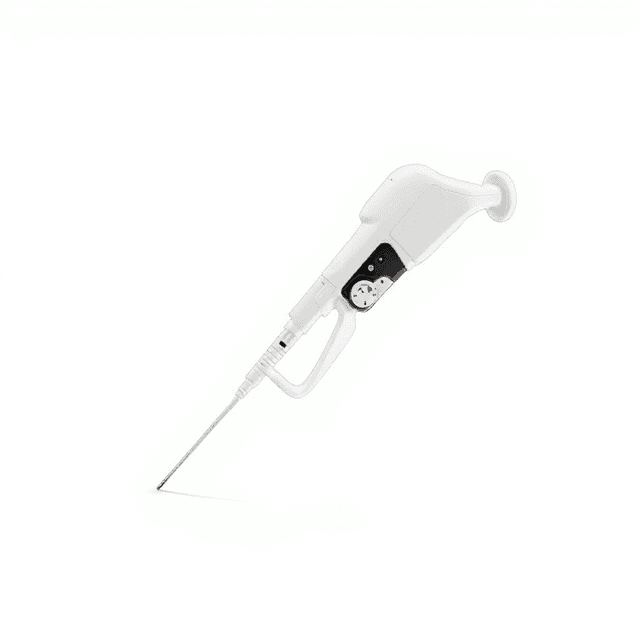
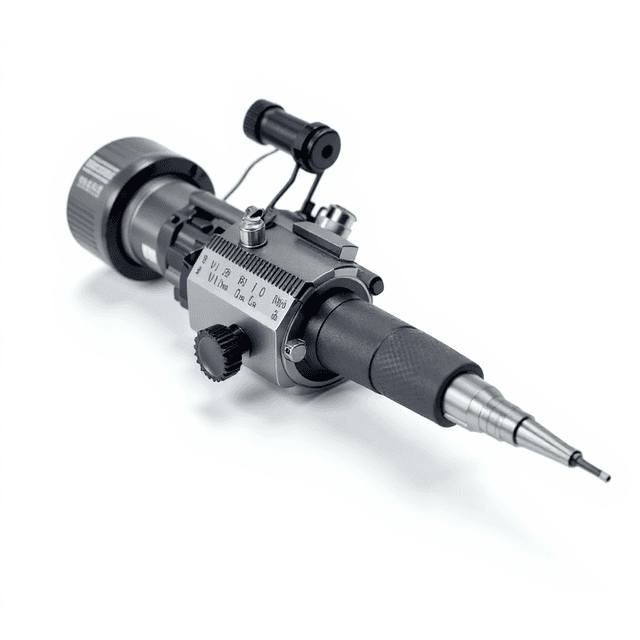
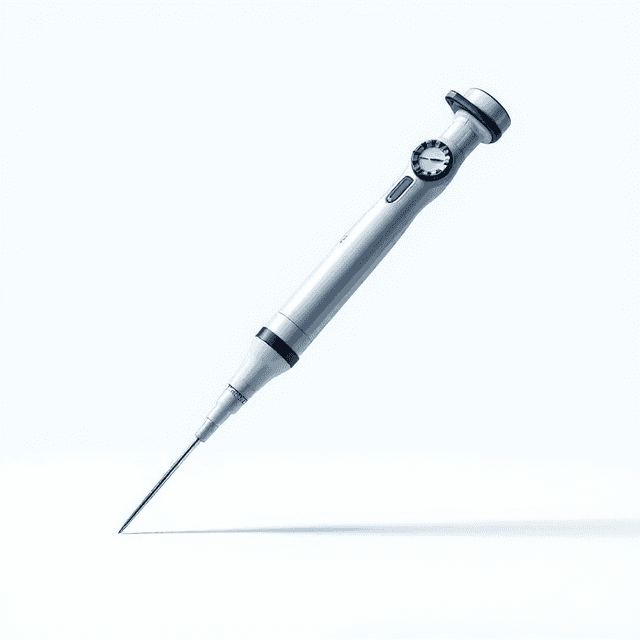
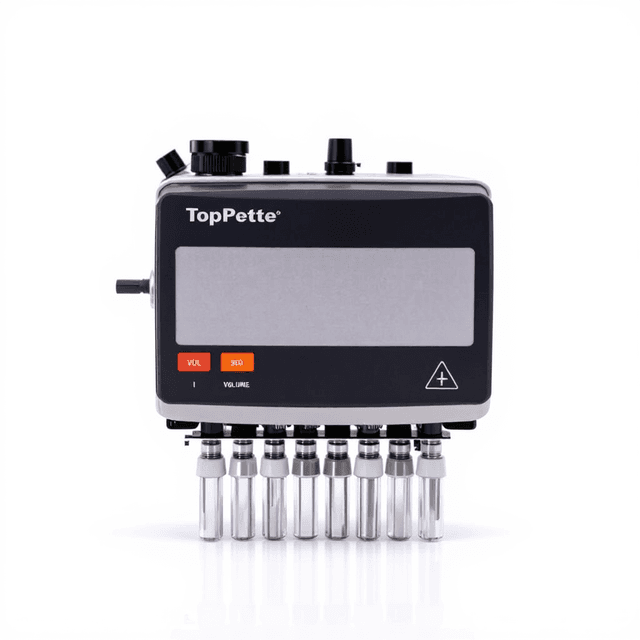
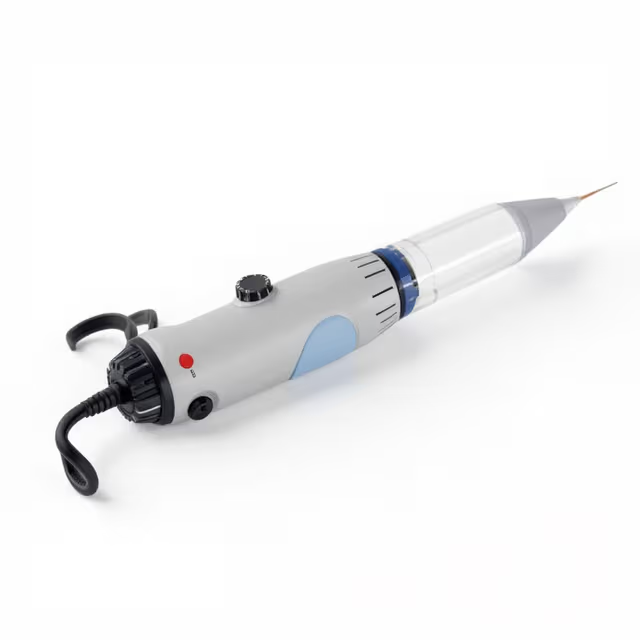
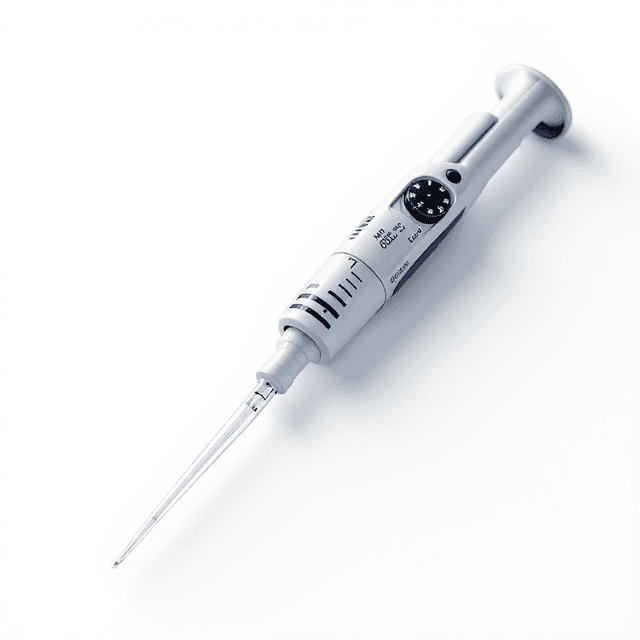
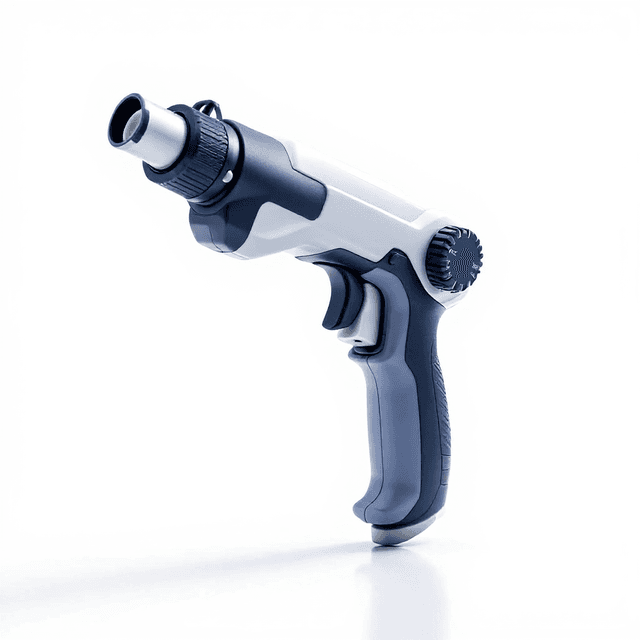
Electonic Pipette
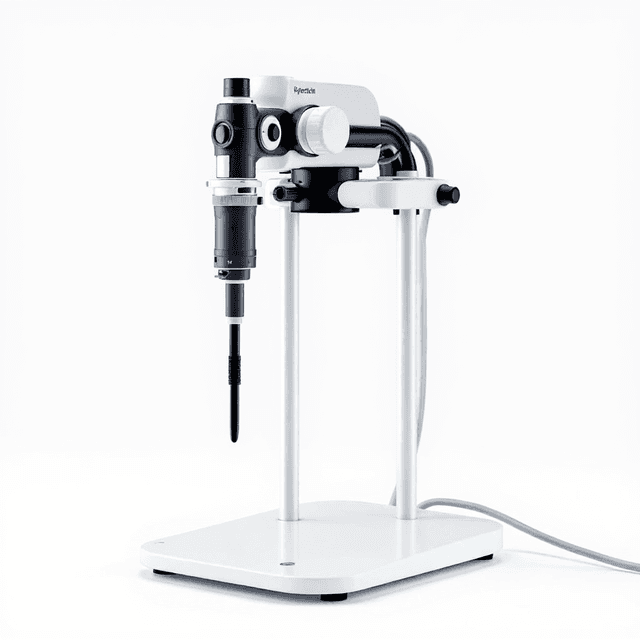
Electronic pipette system with two volume ranges (0.5-10 μL and 5-50 μL) providing precise liquid handling with defined inaccuracy and imprecision specifications for analytical laboratory applications.

Louise Corscadden, PhD
Director of Science · ConductScience
Ask Louise about Electonic Pipette fit, setup, configuration, or quote prep.
Already working with us? Sign in to connect this with My Scientist.
Key Specifications
Full details →- Model fit
- Configured during quote
- SKU family
- BIO-0626
- Shipping box
- 42.0 x 43.6 x 38.0 cm
- Ordering
- Online checkout and quote request available
- Category
- Liquid Handling
- Build notes
- Confirm accessories, station layout, and support needs before purchase
The Electronic Pipette BIO-0626 is a precision liquid handling instrument designed for accurate and reproducible dispensing of small volumes in laboratory applications. This electronic pipette system offers two volume configurations: a 0.5-10 μL model (Cat. No. 7016201001) with 0.01 μL increments, and a 5-50 μL model (Cat. No. 7016201002) with 0.1 μL increments. Each configuration provides defined inaccuracy and imprecision specifications to support quantitative analytical workflows.
The instrument incorporates electronic volume control and dispensing mechanisms that eliminate the manual variability associated with traditional mechanical pipettes. The precision specifications include inaccuracy tolerances of ±0.10% and ±0.40% for the respective volume ranges, with corresponding imprecision values that ensure reproducible results across repeated measurements. This electronic design supports applications requiring consistent liquid handling performance in analytical chemistry, molecular biology, and pharmaceutical quality control environments.
How It Works
Electronic pipettes operate through motorized displacement of air or liquid within a sealed system, replacing the manual thumb operation of traditional pipettes with electronic controls. The instrument uses a stepper motor or similar precision actuator to move a piston within a cylinder, creating controlled positive or negative pressure that drives liquid uptake and dispensing. Volume selection is achieved through electronic programming rather than mechanical adjustment, allowing for precise incremental control.
The dispensing mechanism maintains constant displacement speed and pressure profiles, eliminating user-to-user variability in pipetting technique. Internal sensors monitor piston position and movement to ensure accurate volume delivery according to programmed parameters. The electronic control system can store multiple volume settings and dispensing protocols, supporting standardized liquid handling procedures across different users and experimental conditions.
Calibration verification relies on gravimetric methods where dispensed volumes are weighed on analytical balances and compared to expected mass values based on liquid density. The defined inaccuracy and imprecision specifications reflect the instrument's ability to deliver the target volume consistently across multiple dispensing cycles under controlled laboratory conditions.
Features & Benefits
Automation Level
- semi-automated
Cat. No.
- Volume Range
Lncrement
- Test Volume
Lnaccuracy
- lmprecision
μl
- μl
%
- s.d.*μl
7016201001
- 0.5-10μl
0.01μl
- 10
±0.10
- ±1.0
0.05
- 0.5
1
- ±0.035
±3.5
- 0.03
7016201002
- 5-50μl
0.1μl
- 50
±0.40
- ±0.8
Brand
- ConductScience
Research Domain
- Analytical Chemistry
- Cell Biology
- Clinical Diagnostics
- Environmental Monitoring
- Molecular Biology
- Pharmaceutical QC
Shipping weight
- 4.41 lb
Shipping box
- L: 42.0 cm
- W: 43.6 cm
- H: 38.0 cm
| Feature | This Product | Typical Alternative | Advantage |
|---|---|---|---|
| Volume Range Options | Two optimized ranges: 0.5-10 μL and 5-50 μL with range-specific precision | Single volume range or fewer configuration options | Allows selection of optimal precision specifications for specific application requirements |
| Increment Resolution | 0.01 μL increments for micro-volumes, 0.1 μL for standard volumes | Coarser increment steps in entry-level models | Enables precise volume adjustment for critical analytical procedures requiring fine control |
| Precision Specifications | Defined inaccuracy and imprecision values for multiple test volumes | Limited specification data or single-point calibration | Provides comprehensive performance verification across the full operating range |
| Electronic Programming | Digital volume control with programmable dispensing protocols | Basic electronic controls without protocol storage | Supports standardized procedures and reduces operator-dependent variability |
This electronic pipette system offers dual volume range configurations with fine increment control and comprehensive precision specifications. The combination of electronic programming capabilities and defined accuracy parameters supports both routine analytical work and regulated testing environments requiring documented liquid handling performance.
Practical Tips
Perform gravimetric calibration verification using distilled water at room temperature, testing at minimum, mid-range, and maximum volumes for each configuration.
Why: Multi-point verification ensures accuracy across the full operating range and identifies any systematic errors.
Clean the tip cone assembly daily with appropriate solvents and inspect for residue buildup that could affect sealing.
Why: Contamination or residue can compromise precision and introduce sample carry-over between applications.
Allow the instrument and samples to reach thermal equilibrium before critical measurements, especially when working with temperature-sensitive solutions.
Why: Temperature variations affect both instrument components and liquid properties, impacting dispensing accuracy.
If dispensing becomes erratic, check for air bubbles in the tip assembly and verify proper tip sealing before proceeding with measurements.
Why: Air leaks compromise the pressure differential required for accurate volume displacement.
Document calibration results and maintain measurement uncertainty calculations for critical analytical procedures.
Why: Traceability of measurement uncertainty is essential for analytical method validation and regulatory compliance.
Use appropriate chemical-resistant tips when handling organic solvents or corrosive reagents to prevent damage to sealing components.
Why: Chemical compatibility prevents degradation of critical sealing elements that maintain dispensing accuracy.
Pre-rinse tips with sample solution before critical measurements to ensure complete wetting and eliminate volume errors from surface tension effects.
Why: Proper tip conditioning eliminates systematic errors from incomplete liquid wetting of tip surfaces.
Setup Guide
What’s in the Box
- Electronic pipette main unit (typical)
- Power adapter or battery pack (typical)
- User manual and calibration certificate (typical)
- Pipette tip samples (typical)
- USB cable for data transfer (typical)
Warranty
ConductScience provides a standard one-year manufacturer warranty covering defects in materials and workmanship, with technical support for calibration procedures and operational guidance.
Compliance
References
Background reading relevant to this product:
What is the difference between the two volume range models?
The 0.5-10 μL model (7016201001) provides 0.01 μL increments with tighter precision specifications, while the 5-50 μL model (7016201002) offers 0.1 μL increments optimized for larger volume applications. Each model has volume-specific inaccuracy and imprecision parameters.
How should calibration verification be performed?
Calibration verification should be conducted gravimetrically using distilled water and an analytical balance, testing at multiple volume points across the operating range. Compare measured masses to expected values based on water density and programmed volumes.
What pipette tips are compatible with this system?
Consult the product datasheet for specific tip compatibility and sealing requirements. Proper tip selection is critical for maintaining the specified accuracy and precision performance parameters.
Can dispensing protocols be programmed and stored?
The electronic control system typically supports programmable volume settings and dispensing protocols. Consult the user manual for specific programming capabilities and data storage options.
What maintenance procedures are required?
Regular maintenance should include cleaning of the tip cone, calibration verification at defined intervals, and inspection of sealing components. Follow manufacturer guidelines for preventive maintenance schedules.
How does temperature affect dispensing accuracy?
Temperature variations can affect both the instrument mechanism and liquid properties. Perform calibration verification under actual operating conditions and allow thermal equilibration before critical measurements.
What is the expected service life of the electronic components?
Consult the product documentation for component service life specifications and recommended replacement intervals for batteries, motors, and sealing elements.
Have a question about this product?
Have a question? Just ask.
Send it over and we'll email you a personalized answer — no call, no scheduling.
Prefer to talk it through?
Accessories
Enhance your setup with compatible accessories
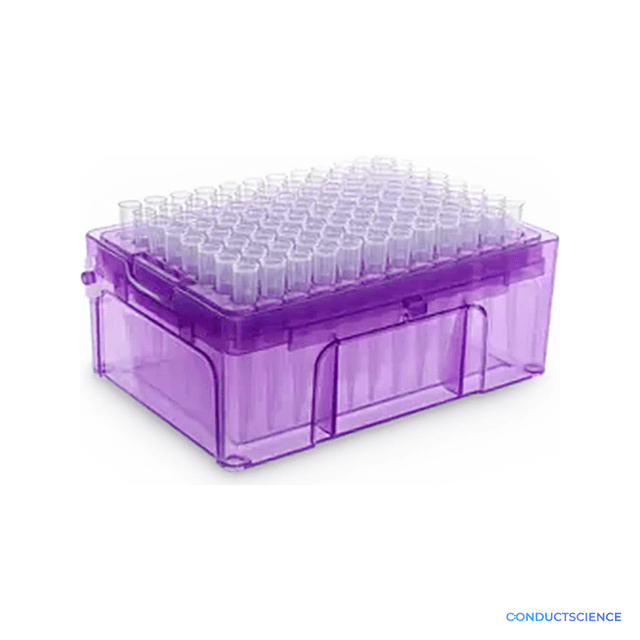
Replacement Parts & Consumables
Upgrade Options