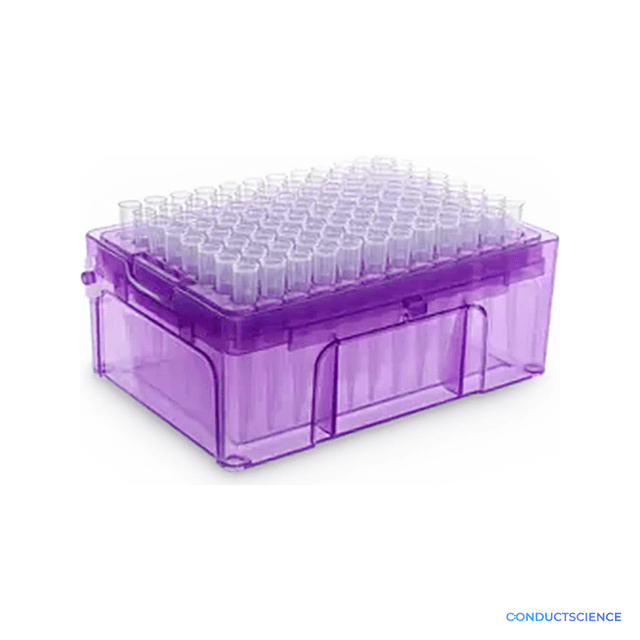
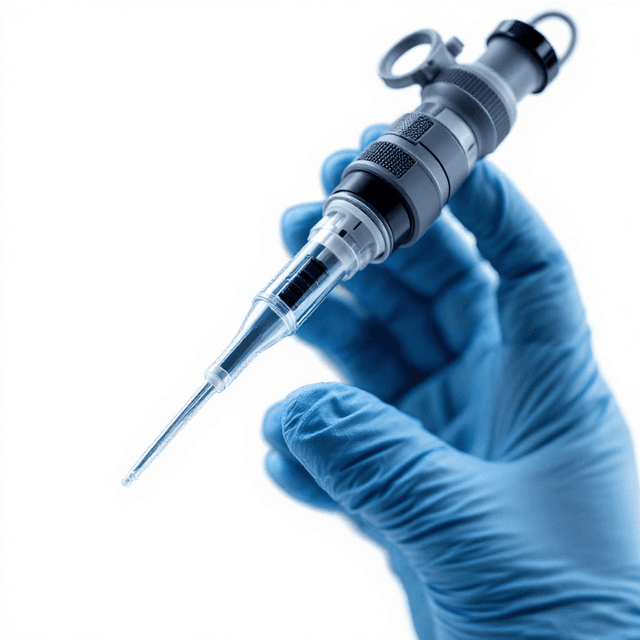
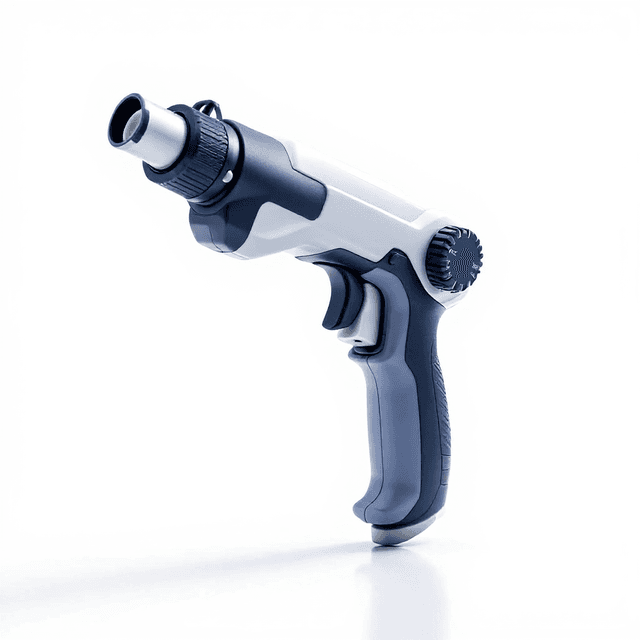
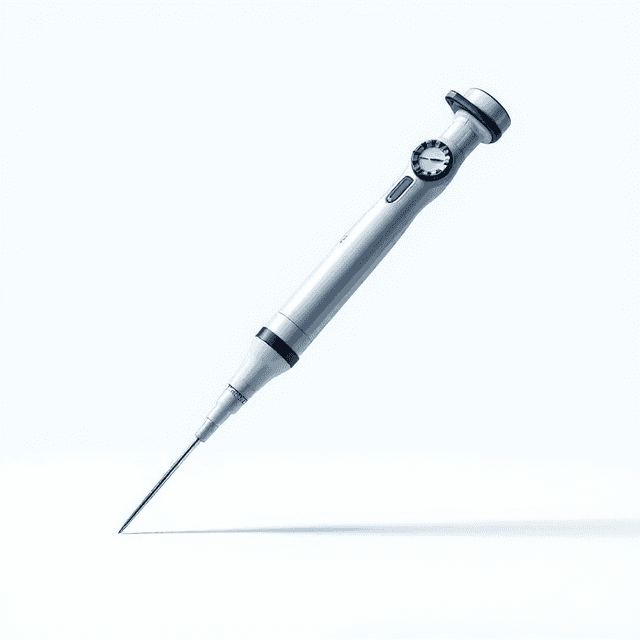
Single Channel Fixed Pipette BK-FP Series
Fixed-volume single channel pipettes available in five precision volumes from 0.5 to 20 μL for consistent small-volume liquid handling in research applications.

Louise Corscadden, PhD
Director of Science · ConductScience
Ask Louise about Single Channel Fixed Pipette BK-FP Series fit, setup, configuration, or quote prep.
Already working with us? Sign in to connect this with My Scientist.
Key Specifications
Full details →- Model fit
- Configured during quote
- SKU family
- BIO-0624
- Shipping box
- 19.29 x 15.75 x 11.42 cm
- Ordering
- Online checkout and quote request available
- Category
- Liquid Handling
- Build notes
- Confirm accessories, station layout, and support needs before purchase
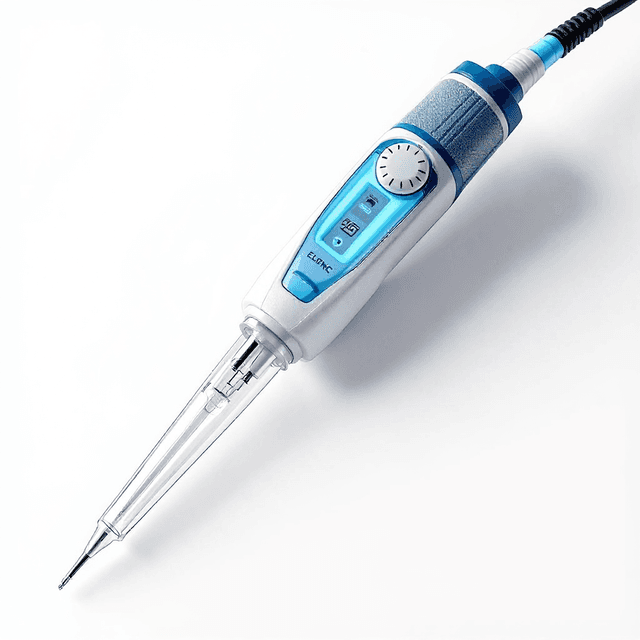
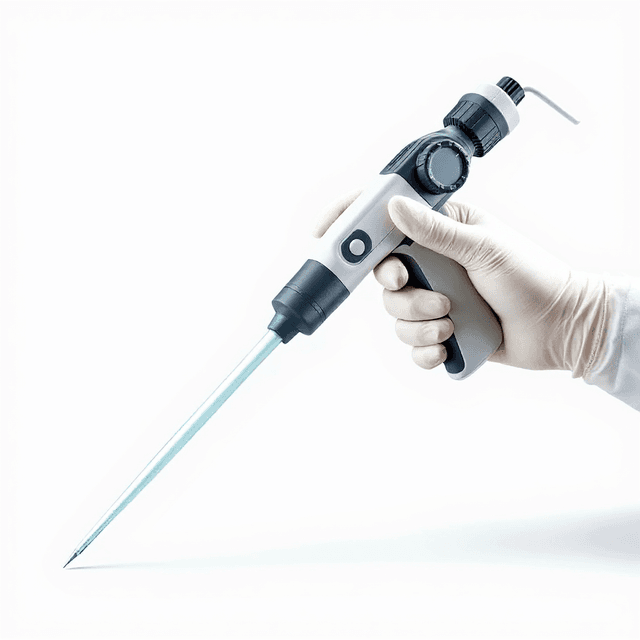
The Single Channel Fixed Pipette BK-FP Series provides precision liquid handling for laboratory applications requiring accurate volume delivery from 0.5 μL to 20 μL. This fixed-volume pipette series eliminates the variability associated with adjustable volume settings, ensuring consistent performance for repetitive sampling and dispensing protocols.
Available in five volume configurations (0.5, 1, 5, 10, and 20 μL), each model is designed for specific volume requirements common in molecular biology, analytical chemistry, and pharmaceutical research. The fixed-volume design reduces operator error and provides reliable performance for applications where precision at small volumes is critical for experimental success.
How It Works
Fixed-volume pipettes operate on positive displacement principles, where the piston directly contacts the liquid sample rather than using an air cushion. This design eliminates volume variability by mechanically constraining the piston travel to deliver a predetermined volume with each complete stroke.
The internal mechanism consists of a spring-loaded piston system calibrated to specific volume displacement. When the plunger is depressed, the piston moves through a fixed travel distance, creating consistent volume pickup and delivery. The absence of volume adjustment mechanisms reduces potential sources of error and ensures reproducible performance across multiple operators.
Sample pickup occurs through direct liquid contact with the piston, making these pipettes particularly suitable for viscous solutions and volatile solvents where air displacement systems may introduce measurement errors. The direct displacement design provides superior accuracy for small volumes where surface tension and evaporation effects can significantly impact measurement precision.
Features & Benefits
Automation Level
- manual
Cat. No.
- Model
Volume Range
- Package
Gross Weight(kg)
- Package Size(mm)
20002000
- BK-FP0.5
0.5μl
- 50pcs/carton
9.5
- 490*400*290
20002005
- BK-FP1
1μl
- 50pcs/carton
20002010
- BK-FP5
5μl
- 50pcs/carton
20002020
- BK-FP10
10μl
- 50pcs/carton
20002030
- BK-FP20
20μl
- 50pcs/carton
Brand
- ConductScience
Research Domain
- Analytical Chemistry
- Cell Biology
- Clinical Diagnostics
- Microbiology
- Molecular Biology
- Pharmaceutical QC
Shipping weight
- 20.94 lb
Shipping box
- L: 19.29 cm
- W: 15.75 cm
- H: 11.42 cm
| Feature | This Product | Typical Alternative | Advantage |
|---|---|---|---|
| Volume Range Coverage | Five discrete volumes from 0.5 to 20 μL | Single adjustable pipettes often cover 0.5-10 μL or 2-20 μL ranges | Eliminates volume setting errors and provides optimal accuracy at each specific volume |
| Displacement Mechanism | Positive displacement design | Most pipettes use air displacement systems | Superior performance with viscous solutions and volatile solvents where air gaps affect accuracy |
| Bulk Packaging | 50 units per carton | Single unit packaging is standard | Cost-effective for laboratories requiring multiple pipettes for parallel processing workflows |
| Volume Adjustment | Fixed volumes only | Variable volume adjustment with digital displays | Eliminates operator setting errors and drift for protocols using consistent volumes |
The BK-FP Series offers fixed-volume precision across five critical small-volume ranges with positive displacement technology. The bulk packaging and elimination of volume adjustment mechanisms make this series suitable for high-throughput laboratories prioritizing consistency over versatility.
Practical Tips
Verify accuracy gravimetrically at room temperature using distilled water and analytical balance accurate to 0.01 mg.
Why: Temperature affects liquid density and pipette materials, impacting volume accuracy.
Clean the exterior with 70% ethanol and avoid immersing the piston mechanism in solvents.
Why: Solvent penetration can damage internal seals and affect volume accuracy.
Pre-wet tips with sample liquid 2-3 times before critical measurements to equilibrate surfaces.
Why: Surface tension effects can cause volume errors, especially at small volumes below 5 μL.
If volume delivery appears inconsistent, check tip attachment and replace if seal is compromised.
Why: Poor tip seal allows air leakage that affects the positive displacement mechanism.
Use the same pipette for all replicates within an experiment to minimize inter-pipette variation.
Why: Individual pipettes may have slight calibration differences that affect precision.
Use appropriate tips rated for the chemicals being pipetted and dispose of contaminated tips properly.
Why: Chemical compatibility prevents tip degradation and cross-contamination between samples.
Setup Guide
What’s in the Box
- Fixed-volume pipette(s) - quantity varies by model
- User manual (typical)
- Performance certificate (typical)
Warranty
ConductScience provides standard manufacturer warranty coverage for defects in materials and workmanship. Technical support is available for performance verification and troubleshooting guidance.
Compliance
References
Background reading relevant to this product:
What is the advantage of fixed-volume over adjustable pipettes for repetitive protocols?
Fixed-volume pipettes eliminate volume drift and operator setting errors, providing consistent performance when the same volume is repeatedly dispensed throughout a protocol.
How should these pipettes be calibrated and verified?
Use gravimetric verification with distilled water at controlled temperature, weighing multiple deliveries to calculate accuracy and precision according to ISO 8655 standards.
Are these pipettes suitable for organic solvents and volatile liquids?
The positive displacement design makes them more suitable for volatile solvents than air displacement pipettes, but compatibility depends on chemical resistance of internal components.
What tip compatibility should be considered for each volume?
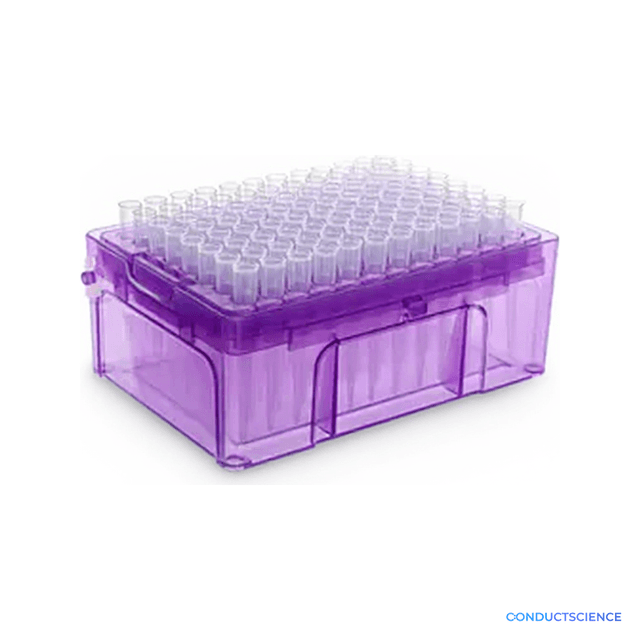
Use tips specifically designed for the volume range to ensure proper seal and accuracy - larger tips on small volume pipettes can introduce measurement errors.
How do these compare to single-channel adjustable pipettes for laboratory efficiency?
Fixed-volume pipettes are faster for repetitive work since no volume adjustment is needed, but require multiple units to cover different volume ranges.
What maintenance is required for optimal performance?
Regular cleaning of the tip cone and piston mechanism, periodic accuracy verification, and replacement of internal seals according to usage frequency.
Have a question about this product?
Have a question? Just ask.
Send it over and we'll email you a personalized answer — no call, no scheduling.
Prefer to talk it through?
Accessories
Enhance your setup with compatible accessories
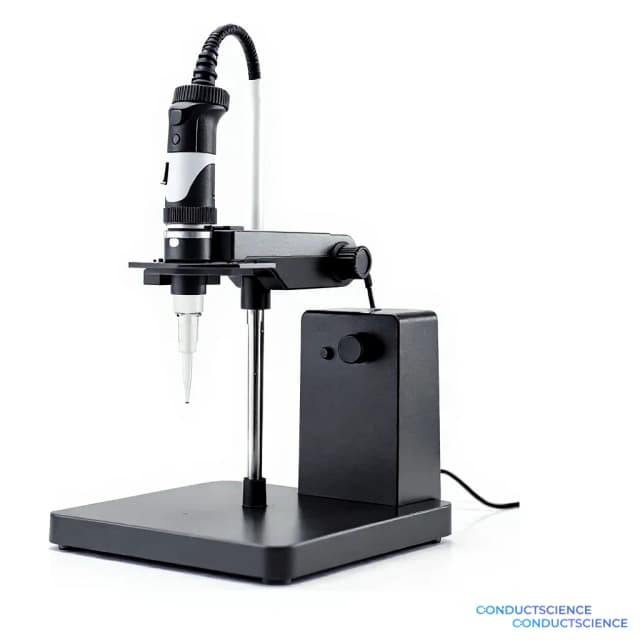
Replacement Parts & Consumables