TopPette-Mechanical Pipettes
Mechanical pipettes offering precision liquid handling with accuracy specifications from 0.50% to 4.00% across 0.5-50 μl volume ranges for microvolume sample preparation.

Louise Corscadden, PhD
Director of Science · ConductScience
Ask Louise about TopPette-Mechanical Pipettes fit, setup, configuration, or quote prep.
Already working with us? Sign in to connect this with My Scientist.
Key Specifications
Full details →- Model fit
- Configured during quote
- SKU family
- BIO-0631
- Shipping box
- 42.0 x 43.6 x 38.0 cm
- Ordering
- Online checkout and quote request available
- Category
- Liquid Handling
- Build notes
- Confirm accessories, station layout, and support needs before purchase
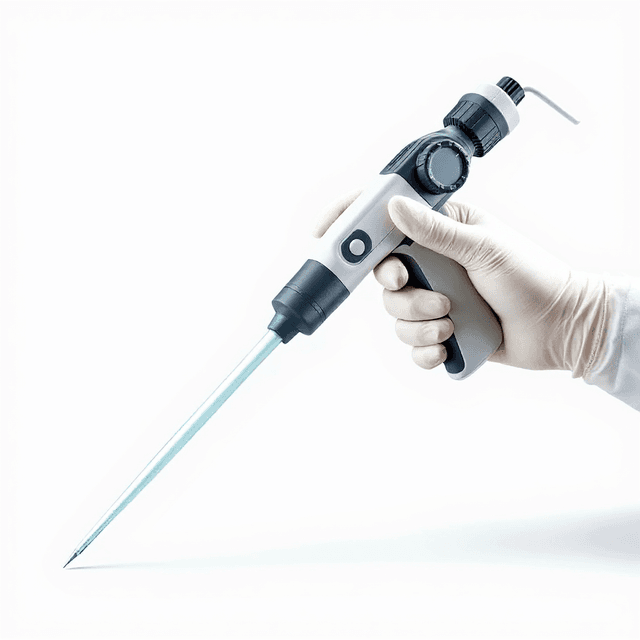
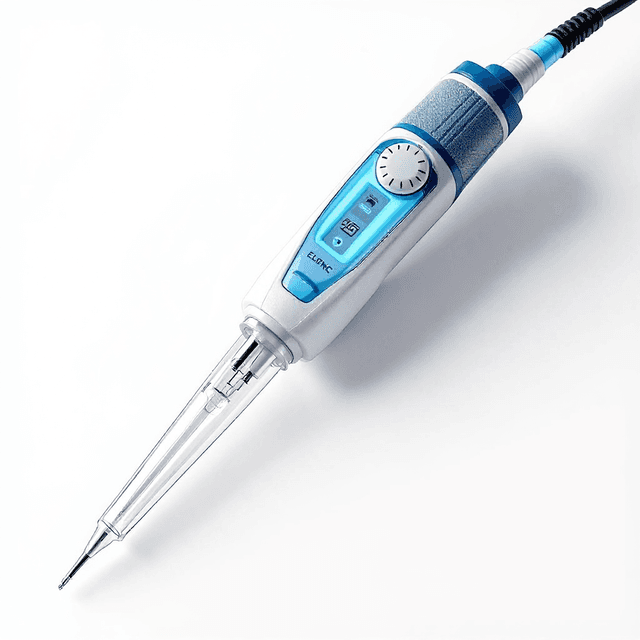
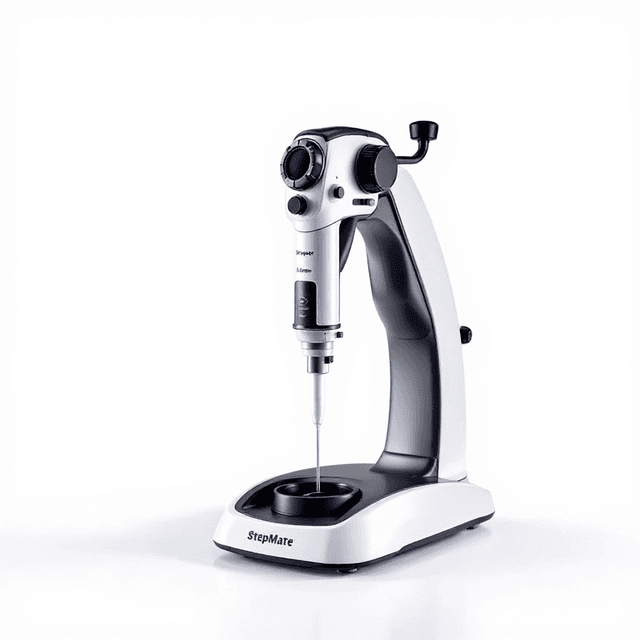
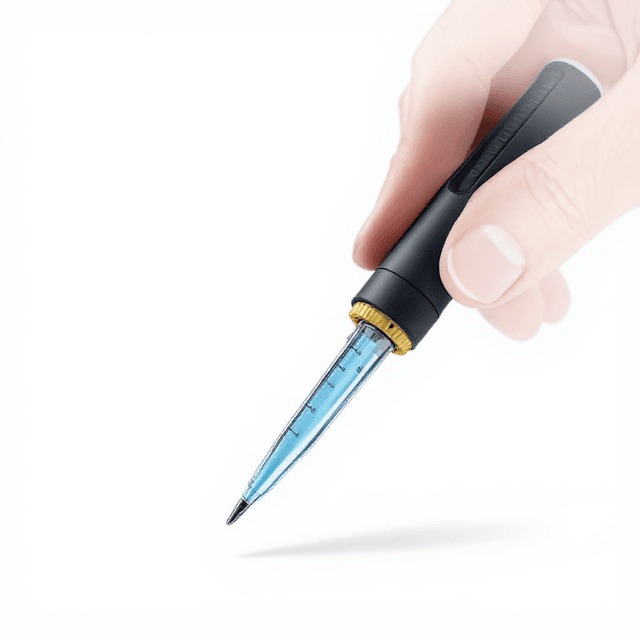
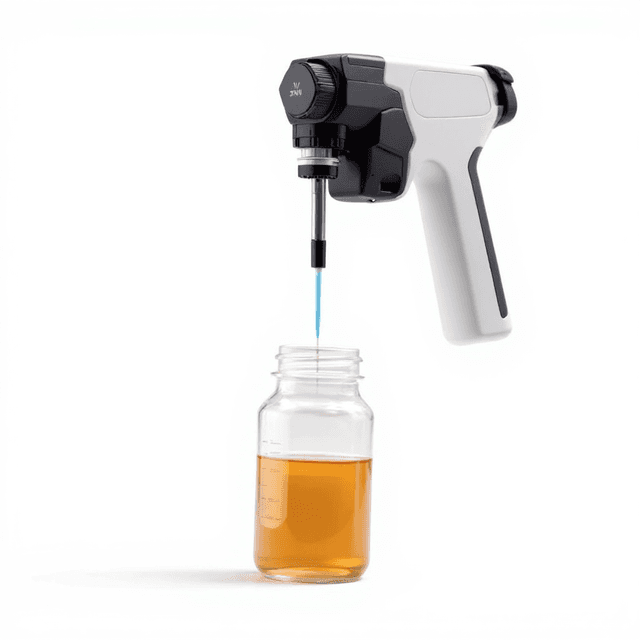
The TopPette Mechanical Pipettes are precision liquid handling instruments designed for accurate and reproducible sample preparation in laboratory environments. These mechanical pipettes feature fixed volume ranges from 0.5-10 μl and 5-50 μl configurations, providing researchers with reliable volumetric transfer capabilities across common microvolume applications.
The pipettes incorporate mechanical actuation systems that deliver consistent performance with accuracy specifications ranging from 0.50% to 4.00% depending on volume setting. Each model includes precision-machined components and ergonomic design elements to support extended use in analytical and research workflows requiring precise liquid handling.
How It Works
Mechanical pipettes operate through precision-machined piston displacement systems that create controlled vacuum and positive pressure within sealed chambers. The user-actuated plunger mechanism moves a calibrated volume of air, which in turn displaces liquid through disposable tips according to fundamental fluid mechanics principles.
The volume selection mechanism utilizes graduated adjustment systems that precisely control the piston stroke length, directly correlating to the volume of liquid displaced. Internal spring systems provide consistent force application and return mechanisms, while precision-molded sealing components maintain volumetric accuracy across repeated operations.
Accuracy is maintained through manufacturing tolerances that control air gap volumes, piston surface finishes, and sealing integrity. The mechanical design eliminates electronic components, providing reliable operation across varying environmental conditions while maintaining calibrated performance specifications.
Features & Benefits
Automation Level
- manual
MicroPette Plus Series Cat.No.
- Volume Range
7042303004
- 0.5-10μl
0.1μl
- 10μl
1.50%
- 0.15μl
5μl
- 3.00%
0.125μl
- 2.50%
1μl
- 4.00%
0.04μl
- 4.00%
7042303006
- 5-50μl
0.5μl
- 0.8%
1.00%
- 0.5μl
0.50%
- 0.25μl
25μl
- 1.50%
0.375μl
- 1.00%
Brand
- ConductScience
Research Domain
- Analytical Chemistry
- Cell Biology
- Clinical Diagnostics
- Food Science
- Immunology
- Materials Science
- Microbiology
- Pharmaceutical QC
Shipping weight
- 4.41 lb
Shipping box
- L: 42.0 cm
- W: 43.6 cm
- H: 38.0 cm
| Feature | This Product | Typical Alternative | Advantage |
|---|---|---|---|
| Volume Range Coverage | 0.5-50 μl across two models | Entry-level models often cover narrower ranges | Provides comprehensive microvolume coverage for diverse sample preparation requirements. |
| Accuracy Specifications | 0.50% to 4.00% depending on volume | Basic mechanical pipettes typically achieve 2-5% accuracy | Delivers precision suitable for quantitative analytical work and method validation requirements. |
| Mechanical Actuation | Pure mechanical displacement system | Some alternatives include electronic components | Eliminates battery maintenance and electronic failure modes for consistent long-term performance. |
| Volume Adjustment | Precision mechanical volume setting | Varies by model and manufacturer | Enables reproducible volume selection for standardized protocols and regulatory documentation. |
| Tip Compatibility | Standard disposable tip mounting | Most mechanical pipettes use standard tips | Integrates with existing laboratory tip inventory without requiring specialized consumables. |
The TopPette Mechanical Pipettes offer precision volumetric performance with accuracy specifications suitable for analytical applications, featuring reliable mechanical systems that operate without electronic components across commonly used microvolume ranges.
Practical Tips
Verify accuracy monthly using gravimetric methods with distilled water at room temperature.
Why: Environmental conditions and mechanical wear can affect volumetric accuracy over time.
Store pipettes vertically in stands when not in use to prevent seal deformation.
Why: Horizontal storage can cause internal seals to lose their shape and compromise accuracy.
Pre-wet tips by aspirating and dispensing sample liquid three times before final measurement.
Why: Pre-wetting eliminates surface tension effects that can cause volume errors with aqueous samples.
If dispensing becomes inconsistent, check tip sealing and inspect internal components for contamination.
Why: Air leaks or internal debris are the most common causes of volumetric drift.
Use controlled aspiration and dispensing speeds to minimize air bubble formation.
Why: Rapid volume changes can introduce air bubbles that affect measurement accuracy.
Never pipette by mouth and always use appropriate tips when handling hazardous materials.
Why: Proper tip selection and technique prevent exposure to potentially harmful substances.
Allow samples and pipettes to equilibrate to room temperature before precision measurements.
Why: Temperature differences can affect liquid density and volumetric accuracy.
Setup Guide
What’s in the Box
- Mechanical pipette main unit (typical)
- User manual and operation guide (typical)
- Calibration certificate (typical)
- Tip compatibility chart (typical)
Warranty
ConductScience provides standard one-year manufacturer warranty covering mechanical components and volumetric accuracy specifications, with technical support for calibration procedures and maintenance protocols.
Compliance
References
Background reading relevant to this product:
What accuracy can I expect across the volume range?
Accuracy varies from 0.50% to 4.00% depending on volume setting. The 0.5 μl setting achieves 0.8% accuracy, while 10 μl setting provides 1.50% accuracy. Consult the product datasheet for complete accuracy specifications at all volume increments.
Are these pipettes compatible with automation systems?
These are manual mechanical pipettes designed for hand operation. They are not compatible with automated liquid handling systems but can be used alongside automated workflows for manual sample preparation steps.
What tip types are recommended for optimal performance?
Use standard laboratory pipette tips with appropriate volume ratings. Ensure tips form proper seals with the pipette nose cone to maintain accuracy. Pre-wet tips when working with viscous samples or when maximum accuracy is required.
How often should these pipettes be calibrated?
Calibration frequency depends on usage intensity and accuracy requirements. Monthly verification is recommended for routine use, with formal calibration every 6-12 months or when accuracy specifications cannot be maintained.
Can these pipettes handle viscous or volatile liquids?
The mechanical design can accommodate moderately viscous solutions, though accuracy may be affected. For volatile solvents, use appropriate tips and consider forward pipetting techniques. Consult product specifications for liquid compatibility limits.
What maintenance is required for consistent performance?
Regular cleaning of external surfaces, periodic inspection of seals and internal components, and replacement of worn parts as needed. Store pipettes vertically when not in use to prevent seal degradation.
How do these compare to electronic pipettes?
Mechanical pipettes offer reliability without battery dependence and lower maintenance requirements, though they lack programmable functions and may require more operator skill for consistent technique.
Have a question about this product?
Have a question? Just ask.
Send it over and we'll email you a personalized answer — no call, no scheduling.
Prefer to talk it through?
Accessories
Enhance your setup with compatible accessories
Replacement Parts & Consumables