Plant Canopy Structure Analyzer
Measure canopy light interception, LAI, nitrogen content, and vegetation indices non-destructively.
Dual-wavelength LED, cloud connectivity, 0–60 °C operation.

Louise Corscadden, PhD
Director of Science · ConductScience
Ask Louise about Plant Canopy Structure Analyzer fit, setup, configuration, or quote prep.
Already working with us? Sign in to connect this with My Scientist.
Key Specifications
Full details →- Model fit
- Configured during quote
- SKU family
- AGR-0036
- Sizing
- Model-specific dimensions confirmed from the selected configuration
- Ordering
- Quote-reviewed before fulfillment
- Category
- Agriculture & Food Science
- Build notes
- Confirm accessories, station layout, and support needs before purchase
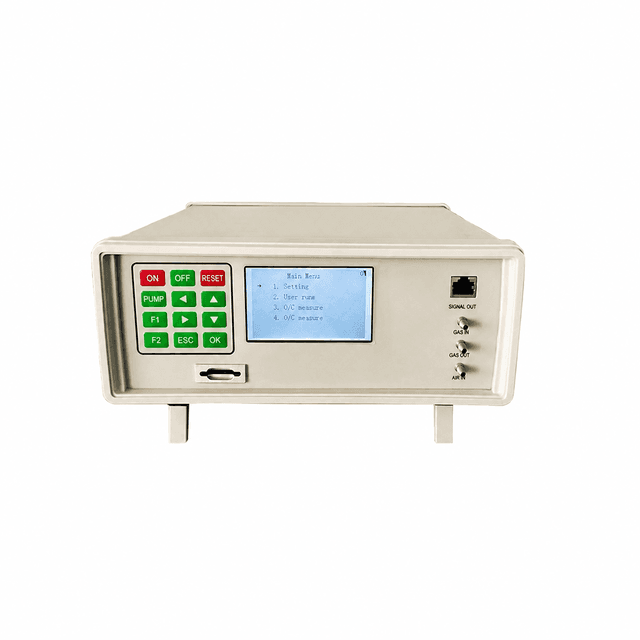
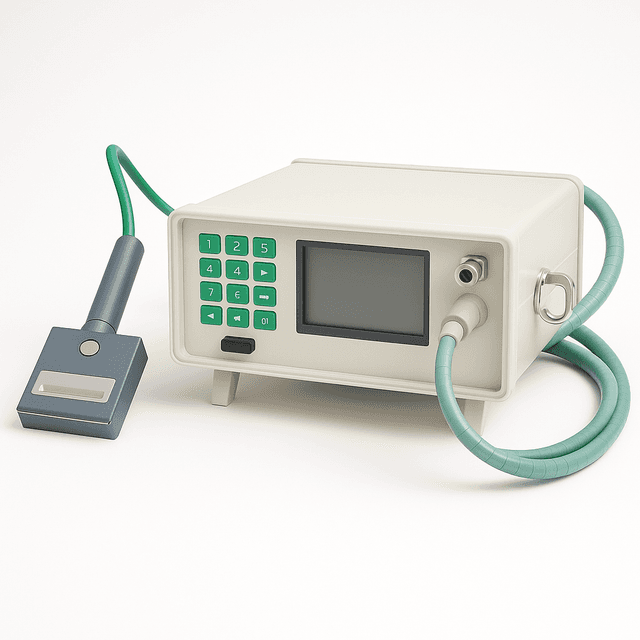
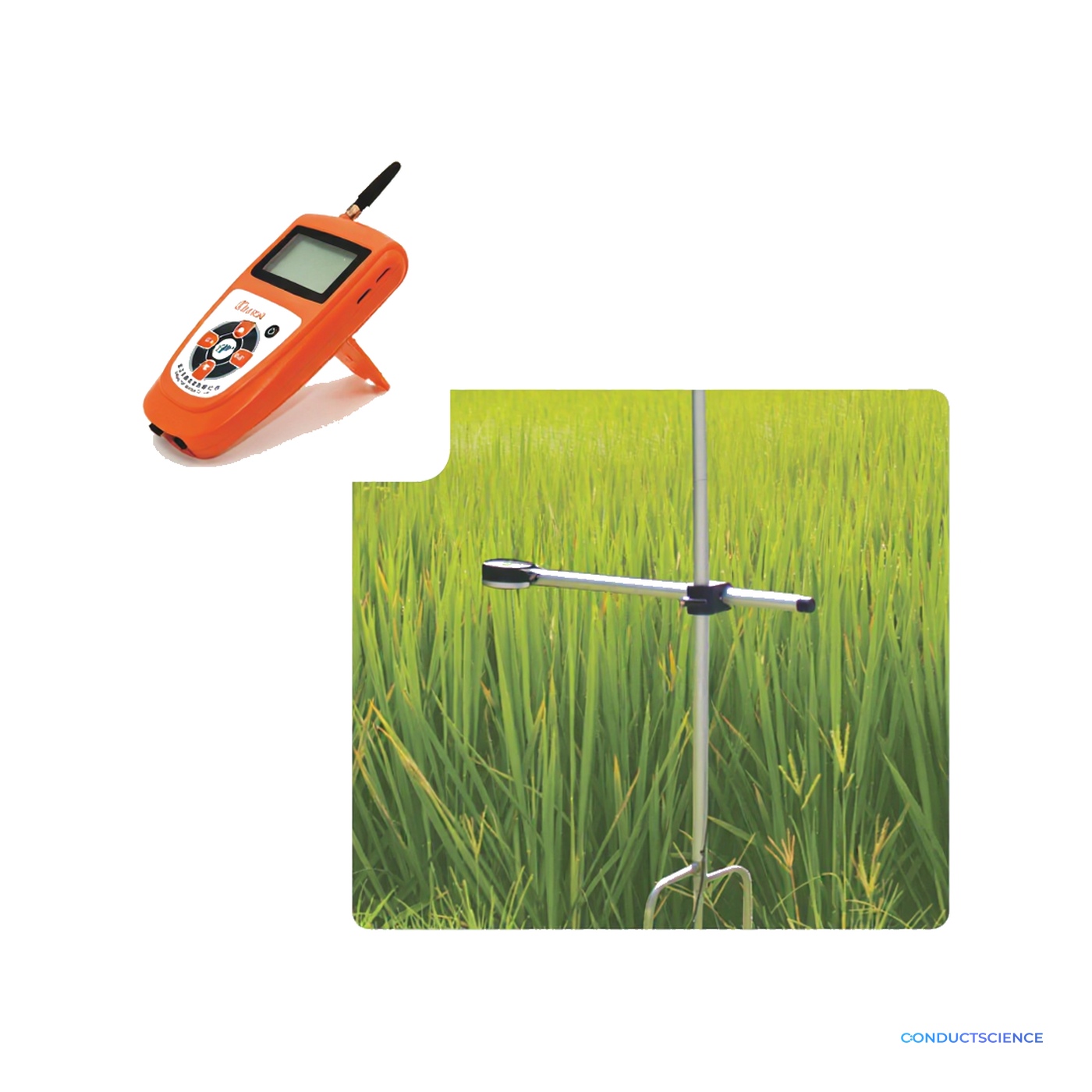
The Plant Canopy Structure Analyzer measures light interception within plant canopies, giving researchers and agronomists a quantitative view of how crops capture and utilize solar radiation. Using a non-destructive optical method, it gathers data without disturbing the plant stand, making repeat measurements across growth stages practical and reliable.
At its core, the instrument uses a dual-channel LED light source operating at center wavelengths of 680 nm and 800 nm—the spectral bands most relevant to chlorophyll absorption and near-infrared reflectance. From these two channels, onboard and cloud-based software derives a broad suite of canopy parameters including the vegetation index (RVI), leaf area index (LAI), leaf dry weight, nitrogen content in the crop leaf layer, nitrogen accumulation, and the CMM index. A 30° view angle and an acquisition area of 0.23–0.38 m² define the measurement footprint for each reading.
The analyzer connects to a cloud platform and companion mobile app, so field teams can log, review, and share datasets without returning to the lab. Its operating temperature range of 0–60 °C and 0–100% RH tolerance (non-condensing) suit a wide variety of open-field and greenhouse environments.
Typical applications include crop growth monitoring, precision agriculture trials, canopy energy resource surveys, and applied agricultural research where understanding the relationship between light utilization, canopy structure, and yield quality is central to the study design.
Light Source
- LED
Center Wavelengths
- 680 nm, 800 nm
Spectral Bandwidth (FWHM)
- < 8 nm
Channels
- 2
View Angle
- 30°
Acquisition Area
- 0.23–0.38 m²
Power Supply
- 8–12 V DC
Operating Temperature
- 0–60 °C
Operating Humidity
- 0–100% RH (non-condensing)
Storage Temperature
- −10–80 °C
Storage Humidity
- 0–40% RH
Connectivity
- Cloud platform and mobile app
Measurement Method
- Non-destructive optical measurement
What canopy parameters does the analyzer calculate?
The software derives the vegetation index (RVI), CMM index, leaf area index (LAI), leaf dry weight, nitrogen content in the crop leaf layer, and nitrogen accumulation—all from the same dual-wavelength measurement session.
Which wavelengths does the light source use, and why do they matter?
The LED light source operates at center wavelengths of 680 nm and 800 nm with a spectral bandwidth narrower than 8 nm. The 680 nm band corresponds to chlorophyll absorption, while 800 nm captures near-infrared reflectance. Comparing signals at these two bands is the basis for calculating vegetation and nitrogen indices.
How large an area does each measurement capture?
Each acquisition covers 0.23–0.38 m², defined by the instrument's 30° view angle. This footprint is suitable for row crops and dense canopies where a representative but localized sample is needed.
Can the instrument be used in outdoor field conditions?
Yes. The operating environment specification covers 0–60 °C and 0–100% relative humidity (non-condensing), which accommodates most open-field and greenhouse conditions. When not in use, the unit stores safely between −10 and 80 °C at 0–40% RH.
How is data accessed and managed after a measurement session?
The analyzer integrates with a cloud platform and a mobile app, allowing field data to be uploaded, reviewed, and analyzed without a desktop workstation. This connectivity supports team workflows across multiple field sites.
Have a question about this product?
Have a question? Just ask.
Send it over and we'll email you a personalized answer — no call, no scheduling.
Prefer to talk it through?
Frequently Bought Together