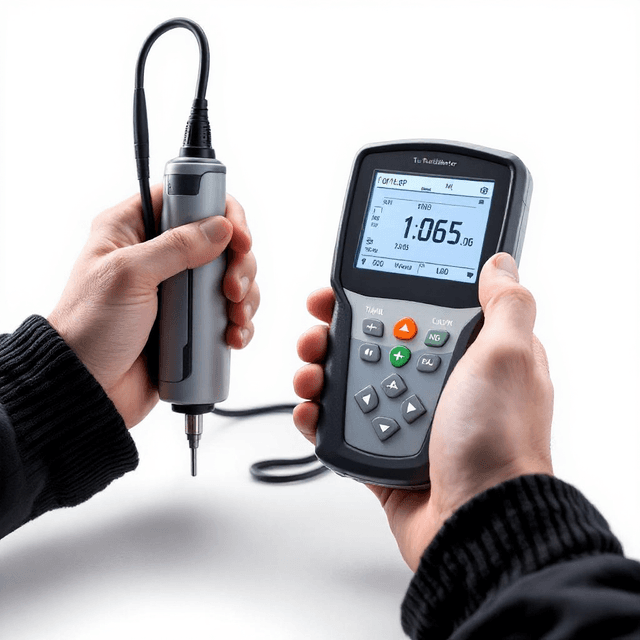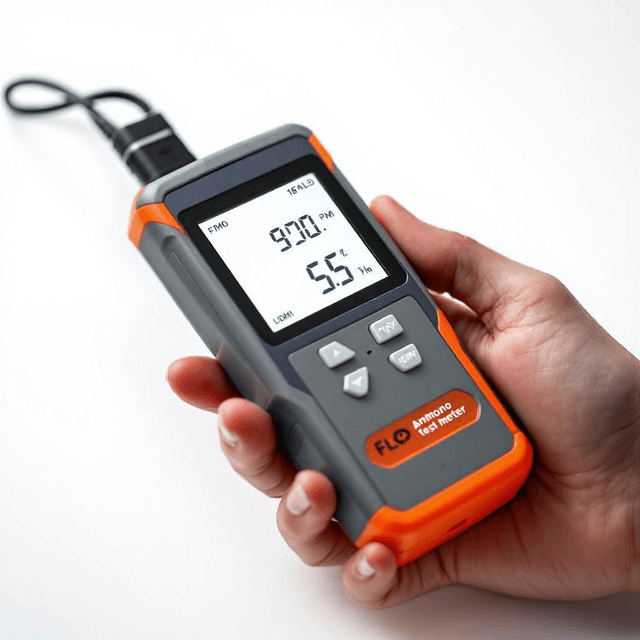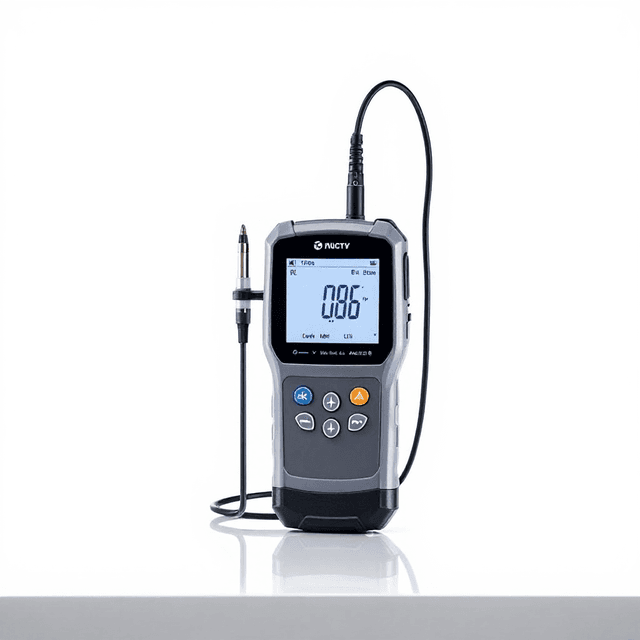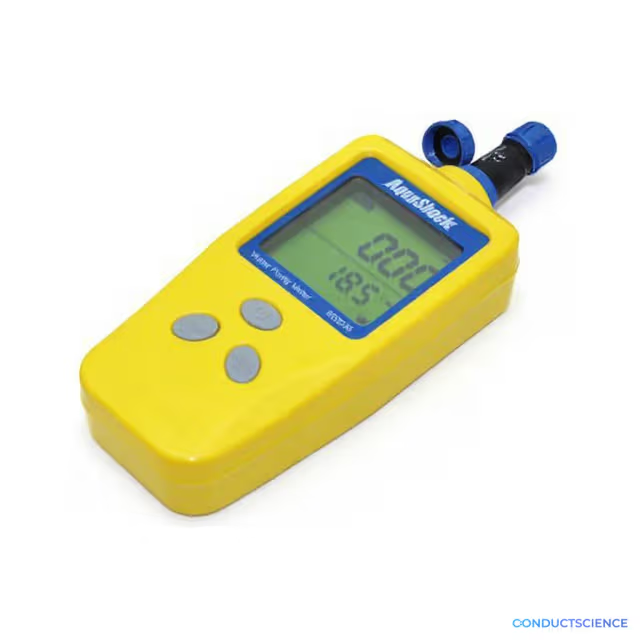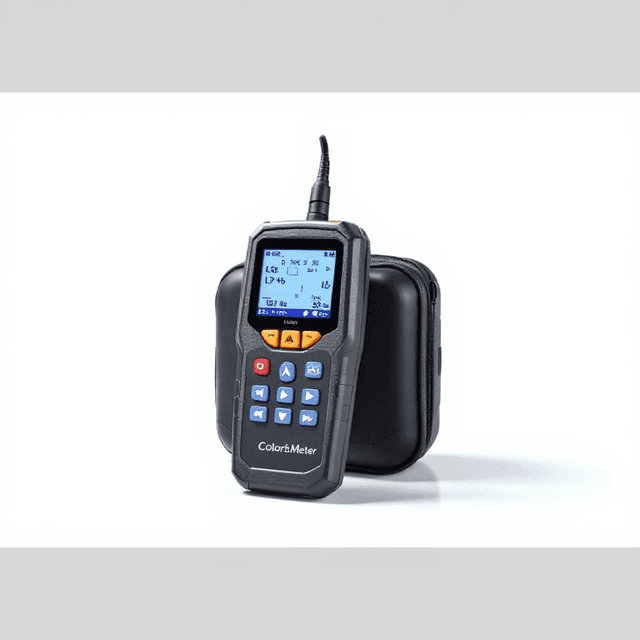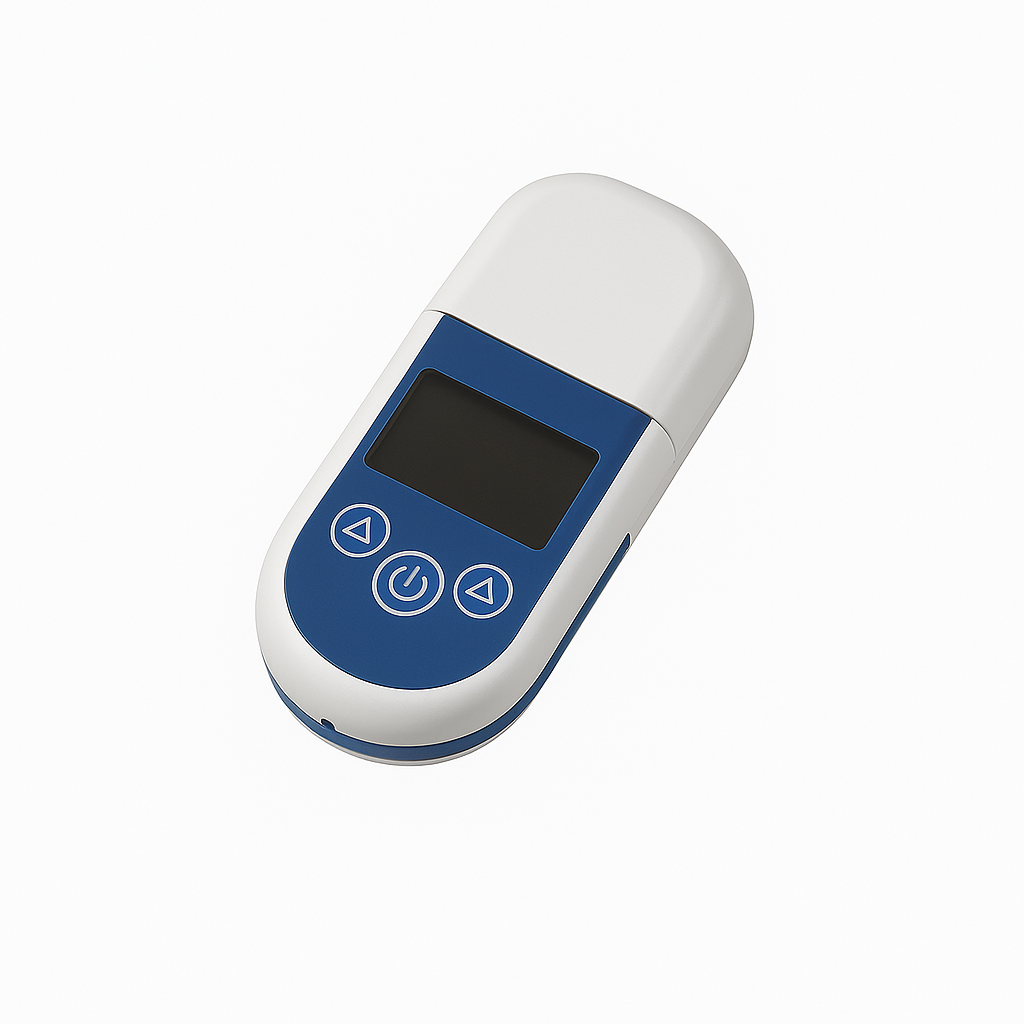
Portable Handheld Turbidimeter
Portable nephelometric turbidimeter with near-infrared LED light source (ISO 7027 compliant), dual measurement ranges (0–20 NTU and 0–1000 NTU), IP65 waterproof rating, and rechargeable lithium battery for field and laboratory water quality assessment.

Louise Corscadden, PhD
Director of Science · ConductScience
Ask Louise about Portable Handheld Turbidimeter fit, setup, configuration, or quote prep.
Already working with us? Sign in to connect this with My Scientist.
Key Specifications
Full details →- Model fit
- Configured during quote
- SKU family
- LH-0001
- Shipping box
- 23.0 x 8.0 x 5.5 cm
- Ordering
- Online checkout and quote request available
- Category
- Portable Analyzers
- Build notes
- Confirm accessories, station layout, and support needs before purchase
Portable Handheld Turbidimeter
This portable turbidity meter combines scattered light and transmitted light methods with a near-infrared LED light source to eliminate chromaticity interference during turbidity measurement. The instrument conforms to ISO 7027 standards and is suitable for both field and laboratory water quality testing applications.
Key Features
- Near-Infrared LED Light Source — Minimizes chromaticity interference for accurate readings across sample types, conforming to ISO 7027 standard
- High-Precision Optical Path — Built-in lens and filter with imported polymer turbidity calibration solution (non-toxic, safe) for accurate and stable measurement results
- IP65 Waterproof Rating — Waterproof USB interface and sealed enclosure designed for demanding field applications
- OLED Full-Color Display — High-contrast screen with clear data visualization
- Dual Power Mode — Rechargeable lithium battery with USB charging; optional dry battery backup
- Durable Construction — 5 touch buttons with acrylic protection panel for long service life
Specifications
| Measurement Range | 0–20 NTU; 0–1000 NTU |
| Indication Error | ±0.1 NTU or ±5% (0–20 NTU); ±0.3 NTU or ±8% (0–1000 NTU) |
| Repeatability | ±0.1 NTU @ <10 NTU; ≤±1% @ ≥10 NTU |
| Calibration | 4-point calibration (optional calibration solution) |
| Zero Drift | ≤±0.1 NTU |
| Light Source | Near-infrared LED (ISO 7027) |
| Display | OLED full-color |
| IP Rating | IP65 |
| Power | Rechargeable lithium battery (USB); optional dry battery |
| Operating Temperature | 5–40°C |
| Storage Temperature | -10–55°C |
| Humidity | 0–80% RH (non-condensing) |
| Dimensions | 170 × 72 × 44 mm |
| Weight | 290 g |
Applications
- Drinking water quality monitoring
- Environmental surface water assessment
- Wastewater treatment process control
- Industrial water quality testing
- Laboratory turbidity verification
How It Works
Turbidimetric measurement operates on the principle of nephelometry, where a light source illuminates the sample and a photodetector positioned at 90 degrees to the incident beam measures scattered light intensity. When suspended particles encounter the incident light beam, they scatter photons in multiple directions based on particle size, shape, and refractive index differences relative to the surrounding medium.
The instrument quantifies scattered light intensity and correlates this signal to turbidity units (NTU - Nephelometric Turbidity Units). Larger particles and higher particle concentrations produce greater light scattering, resulting in higher turbidity readings. The 90-degree detection geometry minimizes interference from transmitted light while maximizing sensitivity to particle-induced scattering.
Three measurement ranges with corresponding resolutions enable optimization for different sample types: high-resolution detection (0.01 NTU) for ultra-pure applications, intermediate resolution (0.1 NTU) for typical environmental samples, and standard resolution (1 NTU) for highly turbid waters. The integrated light shield eliminates ambient light interference during measurements.
Features & Benefits
Shipping weight
- 1.0 lb
Shipping box
- L: 23.0 cm
- W: 8.0 cm
- H: 5.5 cm
| Feature | This Product | Typical Alternative | Advantage |
|---|---|---|---|
| Measurement Ranges | Three optimized ranges: 0-20, 20-100, and 100-400 NTU | Single range instruments often cover 0-1000 NTU with reduced resolution at low levels | Optimized resolution across different sample types eliminates the need for multiple instruments or range switching |
| Measurement Accuracy | ±2% full scale across all ranges | Entry-level models may offer ±5% accuracy with reduced precision | Higher accuracy supports quantitative applications and regulatory compliance requirements |
| Resolution Performance | Variable resolution from 0.01 to 1 NTU depending on range | Fixed resolution instruments often compromise low-level sensitivity | Maintains precision for ultra-pure water applications while handling high-turbidity samples |
| Portable Design | Compact 80×55×230mm dimensions, 1kg weight | Benchtop units offer more features but lack field portability | Enables point-of-use testing and field sampling where laboratory analysis is impractical |
| Power Supply | Universal 100-240V AC operation | Some portable units rely on battery power with limited operating time | Continuous operation capability for extended measurement sessions without battery replacement |
The three-range design with variable resolution provides measurement flexibility typically requiring multiple instruments. The ±2% accuracy specification and compact portable format enable both laboratory QC and field applications with consistent analytical performance.
Practical Tips
Perform zero-point calibration with the same water type used for sample dilutions to minimize matrix effects.
Why: Consistent matrix composition reduces baseline drift and improves measurement accuracy.
Allow samples to reach room temperature and equilibrate before measurement to minimize thermal effects on particle behavior.
Why: Temperature variations can affect particle settling rates and light scattering characteristics.
Clean cuvettes immediately after use with appropriate solvents followed by distilled water rinse and air drying.
Why: Residual contamination on optical surfaces directly affects light scattering and measurement accuracy.
Take multiple readings and report the average for samples with heterogeneous particle distributions.
Why: Particle settling or aggregation can cause reading variability in non-uniform samples.
If readings appear unstable, check for air bubbles in the sample cuvette and ensure complete light shield positioning.
Why: Air bubbles scatter light independently of suspended particles, while ambient light causes measurement interference.
Handle cuvettes by the ribbed sides only, avoiding contact with smooth optical surfaces.
Why: Fingerprints and skin oils create optical artifacts that interfere with light transmission.
Select the lowest appropriate measurement range for optimal resolution and accuracy.
Why: Higher resolution ranges provide better discrimination for quality control applications.
Setup Guide
What’s in the Box
- Portable handheld turbidimeter main unit
- Three measurement cuvettes
- Light shield
- AC power adapter (100-240V)
- User manual and operation guide (typical)
- Calibration verification certificate (typical)
Warranty
ConductScience provides a standard one-year manufacturer warranty covering defects in materials and workmanship, with technical support available for troubleshooting and method development assistance.
Compliance
What calibration standards are required for the three measurement ranges?
Consult product datasheet for specific calibration standard requirements. Zero-point calibration uses turbidity-free distilled or deionized water. Multi-point calibration typically requires certified turbidity standards appropriate for each measurement range.
How does ambient temperature affect measurement accuracy?
Consult product datasheet for operating temperature specifications and thermal compensation details. Nephelometric measurements can be temperature-sensitive due to changes in water density and particle behavior.
What sample volume is required for measurement?
Sample volume depends on cuvette specifications included with the instrument. Standard turbidity cuvettes typically require 10-15mL for complete optical path coverage.
Can the instrument measure colored samples accurately?
Colored samples may interfere with nephelometric measurement due to light absorption. For highly colored waters, sample dilution or alternative measurement methods may be necessary for accurate results.
What maintenance procedures are required for optical components?
Regular cleaning of cuvettes with appropriate solvents and lint-free materials is essential. Light source and detector surfaces should be kept clean and free from condensation or contamination.
How does this compare to benchtop turbidimeters in terms of accuracy?
The ±2% full scale accuracy is comparable to laboratory-grade benchtop instruments. The three-range design provides measurement flexibility while maintaining analytical performance suitable for most applications.
What data output options are available?
Consult product datasheet for specific data logging and connectivity features. Manual recording of displayed values is standard for handheld instruments.
Have a question about this product?
Have a question? Just ask.
Send it over and we'll email you a personalized answer — no call, no scheduling.
Prefer to talk it through?