1 / 3
Rodent Olfactory Exploration Box
SKU CS-958217
$2,519.99
IncludesStandard care
Specialized behavioral testing chamber for assessing olfactory discrimination, scent preferences, and exploration patterns in laboratory rodents under controlled environmental conditions.
CE MarkedBAA available
Scientist guidance

Louise Corscadden, PhD
Director of Science · ConductScience
Ask Louise about Rodent Olfactory Exploration Box fit, setup, configuration, or quote prep.
Already working with us? Sign in to connect this with My Scientist.
Key Specifications
Full details →- Model fit
- Mouse, Rat
- SKU family
- CS-958217
- Shipping box
- 65.0 x 36.0 x 27.0 cm
- Ordering
- Online checkout and quote request available
- Category
- Behavioral Mazes
- Build notes
- Confirm accessories, station layout, and support needs before purchase
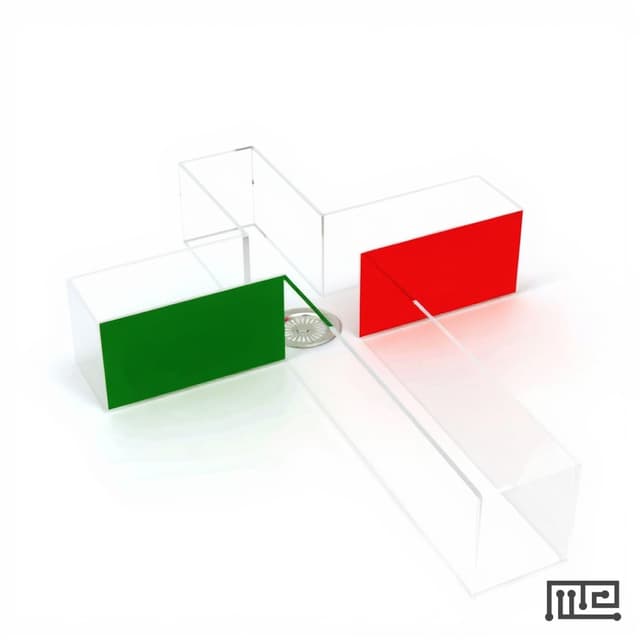
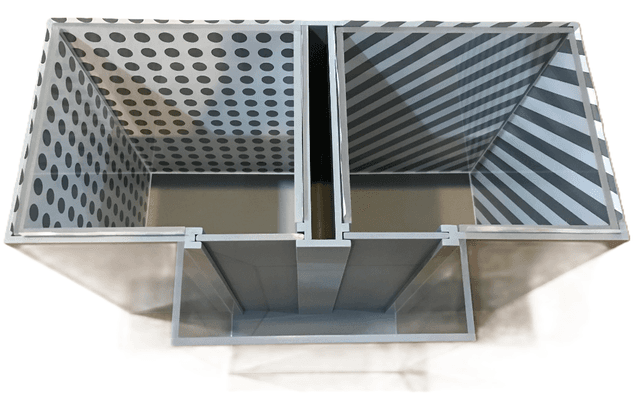
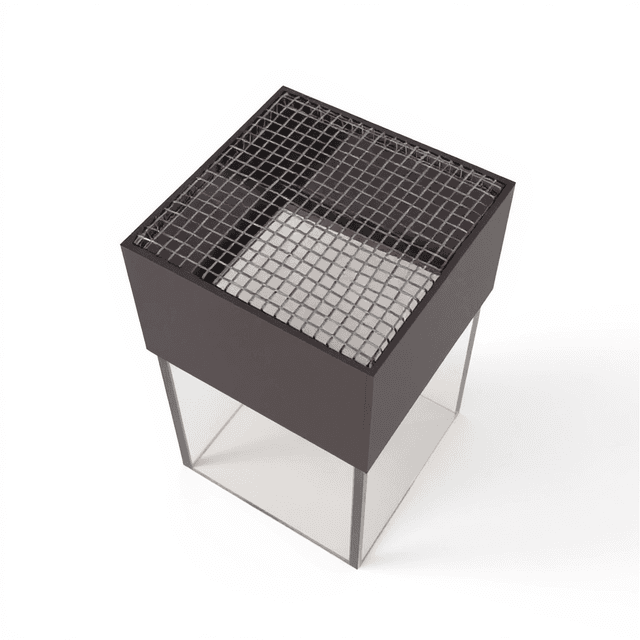
The Rodent Olfactory Exploration Box is a specialized behavioral testing apparatus designed to assess olfactory discrimination and exploration patterns in laboratory rodents. This chamber provides a controlled environment for measuring odor-guided behaviors, scent preference, and olfactory learning capabilities in mice, rats, and other small laboratory animals. The apparatus enables researchers to conduct standardized olfactory behavioral assays with consistent environmental conditions and reproducible experimental protocols.
The system supports investigation of olfactory function across various research contexts, from basic sensory neuroscience to applied toxicology studies examining chemosensory effects. The controlled chamber design minimizes external olfactory interference while allowing precise presentation of test odors and measurement of behavioral responses. Researchers can assess both innate olfactory preferences and learned odor associations using established behavioral paradigms.
How It Works
The Rodent Olfactory Exploration Box operates on the principle that rodents naturally investigate novel odors through exploratory sniffing behaviors. The apparatus presents test odors in a controlled spatial arrangement while tracking the animal's movement patterns and investigation time at each odor location. Behavioral responses are quantified by measuring time spent investigating specific odor sources, frequency of visits to odor zones, and overall exploration patterns.
Olfactory discrimination is assessed by comparing investigation times between familiar and novel odors, preferred and non-preferred scents, or trained versus untrained odor associations. The system allows for presentation of multiple odor stimuli simultaneously, enabling direct comparison of olfactory preferences and measurement of discrimination thresholds. Data collection focuses on spontaneous exploratory behaviors that reflect the animal's olfactory perception and processing capabilities.
Features & Benefits
Controlled chamber environment
Minimizes external olfactory interference and provides consistent testing conditions across experimental sessions
Multiple odor presentation zones
Enables simultaneous comparison of different odors and assessment of olfactory discrimination capabilities
Open field design
Allows natural exploratory behavior while providing clear spatial organization for behavioral analysis
Compatible with video tracking
Supports automated behavioral analysis and precise measurement of investigation patterns and duration
Easy cleaning protocol
Prevents odor contamination between trials and maintains consistent baseline conditions for all test sessions
Standardized dimensions
Ensures reproducible results and enables comparison with published literature using similar apparatus configurations
Removable components
Facilitates thorough cleaning and allows customization of chamber configuration for different experimental designs
Behavioral Construct
- Olfactory discrimination
- Exploratory behavior
- Scent preference
- Odor learning
- Chemosensory function
Automation Level
- semi-automated
Research Domain
- Aging Research
- Behavioral Pharmacology
- Learning and Memory
- Neurodegeneration
- Neuroscience
- Toxicology
Species
- Mouse
- Rat
Compatible Tracking Software
- ConductVision
Shipping weight
- 6.06 lb
Shipping box
- L: 65.0 cm
- W: 36.0 cm
- H: 27.0 cm
| Feature | This Product | Typical Alternative | Advantage |
|---|---|---|---|
| Chamber Design | Open field exploration chamber allowing natural movement patterns | Simple two-choice preference boxes with limited movement space | Enables measurement of spatial exploration patterns and natural investigative behaviors. |
| Odor Presentation | Multiple configurable odor zones within single chamber | Fixed dual-compartment designs with limited flexibility | Allows simultaneous comparison of multiple odors and complex discrimination tasks. |
| Behavioral Measurement | Compatible with video tracking for automated behavioral analysis | Manual observation or simple choice-based scoring | Provides detailed quantitative data on investigation patterns and movement dynamics. |
| Cleaning Protocol | Removable components for thorough decontamination | Fixed chamber designs with limited cleaning access | Prevents odor contamination between trials and maintains experimental validity. |
This exploration box combines the behavioral flexibility of open field testing with controlled odor presentation capabilities. The system emphasizes natural exploratory behavior measurement while maintaining experimental standardization and contamination control.
Neuroscience
Investigating olfactory system function and neural pathways involved in odor detection, discrimination, and memory formation in rodent models.
Behavioral Pharmacology
Evaluating effects of pharmaceutical compounds on olfactory behavior and chemosensory function in preclinical drug development studies.
Toxicology
Assessing olfactory system damage and recovery following exposure to potentially neurotoxic chemicals or environmental contaminants.
Learning and Memory
Testing odor-cued learning, olfactory memory consolidation, and scent-based associative learning paradigms in rodent cognition studies.
Aging Research
Monitoring age-related changes in olfactory sensitivity and discrimination abilities as markers of sensory aging and neurodegeneration.
Neurodegeneration
Detecting early olfactory deficits in animal models of Alzheimer's disease, Parkinson's disease, and other neurodegenerative conditions.
Practical Tips
Calibration
Calibrate video tracking system with empty chamber before each testing session to ensure accurate position detection.
Why: Environmental lighting changes can affect tracking accuracy and behavioral measurements.
Maintenance
Allow chamber to air dry completely after cleaning and inspect for residual odors before use.
Why: Cleaning chemical residues can interfere with olfactory testing and bias behavioral responses.
Best Practices
Acclimate animals to the chamber environment for 5-10 minutes before odor presentation.
Why: Initial novelty responses can mask specific olfactory investigation behaviors.
Best Practices
Randomize odor placement positions across trials to prevent location-based preferences.
Why: Animals may develop spatial biases independent of olfactory cues.
Data Quality
Record ambient temperature and humidity conditions as these affect odor volatility and detection.
Why: Environmental conditions influence odor concentration and may affect behavioral responses.
Troubleshooting
If animals show no odor investigation, verify odor concentration and presentation method effectiveness.
Why: Insufficient odor intensity or inappropriate presentation can result in null behavioral responses.
Safety
Use appropriate ventilation when testing with volatile compounds and follow institutional chemical safety protocols.
Why: Protects both animals and researchers from potentially harmful chemical exposures.
Setup Guide
Unpack and Inspect
Remove all components from packaging and inspect for damage. Verify all chamber walls, flooring, and accessories are present and undamaged.
Assemble Chamber
Assemble the exploration box according to manufacturer specifications, ensuring all joints are secure and the chamber is level and stable.
Clean and Condition
Thoroughly clean all surfaces with appropriate disinfectant and allow to air dry completely. Wipe down with ethanol to remove any residual odors.
Position Odor Sources
Install odor presentation systems or containers at designated locations within the chamber according to your experimental protocol.
Calibrate Tracking System
If using video tracking, position cameras and calibrate tracking software to accurately monitor animal position throughout the chamber.
Environmental Conditioning
Allow the chamber to equilibrate to testing room temperature and humidity conditions for at least 30 minutes before use.
Conduct Test Session
Place the test animal in the chamber and begin data collection according to your established behavioral protocol and timing parameters.
What’s in the Box
- Exploration chamber with walls and base (typical)
- Odor presentation containers or holders (typical)
- Removable floor inserts for easy cleaning (typical)
- Assembly hardware and mounting brackets (typical)
- User manual with setup instructions (typical)
- Behavioral protocol examples (typical)
Warranty
ConductScience provides a one-year manufacturer warranty covering defects in materials and workmanship, with technical support available for setup and protocol optimization.
Compliance
IACUC GuidelinesCommonly used in research environments subject to Institutional Animal Care and Use Committee oversight for rodent behavioral studies.
NIH Guidelines for Laboratory Animal CareSupports behavioral research protocols conducted under National Institutes of Health guidelines for laboratory animal welfare.
Q
What odor presentation methods are compatible with this system?
A
The chamber accommodates various odor presentation methods including cotton swabs, filter paper strips, small containers, and commercial odor dispensing systems, depending on your experimental requirements.
Q
How should I clean the chamber between different odor conditions?
A
Clean all surfaces with 70% ethanol followed by thorough air drying. For strong odors, additional cleaning with dilute bleach solution may be necessary, followed by complete neutralization and drying.
Q
What behavioral parameters can be measured with this apparatus?
A
Typical measurements include investigation time at each odor source, number of approaches to odor zones, total distance traveled, and time spent in different chamber regions.
Q
Is the system compatible with automated video tracking software?
A
Yes, the chamber design is compatible with standard video tracking systems for automated behavioral analysis, though specific software integration may require additional setup.
Q
What is the recommended trial duration for olfactory testing?
A
Trial duration varies by experimental design, but typical sessions range from 5-15 minutes for exploration assays and 10-30 minutes for learning paradigms.
Q
Can multiple animals be tested simultaneously?
A
The system is designed for single-animal testing to ensure accurate behavioral measurement and prevent social interaction effects on olfactory investigation.
Q
How many different odors can be presented in one session?
A
The number of simultaneous odors depends on chamber configuration and experimental design, typically ranging from 2-6 different odor sources per session.
Have a question about this product?
Track rodents with ConductVision
ConductVision is our video-tracking software. Record your sessions on video, and it scores standard rodent tests, such as those listed below.
Examples of tests it scores
To check whether ConductVision scores your protocol in this apparatus, ask in your quote request.
Ask a question
Have a question? Just ask.
Send it over and we'll email you a personalized answer — no call, no scheduling.
Personalized email reply
Usually within one business day
Helpful answers published here
Prefer to talk it through?
Accessories
Enhance your setup with compatible accessories

Total: $0.00
Frequently Bought Together
Total: $590.00


Rodent Olfactory Exploration Box
$2,519.99
Added to quoteView Quote