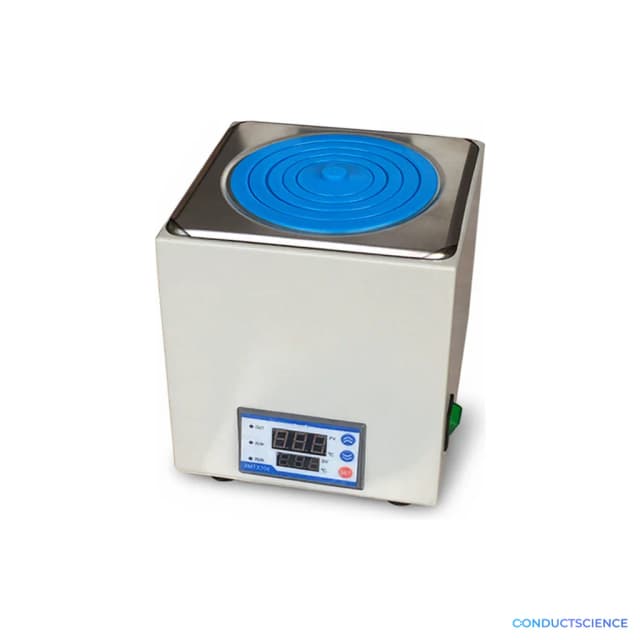
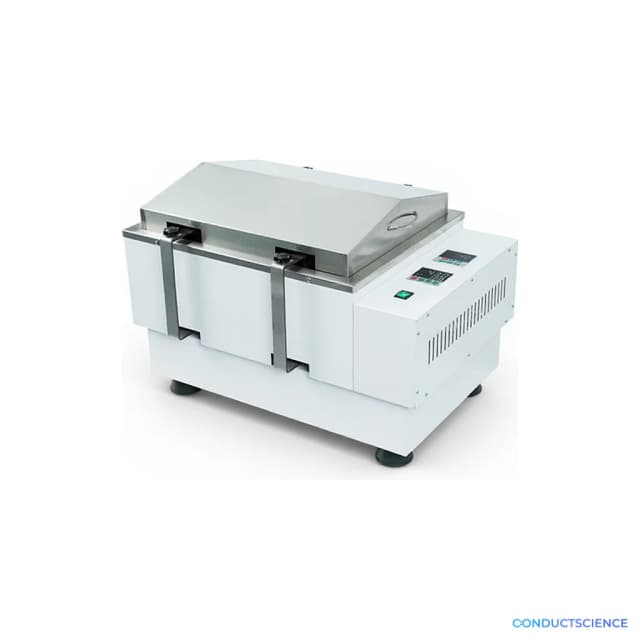
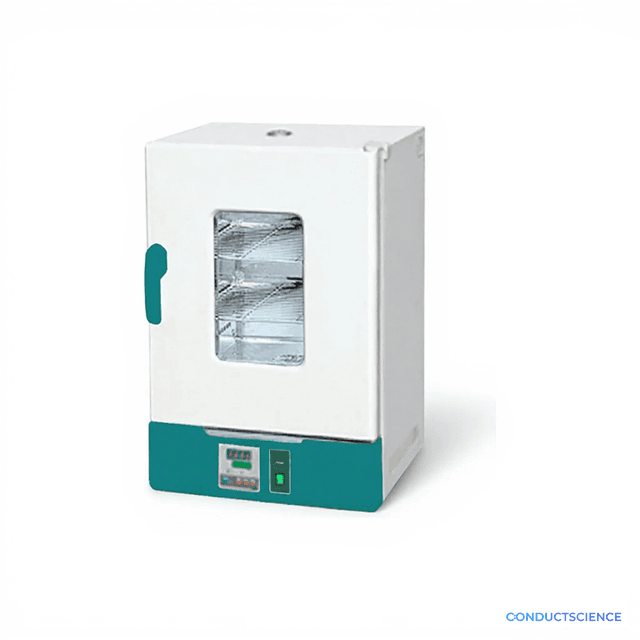
300l 400l Big Mould Incubator For Microbiology Laboratory
Large capacity laboratory incubator (160-304L) for extended microbiology cultivation and sample processing requiring controlled temperature environments.

Louise Corscadden, PhD
Director of Science · ConductScience
Ask Louise about 300l 400l Big Mould Incubator For Microbiology Laboratory fit, setup, configuration, or quote prep.
Already working with us? Sign in to connect this with My Scientist.
Key Specifications
Full details →- Model fit
- 15 selectable configurations
- SKU family
- BIO-0219
- Shipping box
- 33.46 x 17.72 x 16.54 cm
- Ordering
- Online checkout and quote request available
- Category
- Laboratory Incubators
- Build notes
- Confirm accessories, station layout, and support needs before purchase
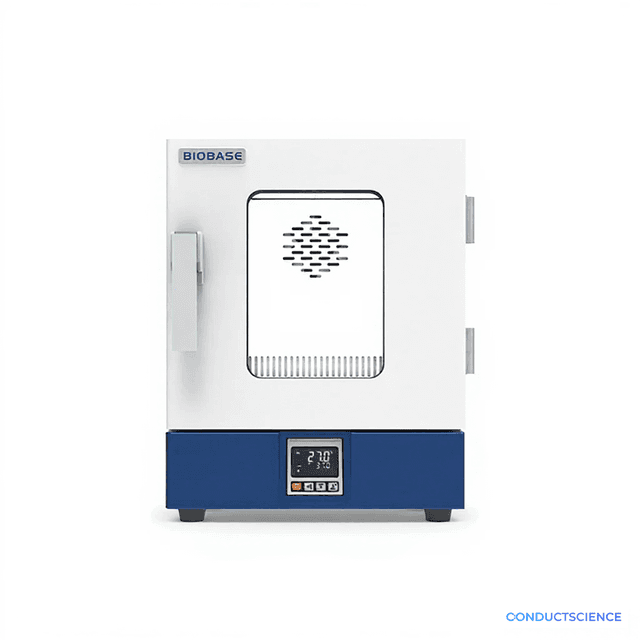
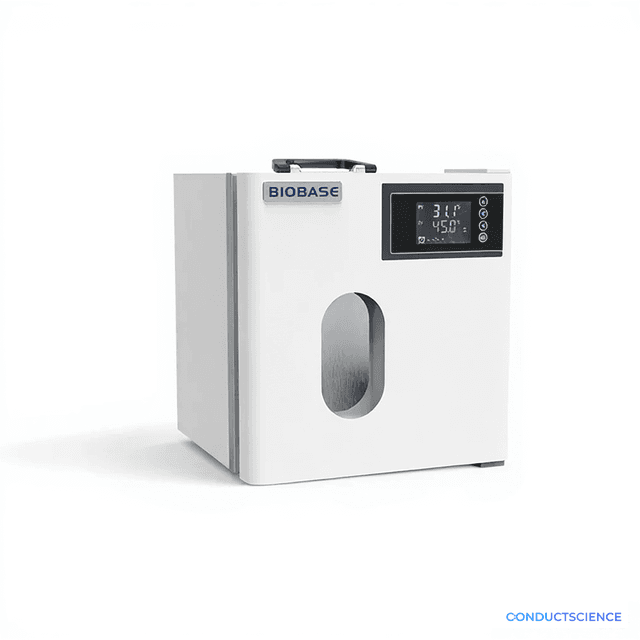
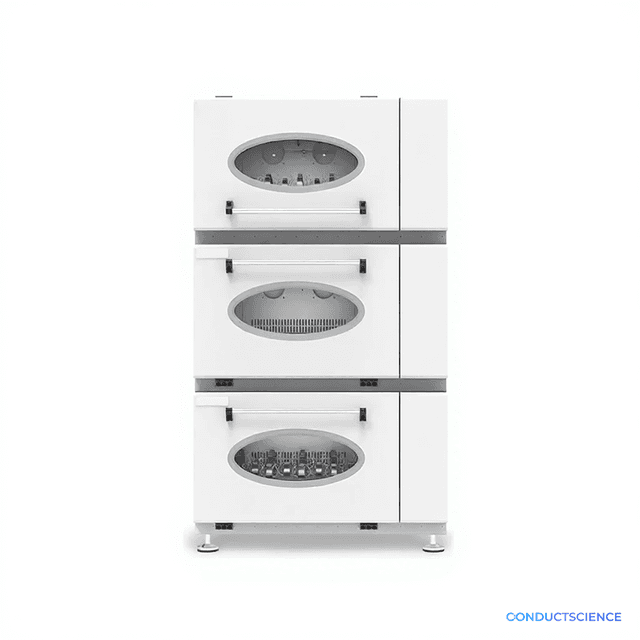
The 300-400L large capacity mould incubator provides controlled temperature environments for extended microbiology cultivation protocols requiring substantial sample volumes. This laboratory incubator accommodates multiple flask configurations and extended growth studies where traditional benchtop units lack sufficient capacity.
Available in multiple volume configurations from 160L to 304L, these units feature precise temperature control systems designed for consistent environmental conditions during prolonged incubation periods. The stainless steel construction and multi-shelf design support diverse sample arrangements while maintaining uniform temperature distribution throughout the chamber.
How It Works
The incubator operates through forced air circulation systems that maintain uniform temperature distribution throughout the chamber volume. Heating elements provide precise temperature control while internal fans ensure consistent airflow patterns that eliminate thermal gradients across multiple shelf levels.
Temperature regulation utilizes microprocessor-controlled systems that monitor chamber conditions and adjust heating output to maintain setpoint temperatures within specified tolerances. The insulated chamber construction minimizes thermal losses while the door sealing system prevents environmental contamination during extended operation periods.
Features & Benefits
Shipping weight
- 264.55 lb
Shipping box
- L: 33.46 cm
- W: 17.72 cm
- H: 16.54 cm
| Feature | This Product | Typical Alternative | Advantage |
|---|---|---|---|
| Chamber Volume Range | 160L to 304L capacity options | Benchtop models typically offer 20-80L capacity | Eliminates need for multiple smaller units in high-throughput laboratories |
| Power Consumption | 710W to 960W depending on model | Varies by capacity and heating system design | Power efficiency scaled appropriately for chamber volume and heating requirements |
| Construction Materials | Stainless steel interior construction | Some models use powder-coated steel interiors | Enhanced chemical resistance and cleaning efficiency for contamination prevention |
| Air Circulation | Forced air circulation system | Entry-level models may rely on natural convection | Improved temperature uniformity across multiple shelf levels |
These large capacity incubators provide substantial chamber volumes with forced air circulation for uniform temperature distribution. The multiple model configurations allow capacity matching to specific laboratory workflow requirements while maintaining consistent environmental control performance.
| Model | SKU | Listed price | Status | Shipping box |
|---|---|---|---|---|
| BJPX-M400III | BJPX-M400III | $4,390.00 | Available | 33.46 x 17.72 x 16.54 cm |
| BJPX-M400II | BJPX-M400II | $4,190.00 | Available | 33.46 x 17.72 x 16.54 cm |
| BJPX-M300III | BJPX-M300III | $3,990.00 | Available | 33.46 x 17.72 x 16.54 cm |
| BJPX-M300II | BJPX-M300II | $3,790.00 | Available | 33.46 x 17.72 x 16.54 cm |
| BJPX-M250III | BJPX-M250III | $3,690.00 | Available | 33.46 x 17.72 x 16.54 cm |
| BJPX-M250II | BJPX-M250II | $3,490.00 | Available | 33.46 x 17.72 x 16.54 cm |
| BJPX-M200III | BJPX-M200III | $3,390.00 | Available | 33.46 x 17.72 x 16.54 cm |
| BJPX-M200II | BJPX-M200II | $3,190.00 | Available | 33.46 x 17.72 x 16.54 cm |
| BJPX-M150III | BJPX-M150III | $3,190.00 | Available | 33.46 x 17.72 x 16.54 cm |
| BJPX-M150II | BJPX-M150II | $2,990.00 | Available | 33.46 x 17.72 x 16.54 cm |
| BJPX-M400 | BJPX-M400 | $3,690.00 | Available | 33.46 x 17.72 x 16.54 cm |
| BJPX-M300 | BJPX-M300 | $3,290.00 | Available | 33.46 x 17.72 x 16.54 cm |
| BJPX-M250 | BJPX-M250 | $2,990.00 | Available | 33.46 x 17.72 x 16.54 cm |
| BJPX-M200 | BJPX-M200 | $2,790.00 | Available | 33.46 x 17.72 x 16.54 cm |
| BJPX-M150 | BJPX-M150 | $2,590.00 | Available | 33.46 x 17.72 x 16.54 cm |
Practical Tips
Verify temperature uniformity across all shelf positions using multiple calibrated thermometers before initial use.
Why: Large chamber volumes can exhibit temperature gradients that affect sample consistency.
Clean air circulation fans and vents monthly to maintain uniform airflow patterns.
Why: Dust accumulation on circulation components reduces temperature uniformity performance.
Allow adequate spacing between containers for proper air circulation around all samples.
Why: Overcrowding creates thermal dead zones that compromise temperature control.
Verify door seal integrity regularly and replace gaskets showing wear or damage.
Why: Compromised seals allow temperature fluctuations and potential contamination entry.
Monitor temperature recovery time after door opening to establish baseline performance metrics.
Why: Extended recovery times may indicate circulation system issues or overloading.
Check shelf positioning and loading patterns if temperature uniformity issues develop.
Why: Improper shelf configuration can disrupt airflow patterns and create hot or cold spots.
Setup Guide
What’s in the Box
- Main incubator unit
- Adjustable shelf system (typical)
- Temperature control manual (typical)
- Power cord (typical)
- Installation hardware (typical)
- Calibration certificate (typical)
Warranty
ConductScience provides standard one-year manufacturer warranty covering parts and labor with technical support for installation and operation guidance.
Compliance
What temperature range and uniformity can be achieved across the chamber volume?
Consult product datasheet for specific temperature range specifications and uniformity tolerances. Temperature distribution should be verified across all shelf positions during installation.
How many samples can be accommodated simultaneously in each model size?
Sample capacity depends on container size and shelf configuration. The multi-shelf design allows flexible arrangement of flasks, plates, and other vessels based on protocol requirements.
What are the electrical requirements for different model configurations?
Power consumption ranges from 710W to 960W depending on chamber volume. Verify electrical supply capacity matches unit requirements before installation.
How is temperature monitoring and data logging handled?
Consult product datasheet for available monitoring options and data recording capabilities. Consider external data loggers for detailed temperature documentation.
What maintenance intervals are recommended for optimal performance?
Regular cleaning of interior surfaces and air circulation components is essential. Temperature calibration verification should be performed according to laboratory quality protocols.
Can the unit handle corrosive atmospheres from certain culture media?
Stainless steel construction provides chemical resistance for most laboratory applications. Evaluate compatibility with specific chemical exposures before use.
Have a question about this product?
Have a question? Just ask.
Send it over and we'll email you a personalized answer — no call, no scheduling.
Prefer to talk it through?
Accessories
Enhance your setup with compatible accessories