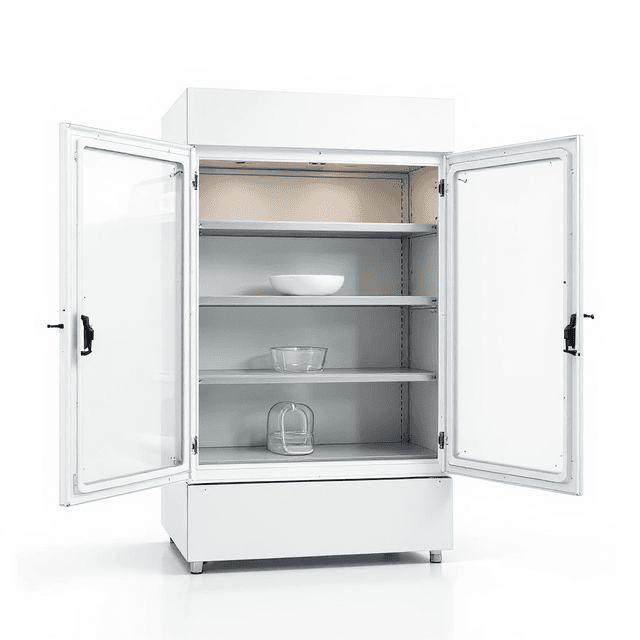
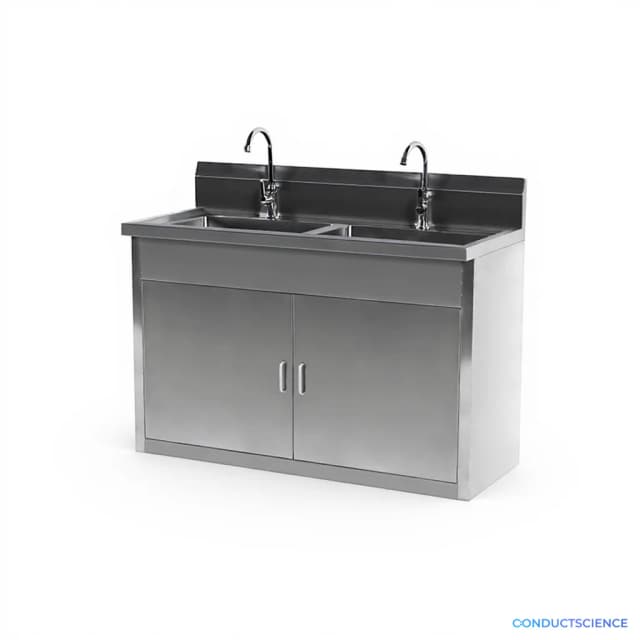
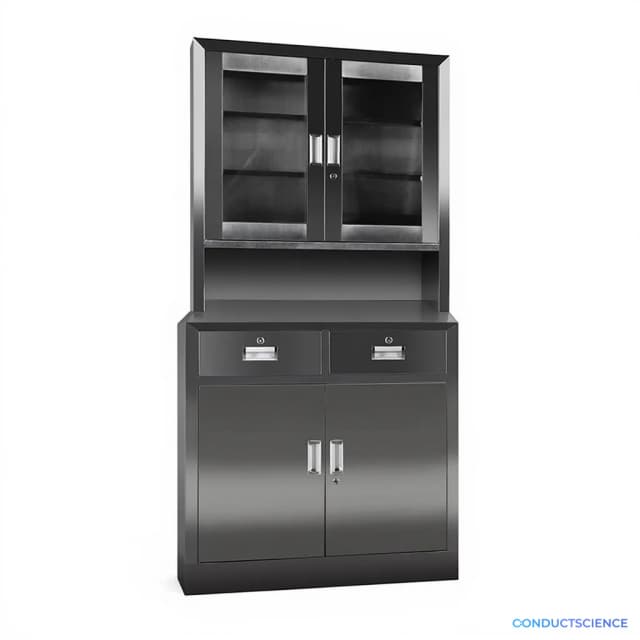
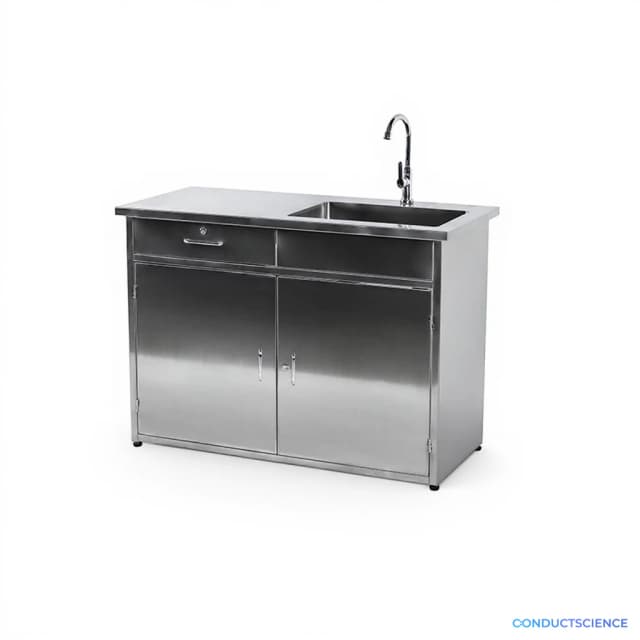
All-steel Wall Bench
Wall-mounted steel laboratory bench with chemical-resistant coating and physicochemical board work surface for space-efficient lab storage and operations.

Louise Corscadden, PhD
Director of Science · ConductScience
Ask Louise about All-steel Wall Bench fit, setup, configuration, or quote prep.
Already working with us? Sign in to connect this with My Scientist.
Key Specifications
Full details →- Model fit
- Configured during quote
- SKU family
- BIO-0760
- Shipping box
- 42.0 x 43.6 x 38.0 cm
- Ordering
- Online checkout and quote request available
- Category
- Storage & Furniture
- Build notes
- 1.0mm thick steel plate, surface epoxy resin powder electrostatic spraying
The All-steel Wall Bench provides robust, space-efficient laboratory storage and work surface designed for demanding research environments. Constructed with 1.0mm thick steel plate and corrosion-resistant epoxy resin powder coating, this wall-mounted bench offers reliable chemical resistance for laboratories handling acids, bases, and corrosive materials.
The bench features a 12.7mm thick solid core physicochemical board countertop that provides a stable work surface resistant to chemical exposure. Three silent slide rails ensure smooth operation of storage compartments, while adjustable nylon feet allow for precise leveling. The aluminum alloy handles and choice of hinge configurations (110-degree, 175-degree, or damping options) provide ergonomic access to storage areas while maintaining structural integrity in high-use laboratory settings.
How It Works
The wall-mounted design maximizes laboratory floor space utilization by providing vertical storage and work surface integration. The steel construction with epoxy resin powder electrostatic spraying creates a chemically inert barrier that resists corrosion from acids, bases, and organic solvents commonly used in laboratory applications.
The physicochemical board countertop combines durability with chemical resistance, utilizing a solid core construction that maintains dimensional stability under varying temperature and humidity conditions. Silent slide rails incorporate precision bearings that distribute load evenly while minimizing operational noise, essential for sensitive analytical procedures requiring vibration control.
The adjustable nylon feet compensate for wall irregularities and floor variations, ensuring proper alignment and stability. Multiple hinge configurations accommodate different access requirements, with damping options providing controlled closure to prevent impact damage to stored materials or instruments.
Features & Benefits
Type
- Outer cover door, inline handle
Outer cover door, split handle
- Built-in door, inline handle
Cabinet Material
- 1.0mm thick steel plate, surface epoxy resin powder electrostatic spraying
Countertop
- 12.7mm thick solid core physicochemical board
Slide Rail
- Three silent slide rails
Hinge
- Normal 110-degree, 175-degree or damping hinge
Handle
- Aluminum alloy handle
Feet
- 12mm large nylon adjustable feet
Other features
- Corrosion resistance, acid and alkali resistance
Brand
- ConductScience
Research Domain
- Analytical Chemistry
- Environmental Monitoring
- Industrial Hygiene
- Materials Science
- Microbiology
- Pharmaceutical QC
Shipping weight
- 29.98 lb
Shipping box
- L: 42.0 cm
- W: 43.6 cm
- H: 38.0 cm
| Feature | This Product | Typical Alternative | Advantage |
|---|---|---|---|
| Construction Material | 1.0mm thick steel plate with epoxy coating | Composite materials or thinner gauge steel | Provides superior structural integrity and chemical resistance for demanding laboratory applications. |
| Countertop Specification | 12.7mm solid core physicochemical board | Thinner laminated surfaces or standard lab bench tops | Offers enhanced chemical resistance and dimensional stability for precision analytical work. |
| Slide Rail System | Three silent slide rails per drawer | Standard two-rail systems or basic drawer slides | Provides smoother operation and better load distribution while minimizing operational noise. |
| Mounting Configuration | Wall-mounted with adjustable feet | Floor-standing designs | Maximizes laboratory floor space while maintaining stability and accessibility. |
| Hinge Options | 110-degree, 175-degree, or damping configurations | Standard 90-degree hinges | Accommodates various laboratory layouts and provides controlled closure for impact protection. |
| Handle Material | Aluminum alloy construction | Plastic or basic metal handles | Delivers superior corrosion resistance and durability in chemical laboratory environments. |
The bench combines robust steel construction with space-efficient wall mounting and chemical-resistant surfaces. The physicochemical board countertop and multi-rail drawer system provide enhanced durability and functionality compared to standard laboratory storage solutions.
Practical Tips
Position bench height to align with standard laboratory work surface elevation for ergonomic operation and equipment compatibility.
Why: Proper height alignment reduces operator fatigue and facilitates equipment placement.
Clean slide rails periodically with appropriate solvent to remove accumulated residue that may affect smooth operation.
Why: Regular maintenance prevents binding and ensures consistent drawer function over time.
Verify wall mounting hardware appropriateness for wall construction type and distributed load requirements.
Why: Proper mounting prevents structural failure under loaded conditions and ensures operator safety.
Organize stored materials by weight distribution to maintain proper balance and prevent excessive loading on individual storage areas.
Why: Balanced loading prevents stress concentration and extends bench service life.
If doors do not close properly, check for proper bench leveling using adjustable nylon feet and verify hinge alignment.
Why: Proper alignment ensures reliable closure and prevents wear on hinge mechanisms.
Allow bench to reach thermal equilibrium before placing precision instruments on the countertop surface.
Why: Thermal stability prevents measurement drift in temperature-sensitive analytical procedures.
Inspect epoxy coating regularly for chips or wear that could compromise chemical resistance in exposed areas.
Why: Early detection of coating damage allows for protective maintenance before corrosion occurs.
Setup Guide
What’s in the Box
- All-steel wall bench assembly (typical)
- Aluminum alloy handles (typical)
- Mounting hardware kit (typical)
- Installation instructions (typical)
- Adjustable nylon feet (typical)
Warranty
ConductScience provides standard one-year manufacturer warranty covering materials and workmanship defects. Technical support includes installation guidance and maintenance recommendations for laboratory environments.
Compliance
What chemical resistance properties does the coating provide?
The epoxy resin powder electrostatic coating provides resistance to acids, bases, and common organic solvents. Consult product datasheet for specific chemical compatibility data and concentration limits.
How much weight can the bench support when wall-mounted?
Load capacity depends on wall construction and mounting hardware used. Consult product datasheet for maximum load specifications and ensure wall structure can support distributed and point loads.
What maintenance is required for the slide rails?
The three silent slide rails are designed for long-term operation with minimal maintenance. Periodic cleaning and light lubrication may be needed depending on laboratory environment and usage frequency.
Can the bench accommodate standard laboratory equipment?
The 12.7mm physicochemical board countertop provides stable mounting for typical analytical instruments. Verify specific equipment weight and vibration requirements against bench specifications.
How does the wall mounting affect laboratory airflow patterns?
Wall-mounted design minimizes floor obstruction and can improve laboratory ventilation effectiveness. Consider positioning relative to fume hoods and air supply/exhaust locations during installation planning.
What cleaning protocols are recommended for the surfaces?
The chemical-resistant surfaces accommodate standard laboratory cleaning protocols. Use appropriate detergents and disinfectants compatible with epoxy coating and physicochemical board materials.
Have a question about this product?
Have a question? Just ask.
Send it over and we'll email you a personalized answer — no call, no scheduling.
Prefer to talk it through?