Animal Identification Ear Tags and Forceps
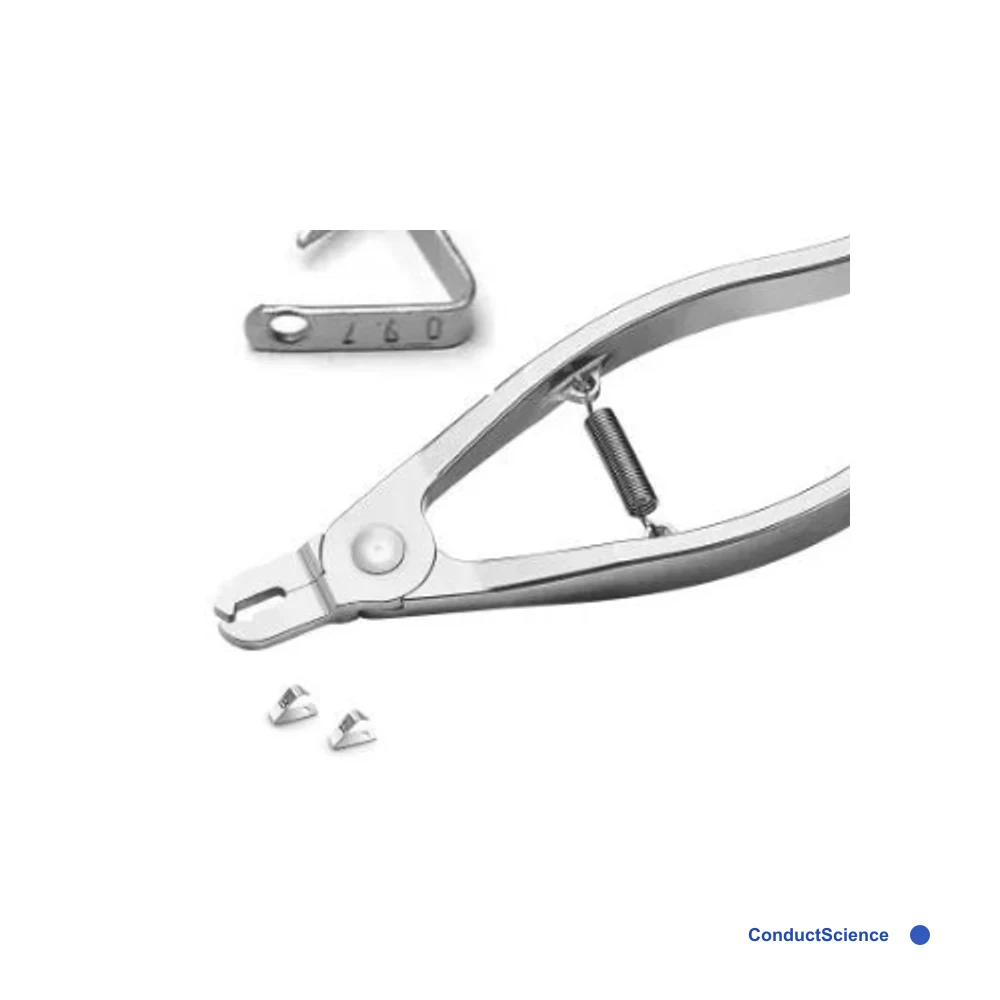
Selectable mouse and rat animal identification family with 13 cm ear tag forceps, new-pattern 13 cm ear tag forceps, and numbered ear tag ranges from 1-100, 1-500, or 1-1000, using corrosion-resistant 304 stainless steel and two-sided laser-marked tags for colony ID workflows.

Louise Corscadden, PhD
Director of Science · ConductScience
Ask Louise about Animal Identification Ear Tags and Forceps fit, setup, configuration, or quote prep.
Already working with us? Sign in to connect this with My Scientist.
Key Specifications
Full details →- Model fit
- Mouse and rat animal-identification workflows
- SKU family
- CS-HUSB-ANIMAL-ID-EAR-TAGS-FORCEPS
- Sizing
- Model-specific dimensions confirmed from the selected configuration
- Ordering
- Online checkout and quote request available
- Category
- Husbandry Accessories
- Build notes
- 304 stainless steel with two-sided laser-marked tags
Overview
The Animal Identification Ear Tags and Forceps page gives vivarium, husbandry, and research teams one selectable family for mouse and rat identification workflows. The family includes two 13 cm forceps configurations and numbered ear tag ranges for 1-100, 1-500, and 1-1000 animal ID planning.
The construction uses 304 stainless steel with corrosion resistance, high-pressure steam sterilization planning, and two-sided laser marking on the ear tags. That makes the buying decision forceps pattern and numbered range rather than a generic surgical tool choice.
Scientific Use
Use this family when a facility needs durable animal identification for mouse or rat colonies, study cohorts, cage-card reconciliation, breeding records, or cross-room husbandry workflows. The numbered ranges let teams match purchasing to colony scale, while the forceps options support the tagging station around the selected tag format.
Pair the selected configuration with the restraint, handling, anesthesia, warming, magnification, and recordkeeping systems used by the facility. RFID scanners, restrainers, and behavior systems remain separate pages because they solve adjacent identification, positioning, and monitoring needs.
Buying Fit
Choose this page when the lab needs manual numbered ear tags, compatible forceps, or replacement animal ID stock. Choose RFID or automated home-cage systems when the workflow requires electronic identification or continuous behavioral monitoring.
Features & Benefits
Animal fit
- Mouse and rat animal-identification workflows
Tag ranges
- Numbered 1-100, 1-500, or 1-1000
Forceps options
- 13 cm ear tag forceps and new-pattern 13 cm ear tag forceps
Material
- 304 stainless steel with two-sided laser-marked tags
Use fit
- Colony identification, cage record reconciliation, and animal ID station replenishment
| Model | SKU | Listed price | Status | Shipping box |
|---|---|---|---|---|
| Ear tag forceps, 13 cm | CS-HUSB-EAR-TAG-FORCEPS-130 | $56.99 | Available | Confirmed during quote |
| New-pattern ear tag forceps, 13 cm | CS-HUSB-EAR-TAG-FORCEPS-NEW-130 | $56.99 | Available | Confirmed during quote |
| Ear tags, numbered 1-100 | CS-HUSB-EAR-TAGS-1-100 | $60.99 | Available | Confirmed during quote |
| Ear tags, numbered 1-500 | CS-HUSB-EAR-TAGS-1-500 | $117.99 | Available | Confirmed during quote |
| Ear tags, numbered 1-1000 | CS-HUSB-EAR-TAGS-1-1000 | $225.99 | Available | Confirmed during quote |
Practical Tips
Choose forceps for station setup or a numbered tag range for stock replenishment.
Why: The family includes both application tools and numbered animal ID consumables.
Match the 1-100, 1-500, or 1-1000 range to cage count, cohort size, and facility naming rules.
Why: Ordering the right range prevents duplicate numbers inside a colony or study cohort.
Review manual ear tags against RFID, cage cards, and digital animal-record systems before standardizing.
Why: Manual visible tags and electronic IDs can support different levels of tracking and automation.
Setup Guide
What’s in the Box
- 1 x selected ear tag forceps or numbered ear tag configuration
- Configuration selected by 13 cm forceps pattern or numbered ear tag range: 1-100, 1-500, or 1-1000
Warranty
Support, replacement, and fulfillment terms are confirmed with the final quote and institutional purchasing requirements.
Compliance
Which configurations are available?
The page includes ear tag forceps, new-pattern ear tag forceps, and numbered ear tag ranges for 1-100, 1-500, and 1-1000.
Are the tags marked on both sides?
Yes. The ear tags are laser marked on both sides to support observation and animal identification checks.
What material is used?
The product family uses 304 stainless steel material, with corrosion resistance and high-pressure steam sterilization planning noted for the source family.
How should I choose the numbered range?
Choose 1-100 for smaller cohorts, 1-500 for larger colony blocks, and 1-1000 when the facility wants a broader manual numbering sequence.
How is this different from RFID animal identification?
This page supports visible manual ear tag identification. RFID scanners and tags support electronic identification and should be reviewed when automated reading or digital tracking is required.
Have a question about this product?
Have a question? Just ask.
Send it over and we'll email you a personalized answer — no call, no scheduling.
Prefer to talk it through?
Accessories
Enhance your setup with compatible accessories

Frequently Bought Together
Upgrade Options