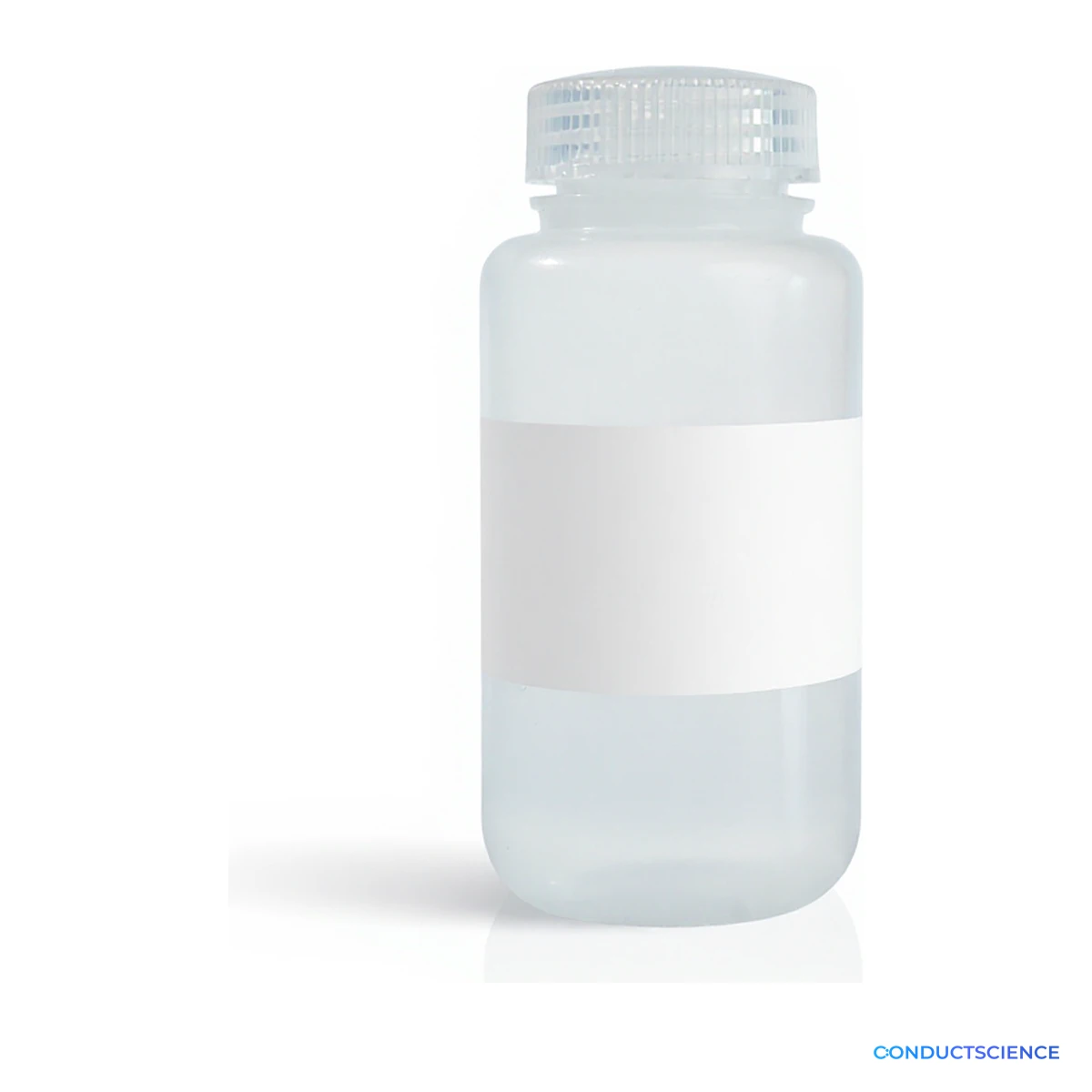
Antigen Retrieval Buffer, Citrate or Tris-EDTA
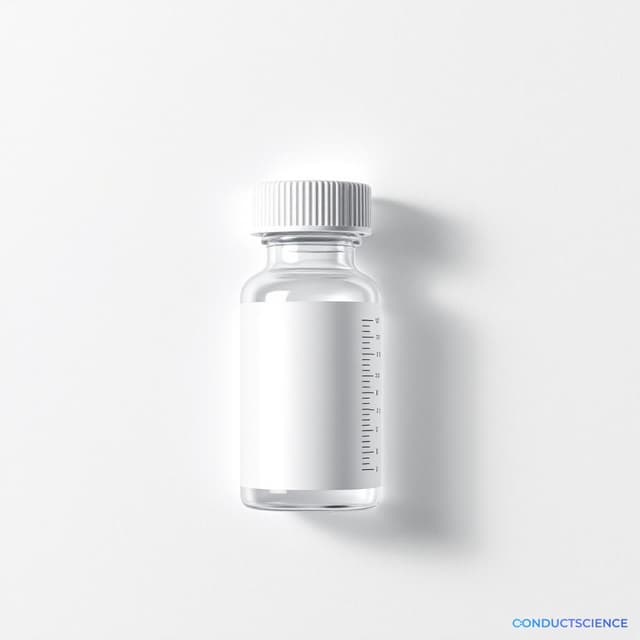
Heat-induced antigen retrieval buffers for IHC and IF in three chemistries, citrate pH 6.0, Tris-EDTA pH 8.0, and Tris-EDTA pH 9.0, each as a 250 mL 20× concentrate that makes 5 L of working buffer or as a 1 L ready-to-use bottle.

Louise Corscadden, PhD
Director of Science · ConductScience
Ask Louise about Antigen Retrieval Buffer, Citrate or Tris-EDTA fit, setup, configuration, or quote prep.
Already working with us? Sign in to connect this with My Scientist.
Key Specifications
Full details →- Working Strength
- Citrate 10 mM, Tris-EDTA 1 mM EDTA
- Concentrate Yield
- 250 mL makes 5 L of working buffer
- Application
- Heat-induced epitope retrieval for IHC and IF
- Storage
- Room temperature
- Shelf Life
- 12 months
- Intended Use
- For research use only
Formalin and paraformaldehyde fixation cross-link proteins and mask epitopes, which weakens IHC and immunofluorescence staining or causes false negatives. Heating sections in a retrieval buffer reverses those cross-links and restores the epitopes. The buffer's chemistry and pH decide how strong that retrieval is.
Citrate pH 6.0 (10 mM citric acid and sodium citrate at working strength) is the gentlest. It is recommended for tissues with high background, such as brain, spinal cord, and liver, and for membrane and cytoplasmic proteins.
Tris-EDTA pH 8.0 and pH 9.0 (1 mM EDTA at working strength) retrieve more strongly than citrate. They are recommended for tissues with low background, such as heart, spleen, and intestine, and for nuclear antigens. For both monoclonal and polyclonal primary antibodies, retrieval strength runs Tris-EDTA pH 9.0, then Tris-EDTA pH 8.0, then citrate.
Each buffer comes two ways. The 20× concentrate in a 250 mL bottle mixes 10 mL with 190 mL of distilled water for 200 mL of working buffer, so one bottle makes 5 L. The 1 L ready-to-use bottle pours straight into the retrieval chamber.
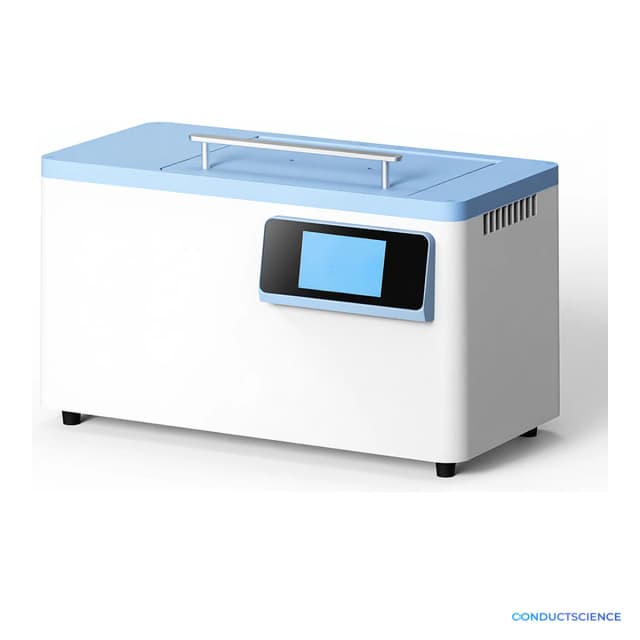
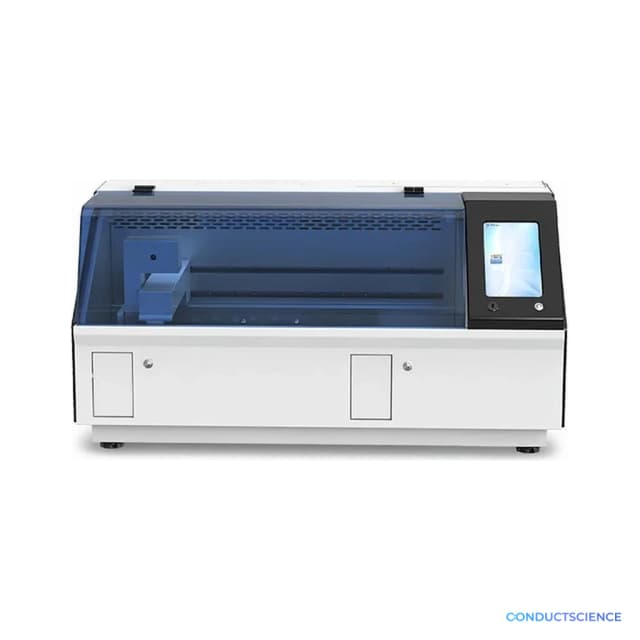
Use them with the ConductScience heat-induced antigen retrieval system, which heats pH 6 to 9 buffers directly for up to 96 slides, or with the heating method your protocol specifies. The buffers store and ship at room temperature and keep for 12 months. Use diluted buffer the same day or store it briefly at 4 °C, and discard any buffer that turns yellow or cloudy.
How It Works
Aldehyde fixatives form cross-links between proteins that hide antigenic sites. Heating a section in retrieval buffer breaks those cross-links and lets the protein relax back toward its native shape, so the antibody can bind again.
pH and chelation change how much gets unmasked. Citrate at pH 6.0 retrieves gently; Tris-EDTA at pH 8.0 or 9.0 chelates calcium and retrieves more strongly, which suits nuclear antigens and low-background tissue.
Features & Benefits
Working Strength
- Citrate 10 mM
- Tris-EDTA 1 mM EDTA
Concentrate Yield
- 250 mL makes 5 L of working buffer
Application
- Heat-induced epitope retrieval for IHC and IF
Storage
- Room temperature
Shelf Life
- 12 months
Intended Use
- For research use only
Brand
- ConductScience
Research Domain
- Cancer Research
- Histopathology
- Immunology
- Neuroscience
| Model | SKU | Listed price | Status | Shipping box |
|---|---|---|---|---|
| Tris-EDTA, pH 9.0 | CS-BIO-00022 | $34.99 | Available | Confirmed during quote |
| Tris-EDTA, pH 9.0 | CS-BIO-00021 | $39.99 | Available | Confirmed during quote |
| Tris-EDTA, pH 8.0 | CS-BIO-00020 | $34.99 | Available | Confirmed during quote |
| Tris-EDTA, pH 8.0 | CS-BIO-00019 | $37.99 | Available | Confirmed during quote |
| Citrate, pH 6.0 | CS-BIO-00018 | $26.99 | Available | Confirmed during quote |
| Citrate, pH 6.0 | CS-BIO-00017 | $27.99 | Available | Confirmed during quote |
Practical Tips
Mix 10 mL of 20× concentrate with 190 mL of distilled water.
Why: That gives 200 mL of working buffer at the right strength and pH.
Use diluted buffer the same day, or store it briefly at 4 °C.
Why: Working buffer is not meant for long storage.
Discard buffer that turns yellow or cloudy or shows flocculent material.
Why: It should be clear; changes mean it has degraded.
Start with citrate for high-background tissue and Tris-EDTA pH 9.0 for nuclear antigens, then validate for each antibody.
Why: The best buffer depends on the antigen and tissue.
Setup Guide
What’s in the Box
- One bottle of the buffer and format you select: 250 mL of 20× concentrate or 1 L ready to use
Which buffer should I start with?
Citrate pH 6.0 for tissues with high background, such as brain, spinal cord, and liver, and for membrane or cytoplasmic proteins. Tris-EDTA pH 8.0 or 9.0 for tissues with low background, such as heart, spleen, and intestine, and for nuclear antigens. Validate the choice for each antibody.
Which buffer retrieves most strongly?
Tris-EDTA pH 9.0, then Tris-EDTA pH 8.0, then citrate pH 6.0, for both monoclonal and polyclonal primary antibodies.
How do I dilute the 20× concentrate?
Mix 10 mL of concentrate with 190 mL of distilled water for 200 mL of working buffer. A 250 mL bottle makes 5 L.
Concentrate or ready to use?
The 20× concentrate is the economical choice for high throughput and saves storage space. The 1 L ready-to-use bottle skips mixing and pours straight into the chamber.
How should I store it?
At room temperature; unopened buffer keeps for 12 months. Use diluted buffer the same day or store it briefly at 4 °C, and discard buffer that turns yellow or cloudy.
Have a question about this product?
Have a question? Just ask.
Send it over and we'll email you a personalized answer — no call, no scheduling.
Prefer to talk it through?
Frequently Bought Together