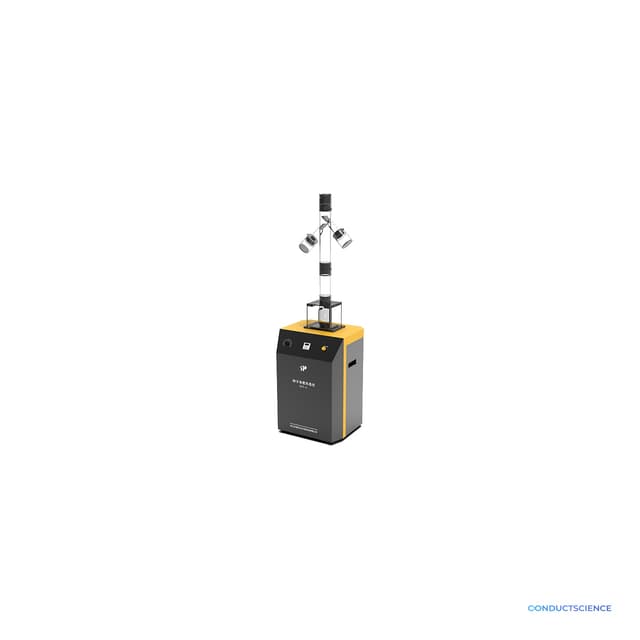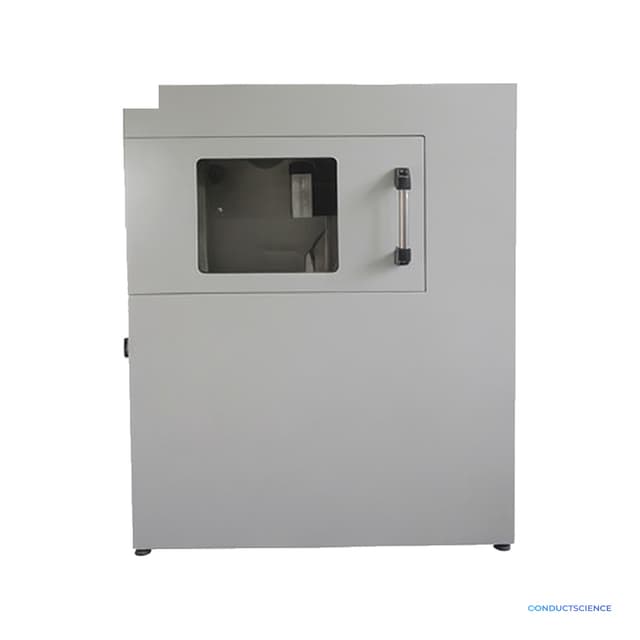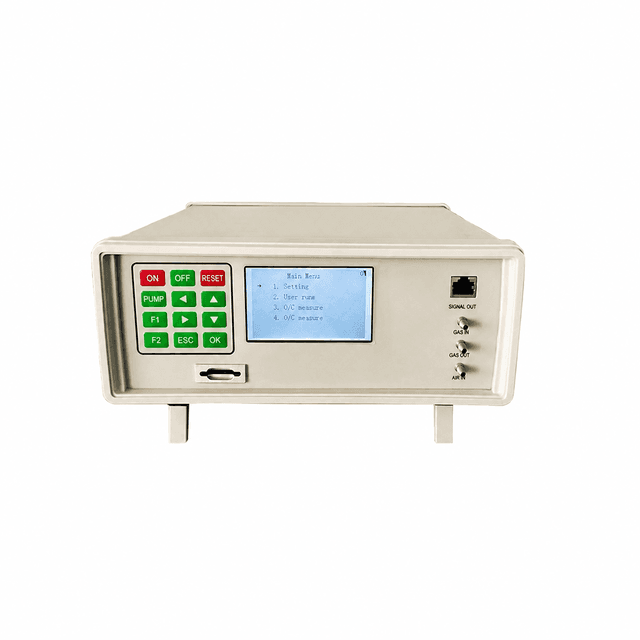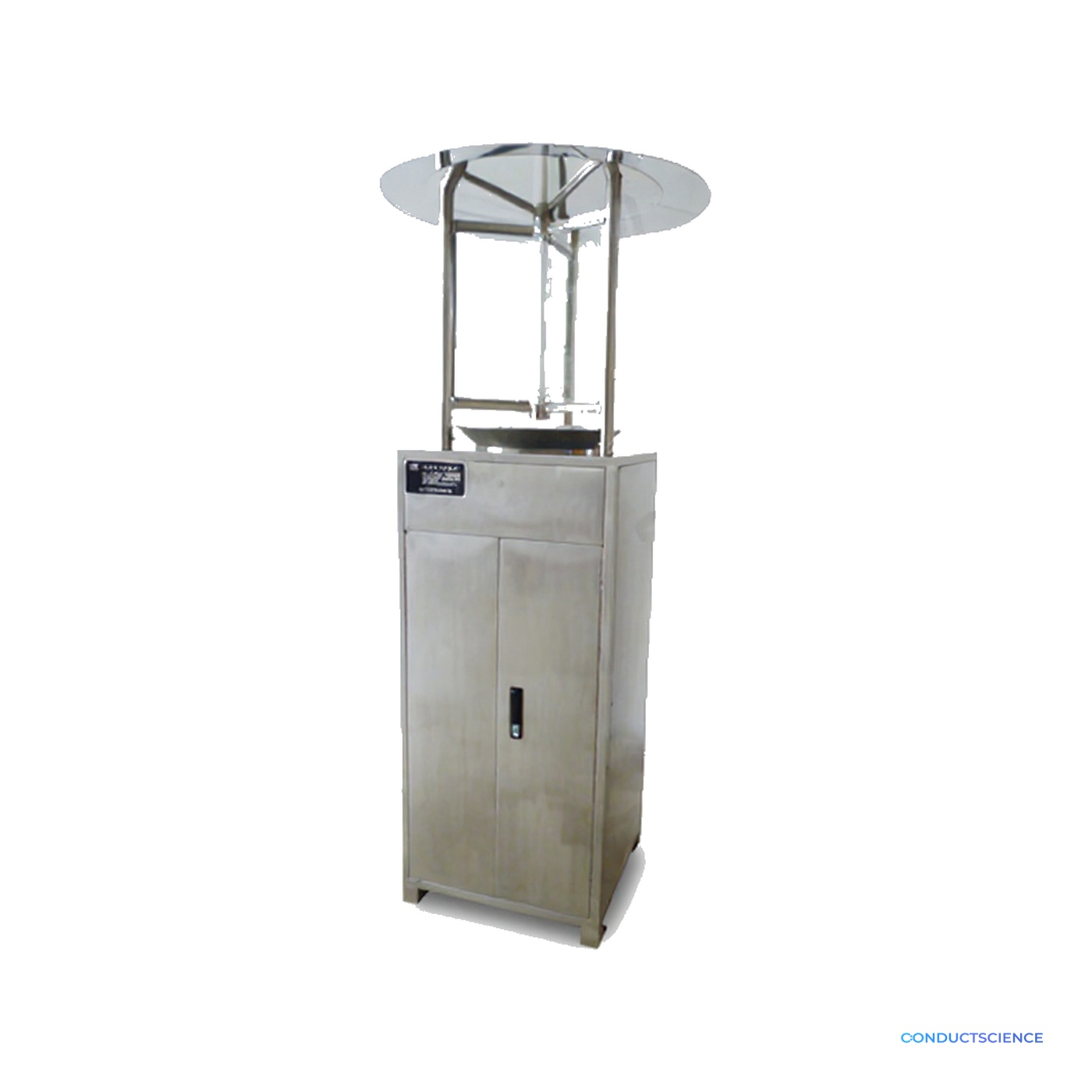
Automatic Pest Forecast Light Trap
UV light trap with GPRS data upload for real-time field pest monitoring.
AC or solar-powered models. 365 nm, ≥5-year lifespan. Request a quote.

Louise Corscadden, PhD
Director of Science · ConductScience
Ask Louise about Automatic Pest Forecast Light Trap fit, setup, configuration, or quote prep.
Already working with us? Sign in to connect this with My Scientist.
Key Specifications
Full details →- Model fit
- Configured during quote
- SKU family
- AGR-0038
- Sizing
- Model-specific dimensions confirmed from the selected configuration
- Ordering
- Quote-reviewed before fulfillment
- Category
- Agriculture & Food Science
- Build notes
- Confirm accessories, station layout, and support needs before purchase
The Automatic Pest Forecast Light Trap is a field-deployed monitoring instrument designed to attract, capture, and quantify pest insects in real time. It uses a 25W ultraviolet trapping tube with a dominant wavelength of 365 nm to lure insects, then automates collection and imaging so researchers and agronomists can track pest population dynamics without continuous manual sampling.
Capture data and environmental context are transmitted wirelessly via GPRS, feeding into online dashboards that visualize pest occurrence and support forecasting models. This connectivity makes the trap well suited for long-term, multi-site studies where timely data is essential for intervention decisions.
The trap serves a wide range of ecosystems and crop types—including row crops, orchards, vegetable plots, tea gardens, tobacco fields, medicinal herb cultivation, forestry stands, and urban green spaces—as well as quarantine and biosecurity monitoring programs. Its rugged design carries a rated service life of five or more years, supporting multi-season research programs.
Two power configurations are available: the TPCB-II-C4.0 operates on AC mains power (220 V ± 60 V), while the TPCB-III-C4.0 adds a 300 W solar panel with DC battery supply for deployment in locations without reliable grid access. Because field conditions, crop types, and connectivity requirements vary, this instrument is configured to your study protocol—contact us to request a quote and discuss the setup that fits your monitoring program.
Model Variants
- TPCB-II-C4.0 (AC power only); TPCB-III-C4.0 (solar + DC battery power)
AC Input Voltage (TPCB-II-C4.0)
- 220 V ± 60 V (AC)
DC Supply Voltage (TPCB-III-C4.0)
- 12 V (DC, via solar panels and batteries)
Solar Panel Output (TPCB-III-C4.0)
- 300 W
Light Source
- 25 W UV trapping tube with electronic ballast (instant start)
Dominant Wavelength
- 365 nm
Insulation Resistance
- ≥ 5 MΩ
Service Life
- ≥ 5 years
Data Transmission
- GPRS wireless upload to online monitoring platform
What is the difference between the TPCB-II-C4.0 and TPCB-III-C4.0 models?
The TPCB-II-C4.0 relies on AC mains power (220 V ± 60 V) and is best suited for sites with reliable grid access. The TPCB-III-C4.0 adds a 300 W solar panel paired with a DC battery system (12 V), making it suitable for remote or off-grid field locations where running power lines is impractical.
What wavelength does the light trap use, and why does it matter?
The trap uses a 25 W UV tube with a dominant wavelength of 365 nm. This falls in the near-ultraviolet range, which is strongly attractive to a broad spectrum of agricultural and forestry pest insects, maximizing capture efficiency across diverse species.
How is data from the trap accessed and shared?
Captured insect data is transmitted wirelessly via GPRS to an online monitoring platform, where it is displayed in real time. This allows researchers, agronomists, and quarantine officers to review pest population trends remotely without needing to visit each trap site for every observation.
What crop types and environments is this trap designed for?
The trap is designed for use across a wide range of settings, including field crops, orchards, vegetable plots, tea gardens, tobacco fields, medicinal herb plots, forestry, animal husbandry environments, urban green spaces, and quarantine monitoring zones.
How long is the trap expected to last under field conditions?
The instrument is rated for a service life of five years or more, supporting multi-season and long-term pest monitoring programs without frequent equipment replacement.
Have a question about this product?
Have a question? Just ask.
Send it over and we'll email you a personalized answer — no call, no scheduling.
Prefer to talk it through?
Frequently Bought Together