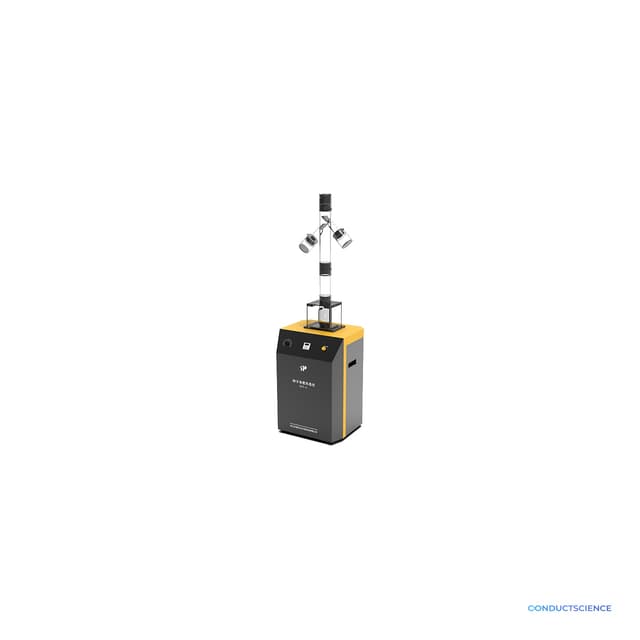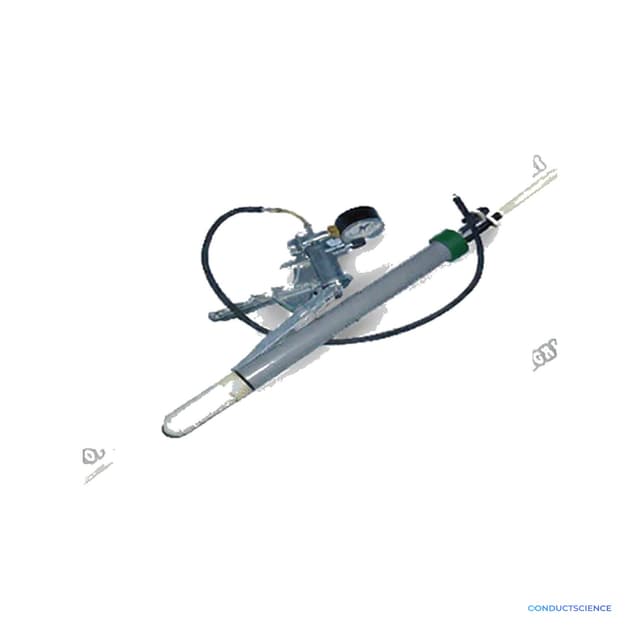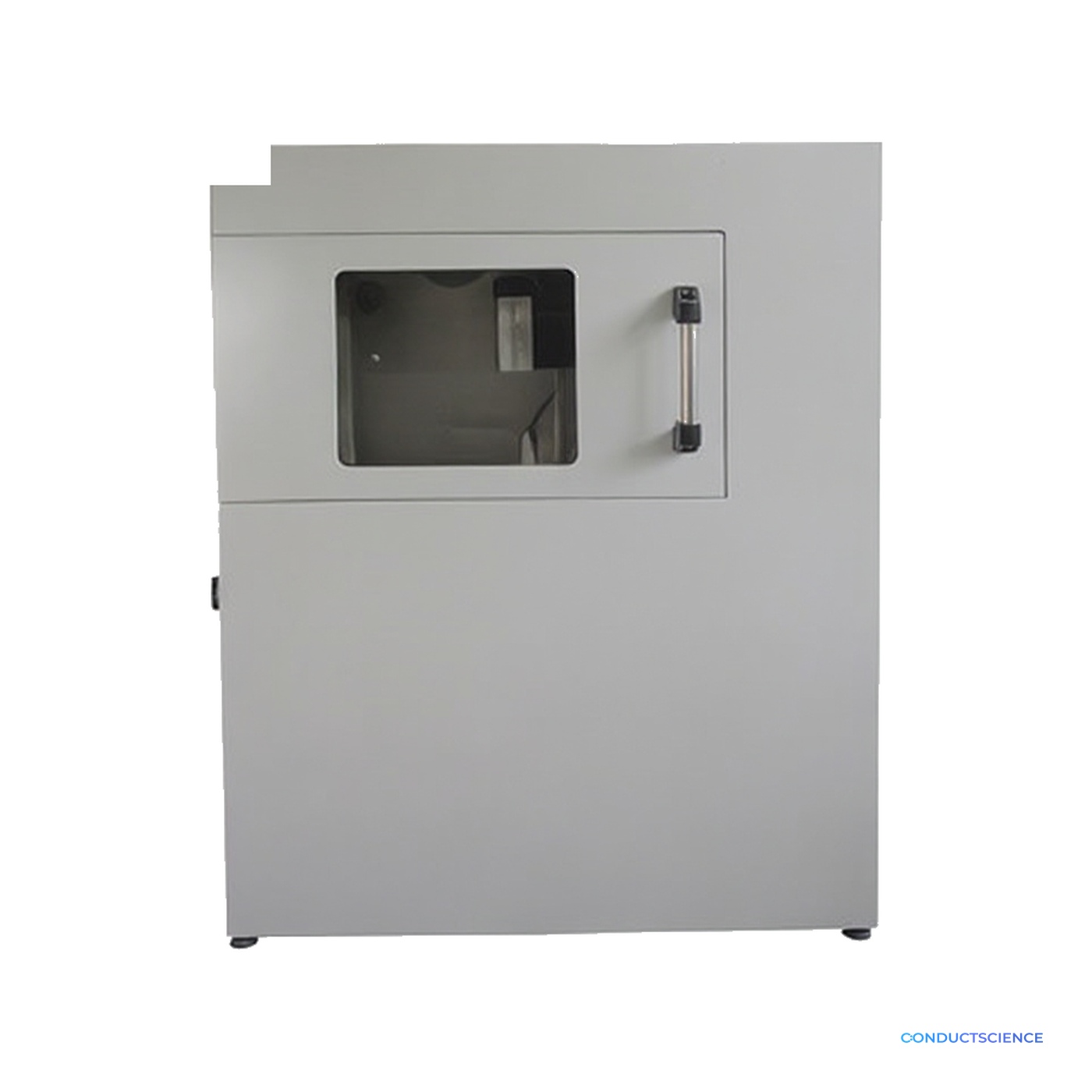
Seed X-Ray Machine
Non-destructive seed X-ray imaging at 56 lp/cm and 60–85 kV.
Visualize germ development, pest cavities, and internal morphology across corn, rice, pine, and more.

Louise Corscadden, PhD
Director of Science · ConductScience
Ask Louise about Seed X-Ray Machine fit, setup, configuration, or quote prep.
Already working with us? Sign in to connect this with My Scientist.
Key Specifications
Full details →- Model fit
- Configured during quote
- SKU family
- AGR-0011
- Sizing
- Model-specific dimensions confirmed from the selected configuration
- Ordering
- Quote-reviewed before fulfillment
- Category
- Agriculture & Food Science
- Build notes
- Confirm accessories, station layout, and support needs before purchase
The Seed X-ray Machine delivers non-destructive internal imaging of seeds, allowing researchers and quality-control specialists to visualize internal structure without cutting or processing the sample. Using adjustable tube voltage between 60 and 85 kV, the system penetrates a wide range of seed types — including corn, rice, cereal crops, pine, Chinese fir, chestnut, rapeseed, and more — producing high-contrast images that reveal what the naked eye cannot.
The key qualifiers researchers compare when evaluating seed X-ray systems are image resolution and contrast. This instrument resolves detail at 56 line pairs per centimeter with a 7% contrast sensitivity and a 7-grade grayscale, giving analysts the tonal range needed to differentiate internal structures clearly. Output screen brightness exceeds 7 cd/cm², and the onboard camera exceeds 1.5 million pixels, supporting reliable digital capture and archiving of every image.
Typical study applications include assessing germ development, measuring internal cavity size caused by pest damage, evaluating fill and morphology of individual kernels, and grading seed lots by internal quality before germination trials. The imaging field covers a diameter of 80 mm, accommodating multiple seeds per exposure, and maximum object spacing reaches 300 mm. Radiation leakage is rated below 5 mR/h, and the system ships with a radiation jacket for operator protection.
Because imaging requirements vary by crop type, seed size, and research protocol, this instrument is configured to your specific study needs. Contact our team to request a quote and discuss the setup that best fits your application.
Camera Resolution
- > 1.5 million pixels
Imaging Field Diameter
- Φ 80 mm
Spatial Resolution
- 56 lp/cm
Output Screen Brightness
- > 7 cd/cm²
Maximum Object Spacing
- 300 mm
Tube Voltage
- 60–85 kV
Tube Current
- 0.4–2 mA
Contrast Sensitivity
- 7%
Grayscale
- 7 grades
Radiation Leakage
- < 5 mR/h
Host Unit Weight
- 5 kg
Standard Package Contents
- Mainframe, carrying suitcase, data line, image acquisition box, radiation jacket
What seed types can this X-ray machine image?
The system is designed to penetrate and image a broad range of seeds, including corn, rice, cereal straw, Chinese fir, pine, chestnut, and rapeseed, among others. The adjustable tube voltage (60–85 kV) allows the power to be tuned to the density and thickness of different seed types.
What internal seed features can be detected?
The system can reveal internal germ development, seed morphology and size, and structural anomalies such as pest-caused cavity damage. The 7-grade grayscale and 7% contrast sensitivity provide the tonal differentiation needed to distinguish these internal features.
How large is the imaging field, and how many seeds can be imaged at once?
The imaging field has a circular diameter of 80 mm (Φ80 mm), which accommodates multiple seeds in a single exposure depending on seed size. The maximum object spacing supported is 300 mm.
What is included with the system?
The standard package includes one mainframe unit, a carrying suitcase, a data line, an image acquisition box, and a radiation jacket for operator protection. The host unit weighs 5 kg.
How is the system configured for my lab, and how do I get pricing?
Configuration is tailored to your crop types, imaging resolution requirements, and study protocol. Because setups vary, pricing is provided through a quote. Use the request-a-quote form or contact our team directly to outline your application and receive a configured recommendation.
Have a question about this product?
Have a question? Just ask.
Send it over and we'll email you a personalized answer — no call, no scheduling.
Prefer to talk it through?
Frequently Bought Together