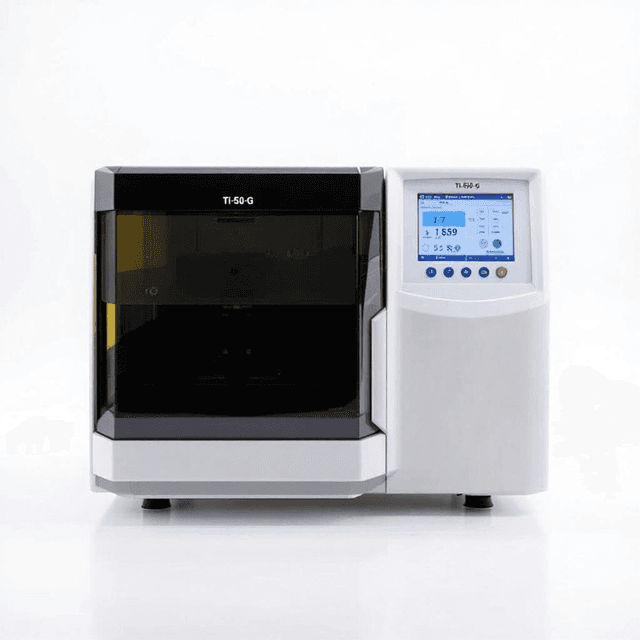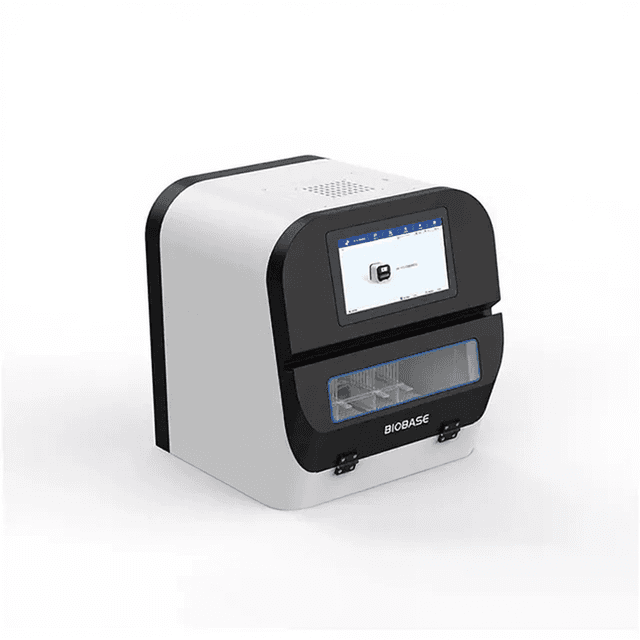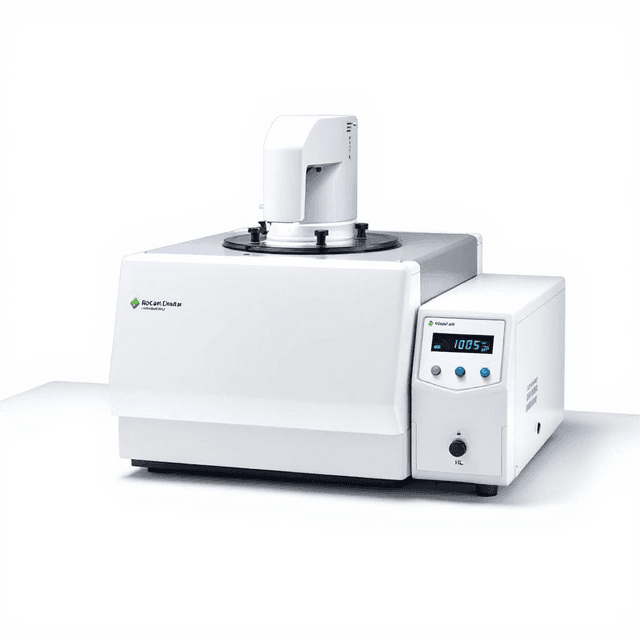
Automatic Titrator
Precision automatic titrator with 0.001ml accuracy supporting acid-base, redox, precipitation, and complexation titrations with PC control and 8-channel expandability.

Louise Corscadden, PhD
Director of Science · ConductScience
Ask Louise about Automatic Titrator fit, setup, configuration, or quote prep.
Already working with us? Sign in to connect this with My Scientist.
Key Specifications
Full details →- Model fit
- Configured during quote
- SKU family
- BIO-0929
- Shipping box
- 42.0 x 43.6 x 38.0 cm
- Ordering
- Online checkout and quote request available
- Category
- Benchtop Instruments
- Build notes
- Confirm accessories, station layout, and support needs before purchase
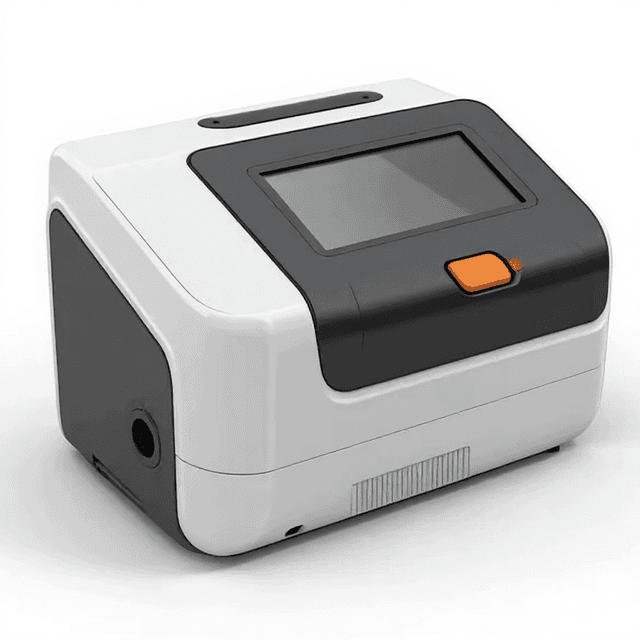
Automatic Titrator BK-PT960
The BK-PT960 Automatic Titrator is a precision instrument designed for accurate and repeatable titration analysis.
Key Features
- Automatic titration with precise volume control
- Digital display and data management
- Multiple titrant and analyte options
- User-friendly interface
- High accuracy and repeatability
Specifications
For detailed specifications and applications, please contact our sales team or request technical documentation.
How It Works
Automatic titration operates through controlled addition of titrant solution to an analyte sample while continuously monitoring the system response through potentiometric, conductometric, or photometric detection methods. The instrument's precision burette system delivers measured volumes of titrant with 1/1500,000 resolution while integrated sensors track changes in electrical potential, conductivity, or optical properties to identify the equivalence point where stoichiometric neutralization occurs.
The system's built-in liquid filling unit maintains consistent titrant delivery across the 8-channel architecture, while temperature compensation algorithms account for thermal effects on reaction kinetics and electrode response. Automated endpoint detection algorithms analyze derivative curves and inflection points to determine precise equivalence volumes, calculating analyte concentrations based on titrant molarity and stoichiometric relationships.
PC-based control software manages titration parameters, data acquisition, and result calculations while providing real-time monitoring of titration curves and system status. The instrument's self-checking function validates burette accuracy, electrode response, and temperature calibration before each analytical sequence to ensure measurement reliability.
Features & Benefits
Shipping weight
- 31.0 lb
Shipping box
- L: 42.0 cm
- W: 43.6 cm
- H: 38.0 cm
| Feature | This Product | Typical Alternative | Advantage |
|---|---|---|---|
| Volume Accuracy | 0.001ml precision with 1/1500,000 burette resolution | Entry-level models typically offer 0.01-0.1ml accuracy with lower resolution | Higher precision enables accurate determination of low-concentration analytes and supports stringent analytical method requirements. |
| Titration Mode Versatility | Supports acid-base, redox, precipitation, complexation, and non-aqueous titrations | Basic models often limited to acid-base titrations only | Comprehensive mode support eliminates the need for multiple specialized instruments in analytical laboratories. |
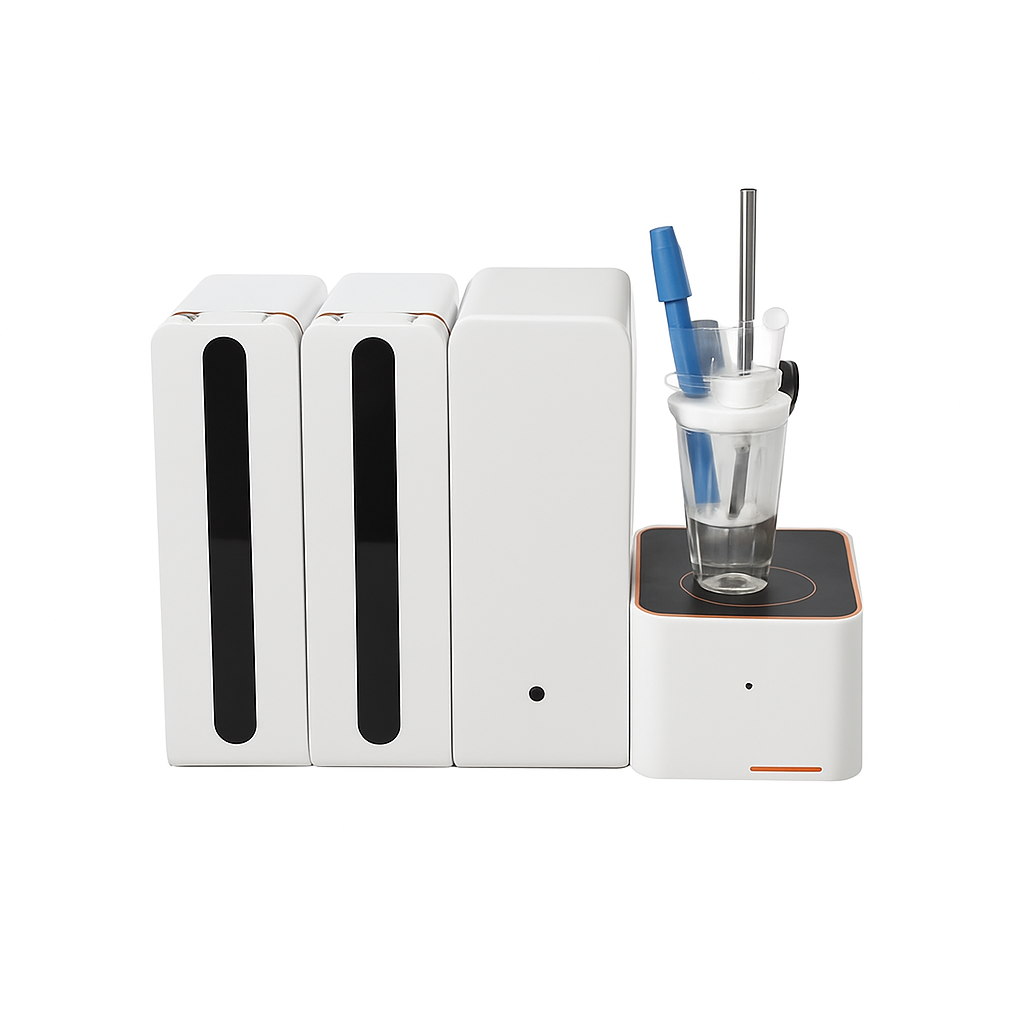
| Channel Expandability | 8-channel expandable architecture for multi-sample processing | Most titrators offer single-channel operation | Parallel sample processing significantly increases laboratory throughput and reduces analysis time per sample. |
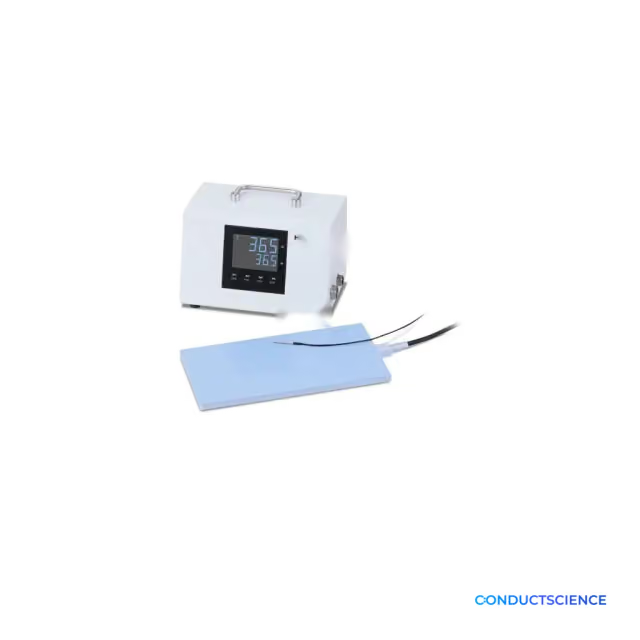
| Temperature Range | -5°C to 120°C monitoring with ±0.1°C accuracy | Standard models typically operate at ambient temperature only | Extended temperature capability accommodates specialized applications requiring controlled thermal conditions. |
| Control System Integration | Dedicated PC with software, USB, RS232, and Ethernet connectivity | Basic models may have limited connectivity options | Comprehensive connectivity supports laboratory automation and data management system integration. |
| Automation Compatibility | GT robot injection system integration for automated sampling | Most titrators require manual sample handling | Robot integration enables unattended operation and standardized sample processing for high-throughput laboratories. |
This automatic titrator combines exceptional precision (0.001ml accuracy) with comprehensive analytical versatility across five titration modes and expandable multi-channel architecture. The integrated PC control system and robot compatibility provide advanced automation capabilities for high-throughput analytical laboratories requiring precise quantitative measurements.
Practical Tips
Perform burette accuracy verification using certified Class A volumetric standards at multiple volume points across the selected burette range.
Why: Multi-point calibration ensures accuracy across the entire operational volume range and identifies potential systematic errors.
Clean liquid pathways with appropriate solvents after each analytical session and store electrodes in recommended maintenance solutions.
Why: Regular cleaning prevents reagent buildup and electrode contamination that can affect endpoint detection accuracy.
Allow the system to temperature equilibrate for 30 minutes before critical analyses and use consistent stirring parameters across sample sets.
Why: Thermal stability and standardized mixing conditions minimize variability in endpoint detection and improve measurement reproducibility.
Monitor titration curve derivatives and inflection point sharpness to assess endpoint detection quality and method suitability.
Why: Curve analysis provides real-time feedback on method performance and helps identify samples requiring analytical protocol adjustments.
Check burette refill performance and liquid pathway continuity if volume delivery accuracy deviates from specifications.
Why: Air bubbles or partial blockages in the filling system can cause volume delivery errors that compromise analytical accuracy.
Ensure proper ventilation when performing non-aqueous titrations and use appropriate personal protective equipment for reagent handling.
Why: Organic solvents and concentrated reagents require adequate ventilation and safety precautions to prevent exposure risks.
Verify temperature probe accuracy using certified thermometric standards before analyses requiring precise temperature control.
Why: Temperature compensation accuracy directly affects electrode response calculations and endpoint determination reliability.
Establish standard operating procedures for electrode conditioning and replacement to maintain consistent analytical performance.
Why: Proper electrode maintenance protocols ensure stable potential measurements and reliable endpoint detection across extended use periods.
Setup Guide
What’s in the Box
- Automatic titrator main unit
- 10ml standard burette assembly
- PC system with pre-installed control software
- pH and reference electrode set (typical)
- Temperature probe
- 250ml titration cup
- USB and Ethernet cables
- Power adapter and cord
- User manual and method library
- Calibration certificate (typical)
Warranty
ConductScience provides a standard one-year manufacturer warranty covering parts and labor with comprehensive technical support for installation, calibration, and method development assistance.
Compliance
What calibration standards are required for endpoint detection accuracy?
The system requires certified buffer standards for pH electrode calibration and standardized titrant solutions with known molarity. Temperature compensation is verified using thermometric standards across the -5°C to 120°C operational range.
Can the instrument handle viscous or non-aqueous sample matrices?
Yes, the titrator specifically supports non-aqueous titration modes and accommodates diverse sample matrices through adjustable stirring parameters and specialized electrode configurations for organic solvents.
How does the 8-channel system manage cross-contamination between samples?
Each channel operates independently with dedicated liquid pathways and individual method control. Automated rinsing protocols and separate electrode assemblies prevent cross-contamination in multi-sample workflows.
What data output formats are supported for laboratory information systems integration?
The PC control software provides multiple connectivity options including USB, RS232, and Ethernet interfaces with customizable data export formats. Consult product datasheet for specific LIMS compatibility protocols.
How frequently does the burette system require recalibration?
Burette accuracy should be verified monthly using certified volumetric standards or when the self-checking function indicates calibration drift. The 1/1500,000 resolution requires stable environmental conditions for optimal performance.
What maintenance procedures are required for the built-in filling unit?
Regular cleaning with compatible solvents and periodic seal replacement maintain filling unit performance. The 10-second refill capability requires clean liquid pathways and proper vacuum system maintenance.
Can the system be integrated with robotic sample handling equipment?
Yes, the titrator is compatible with GT robot injection systems for automated sample introduction and high-throughput analysis workflows. Integration requires coordination of communication protocols and sample positioning.
How does temperature variation affect endpoint detection sensitivity?
The integrated temperature monitoring (±0.1°C accuracy) provides automatic compensation for thermal effects on electrode response and reaction kinetics, maintaining consistent endpoint detection across the operational temperature range.
Have a question about this product?
Have a question? Just ask.
Send it over and we'll email you a personalized answer — no call, no scheduling.
Prefer to talk it through?
Frequently Bought Together