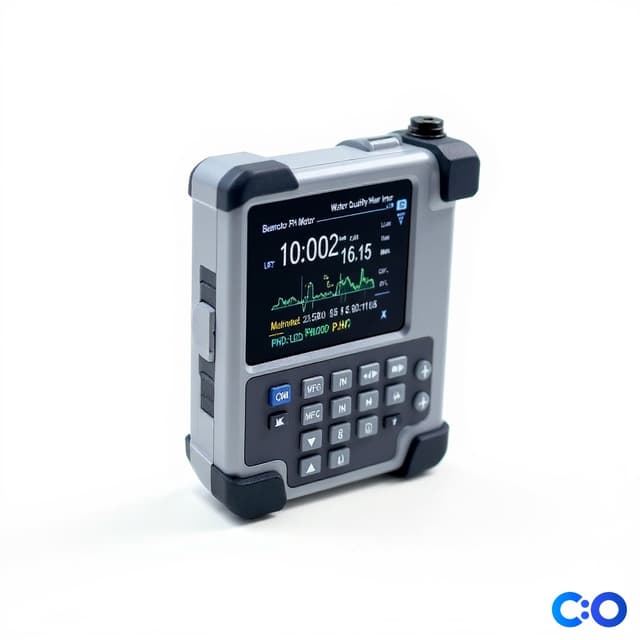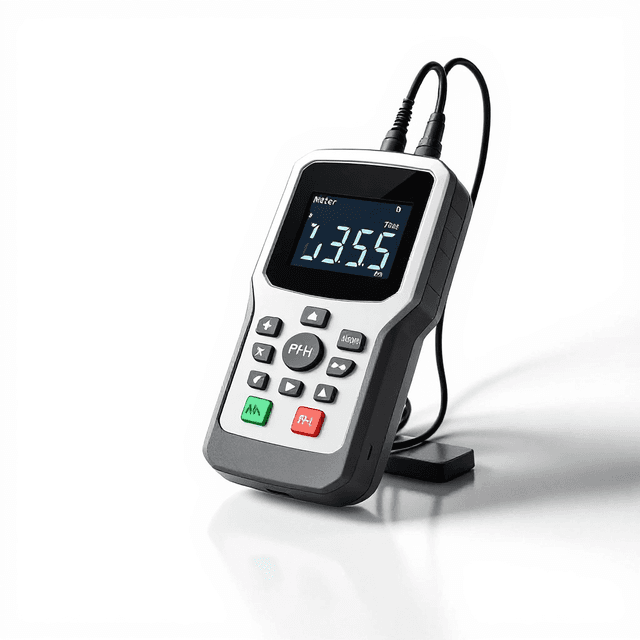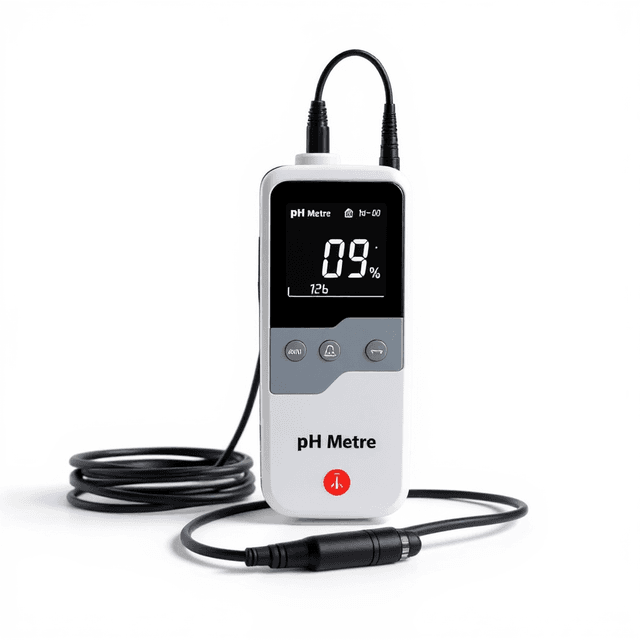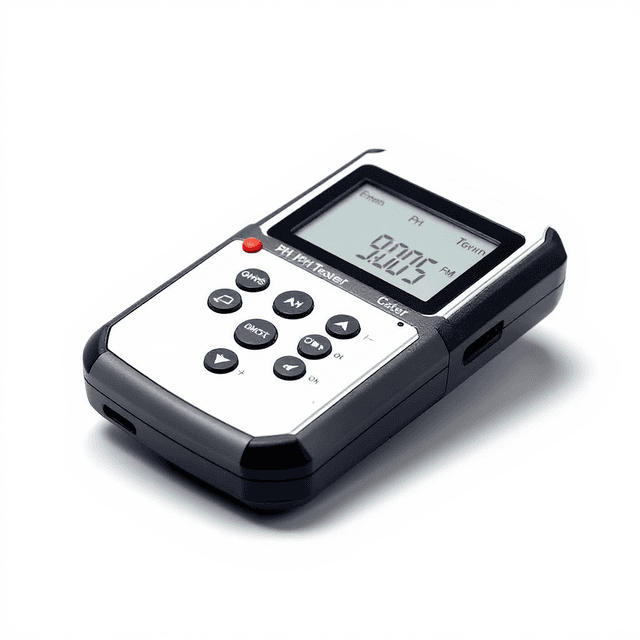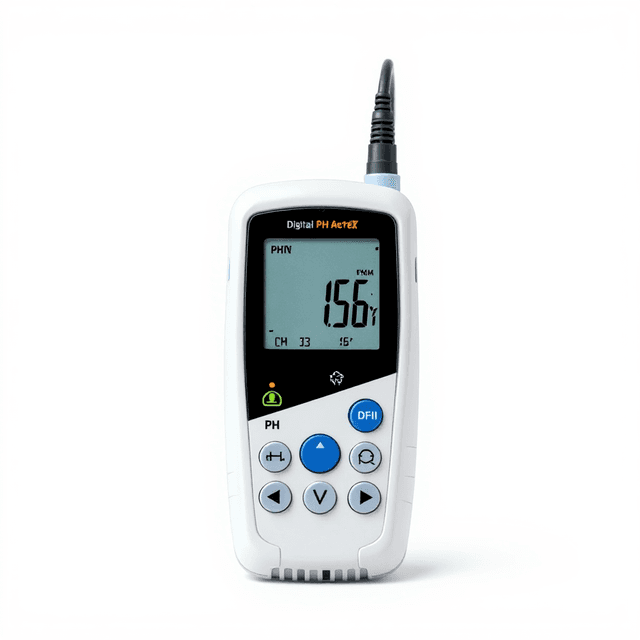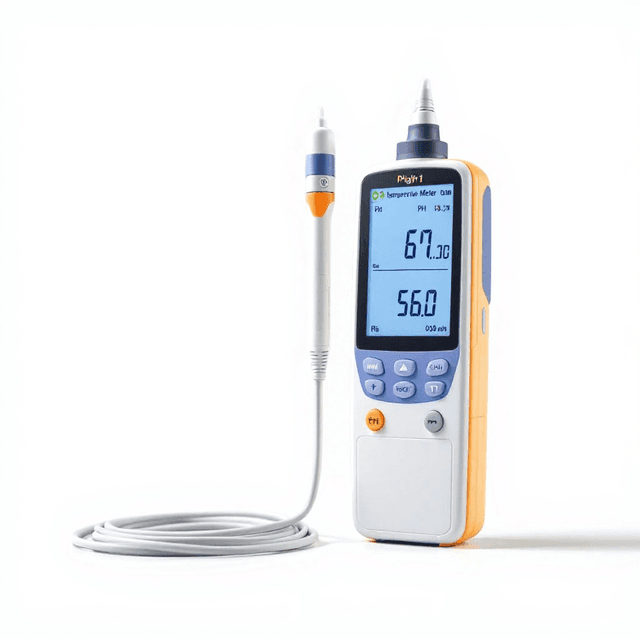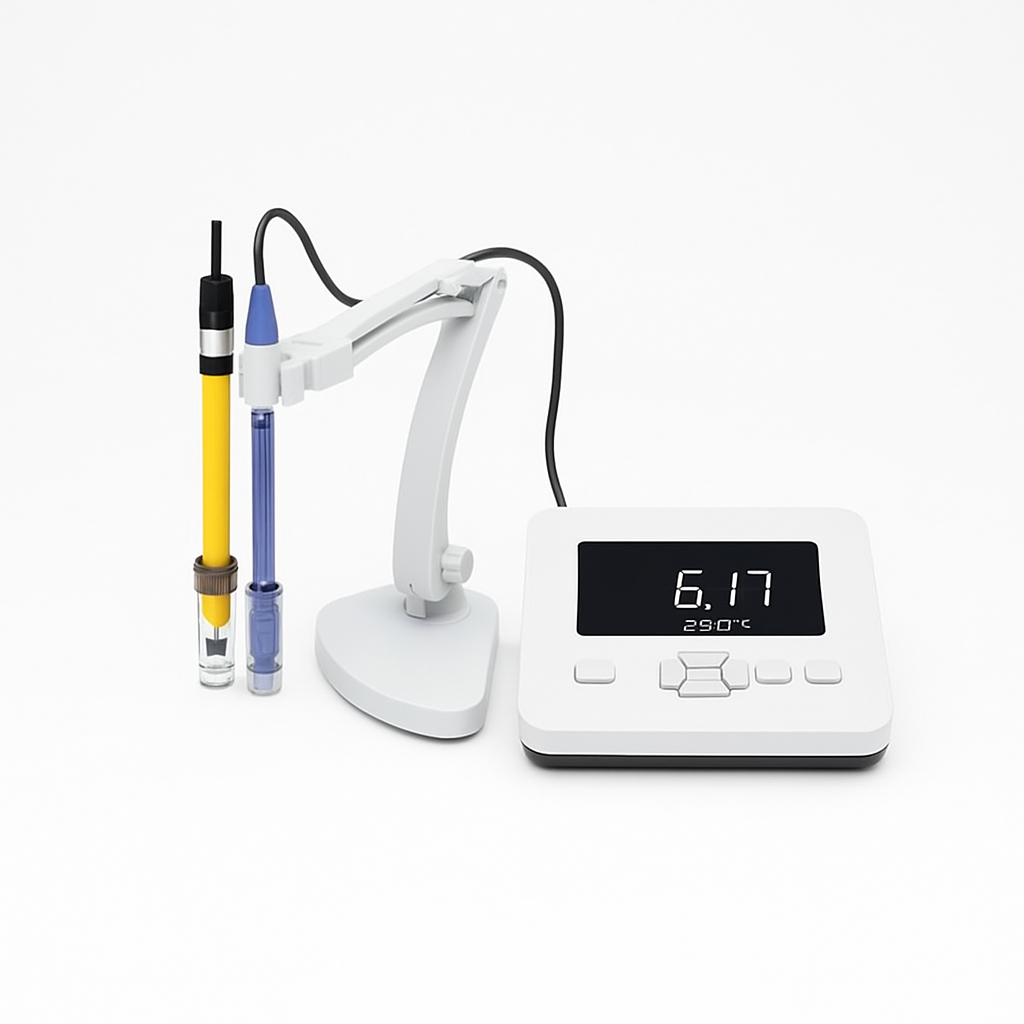
Benchtop Multiparameter Meter
Multiparameter water quality meter combining pH, conductivity, TDS, and resistivity measurements with optional ORP capability for comprehensive aqueous sample analysis.

Louise Corscadden, PhD
Director of Science · ConductScience
Ask Louise about Benchtop Multiparameter Meter fit, setup, configuration, or quote prep.
Already working with us? Sign in to connect this with My Scientist.
Key Specifications
Full details →- Model fit
- 1 selectable configurations
- SKU family
- BIO-0357
- Shipping box
- 6.4 x 20.0 x 17.0 cm
- Ordering
- Online checkout and quote request available
- Category
- pH Meters
- Build notes
- Confirm accessories, station layout, and support needs before purchase
Benchtop Multiparameter Meter
Advanced laboratory instrument designed for precise and reliable measurement of multiple parameters essential for water quality analysis and research applications.
Measurement Capabilities
- pH Measurement: Range -2.000~20.000 pH, ±0.2 pH accuracy
- Conductivity: Full range capability with ATC (automatic temperature compensation)
- Dissolved Oxygen: 0~20.00 mg/L, 0~200.0% saturation
- ORP (mV): -1999mV~1999mV (with optional ORP probe)
- TDS: 0~100.0 g/L
- Resistivity: 5.00~100.0 MΩ·cm
Key Features
- High-resolution LCD display screen
- Built-in microprocessor chip supports automatic calibration, temperature compensation, data storage, and parameter setup
- Automatic calibration, self-diagnosis, and automatic recognition of standard buffer solutions
- Fast response, high accuracy, and stable reading display
- IP54 dustproof and spillproof construction
- Data storage: 450 groups with USB connectivity
Three Models Available
Select your model to view pricing:
Model Comparison
| Model | Primary Parameters | Price | Typical Use |
|---|---|---|---|
| PH-PC100 | pH, mV, conductivity, TDS, resistivity, salinity, temperature | $1,199 | pH and conductivity-focused benchtop testing |
| PH-CD100 | Conductivity, TDS, resistivity, salinity, DO, temperature | $1,499 | Conductivity plus dissolved oxygen workflows |
| PH-PD100 | pH, mV, DO, temperature | $1,399 | pH plus dissolved oxygen workflows |
Specifications
| Parameter | Range/Value | Accuracy |
|---|---|---|
| pH | -2.000 to 20.000 pH | ±0.01 pH ±1 digit |
| Temperature | -9.9 to 130.0°C | ±0.2°C |
| Conductivity | 0-200.0 mS/cm | ±1.0% FS ±1 digit |
| TDS | 0-100.0 g/L | ±1.0% FS ±1 digit |
| Resistivity | 5.00-100.0 MΩ·cm | ±1.0% FS ±1 digit |
| DO | 0-20.00 mg/L | ±0.30 mg/L (PH-CD100, PH-PD100) |
| Data Storage | 450 groups | — |
| Power | DC 12V | — |
| Size | 200×170×64 mm | — |
Applications
- Environmental water monitoring
- Food and beverage quality control
- Pharmaceutical research and QC
- Analytical chemistry laboratories
- Materials science research
How It Works
The multiparameter meter employs multiple sensor technologies to simultaneously characterize aqueous solutions. pH measurement utilizes a glass electrode system with reference electrode, where hydrogen ion activity generates a potential difference proportional to pH according to the Nernst equation. Automatic temperature compensation adjusts readings based on temperature-dependent electrode response characteristics.
Conductivity measurement applies an alternating current between electrodes immersed in the sample, with conductance proportional to ionic concentration and mobility. The instrument calculates total dissolved solids (TDS) from conductivity measurements using empirical conversion factors, while resistivity represents the reciprocal of conductivity. Optional ORP measurement employs a platinum electrode to assess the oxidizing or reducing nature of the sample based on electron transfer potential.
Features & Benefits
Shipping weight
- 2.5 lb
Shipping box
- L: 6.4 cm
- W: 20.0 cm
- H: 17.0 cm
| Feature | This Product | Typical Alternative | Advantage |
|---|---|---|---|
| pH Measurement Range | -2.000 to 20.000 pH units | Entry-level models often limited to 0-14 pH range | Extended range accommodates highly acidic and alkaline samples without dilution requirements |
| TDS Measurement Capability | Up to 100.0 g/L | Basic meters typically measure lower concentration ranges | Suitable for concentrated solutions and high-salinity environmental samples |
| Parameter Integration | pH, conductivity, TDS, resistivity, and optional ORP in one unit | Many instruments focus on single parameters | Comprehensive water chemistry analysis reduces instrument count and sample volume needs |
| Resistivity Range | 5.00 to 100.0 MΩ·cm | High-purity water monitors often have different range specifications | Covers ultrapure water applications for pharmaceutical and analytical chemistry workflows |
| Temperature Compensation | Automatic temperature compensation with ±0.2°C accuracy | Manual compensation or lower accuracy in budget models | Ensures measurement accuracy across varying sample temperatures without user intervention |
This multiparameter meter combines wide measurement ranges with comprehensive parameter coverage, making it suitable for diverse analytical applications. The extended pH range and high TDS capability, combined with resistivity measurement and optional ORP functionality, provide researchers with a versatile platform for water quality assessment.
| Model | SKU | Listed price | Status | Shipping box |
|---|---|---|---|---|
| Product model | BIO-0357 | $960.00 | Available | 6.4 x 20.0 x 17.0 cm |
| Product model | PH-PD100 | $1,399.00 | Available | 6.4 x 20.0 x 17.0 cm |
| Product model | PH-CD100 | $1,499.00 | Available | 6.4 x 20.0 x 17.0 cm |
| Product model | PH-PC100 | $1,199.00 | Available | 6.4 x 20.0 x 17.0 cm |
Practical Tips
Perform multi-point pH calibration using fresh buffer solutions stored at room temperature for optimal accuracy.
Why: Temperature-matched buffers and multi-point calibration compensate for electrode aging and response drift.
Store pH electrodes in proper storage solution and conductivity probes in distilled water when not in use.
Why: Appropriate storage conditions maintain electrode response and prevent junction contamination or drying.
Allow adequate time for measurement stabilization, especially with samples at temperatures different from calibration standards.
Why: Thermal equilibration ensures accurate temperature compensation and stable electrode response.
If pH readings drift or respond slowly, clean the electrode junction and verify proper electrolyte levels.
Why: Junction fouling or low electrolyte levels are common causes of pH electrode performance degradation.
Rinse electrodes thoroughly with distilled water between samples to prevent cross-contamination.
Why: Sample carryover can significantly affect measurement accuracy, especially for low ionic strength samples.
Use appropriate personal protective equipment when measuring corrosive samples within the extended pH range.
Why: Highly acidic or alkaline samples can cause chemical burns and equipment damage if handled improperly.
Verify conductivity measurements using certified reference standards within your typical sample range.
Why: Range-specific calibration improves accuracy for samples with conductivity values similar to your applications.
Clean conductivity electrodes with mild detergent and soft brush to remove fouling deposits.
Why: Surface contamination on conductivity electrodes directly affects measurement accuracy and repeatability.
Setup Guide
What’s in the Box
- Benchtop multiparameter meter (main unit)
- pH electrode with cable (typical)
- Conductivity probe with cable (typical)
- Power adapter (typical)
- USB cable for data transfer (typical)
- Calibration solutions sample set (typical)
- User manual and documentation (typical)
- Electrode storage solutions (typical)
Warranty
ConductScience provides a one-year manufacturer warranty covering defects in materials and workmanship. Technical support includes calibration guidance and troubleshooting assistance for optimal instrument performance.
Compliance
What is the accuracy specification for pH measurements?
The product specifications indicate temperature accuracy of ±0.2°C. For pH accuracy specifications, consult the product datasheet for detailed measurement uncertainty information.
Can the meter perform simultaneous measurements of all parameters?
Yes, the multiparameter design allows concurrent monitoring of pH, conductivity, TDS, and resistivity from a single sample, reducing analysis time and sample volume requirements.
What calibration standards are required for routine operation?
pH calibration typically requires standard buffers at pH 4.00, 7.00, and 10.00. Conductivity calibration uses certified conductivity standards appropriate for your measurement range.
Is the ORP measurement capability included or optional?
ORP (oxidation-reduction potential) measurement requires an optional probe. The instrument supports ORP measurements from -1999mV to +1999mV when equipped with the appropriate electrode.
What is the minimum sample volume required for measurements?
Sample volume requirements depend on electrode dimensions and immersion depth. Consult the electrode specifications for minimum volume requirements to ensure proper sensor coverage.
How does automatic temperature compensation work?
The system includes temperature sensing with automatic compensation for pH measurements, correcting for temperature-dependent electrode response according to the Nernst equation.
Can the instrument store and export measurement data?
Data storage and export capabilities depend on the specific model configuration. Check the instrument specifications for available data logging and connectivity options.
What maintenance is required for the electrodes?
Regular calibration verification, proper storage in appropriate solutions, and cleaning between samples are essential for maintaining electrode performance and measurement accuracy.
Have a question about this product?
Have a question? Just ask.
Send it over and we'll email you a personalized answer — no call, no scheduling.
Prefer to talk it through?