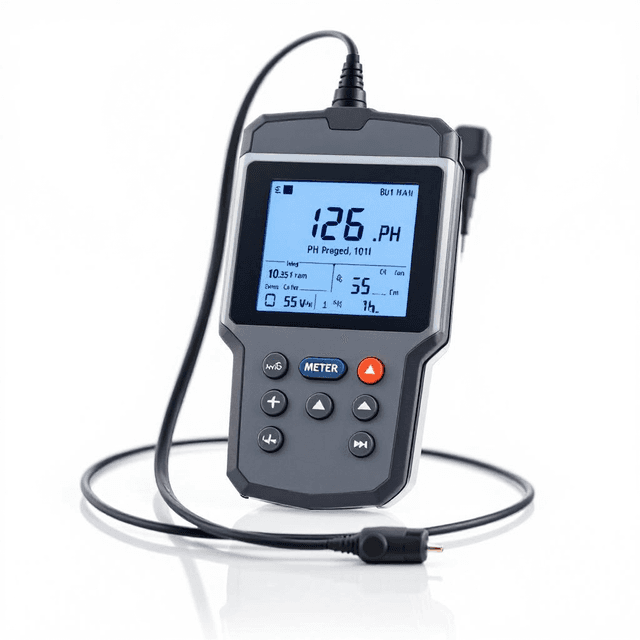
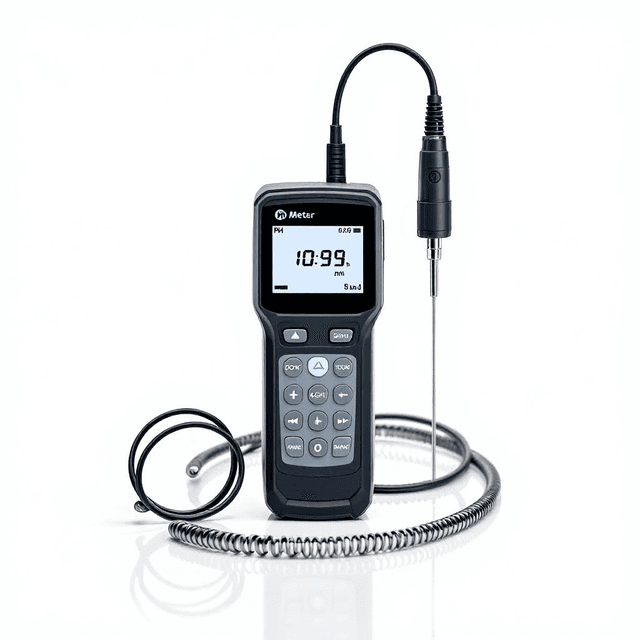
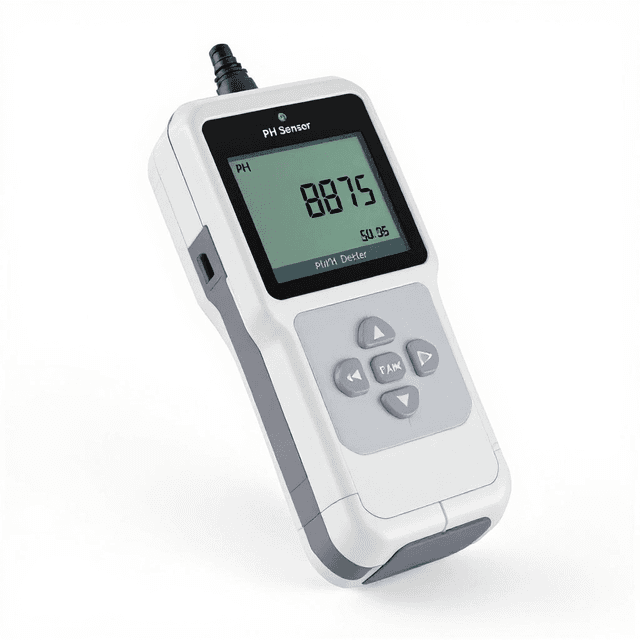
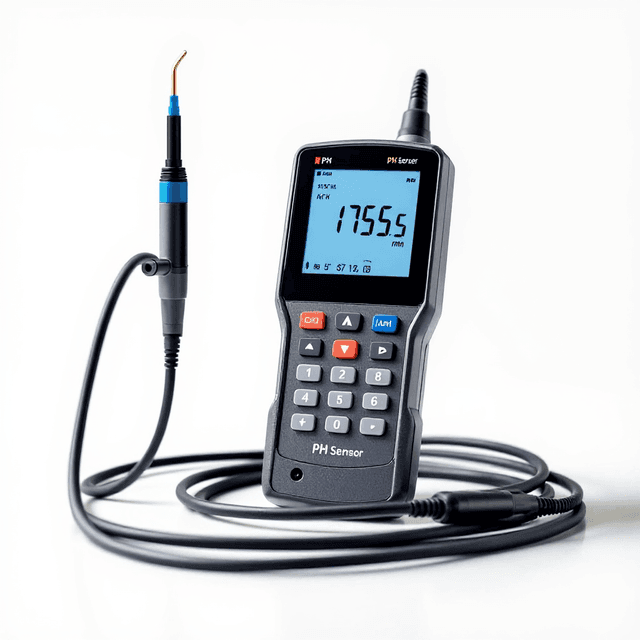
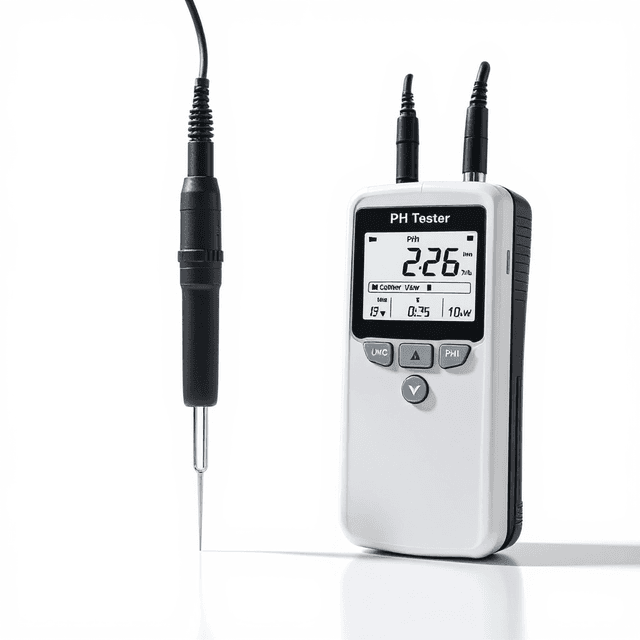
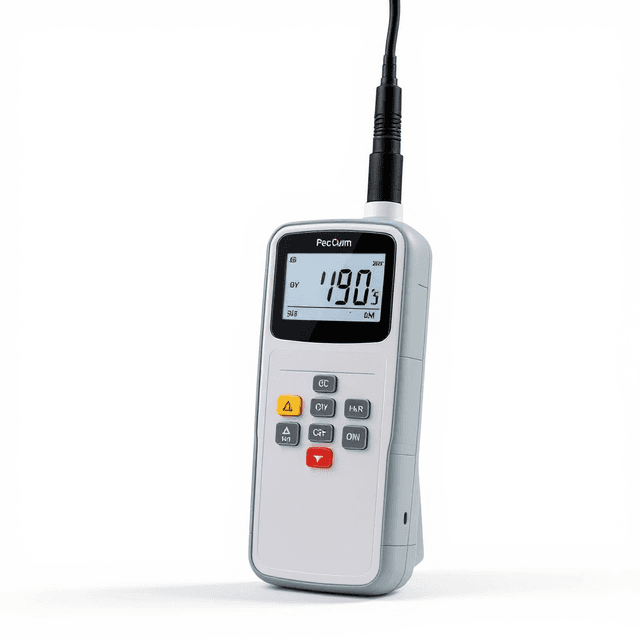
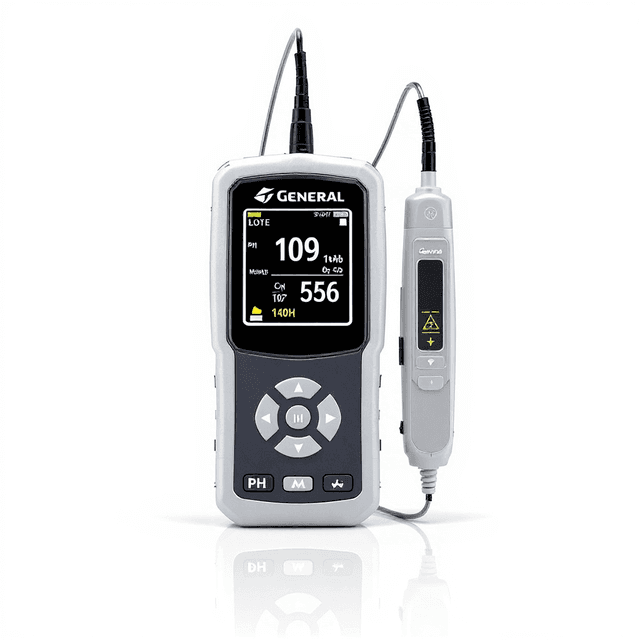
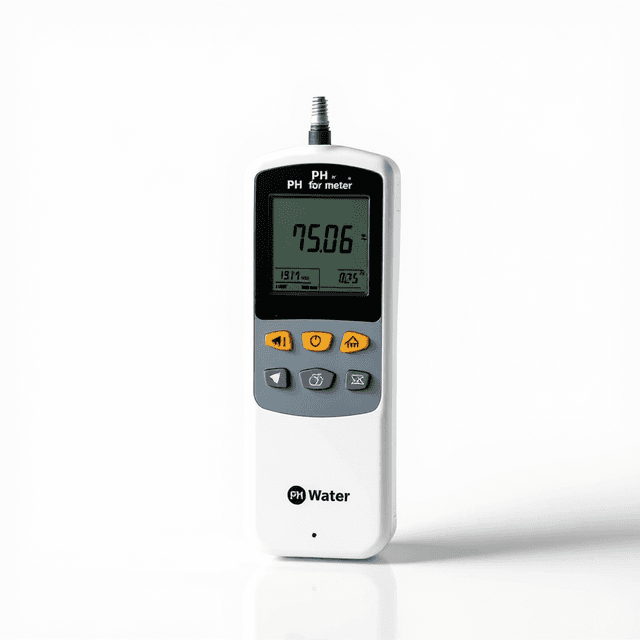
Benchtop pH Meter with ORP
Laboratory benchtop pH meter with 0.00-14.00 pH range, ±0.05 pH accuracy, and integrated ORP measurement capability for precise electrochemical analysis.

Louise Corscadden, PhD
Director of Science · ConductScience
Ask Louise about Benchtop pH Meter with ORP fit, setup, configuration, or quote prep.
Already working with us? Sign in to connect this with My Scientist.
Key Specifications
Full details →- Model fit
- 1 selectable configurations
- SKU family
- BIO-0391
- Shipping box
- 42.0 x 43.6 x 38.0 cm
- Ordering
- Online checkout and quote request available
- Category
- pH Meters
- Build notes
- Confirm accessories, station layout, and support needs before purchase
The ConductScience Benchtop pH Meter (PHS-3BW PH-210) is a laboratory-grade instrument designed for accurate pH and oxidation-reduction potential (ORP) measurements in research and quality control applications. The meter provides pH measurements across the full 0.00-14.00 pH range with ±0.05 pH accuracy and 0.01 pH resolution, enabling precise monitoring of solution conditions in various experimental protocols.
This dual-function instrument also measures ORP values from -1999 to 1999 mV with ±1 mV accuracy, supporting comprehensive electrochemical analysis workflows. The meter features 1-3 point calibration capability using standard USA buffer solutions (pH 4.01, 7.00, 10.01), ensuring reliable measurement performance across different pH ranges. The benchtop design provides stable operation for routine laboratory measurements where consistent, accurate pH monitoring is required.
How It Works
The pH meter operates using a glass electrode system that generates a voltage proportional to hydrogen ion activity in solution. The glass membrane of the pH electrode develops an electrical potential difference when in contact with solutions of different pH values, following the Nernst equation relationship of approximately 59.16 mV per pH unit at 25°C. This potential is measured against a stable reference electrode to determine the solution's pH value.
For ORP measurements, the instrument uses a platinum or gold electrode to measure the oxidation-reduction potential of the solution. The electrode responds to the electron activity in the solution, generating a voltage that indicates the solution's tendency to gain or lose electrons. The reference electrode provides a stable potential against which the ORP electrode voltage is compared.
The meter's internal circuitry amplifies and processes these low-level electrical signals, converting them to digital readouts with temperature compensation to account for the temperature dependence of electrode response. Calibration using known buffer solutions ensures measurement accuracy by establishing the relationship between electrode voltage and known pH values.
Features & Benefits
Shipping weight
- 29.98 lb
Shipping box
- L: 42.0 cm
- W: 43.6 cm
- H: 38.0 cm
| Feature | This Product | Typical Alternative | Advantage |
|---|---|---|---|
| pH Accuracy | ±0.05 pH | Entry-level models often provide ±0.1 pH accuracy | Higher accuracy enables more precise monitoring of critical pH-sensitive reactions and quality control specifications. |
| pH Resolution | 0.01 pH | Basic meters may offer 0.1 pH resolution | Finer resolution allows detection of small pH changes important in titrations and process monitoring. |
| ORP Measurement Range | -1999 to 1999 mV | Some models have limited ORP ranges | Extended range covers strongly reducing to strongly oxidizing conditions in diverse electrochemical applications. |
| Calibration Flexibility | 1-3 point calibration | Fixed 2-point calibration on basic models | Variable calibration points allow optimization for specific pH ranges and measurement requirements. |
| Dual Parameter Capability | pH and ORP measurement | Single-parameter instruments require separate devices | Eliminates need for multiple instruments when monitoring both acidity and redox potential in research workflows. |
This meter combines laboratory-grade pH accuracy with integrated ORP measurement capability in a stable benchtop design. The flexible calibration options and extended measurement ranges support diverse analytical chemistry and quality control applications.
Practical Tips
Perform calibration using buffers that bracket your expected sample pH range for optimal accuracy.
Why: Interpolation between calibration points provides better accuracy than extrapolation beyond the calibrated range.
Rinse electrodes with distilled water between samples and store pH electrodes in appropriate storage solution.
Why: Proper cleaning prevents cross-contamination while correct storage maintains electrode performance and extends lifetime.
Allow samples and calibration buffers to equilibrate to room temperature before measurement.
Why: Temperature differences between sample and calibration conditions can introduce measurement errors even with temperature compensation.
Check for air bubbles in electrode reference junction and ensure adequate electrolyte level in reference electrode.
Why: Air bubbles or low electrolyte levels disrupt the reference potential, causing unstable or incorrect readings.
Wait for stable readings before recording values, especially with poorly buffered or high-viscosity samples.
Why: Electrode response time varies with sample properties, and premature reading can result in inaccurate measurements.
Use appropriate personal protective equipment when measuring corrosive or hazardous samples.
Why: pH electrodes do not provide protection against sample hazards, and glass electrodes can break during use.
Replace calibration buffer solutions regularly and avoid contaminating buffers with sample residue.
Why: Fresh, uncontaminated buffers ensure accurate calibration and prevent systematic measurement errors.
Setup Guide
What’s in the Box
- PHS-3BW PH-210 benchtop pH meter (typical)
- pH combination electrode (typical)
- Reference electrode (typical)
- Power adapter (typical)
- Electrode holder/stand (typical)
- User manual and calibration instructions (typical)
- Calibration certificate (typical)
Warranty
ConductScience provides a one-year manufacturer warranty covering defects in materials and workmanship, with technical support available for troubleshooting and application guidance.
Compliance
What calibration frequency is recommended for maintaining measurement accuracy?
Calibrate daily for critical measurements or whenever accuracy requirements exceed ±0.05 pH. Use fresh buffer solutions and perform 2-point calibration spanning your expected measurement range.
Can this meter handle samples with high ionic strength or organic solvents?
The meter can measure high ionic strength aqueous solutions, but electrode response may be affected. Consult product datasheet for organic solvent compatibility and consider specialized electrodes for non-aqueous measurements.
How does temperature affect measurement accuracy?
Temperature compensation is typically built into pH meters, but thermal equilibration between sample and electrode is essential. Allow samples and buffers to reach room temperature before measurement.
What maintenance is required for the electrodes?
Store pH electrodes in pH 4 buffer or storage solution, never distilled water. Clean with appropriate solutions based on sample type and replace electrodes when response becomes sluggish or calibration drift occurs.
Can the meter store calibration data and measurement results?
Consult product datasheet for data logging capabilities. Many benchtop meters include internal memory for calibration parameters but may require external recording for measurement data.
What is the measurement response time for pH and ORP readings?
Response time varies with sample buffering capacity and electrode condition. Allow 30-60 seconds for stable readings in most solutions, longer for poorly buffered samples.
Have a question about this product?
Have a question? Just ask.
Send it over and we'll email you a personalized answer — no call, no scheduling.
Prefer to talk it through?
Frequently Bought Together