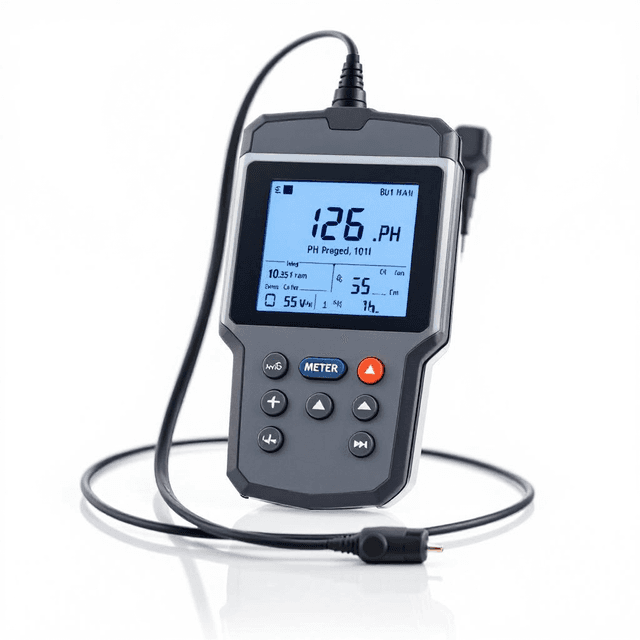
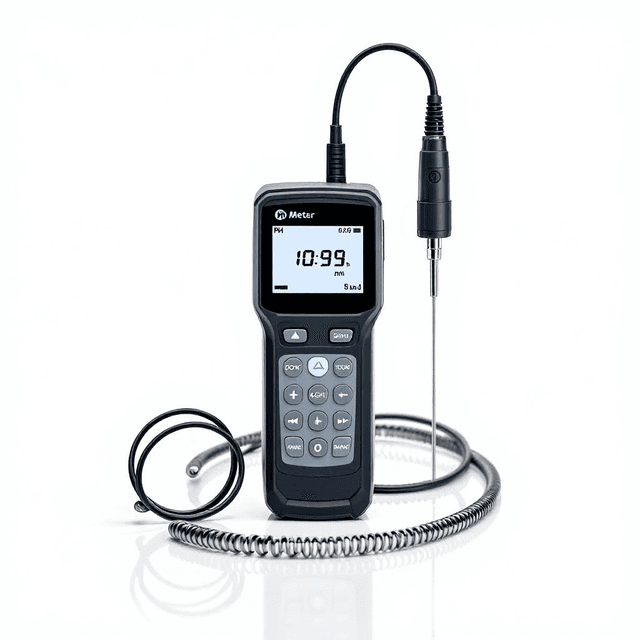
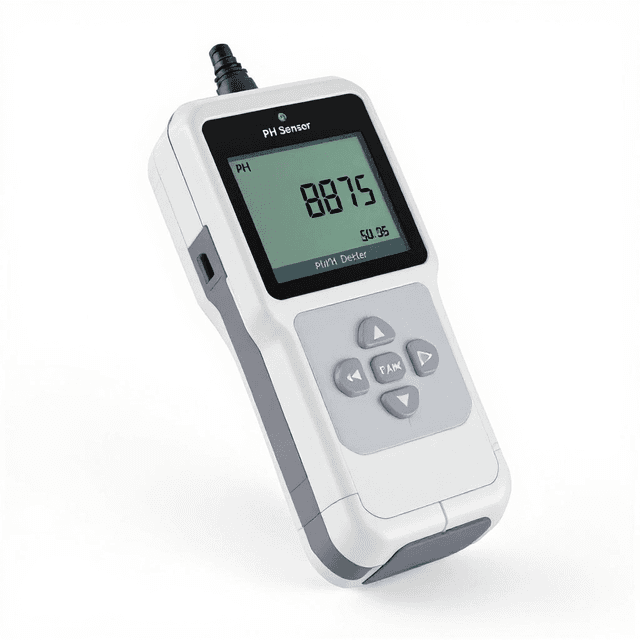
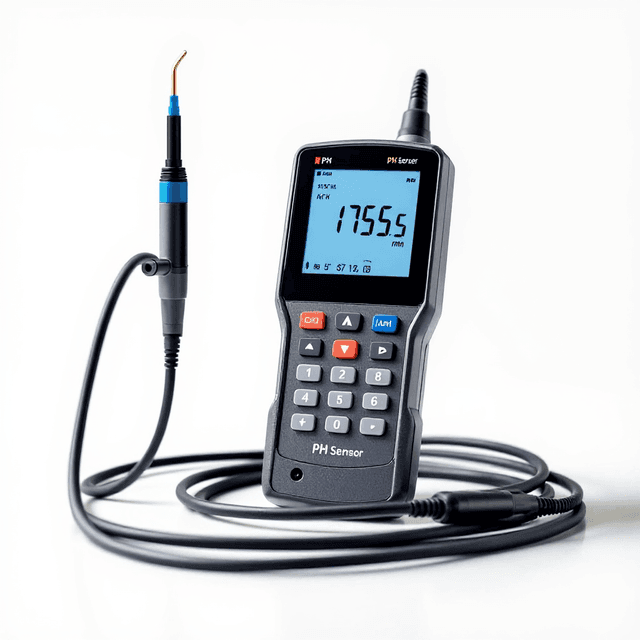
Benchtop pH/ORP/Ion Meter
Multi-parameter benchtop analyzer for pH, ORP, and ion concentration measurements with automatic temperature compensation and ±0.2mV ORP accuracy.

Louise Corscadden, PhD
Director of Science · ConductScience
Ask Louise about Benchtop pH/ORP/Ion Meter fit, setup, configuration, or quote prep.
Already working with us? Sign in to connect this with My Scientist.
Key Specifications
Full details →- Model fit
- 1 selectable configurations
- SKU family
- BIO-0390
- Shipping box
- 6.0 x 21.0 x 18.8 cm
- Ordering
- Online checkout and quote request available
- Category
- pH Meters
- Build notes
- Confirm accessories, station layout, and support needs before purchase
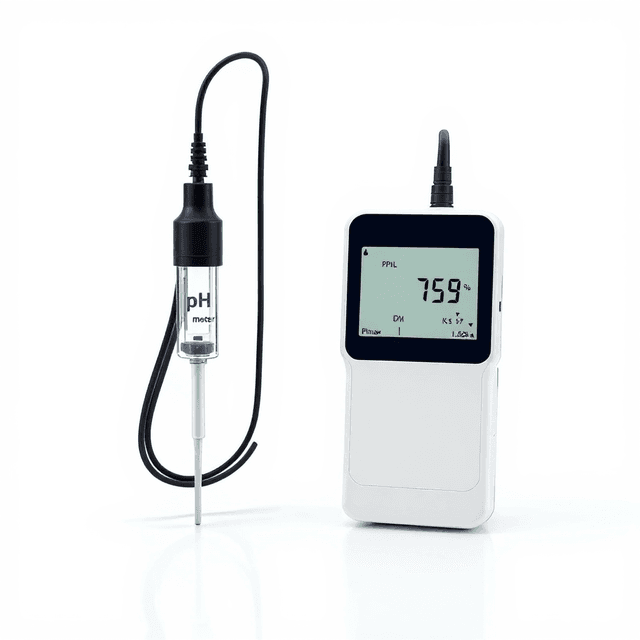
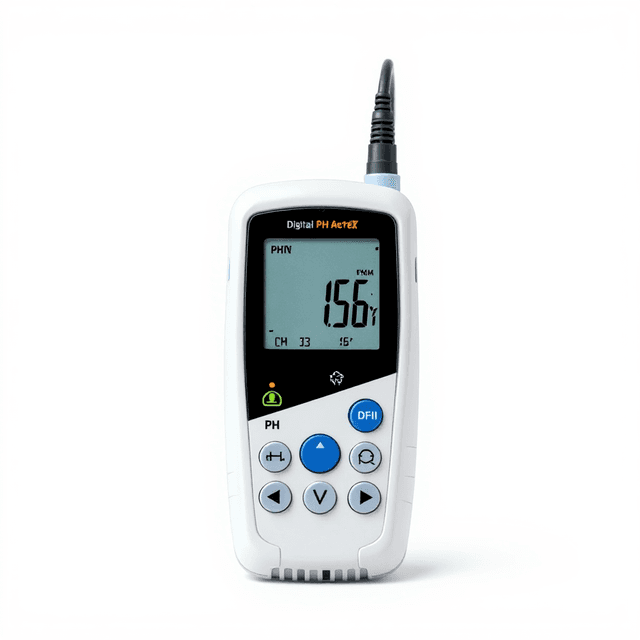
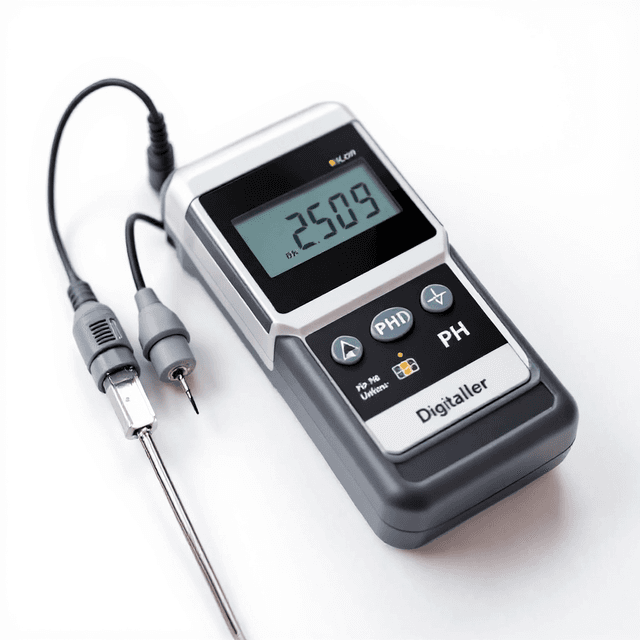
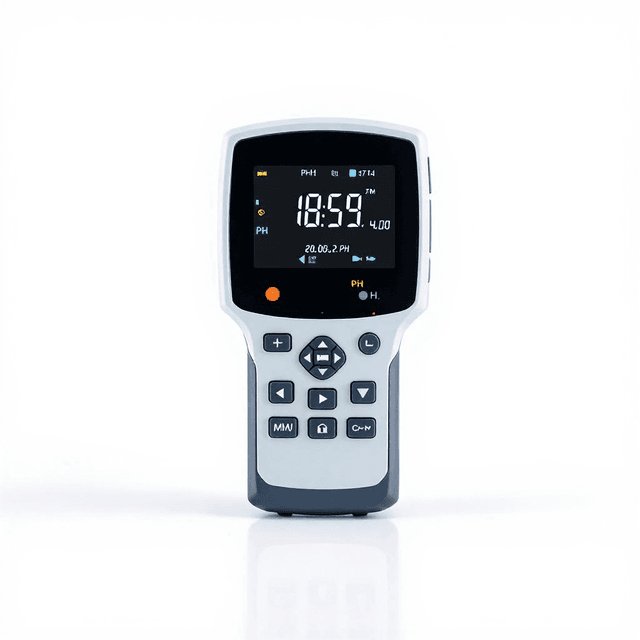
The Benchtop pH/ORP/Ion Meter is a multi-parameter analytical instrument designed for precise electrochemical measurements in laboratory environments. This benchtop system provides simultaneous pH, oxidation-reduction potential (ORP), and ion concentration measurements with automatic or manual temperature compensation across a 0-100°C range.
The instrument features a relative mV range of ±1999.9mV with ±0.2mV accuracy for ORP measurements, and ion measurement capabilities spanning 0.001-19999 ppm, mg/L, or mol/L depending on the ion-selective electrode configuration. Temperature measurement accuracy of ±0.5°C with 0.1°C resolution enables precise compensation for temperature-dependent electrochemical responses, critical for accurate pH and ion determinations in research applications.
How It Works
The instrument operates through electrochemical measurement principles using specific electrodes for each parameter. pH measurement relies on a glass electrode that develops a potential difference proportional to hydrogen ion activity, following the Nernst equation. The reference electrode provides a stable potential against which pH electrode potential is measured.
ORP measurement utilizes a platinum or gold electrode to detect the oxidation-reduction potential of the solution, indicating the relative tendency of the solution to accept or donate electrons. Ion-specific measurements employ ion-selective electrodes (ISEs) that develop potentials proportional to the logarithm of specific ion activity, enabling quantitative determination of target ions.
Temperature compensation corrects for the temperature dependence of electrode responses, particularly critical for pH measurements where the theoretical slope changes by approximately 0.2 mV/pH unit per °C. The instrument applies automatic compensation algorithms or manual correction factors to ensure accurate readings across the operational temperature range.
Features & Benefits
Shipping weight
- 1.5 lb
Shipping box
- L: 6.0 cm
- W: 21.0 cm
- H: 18.8 cm
| Feature | This Product | Typical Alternative | Advantage |
|---|---|---|---|
| Multi-parameter Capability | pH, ORP, and ion measurements in one instrument | Single-parameter meters require multiple instruments | Reduces bench space, instrument costs, and training requirements while enabling simultaneous parameter monitoring |
| ORP Measurement Range | ±1999.9mV with ±0.2mV accuracy | Entry-level models often offer lower precision or limited range | Enables precise redox measurements across a wide potential range for diverse electrochemical applications |
| Temperature Compensation Range | 0-100°C automatic or manual compensation | Basic models may offer limited temperature range or manual-only compensation | Supports measurements across typical laboratory temperature ranges with automated correction for improved accuracy |
| Ion Measurement Range | 0.001-19999 ppm, mg/L, mol/L (electrode dependent) | Single-range instruments may require multiple meters for different concentration levels | Accommodates both trace and high-concentration analyses with appropriate electrode selection |
| Temperature Measurement Accuracy | ±0.5°C accuracy with 0.1°C resolution | Lower-cost models may offer ±1°C accuracy or coarser resolution | Enables precise temperature monitoring for accurate electrochemical compensation and method validation |
This multi-parameter instrument offers comprehensive electrochemical measurement capabilities with precise ORP accuracy and wide-range ion detection. The combination of automatic temperature compensation, multiple measurement parameters, and compact benchtop design provides a versatile platform for diverse analytical chemistry and environmental monitoring applications.
Practical Tips
Use fresh calibration buffers and standards, replacing them regularly to maintain measurement accuracy.
Why: Buffer degradation and contamination directly impact calibration quality and subsequent measurement precision.
Store electrodes in appropriate solutions according to manufacturer specifications between measurements.
Why: Proper electrode storage maintains hydration and prevents junction clogging that affects response time and accuracy.
Allow adequate equilibration time for temperature compensation, especially when measuring samples at temperatures different from ambient.
Why: Thermal equilibration ensures accurate temperature compensation and stable electrode responses.
Clean electrode surfaces gently with appropriate cleaning solutions if response becomes sluggish or unstable.
Why: Protein deposits, oil films, or chemical residues can coat electrode surfaces and impair electrochemical response.
Record ambient temperature and sample temperature when using manual compensation mode.
Why: Temperature documentation enables verification of compensation calculations and troubleshooting of measurement discrepancies.
Ensure proper grounding and avoid measurements near strong electromagnetic fields that may interfere with low-voltage electrode signals.
Why: Electrical interference can cause measurement instability and false readings in sensitive electrochemical measurements.
Perform regular verification checks with certified reference materials to monitor instrument drift over time.
Why: Systematic verification detects gradual performance changes that may require recalibration or electrode replacement.
Rinse electrodes with distilled water between samples and blot dry to prevent cross-contamination.
Why: Sample carryover can cause systematic errors, particularly when measuring samples with significantly different ionic strengths or pH values.
Setup Guide
What’s in the Box
- Benchtop pH/ORP/Ion meter main unit
- Power adapter and cord
- Temperature probe (typical)
- BNC electrode cables (typical)
- User manual and calibration certificate (typical)
- Quick start guide (typical)
Warranty
ConductScience provides a standard one-year manufacturer warranty covering defects in materials and workmanship. Technical support is available for installation, calibration, and operational guidance throughout the warranty period.
Compliance
What electrode types are compatible with the ion measurement function?
The instrument accepts standard ion-selective electrodes with BNC connectors, with measurement range dependent on the specific ISE characteristics. Consult the electrode manufacturer specifications for ion-specific ranges and detection limits.
How frequently should calibration be performed for accurate measurements?
Calibration frequency depends on measurement precision requirements and sample matrix effects. Daily calibration is recommended for critical measurements, with buffer verification between sample batches for pH analysis.
Can the instrument store measurement data or connect to laboratory data systems?
Consult the product datasheet for data logging capabilities and computer interface options. Many benchtop meters include RS-232 or USB connectivity for data transfer to laboratory information management systems.
What is the minimum sample volume required for accurate measurements?
Sample volume requirements depend on electrode size and geometry. Typical requirements range from 10-50 mL for standard electrodes, ensuring complete electrode immersion and adequate solution for stable readings.
How does temperature compensation affect measurement accuracy?
Automatic temperature compensation adjusts for the temperature dependence of electrode responses, particularly critical for pH measurements where theoretical slope changes approximately 0.2 mV/pH/°C. Manual compensation requires accurate temperature measurement for proper correction.
What maintenance procedures are required for optimal performance?
Regular electrode conditioning, calibration verification, and proper storage in appropriate solutions maintain measurement accuracy. Clean electrode surfaces and check for damage or coating buildup that may affect response time and stability.
Is the instrument suitable for measurements in non-aqueous solutions?
Electrode compatibility with non-aqueous solvents varies by electrode type and construction. Consult electrode specifications for solvent compatibility, as some electrodes may require special reference solutions or modified calibration procedures.
Have a question about this product?
Have a question? Just ask.
Send it over and we'll email you a personalized answer — no call, no scheduling.
Prefer to talk it through?
Frequently Bought Together