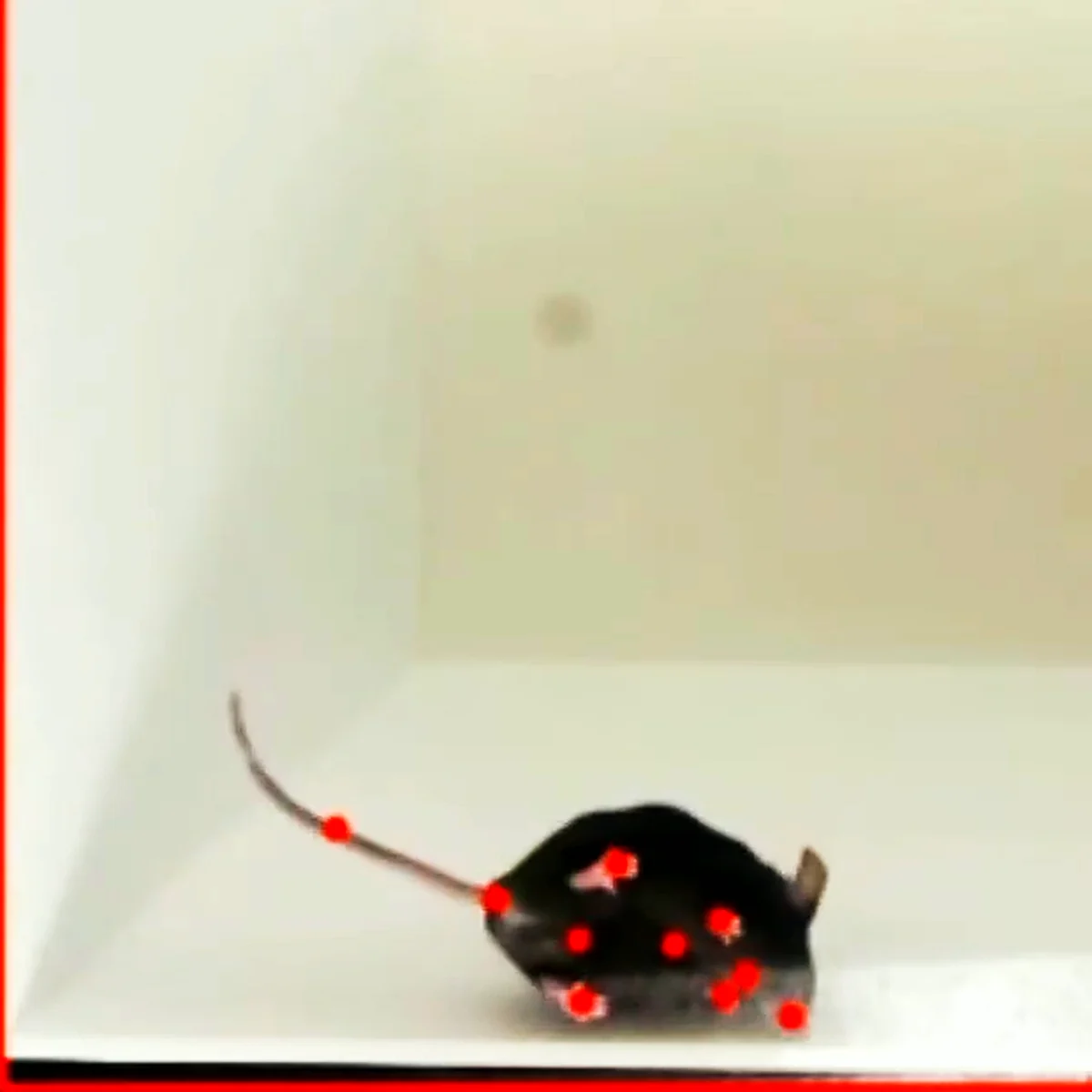

1 / 4
Circular Open Field
SKU CS-958387
$1,990.00
IncludesStandard care
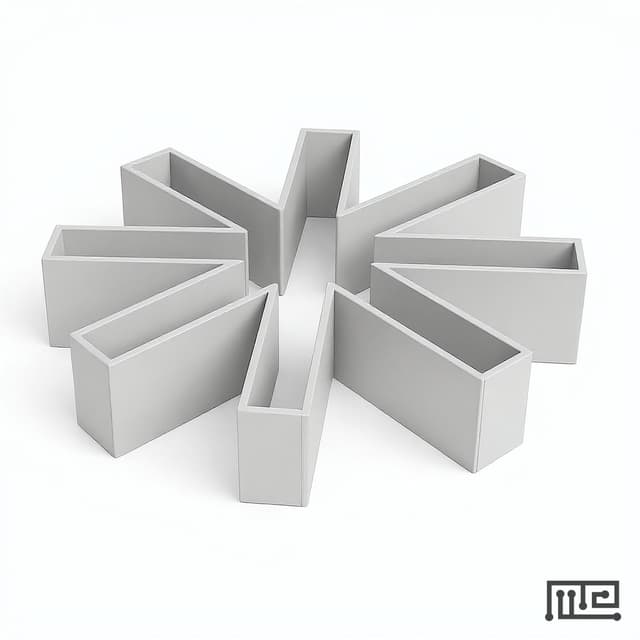
Standardized circular arena for measuring locomotor activity, anxiety-like behavior, and exploratory patterns in mice and rats with removable base for easy cleaning.
CE MarkedBAA available
Scientist guidance

Louise Corscadden, PhD
Director of Science · ConductScience
Ask Louise about Circular Open Field fit, setup, configuration, or quote prep.
Already working with us? Sign in to connect this with My Scientist.
Key Specifications
Full details →- Model fit
- Mouse, Rat
- SKU family
- CS-958387
- Sizing
- Mouse: Diameter 40 cm · Height 30 cm; Rat: Diameter 60 cm · Height 40 cm
- Ordering
- Online checkout and quote request available
- Category
- Behavioral Mazes
- Build notes
- Confirm accessories, station layout, and support needs before purchase
The Circular Open Field is a standardized apparatus for assessing locomotor activity, anxiety-like behavior, and exploratory patterns in rodents. This classic behavioral testing platform provides a controlled environment for measuring spontaneous activity, thigmotaxis (wall-hugging behavior), and centralized exploration patterns that are fundamental to anxiety and motor function research.
Constructed from acrylic with a matte finish to eliminate light reflection artifacts, the apparatus features removable bases for efficient cleaning between subjects. Available in species-specific dimensions (40cm diameter for mice, 60cm for rats), the circular design eliminates corner preferences and provides uniform spatial exploration opportunities for consistent behavioral measurements.
How It Works
The open field test operates on the principle that rodents exhibit natural conflict between exploratory drive and anxiety-induced avoidance of open, exposed areas. When placed in the circular arena, animals must balance their innate motivation to explore novel environments against their preference for protected spaces near walls (thigmotaxis).
The circular design eliminates corner preferences that can confound rectangular arenas, providing uniform spatial opportunities for exploration. Researchers typically measure total distance traveled (locomotor activity), time spent in center versus peripheral zones (anxiety-like behavior), and movement patterns over standardized time periods. The matte acrylic finish prevents light reflection that could create artificial visual barriers or preferred zones.
Behavioral parameters are quantified through video tracking systems that record animal position coordinates, calculate zone transitions, and generate activity metrics including velocity, path efficiency, and spatial distribution patterns for statistical analysis.
Features & Benefits
Species-specific sizing (40cm mouse, 60cm rat)
Provides appropriate spatial scale for natural exploratory behavior without constraining or overwhelming the test subject
Removable base design
Enables thorough cleaning between subjects and easy apparatus storage when not in use
Acrylic construction
Provides transparent walls for unobstructed video tracking while maintaining structural durability
Matte finish surface
Eliminates light reflection artifacts that could create visual barriers or preferred exploration zones
Circular geometry
Removes corner preferences inherent in rectangular arenas for more uniform spatial exploration opportunities
70% ethanol compatibility
Supports standard laboratory cleaning protocols for odor elimination between test subjects
Odor-neutral materials
Prevents olfactory cues from influencing animal behavior and ensures consistent testing conditions
Sizes by model
| Measurement | Mouse | Rat |
|---|---|---|
| Diameter | 40 cm | 60 cm |
| Height | 30 cm | 40 cm |
- Removable base for easy clean
- Acrylic
- Easy clean with 70% Ethanol
- Matte Finish for non shine
- No odors
Shipping weight
- 6.06 lb
Shipping box
- L: 65.0 cm
- W: 36.0 cm
- H: 27.0 cm
| Feature | This Product | Typical Alternative | Advantage |
|---|---|---|---|
| Arena Geometry | Circular design eliminates corners | Rectangular arenas with corner preferences | Provides uniform exploration opportunities without geometric bias effects |
| Base Design | Removable base for easy cleaning | Fixed base requiring in-place cleaning | Enables thorough sanitization and faster subject turnover |
| Surface Finish | Matte finish prevents light reflection | Glossy surfaces that may create visual artifacts | Eliminates reflection-based behavioral confounds for consistent tracking |
| Species Options | Purpose-built 40cm and 60cm diameters | Single size requiring scaling adjustments | Optimized spatial proportions for species-appropriate behavioral expression |
| Material Construction | Acrylic with odor-neutral properties | Various materials with potential odor retention | Maintains consistent testing conditions between subjects and sessions |
This apparatus provides species-optimized circular geometry with practical features including removable bases and matte surfaces. The design eliminates corner preferences while supporting standard cleaning protocols for consistent behavioral testing.
| Model | Size | SKU | Listed price | Status | Shipping box |
|---|---|---|---|---|---|
| Mouse | Diameter 40 cm · Height 30 cm | CS-958387 | $1,290.00 | Available | 65.0 x 36.0 x 27.0 cm |
| Rat | Diameter 60 cm · Height 40 cm | CS-958387 | $1,990.00 | Available | 65.0 x 36.0 x 27.0 cm |
Neuroscience
Assessing baseline locomotor activity and anxiety-like behavior in transgenic mouse models to characterize behavioral phenotypes associated with neurological disorders.
Behavioral Pharmacology
Evaluating anxiolytic or anxiogenic effects of pharmaceutical compounds by measuring changes in center zone exploration and thigmotaxic behavior patterns.
Toxicology
Screening neurotoxic effects of environmental chemicals or industrial compounds through locomotor activity assessment and behavioral pattern analysis.
Learning and Memory
Establishing baseline activity levels before cognitive testing to control for locomotor confounds in memory and learning paradigms.
Anxiety and Depression
Quantifying anxiety-like behaviors through center zone exploration time and distance traveled patterns in depression and anxiety research models.
Motor Function
Documenting locomotor deficits in Parkinson's disease models or spinal cord injury studies through activity tracking and movement pattern analysis.
Aging Research
Monitoring age-related changes in spontaneous activity and exploratory behavior to assess functional decline in aging rodent cohorts.
Practical Tips
Best Practices
Allow animals 2-3 minutes acclimation in arena before starting behavioral recording to reduce placement stress artifacts.
Why: Initial placement responses can mask true exploratory behavior patterns.
Data Quality
Track total distance traveled alongside zone preferences to distinguish anxiety from general hypoactivity.
Why: Reduced center exploration could reflect either anxiety or motor impairment.
Maintenance
Inspect acrylic surfaces regularly for scratches that could affect video tracking accuracy.
Why: Surface imperfections can interfere with automated position detection algorithms.
Calibration
Verify tracking software arena boundaries match physical dimensions before each testing session.
Why: Calibration drift can lead to incorrect zone assignments and invalid behavioral metrics.
Best Practices
Test animals during their active phase (dark cycle for nocturnal rodents) for optimal behavioral expression.
Why: Circadian timing significantly affects spontaneous activity levels and exploration patterns.
Troubleshooting
Use consistent lighting angles to prevent tracking software from losing subject identification due to shadows.
Why: Variable lighting creates tracking artifacts that compromise data quality.
Safety
Maintain stable room temperature and avoid sudden environmental changes during testing sessions.
Why: Temperature fluctuations can alter animal behavior and confound experimental results.
Setup Guide
Unpack and Inspect
Remove apparatus components and verify all parts are present including circular wall, removable base, and assembly hardware.
Surface Preparation
Select a level testing surface in a quiet room with consistent ambient lighting (typically 100-200 lux).
Assembly
Attach the circular wall to the base according to provided instructions, ensuring secure connection and level positioning.
Camera Setup
Position overhead video camera to capture the entire arena with subject clearly visible throughout the testing area.
Cleaning Protocol
Clean all surfaces with 70% ethanol and allow to dry completely before first use to eliminate odors.
Calibration
Configure tracking software with arena dimensions and define center versus peripheral zones (typically center = 50% of total area).
Environmental Control
Minimize external noise and maintain consistent temperature (20-22°C) and humidity during testing sessions.
What’s in the Box
- Circular wall section
- Removable base platform
- Assembly hardware
- User manual with protocol guidelines (typical)
- Storage case (typical)
Warranty
ConductScience provides a 1-year manufacturer warranty covering materials and workmanship defects, with technical support for setup and protocol optimization.
Compliance
ARRIVE GuidelinesSupports standardized behavioral methodology reporting for animal research publications and regulatory submissions
IACUC Protocol StandardsProvides validated apparatus design commonly accepted for institutional animal care and use committee protocols
References
Background reading relevant to this product:
1.L. Prut et al. (2003) “The open field as a paradigm to measure the effects of drugs on anxiety-like behaviors: a review” European Journal of Pharmacology doi:10.1016/s0014-2999(03)01272-x
2.M. Lamar Seibenhener et al. (2015) “Use of the Open Field Maze to Measure Locomotor and Anxiety-like Behavior in Mice” Journal of Visualized Experiments doi:10.3791/52434
3.Ann-Katrin Kraeuter et al. (2018) “The Open Field Test for Measuring Locomotor Activity and Anxiety-Like Behavior” Methods in molecular biology doi:10.1007/978-1-4939-8994-2_9
4.Valeria Carola et al. (2002) “Evaluation of the elevated plus-maze and open-field tests for the assessment of anxiety-related behaviour in inbred mice” Behavioural Brain Research doi:10.1016/s0166-4328(01)00452-1
Q
What video tracking systems are compatible with this apparatus?
A
The transparent acrylic construction and standardized dimensions are compatible with most commercial video tracking systems including Ethovision, ANY-maze, and TopScan, as well as open-source solutions like DeepLabCut.
Q
How do you define center versus peripheral zones for analysis?
A
Center zone is typically defined as a circular area comprising 25-50% of the total arena area, with exact boundaries set in the tracking software based on experimental requirements and literature precedent.
Q
What is the recommended testing duration for open field sessions?
A
Standard protocols range from 5-30 minutes depending on research objectives, with 10-15 minutes common for anxiety assessment and longer sessions for detailed activity profiling.
Q
How should the apparatus be positioned relative to room lighting?
A
Maintain consistent overhead lighting at 100-200 lux with minimal shadows, avoiding bright spotlights that create preferred/avoided zones within the arena.
Q
What cleaning protocol prevents cross-contamination between subjects?
A
Clean all surfaces with 70% ethanol between subjects, allow complete drying, and optionally rotate multiple base inserts to minimize inter-trial intervals.
Q
How does circular design compare to rectangular open field arenas?
A
Circular geometry eliminates corner preferences that can confound rectangular arenas, providing more uniform exploration opportunities and cleaner center/periphery behavioral distinctions.
Q
What baseline parameters should be established before drug studies?
A
Document strain-specific activity levels, habituation patterns, and test-retest reliability under your specific environmental conditions before introducing experimental manipulations.
Have a question about this product?
Track rodents with ConductVision
ConductVision is our video-tracking software. Record your sessions on video, and it scores standard rodent tests, such as those listed below.
Examples of tests it scores
To check whether ConductVision scores your protocol in this apparatus, ask in your quote request.
Ask a question
Have a question? Just ask.
Send it over and we'll email you a personalized answer — no call, no scheduling.
Personalized email reply
Usually within one business day
Helpful answers published here
Prefer to talk it through?
Accessories
Enhance your setup with compatible accessories
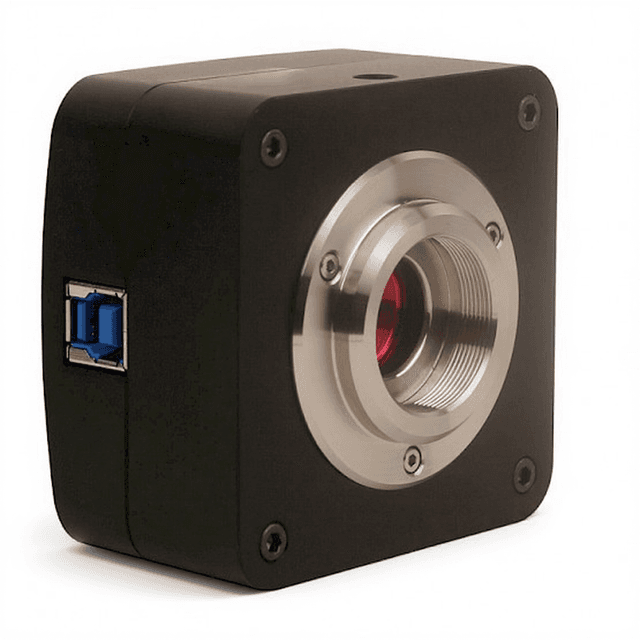
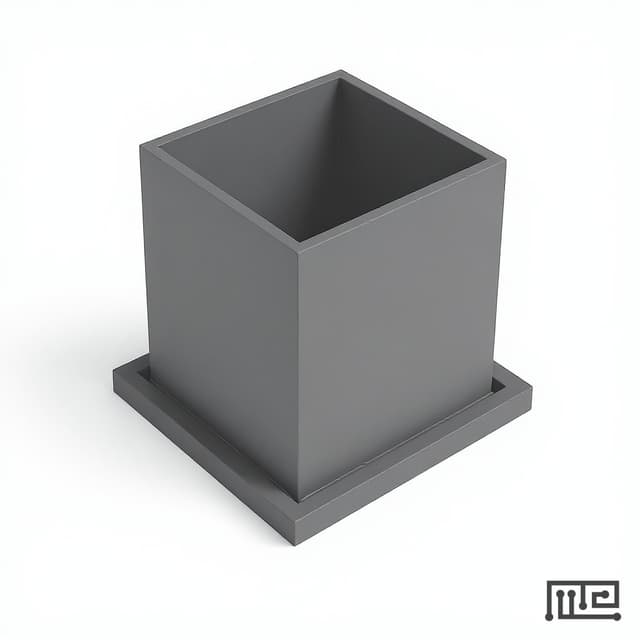
Total: $0.00
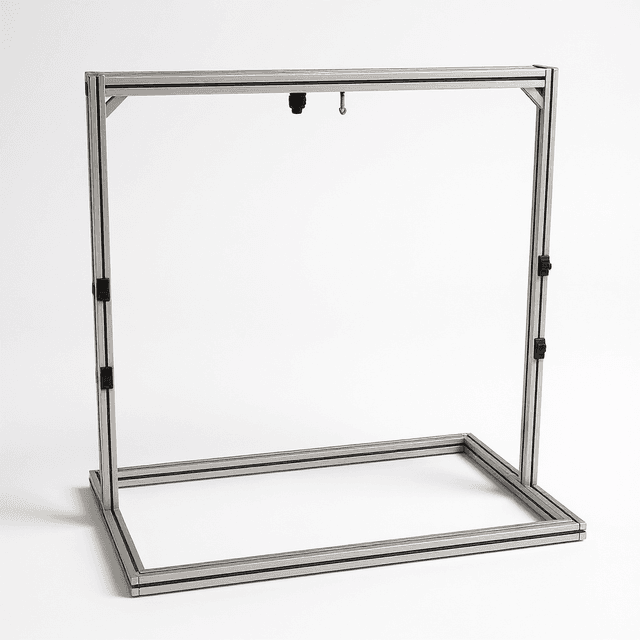

Circular Open Field
$1,990.00
Added to quoteView Quote
