ConductScience Cell Strainers 40um, Sterile (Bulk 10-Pack)
$52.00 per unit | 10 units per pack Bulk pricing: Bulk 10-Pack at $520.00 ($52.00 per unit)

Louise Corscadden, PhD
Director of Science · ConductScience
Ask Louise about ConductScience Cell Strainers 40um, Sterile (Bulk 10-Pack) fit, setup, configuration, or quote prep.
Already working with us? Sign in to connect this with My Scientist.
Key Specifications
Full details →- Model fit
- Hamster, Non-human Primate, Rabbit, Mouse, Rat, Guinea pig
- SKU family
- CS-CST-40-50
- Shipping box
- 30.0 x 25.0 x 20.0 cm
- Ordering
- Online checkout and quote request available
- Category
- Cell Culture
- Build notes
- Confirm accessories, station layout, and support needs before purchase
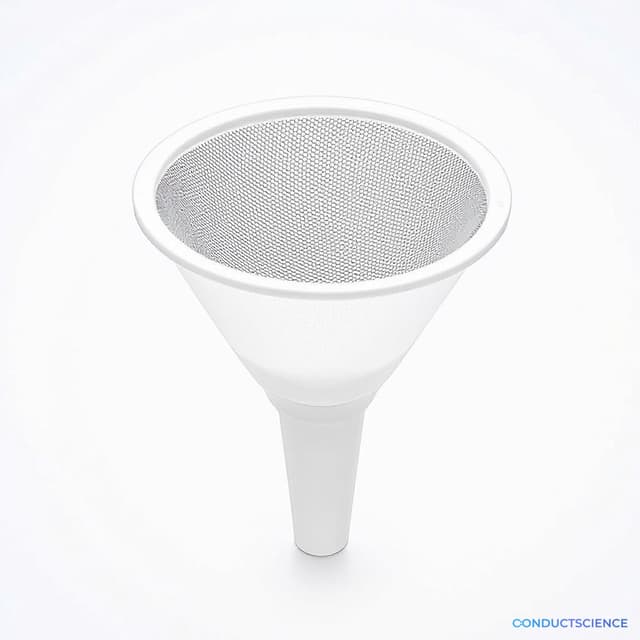
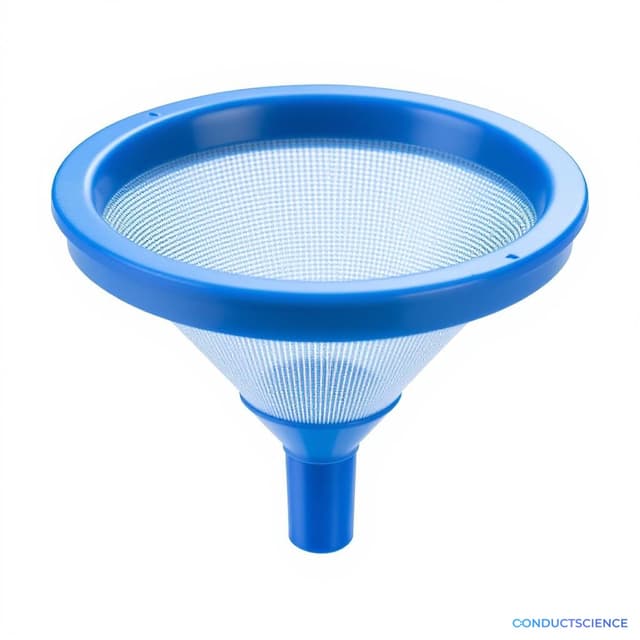
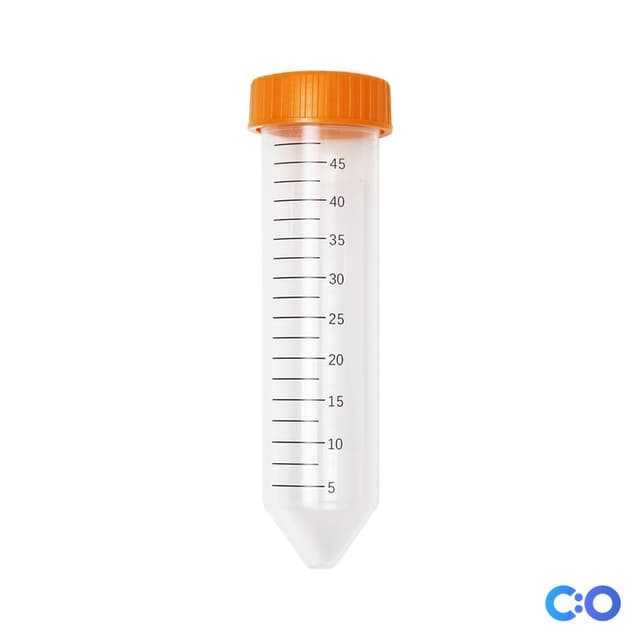
40-micron nylon mesh cell strainers designed for preparation of single-cell suspensions from tissue samples. These sterile, disposable strainers feature precision-engineered nylon mesh that effectively removes cell aggregates, debris, and intact tissue fragments while allowing single cells to pass through. The strainers are designed to fit standard 50mL conical tubes, enabling direct filtration into collection vessels for downstream applications.
The 40-micron pore size represents an optimal balance for many cell isolation protocols, allowing passage of most mammalian cells while retaining larger cellular aggregates and tissue fragments. The sterile packaging ensures contamination-free processing in cell culture workflows, while the disposable design eliminates cross-contamination risks between samples and reduces cleaning validation requirements.
How It Works
Cell strainers function through size-exclusion filtration using precision-manufactured nylon mesh with uniform 40-micron pore openings. The nylon mesh is woven with consistent pore geometry that allows objects smaller than 40 micrometers to pass through while retaining larger particles, cell clumps, and tissue fragments. Most mammalian cells range from 10-30 micrometers in diameter, enabling their passage through the 40-micron mesh while excluding cellular aggregates and debris.
The filtration process relies on gravity flow and gentle mechanical pressure applied during sample processing. Cell suspensions are pipetted onto the mesh surface and allowed to filter through into the collection vessel below. The nylon mesh material provides chemical resistance and maintains structural integrity under typical cell culture processing conditions, while the hydrophilic surface properties promote efficient liquid flow and minimize cell adhesion to the mesh.
The strainer design incorporates a funnel-shaped housing that directs the filtered cell suspension into standard 50mL conical tubes, facilitating direct collection without transfer steps that could introduce contamination or cell loss. The sterile packaging ensures that the filtration process maintains aseptic conditions required for cell culture applications.
Features & Benefits
Automation Level
- manual
Research Domain
- Cancer Research
- Cell Biology
- Developmental Biology
- Histopathology
- Immunology
- Microbiology
Species
- Hamster
- Non-human Primate
- Rabbit
- Mouse
- Rat
- Guinea pig
Shipping weight
- 30.92 lb
Shipping box
- L: 30.0 cm
- W: 25.0 cm
- H: 20.0 cm
| Feature | This Product | Typical Alternative | Advantage |
|---|---|---|---|
| Mesh Material | Nylon mesh with hydrophilic surface properties | Metal mesh or other polymer materials with varying surface characteristics | Nylon provides chemical resistance and hydrophilic properties that promote cell recovery and prevent adhesion. |
| Sterility | Individual sterile packaging | Some products require user sterilization or are non-sterile | Ready-to-use sterile strainers eliminate sterilization steps and reduce contamination risk in cell culture workflows. |
| Tube Compatibility | Designed for standard 50mL conical tubes | Varies by model with some requiring specific collection vessels | Standard tube compatibility enables direct integration into existing laboratory protocols without specialized equipment. |
| Pore Size Precision | 40-micron uniform mesh openings | Pore size consistency varies between manufacturers | Uniform pore geometry ensures consistent filtration performance and reproducible cell recovery across samples. |
These cell strainers provide sterile, ready-to-use 40-micron filtration with standard tube compatibility and nylon mesh construction optimized for cell culture applications. The combination of precision pore size and hydrophilic surface properties supports efficient single-cell suspension preparation for downstream research applications.
Practical Tips
Pre-wet the mesh with buffer or medium before adding cell suspension to improve flow characteristics and reduce holdup volume.
Why: Pre-wetting eliminates air bubbles and establishes initial liquid film for more efficient filtration.
Apply cell suspension to the center of the mesh surface and allow gravity filtration rather than forcing liquid through with excessive pressure.
Why: Gentle filtration preserves cell viability and prevents mesh damage or cell lysis from mechanical stress.
Replace strainer immediately if mesh becomes clogged or if filtration rate decreases significantly during processing.
Why: Clogged mesh can lead to incomplete filtration and potential cell loss or viability reduction.
Rinse the mesh with additional buffer after initial filtration to recover residual cells and maximize yield.
Why: Additional washing can improve cell recovery rates, particularly for valuable or limited samples.
Use appropriate biosafety containment when processing potentially infectious samples or unknown tissue types.
Why: Cell strainer processing can generate aerosols that require proper containment to prevent exposure.
If filtration is slow, gently agitate the cell suspension on the mesh surface or dilute with additional buffer to reduce viscosity.
Why: High cell density or viscous samples can impede flow through the mesh and require dilution for effective filtration.
Keep filtered cell suspensions on ice during processing to maintain cell viability for extended protocols.
Why: Temperature control preserves cellular metabolism and membrane integrity during multi-step isolation procedures.
Setup Guide
What’s in the Box
- 40-micron nylon mesh cell strainers (quantity per package - consult product specifications)
- Individual sterile packaging per strainer (typical)
- Product documentation and specifications (typical)
Warranty
ConductScience provides standard manufacturer warranty coverage for consumable products with technical support for product specifications and application guidance.
Compliance
What cell types can pass through 40-micron mesh?
Most mammalian cells ranging from 10-30 micrometers in diameter will pass through, including lymphocytes, fibroblasts, epithelial cells, and many cultured cell lines, while retaining larger aggregates and debris.
How does 40-micron compare to other mesh sizes for cell isolation?
40-micron mesh provides an intermediate filtration level - finer than 70-100 micron meshes used for initial tissue processing, but coarser than 20-micron meshes used for more stringent debris removal.
Can these strainers be used with enzymatically digested tissues?
Yes, they are commonly used after enzymatic tissue digestion to remove remaining tissue fragments and cell clumps while allowing isolated cells to pass through.
What is the maximum volume that can be processed per strainer?
Processing volume depends on cell density and debris content, but typically 5-10mL of cell suspension can be filtered before mesh saturation requires strainer replacement.
Are these strainers compatible with fluorescent cell sorting workflows?
Yes, the nylon mesh does not interfere with fluorescent signals and the filtered single-cell suspensions are suitable for flow cytometry and fluorescence-activated cell sorting.
How should samples be prepared before strainer filtration?
Tissues should be mechanically or enzymatically dissociated to a cell suspension, then gently pipetted onto the mesh surface without excessive pressure that could damage cells.
Can the strainers be used for bacterial or yeast cell processing?
Yes, the 40-micron mesh is suitable for filtering bacterial or yeast suspensions to remove clumps and debris while allowing individual microbial cells to pass through.
Have a question about this product?
Have a question? Just ask.
Send it over and we'll email you a personalized answer — no call, no scheduling.
Prefer to talk it through?
Accessories
Enhance your setup with compatible accessories
Upgrade Options