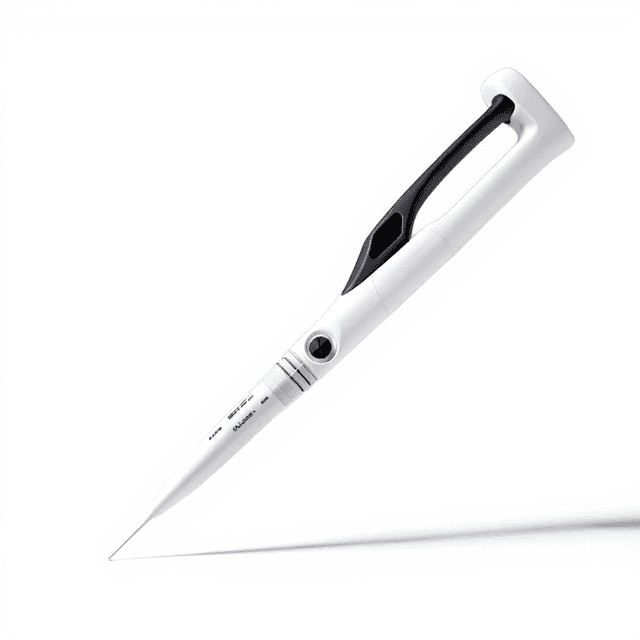
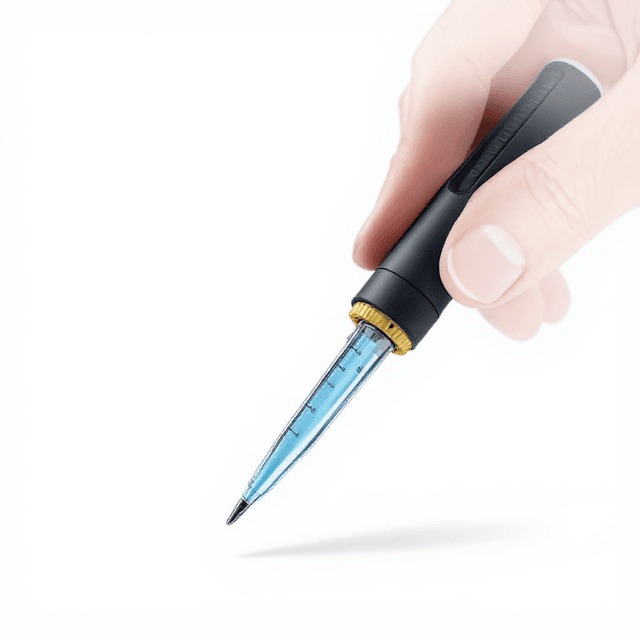
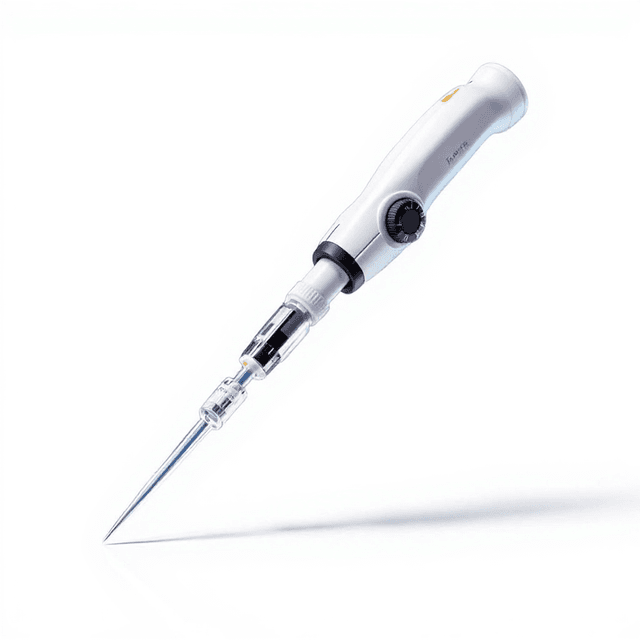
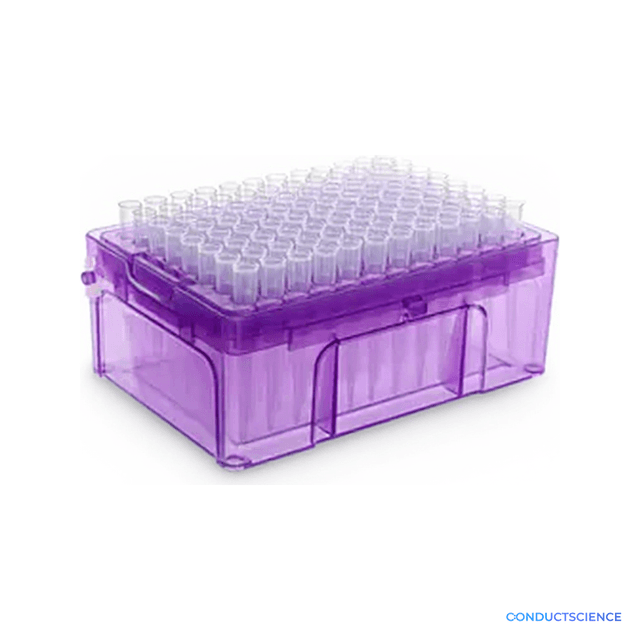
ConductScience Serological Pipettes 5mL, Sterile (Bulk 15-Pack)
$45.00 per unit | 15 units per pack Bulk pricing: Bulk 15-Pack at $675.00 ($45.00 per unit)

Louise Corscadden, PhD
Director of Science · ConductScience
Ask Louise about ConductScience Serological Pipettes 5mL, Sterile (Bulk 15-Pack) fit, setup, configuration, or quote prep.
Already working with us? Sign in to connect this with My Scientist.
Key Specifications
Full details →- Model fit
- Configured during quote
- SKU family
- CS-SP-5ML-200
- Shipping box
- 30.0 x 5.0 x 5.0 cm
- Ordering
- Online checkout and quote request available
- Category
- Cell Culture
- Build notes
- Confirm accessories, station layout, and support needs before purchase
ConductScience Serological Pipettes 5mL provide precise liquid handling for cell culture and analytical applications. Manufactured from polystyrene (PS), these sterile pipettes undergo electron beam sterilization to ensure biocompatibility and contamination-free use. Each pipette is certified DNase/RNase-free and non-pyrogenic, meeting the stringent requirements for sensitive biological applications.
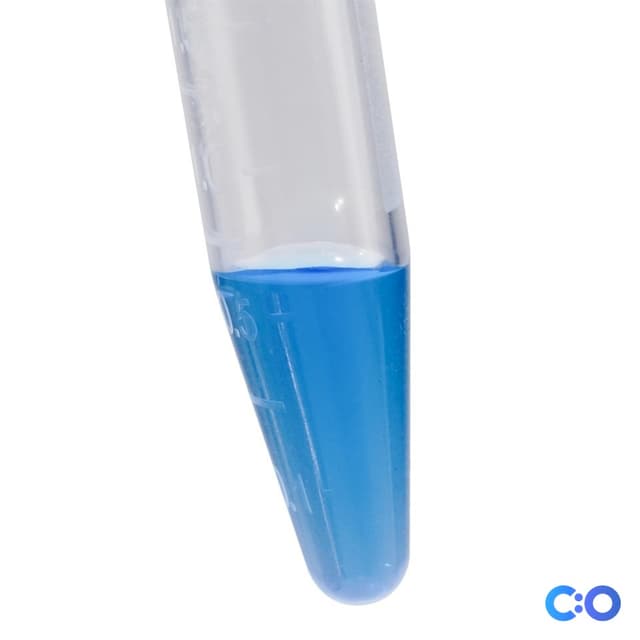
The distinctive blue color-coding band enables rapid identification of the 5mL volume capacity, reducing selection errors during multi-volume protocols. The graduated markings facilitate accurate volume measurements for both aspiration and dispensing operations. These single-use pipettes eliminate cross-contamination risks while maintaining consistent performance across experimental replicates.
How It Works
Serological pipettes operate on the principle of controlled liquid displacement through manual aspiration and dispensing. The graduated polystyrene barrel provides visual volume measurement with calibrated markings that enable precise liquid handling. The pipette's internal diameter and surface properties are optimized to minimize liquid retention and ensure accurate volume delivery.
The sterile manufacturing process employs electron beam irradiation, which generates ionizing radiation to disrupt microbial DNA without introducing chemical residues. This sterilization method maintains the pipette's physical properties while eliminating viable microorganisms. The DNase/RNase-free certification ensures enzymatic contaminants that could degrade nucleic acids are absent from the manufacturing process.
Color-coding systems use distinct bands to provide immediate visual identification of volume capacity, reducing procedural errors during multi-step protocols. The blue band designation for 5mL capacity follows established laboratory conventions for rapid recognition during routine use.
Features & Benefits
Automation Level
- manual
Research Domain
- Analytical Chemistry
- Cancer Research
- Cell Culture
- Clinical Diagnostics
- Developmental Biology
- Immunology
- Microbiology
- Pharmaceutical QC
Shipping weight
- 0.66 lb
Shipping box
- L: 30.0 cm
- W: 5.0 cm
- H: 5.0 cm
| Feature | This Product | Typical Alternative | Advantage |
|---|---|---|---|
| Sterilization Method | Electron beam sterilization | Gamma irradiation or ethylene oxide sterilization are common alternatives | Electron beam sterilization provides effective microbial kill without chemical residues or extended processing times. |
| Volume Capacity | 5mL graduated capacity | Entry-level sets often include only 1mL and 10mL options | The 5mL size provides optimal working volume for many cell culture and analytical applications without excessive dead volume. |
| Contamination Certifications | DNase/RNase-free and non-pyrogenic certified | Basic sterile pipettes may lack nuclease-free certification | Certified contamination-free status ensures compatibility with sensitive molecular biology and cell culture applications. |
| Color Coding System | Blue band identification for 5mL capacity | Some manufacturers use different color schemes or lack color coding | Standardized color coding reduces selection errors during multi-volume protocols and improves laboratory workflow efficiency. |
These 5mL serological pipettes combine electron beam sterilization with comprehensive contamination certifications and color-coded identification. The polystyrene construction and single-use design provide consistent performance for cell culture and analytical applications while eliminating recontamination risks.
Practical Tips
Allow pipettes to reach room temperature before use if stored in refrigerated conditions to ensure accurate volume delivery.
Why: Temperature variations affect plastic expansion and liquid viscosity, potentially impacting measurement accuracy.
Maintain the pipette at a consistent angle during aspiration and dispensing to improve accuracy and reproducibility.
Why: Angle variations can affect liquid contact with graduated markings and introduce measurement errors.
Never pipette by mouth and always use appropriate pipette controllers or bulbs to prevent accidental ingestion.
Why: Direct mouth pipetting poses serious health risks from toxic or infectious materials.
Pre-wet the pipette interior by aspirating and dispensing the working solution 2-3 times before final measurement.
Why: Pre-wetting ensures consistent surface tension and eliminates volume variations from dry plastic surfaces.
Inspect the cotton plug for integrity before use and replace if damaged to prevent contamination of pipette controllers.
Why: Damaged cotton plugs can allow liquid backflow into controllers, causing contamination and equipment damage.
If liquid droplets remain at the tip after dispensing, gently touch the container wall to ensure complete delivery.
Why: Surface tension can retain small volumes at the tip, leading to measurement inaccuracies in critical applications.
Discard pipettes immediately after use with biohazardous materials to prevent accidental reuse and cross-contamination.
Why: Single-use design is compromised if pipettes are inadvertently reused, creating contamination risks.
Setup Guide
What’s in the Box
- 200 individual sterile 5mL serological pipettes (typical)
- Individual sterile wrapper per pipette (typical)
- Product documentation and certificates (typical)
Warranty
ConductScience provides standard manufacturer warranty covering defects in materials and workmanship. Technical support is available for application-specific questions and troubleshooting guidance.
Compliance
References
Background reading relevant to this product:
What is the accuracy specification for volume delivery with these pipettes?
Consult the product datasheet for specific accuracy and precision specifications. Serological pipettes typically perform optimally when used between 10-100% of their stated capacity.
Can these pipettes be used with organic solvents commonly used in analytical chemistry?
Polystyrene construction provides resistance to many aqueous solutions and mild solvents. Check chemical compatibility charts for specific organic solvents, as some may cause swelling or dissolution of the plastic.
How long does the sterility remain valid after opening the package?
Once the sterile wrapper is opened, the pipette should be used immediately. The sterility is only guaranteed for the unopened, individually wrapped pipette.
Are these pipettes compatible with all standard pipette controllers?
Yes, the standard cotton-plugged end fits most commercial pipette controllers and manual pipette bulbs. Ensure secure connection without forcing to prevent damage.
What is the shelf life of these sterile pipettes?
Consult the product labeling for specific expiration dating. Properly stored sterile pipettes typically maintain sterility for several years when kept in original packaging.
Can these pipettes be used for viscous solutions or suspensions?
The 5mL capacity accommodates moderately viscous solutions. For highly viscous materials or cell suspensions, consider the liquid's flow characteristics and adjust aspiration/dispensing speed accordingly.
How do these compare to glass serological pipettes for cell culture work?
Plastic serological pipettes eliminate breakage risks and provide consistent surface properties. Glass pipettes may offer slightly better chemical resistance but require sterilization and carry contamination risks from reuse.
Have a question about this product?
Have a question? Just ask.
Send it over and we'll email you a personalized answer — no call, no scheduling.
Prefer to talk it through?
Upgrade Options