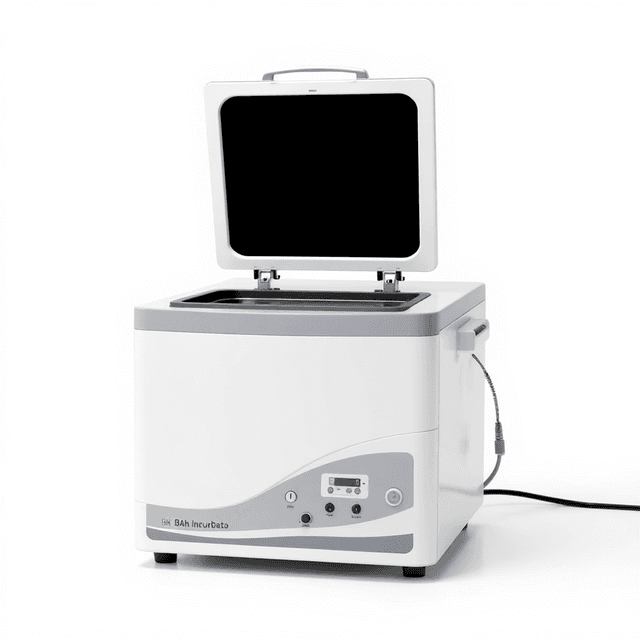
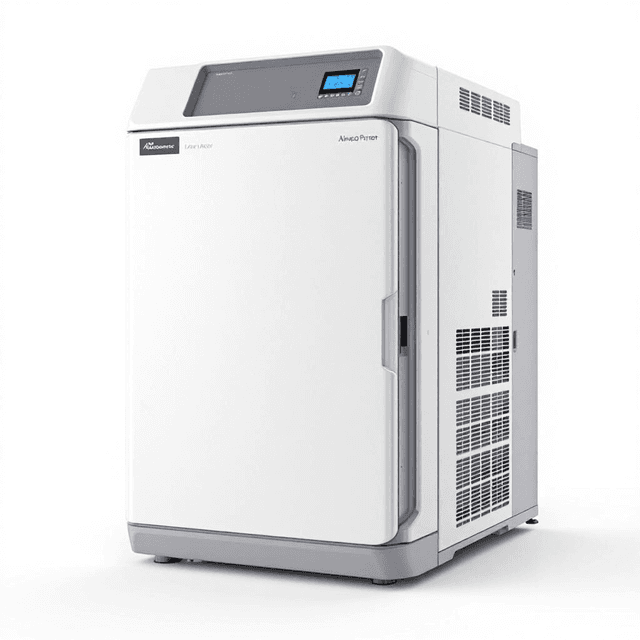
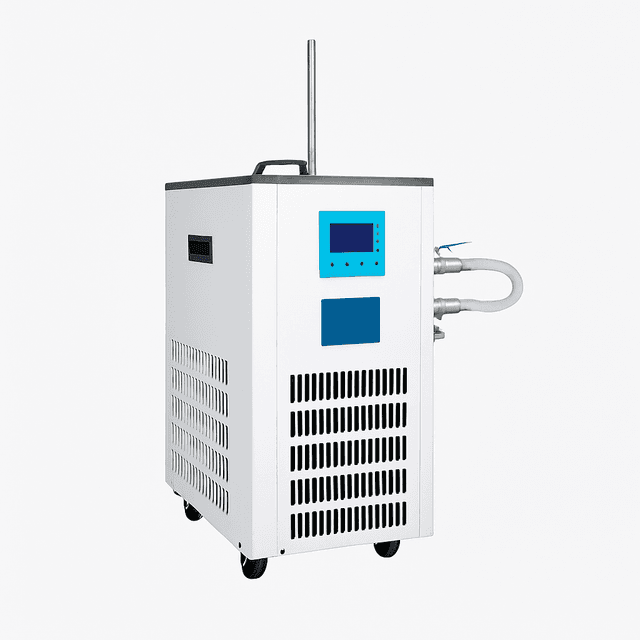
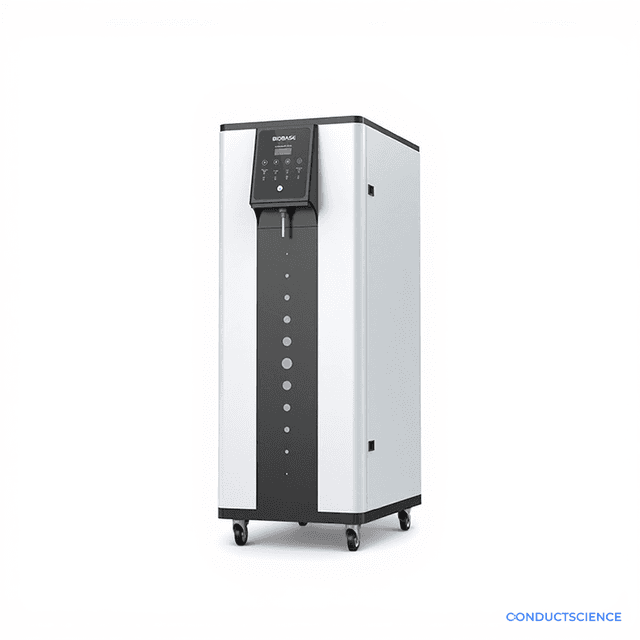
Digital Dry Bath Incubator, 100°C, Multi-Cycle Timer
Benchtop dry bath incubator providing precise temperature control from RT+30°C to 100°C with ±0.3°C accuracy for laboratory sample incubation and thermal protocols.

Louise Corscadden, PhD
Director of Science · ConductScience
Ask Louise about Digital Dry Bath Incubator, 100°C, Multi-Cycle Timer fit, setup, configuration, or quote prep.
Already working with us? Sign in to connect this with My Scientist.
Key Specifications
Full details →- Model fit
- Configured during quote
- SKU family
- BIO-0925
- Shipping box
- 15.0 x 26.0 x 19.5 cm
- Ordering
- Online checkout and quote request available
- Category
- Benchtop Instruments
- Build notes
- Confirm accessories, station layout, and support needs before purchase
The Dry Bath Incubator provides precise temperature control for laboratory samples requiring constant thermal conditions. This benchtop instrument operates across a temperature range from ambient plus 30°C to 100°C with ±0.3°C accuracy and uniformity, suitable for enzyme reactions, nucleic acid hybridization, protein denaturation, and general sample incubation protocols. The unit features programmable timing from 1 minute to 99 hours and 59 minutes, with multi-cycle capability for up to 99 repetitions.
Key operational features include auto-heating, auto-resume functionality, and a clear digital display with 0.1°C resolution. The 150W heating element achieves temperature equilibration from 25°C to 100°C in 10 minutes or less. Universal power supply compatibility (AC 100-240V, 50/60Hz) ensures laboratory integration worldwide. Block capacity varies by configuration to accommodate different tube sizes and sample volumes.
How It Works
The dry bath incubator operates through direct thermal conduction using a heated aluminum block system. The heating element transfers thermal energy to the block, which then conducts heat uniformly to sample tubes or vessels placed in the block wells. This direct contact method eliminates the temperature gradients and humidity variables associated with air-bath incubation, providing more consistent and predictable thermal conditions.
Temperature control is achieved through a feedback loop system that continuously monitors block temperature and adjusts heating power to maintain the setpoint within ±0.3°C. The thermal mass of the aluminum block provides stability against ambient temperature fluctuations and brief door openings. The programmable timer system allows for automated operation with precise timing control, while the multi-cycle feature enables repeated thermal protocols without manual intervention.
The digital control system manages heating profiles, timing sequences, and safety functions. Auto-resume capability ensures protocol continuation after power interruptions, while the heating time specification guarantees rapid thermal equilibration for efficient workflow progression.
Features & Benefits
Shipping weight
- 4.5 lb
Shipping box
- L: 15.0 cm
- W: 26.0 cm
- H: 19.5 cm
| Feature | This Product | Typical Alternative | Advantage |
|---|---|---|---|
| Temperature Accuracy | ±0.3°C accuracy and uniformity | Entry-level models often provide ±0.5°C to ±1.0°C accuracy | Higher precision ensures reproducible results for temperature-sensitive enzymatic reactions and prevents thermal damage to samples. |
| Programming Capability | Multi-cycle programming up to 99 repetitions with 1min-99h59min timing | Basic models typically offer single-cycle operation with limited timing ranges | Automation reduces hands-on time and enables complex thermal protocols without manual intervention. |
| Temperature Range | RT+30°C to 100°C control range | Some units have narrower ranges or require ambient cooling systems | Wide operational range accommodates diverse protocols from physiological to high-temperature applications in one instrument. |
| Heating Performance | 10 minutes maximum heating time from 25°C to 100°C | Standard heating blocks may require 15-20 minutes for full temperature range | Faster equilibration reduces protocol setup time and improves laboratory workflow efficiency. |
| Power Recovery | Auto-resume function after power interruption | Most basic units require manual restart after power loss | Protects long-duration experiments from power fluctuations and maintains protocol integrity. |
| Display Resolution | 0.1°C display accuracy | Many units provide 1°C resolution displays | Precise temperature monitoring supports documentation requirements and fine thermal control protocols. |
This dry bath incubator combines high temperature accuracy with extensive programming capabilities and rapid heating performance. The multi-cycle functionality and auto-resume features provide automation benefits for repetitive protocols and long-duration experiments requiring minimal manual oversight.
Practical Tips
Verify temperature accuracy using a calibrated thermometer placed in a test tube filled with mineral oil within the block wells.
Why: Oil-filled tubes provide thermal contact similar to actual samples and reveal true block temperature rather than air temperature.
Clean aluminum blocks regularly with mild detergent and ensure complete drying before reinstallation.
Why: Residue buildup can affect thermal conductivity and create hot spots that compromise temperature uniformity.
Allow 5-10 minutes additional equilibration time after the display reaches setpoint before adding critical samples.
Why: Block thermal mass requires additional stabilization time beyond the heating element response for optimal uniformity.
If temperature overshoots occur, check that the ambient laboratory temperature is within the normal range and ventilation is adequate.
Why: High ambient temperatures can affect the control system's ability to maintain precise temperature regulation.
Record both set temperature and actual displayed temperature in experimental logs for complete documentation.
Why: Temperature documentation supports reproducibility requirements and helps identify systematic calibration drift over time.
Always use appropriate tube holders or forceps when removing samples from high-temperature blocks to prevent burns.
Why: Aluminum blocks retain heat efficiently and can cause thermal injury even after the heating cycle completes.
Pre-warm empty blocks for 5 minutes before adding samples to minimize thermal shock to temperature-sensitive materials.
Why: Gradual thermal equilibration prevents sudden temperature changes that could denature proteins or affect enzymatic activity.
Check power cord connections periodically and ensure the auto-resume function is enabled for critical long-term protocols.
Why: Secure connections prevent power interruptions while auto-resume protects experiments from facility power fluctuations.
Setup Guide
What’s in the Box
- Dry bath incubator main unit
- Power cord
- One aluminum block (size varies by configuration)
- User manual
- Calibration certificate (typical)
Warranty
ConductScience provides a standard one-year manufacturer warranty covering defects in materials and workmanship. Technical support includes application guidance and troubleshooting assistance throughout the warranty period.
Compliance
References
Background reading relevant to this product:
What is the temperature stability during long-term incubation protocols?
The unit maintains ±0.3°C temperature accuracy and uniformity throughout the operating range. The thermal mass of the aluminum block provides additional stability during extended incubations up to 99 hours 59 minutes.
How quickly does the unit reach target temperature for time-sensitive protocols?
Heating time is specified as 10 minutes or less from 25°C to 100°C. Lower target temperatures are reached proportionally faster, enabling rapid protocol initiation.
Can the incubator accommodate different tube sizes and sample volumes?
Sample capacity depends on the aluminum block configuration. Blocks are available for various tube sizes and the modular design allows block changes for different applications.
What happens if power is interrupted during a long incubation?
The auto-resume function automatically restarts the protocol from the point of interruption when power is restored, protecting long-duration experiments from facility power fluctuations.
Is temperature calibration required and how often?
Regular calibration verification is recommended based on laboratory QC requirements. The ±0.3°C accuracy specification should be verified using calibrated temperature standards according to your facility's protocols.
Can multiple thermal cycles be programmed for automated protocols?
Yes, the multi-cycle function allows up to 99 repetitions of the programmed temperature and time sequence, suitable for automated thermal cycling and repetitive assay protocols.
What is the temperature range limitation at ambient conditions?
The control range starts at room temperature plus 30°C, meaning the lowest achievable temperature depends on ambient laboratory conditions. The unit cannot provide active cooling below ambient temperature.
Have a question about this product?
Have a question? Just ask.
Send it over and we'll email you a personalized answer — no call, no scheduling.
Prefer to talk it through?
Accessories
Enhance your setup with compatible accessories