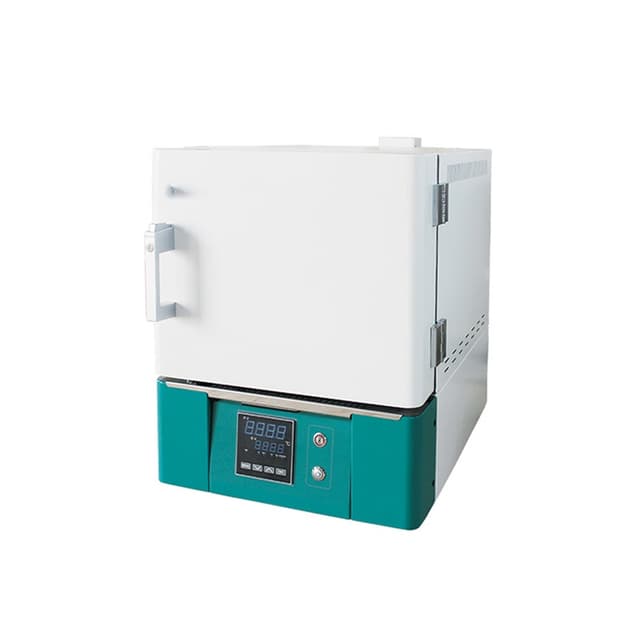
Exhaust System Scrubber
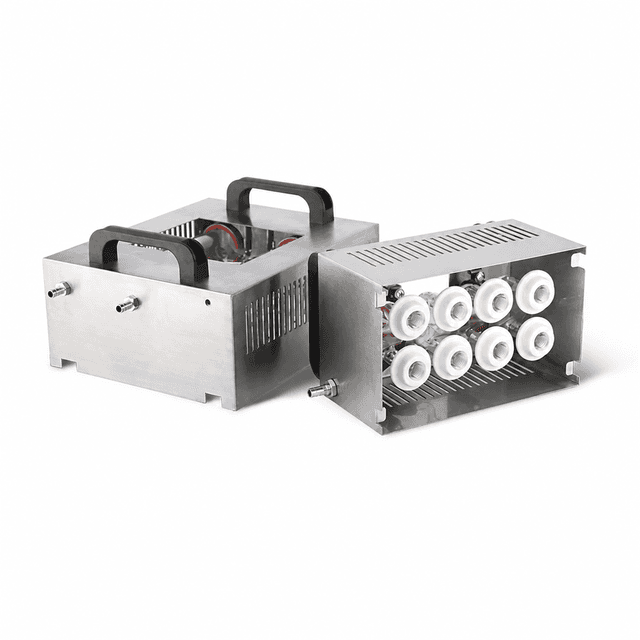
Benchtop alkaline scrubbing system with dual 30 L/min air inlets for neutralizing acidic vapors and chemical contaminants in laboratory exhaust streams.

Louise Corscadden, PhD
Director of Science · ConductScience
Ask Louise about Exhaust System Scrubber fit, setup, configuration, or quote prep.
Already working with us? Sign in to connect this with My Scientist.
Key Specifications
Full details →- Model fit
- Configured during quote
- SKU family
- BIO-0934
- Shipping box
- 31.0 x 33.0 x 35.0 cm
- Ordering
- Online checkout and quote request available
- Category
- Benchtop Instruments
- Build notes
- Confirm accessories, station layout, and support needs before purchase
The Exhaust System Scrubber is a benchtop air treatment system designed for laboratory environments requiring removal of chemical vapors and acidic gases from exhaust streams. The system employs dual-stage alkaline scrubbing with separate inlet channels, each capable of processing 30 L/min of contaminated air through dedicated alkaline solution and distilled water treatment bottles.
The compact unit features a two-way air inlet configuration that allows simultaneous treatment of exhaust streams from multiple sources or staged processing of highly contaminated air. The alkaline scrubbing process neutralizes acidic vapors and soluble contaminants before releasing treated air to the environment. This approach is commonly used in analytical chemistry laboratories, fume hood exhaust treatment, and industrial processes generating acid vapors.
How It Works
The scrubbing system operates on the principle of alkaline neutralization, where acidic vapors and water-soluble contaminants are absorbed into an alkaline solution. Air enters through one of two inlet ports and is drawn through the alkaline solution bottle containing 10-25% lye (sodium hydroxide) concentration. The alkaline solution chemically neutralizes acidic components through acid-base reactions, converting them to neutral salts that remain dissolved in the solution.
After initial alkaline treatment, the air stream passes through a distilled water bottle for final scrubbing and removal of any remaining soluble contaminants or alkaline carryover. The dual-stage process ensures thorough treatment while preventing alkaline breakthrough. The system maintains 30 L/min suction flow rate per inlet channel, providing adequate residence time for effective mass transfer between the gas and liquid phases.
The treated air is then expelled to the environment after dual-stage scrubbing. The process is continuous during operation, with the alkaline and water solutions gradually becoming saturated with neutralized contaminants, requiring periodic replacement based on usage and contamination levels.
Features & Benefits
Shipping weight
- 10.0 lb
Shipping box
- L: 31.0 cm
- W: 33.0 cm
- H: 35.0 cm
| Feature | This Product | Typical Alternative | Advantage |
|---|---|---|---|
| Total Air Flow Capacity | 60 L/min (dual 30 L/min inlets) | Entry-level models often provide 20-40 L/min single inlet capacity | Higher capacity supports multiple exhaust sources or high-volume applications without flow restrictions |
| Inlet Configuration | Two-way air inlet system | Most basic scrubbers offer single inlet design | Dual inlets provide operational flexibility for multiple sources or staged processing requirements |
| Solution Capacity | 1L alkaline + 1L water bottles | Smaller units often use 500ml or single-bottle systems | Larger capacity reduces maintenance frequency and enables dual-stage treatment for thorough contaminant removal |
| Power Requirements | AC220V, 120W consumption | Varies by model, with some requiring higher power | Moderate power consumption enables continuous operation without excessive energy costs |
| Alkaline Concentration Range | Adjustable 10-25% lye concentration | Fixed concentration systems are common in basic models | Concentration flexibility allows optimization for different acid types and contamination levels |
This scrubber offers dual-inlet flexibility with 60 L/min total capacity, dual-stage alkaline and water treatment, and adjustable neutralization strength. The compact benchtop design provides point-of-use vapor treatment with moderate power requirements suitable for continuous laboratory operation.
Practical Tips
Verify flow rates periodically using a calibrated flow meter to ensure each inlet maintains 30 L/min suction.
Why: Proper flow rates ensure adequate residence time for effective neutralization reactions.
Replace alkaline solution when pH drops below 12 or when visible precipitation occurs in the bottle.
Why: Saturated solutions lose neutralization capacity and may cause system fouling.
Use distilled or deionized water in the second stage and replace regularly to maintain scrubbing efficiency.
Why: Pure water prevents mineral buildup and ensures effective removal of residual contaminants.
Install the unit with adequate ventilation around air outlets and never block exhaust ports during operation.
Why: Proper ventilation prevents recirculation of treated air and ensures safe operation.
If suction flow decreases, check for clogs in tubing connections and clean solution bottle interfaces.
Why: Restricted airflow reduces neutralization efficiency and may indicate system maintenance needs.
Monitor solution color changes and pH levels to track neutralization capacity and establish replacement schedules.
Why: Consistent monitoring ensures reliable performance and prevents breakthrough of untreated vapors.
Connect higher-concentration acid sources to the primary inlet for optimal treatment sequencing.
Why: Strategic inlet use maximizes alkaline solution utilization and treatment effectiveness.
Setup Guide
What’s in the Box
- Exhaust System Scrubber main unit
- 1L alkaline solution bottle
- 1L distilled water bottle
- Power cord (AC220V)
- Air inlet connections (typical)
- User manual and safety guidelines (typical)
Warranty
ConductScience provides a standard one-year manufacturer warranty covering defects in materials and workmanship, with technical support for installation and operation guidance.
Compliance
What types of acids and vapors can this scrubber effectively neutralize?
The alkaline scrubbing system effectively neutralizes common laboratory acids including HCl, HNO3, H2SO4, and organic acids. The 10-25% lye concentration range allows optimization for different acid strengths and types.
How do I determine when the alkaline solution needs replacement?
Monitor solution pH and color changes as indicators of saturation. Establish replacement schedules based on usage volume and contamination levels. High acid loads will require more frequent solution changes.
Can the system handle organic solvents and volatile organic compounds?
The system is primarily designed for acid vapor neutralization. Water-soluble organic compounds may be partially removed, but consult product datasheet for specific solvent compatibility and efficiency data.
What maintenance procedures are required for reliable operation?
Regular solution replacement, cleaning of bottles and tubing connections, and periodic inspection of seals and fittings. Monitor flow rates to ensure proper suction performance.
How does the two-way inlet system work for multiple exhaust sources?
Each inlet provides 30 L/min suction capacity and can be connected independently to different vapor sources or used together for higher-volume applications requiring 60 L/min total capacity.
What safety precautions are needed when handling the alkaline solutions?
Use appropriate PPE including chemical-resistant gloves and eye protection when handling concentrated lye solutions. Follow standard laboratory safety protocols for caustic materials.
Can the system operate continuously for extended periods?
Yes, the 120W system is designed for continuous operation. Monitor solution levels and establish preventive maintenance schedules based on your usage patterns and contamination loads.
Have a question about this product?
Have a question? Just ask.
Send it over and we'll email you a personalized answer — no call, no scheduling.
Prefer to talk it through?